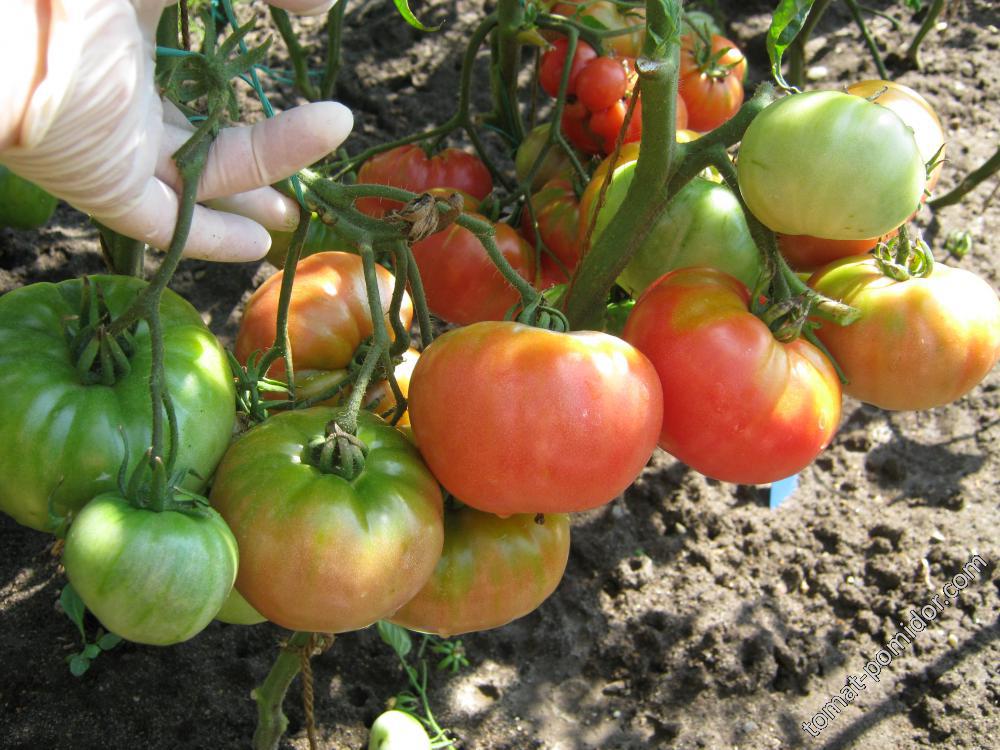
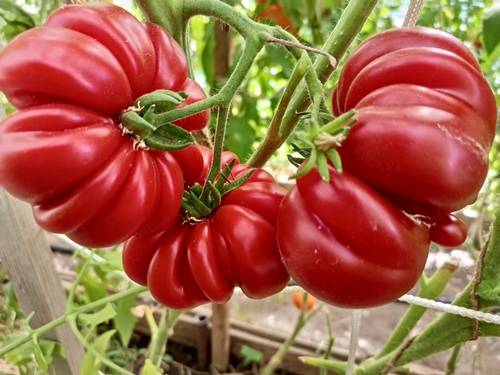
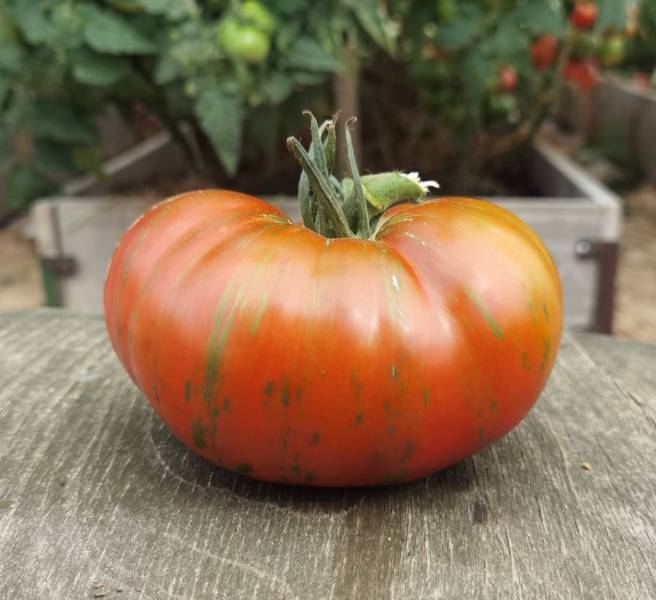
🍅 Quick take: Negro de Silex (Negro de Siles) is a rare Spanish heirloom originating from the mountain village of Siles in Jaén, Andalusia. It is an indeterminate, mid-season beefsteak producing oblate, heavily ribbed dusky fruits weighing 3.5-17.5 oz (100-500 g) with plump shoulders and a faint anthocyanin blush. Growers praise it for its repeatable, heavy production and a clean, mild, sweet-tart flavor lacking the intense muskiness of common black tomatoes. Full summary ↓
Grower’s Notes and Photos (USDA Zone 4 Experience)
A variety of Spanish origin, hailing from the town of Siles in the Sierra de Segura mountains, Jaen province, Andalusia.
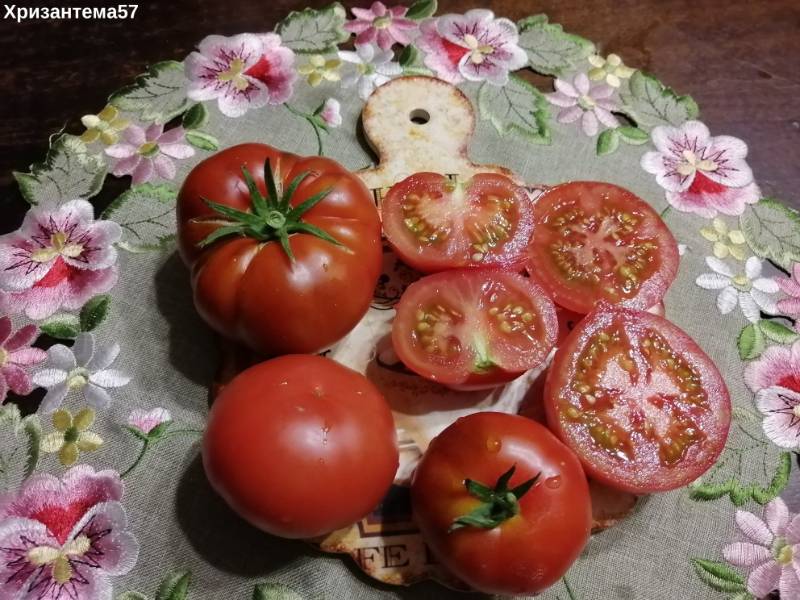
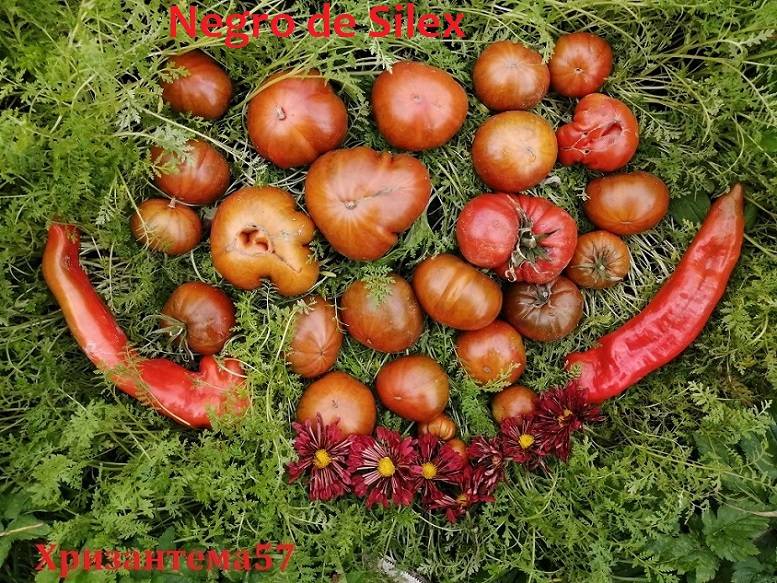
Fruits range anywhere from 3.5 to 17.5 oz (100 to 500 g). Flattened beefsteak shape with wide, deep ribbing on top and plump, puffy shoulders showing a light touch of anthocyanin.
Flavor is good, though milder and less pungent than most standard “black” varieties. Big shoutout to Rayechka for the seeds. Really loved this one!
Edited September 14, 2021 by Khrizantema57
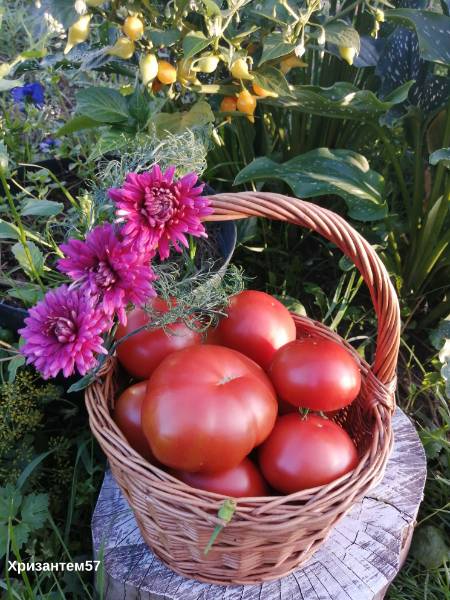
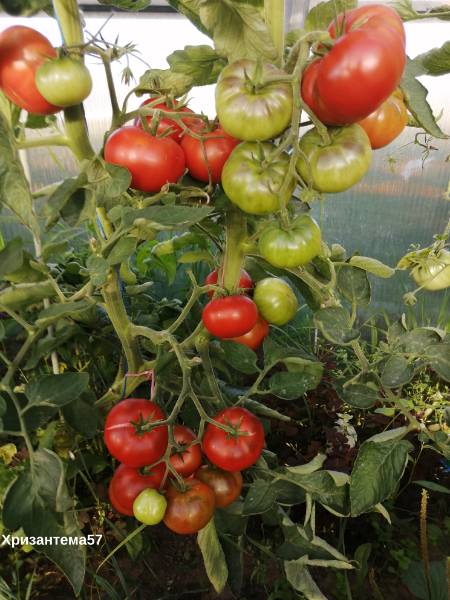
Grew it again this season and another fantastic yield!
Full Summary: Plant, Yield and Taste
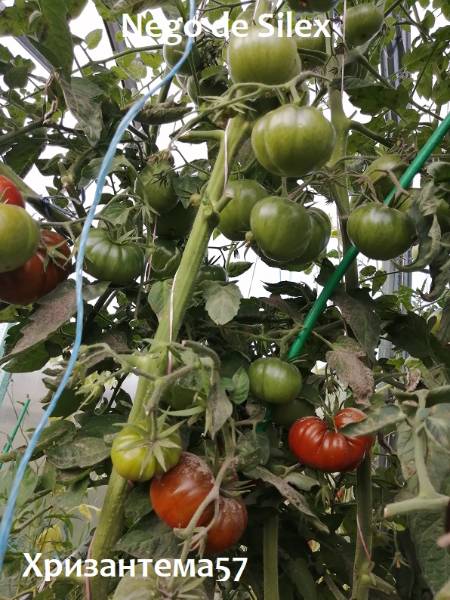
- 🌿 Plant & Heritage: Traditional mountain heirloom originating from Siles (Sierra de Segura, Andalusia, Spain). Grows as a vigorous indeterminate vine well-adapted to unheated greenhouse culture in cool northern latitudes.
- 📈 Yield & Appearance: Consistently high yielder across multiple seasons. Fruits vary widely in size from 3.5 to 17.5 oz (100 to 500 g). Broad, flattened beefsteak form featuring deep crests and fluting along the shoulders, overlaid with dark dusky skin and subtle anthocyanin shading.
- 👅 Flavor Profile: Very pleasant, balanced, and approachable flavor. Noticeably smoother and milder than heavily acidic, earthy Eastern European black heirlooms, making it popular for fresh eating.
- 🌎 Who Reviewed It: Long-time Russian heirloom enthusiast Khrizantema57 (Lyudmila) in the Moscow Region (USDA Zone 4).
🍅 Grown Negro de Silex? Did yours show prominent anthocyanin shoulders? Share your zone and photos in the comments below!
👨🌾 Editor’s Note: Siles vs. Silex Spelling
In Spanish botanical and seed-saving registries, this cultivar is officially known as Negro de Siles, named directly after the municipality of Siles in the province of Jaén. In European seed exchange circles (and subsequently Russian collections), the spelling mutated phonetically to “Negro de Silex.” Both refer to the identical Andalusian mountain heirloom.
In Spanish botanical and seed-saving registries, this cultivar is officially known as Negro de Siles, named directly after the municipality of Siles in the province of Jaén. In European seed exchange circles (and subsequently Russian collections), the spelling mutated phonetically to “Negro de Silex.” Both refer to the identical Andalusian mountain heirloom.