Growers’ Notes and Photos (USDA Zone 4 Experience)
Can anyone in the know point me in the right direction? I’m searching for a zesty, mildly pungent pepper that isn’t crazy hot – yellowish-green, the exact variety Armenians salt and ferment whole. It’s pretty much the only crop missing from my patch, and I really want to put up a big batch of that traditional lacto-fermented appetizer this summer!
Yuliya Orenburg: …searching for a zesty, mildly pungent pepper that isn’t crazy hot – yellowish-green, the exact variety Armenians salt and ferment whole…
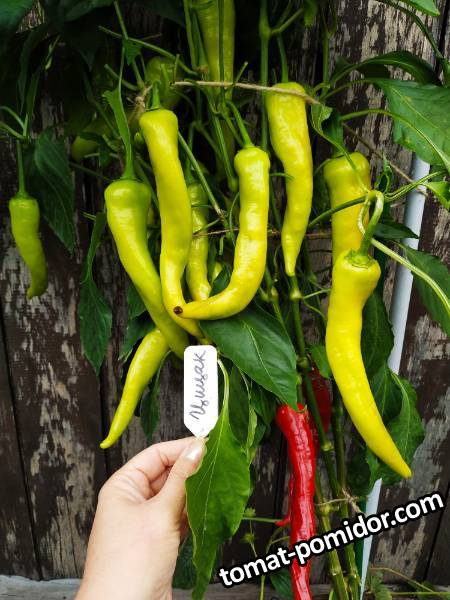
I’ve been growing an heirloom variety called Tsitsak for years, and it’s built exactly for that.
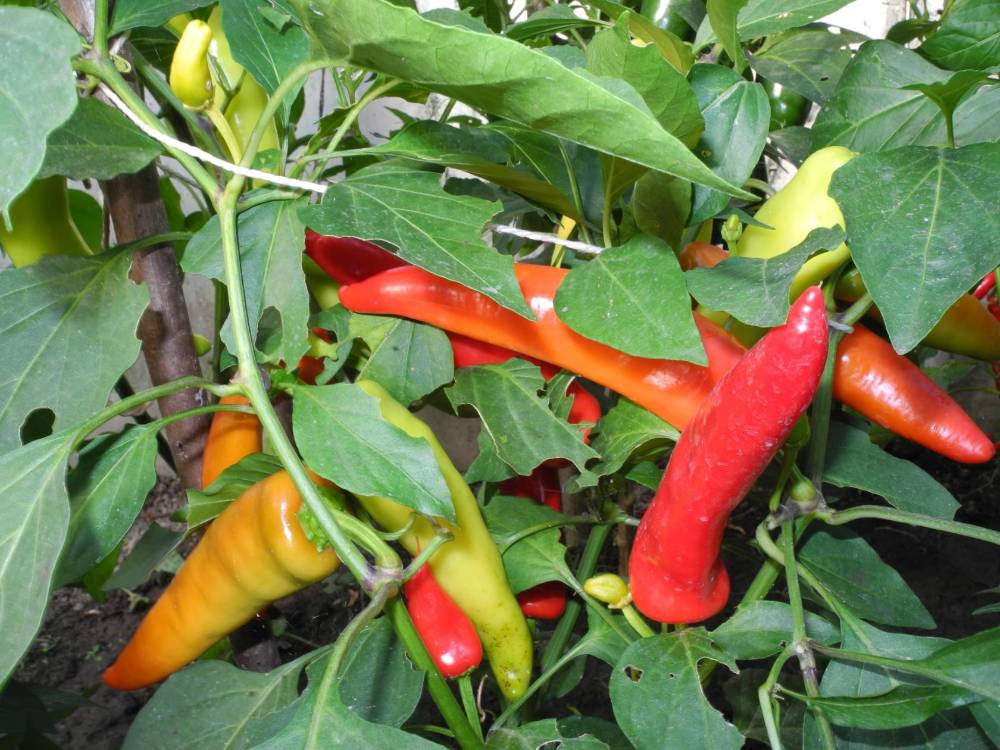
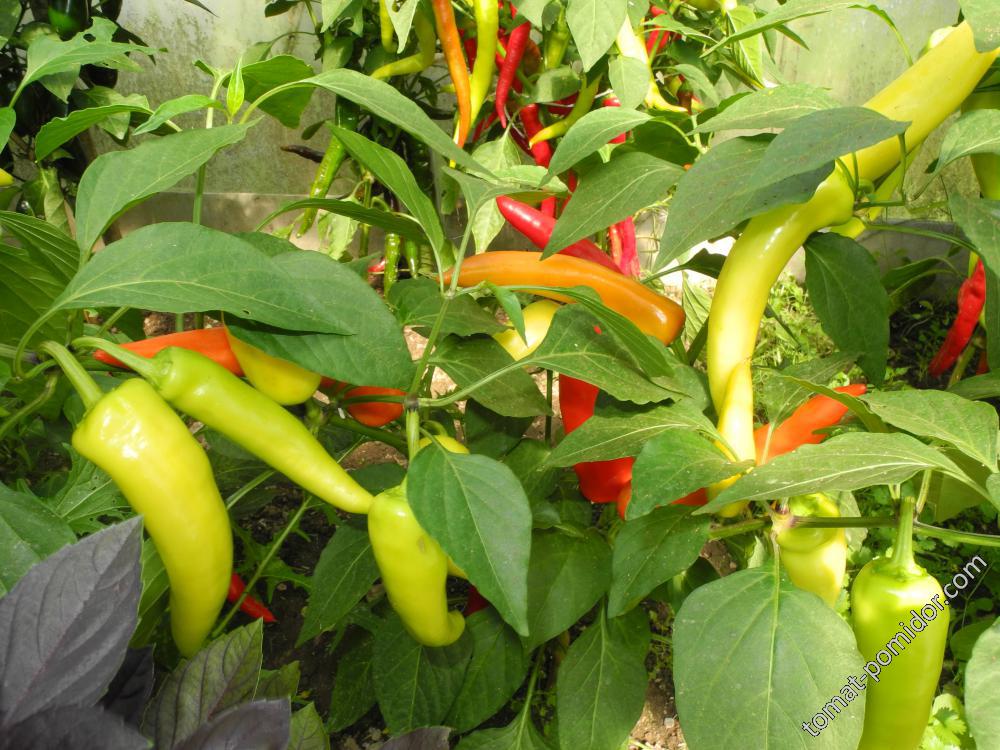
It is early, super productive, and completely unfussy. In the barrel photo, it’s growing in the neglected back corner behind my garden shed where it only gets afternoon sun from lunchtime onward. In the photo against the siding, it’s tucked on the west side behind the bathhouse with barely a couple of hours of direct sunlight a day.
For lacto-fermenting whole, this is the gold standard: at the early breaker stage (technical maturity), the pods are pale yellow-green and mildly pungent. If you leave them to reach full botanical maturity, they turn bright red and bump up to medium heat.
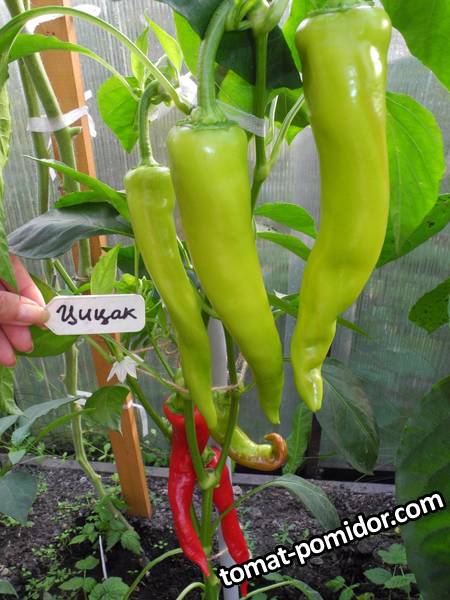
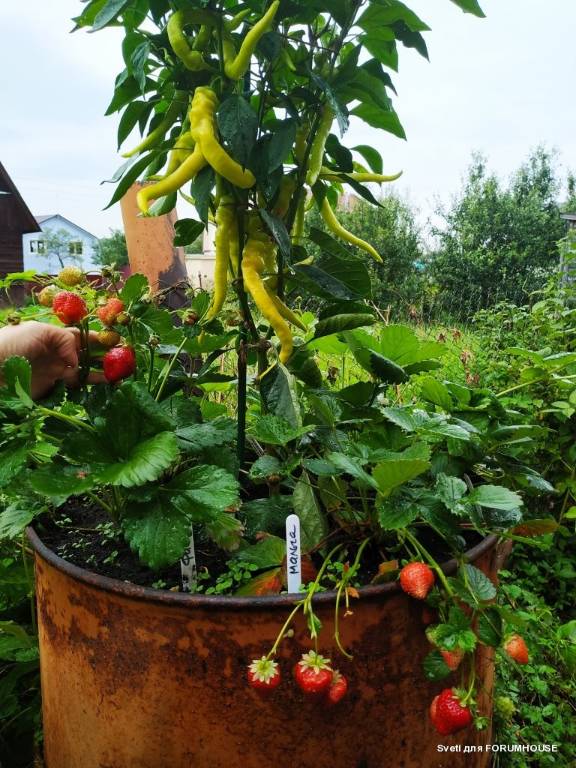
There’s also Armenian Mild (Armianskiy). It’s very similar, but the pods stay a deeper emerald green at the pickling stage rather than pale yellow:
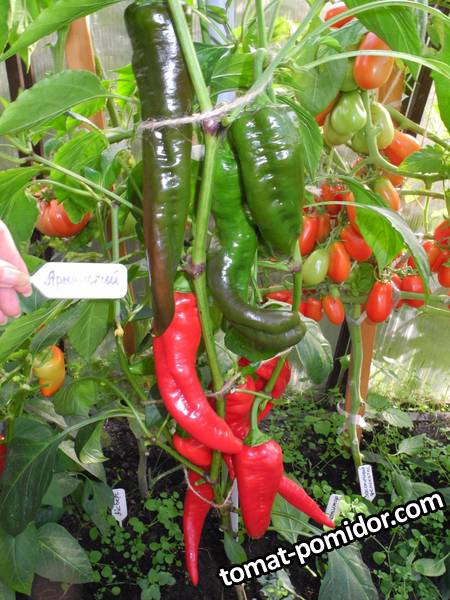
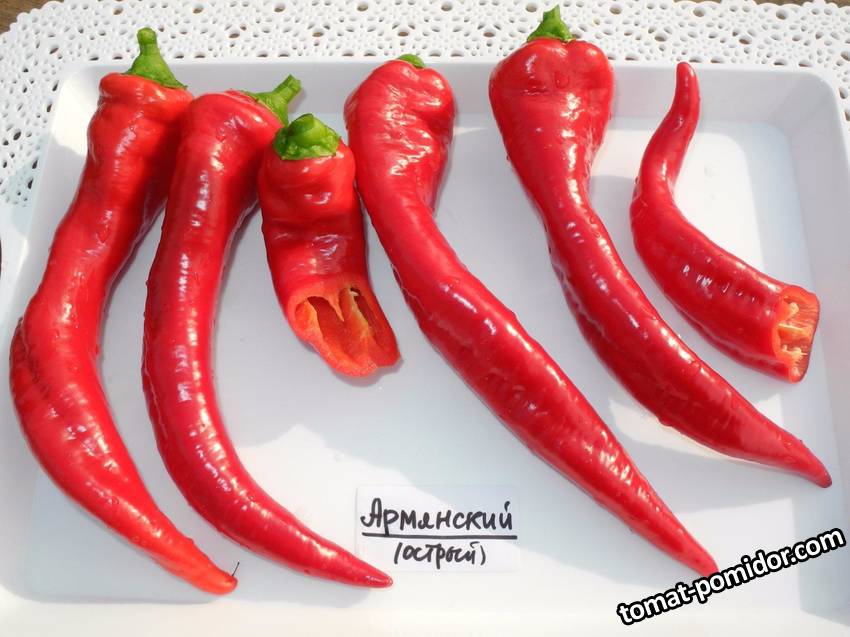
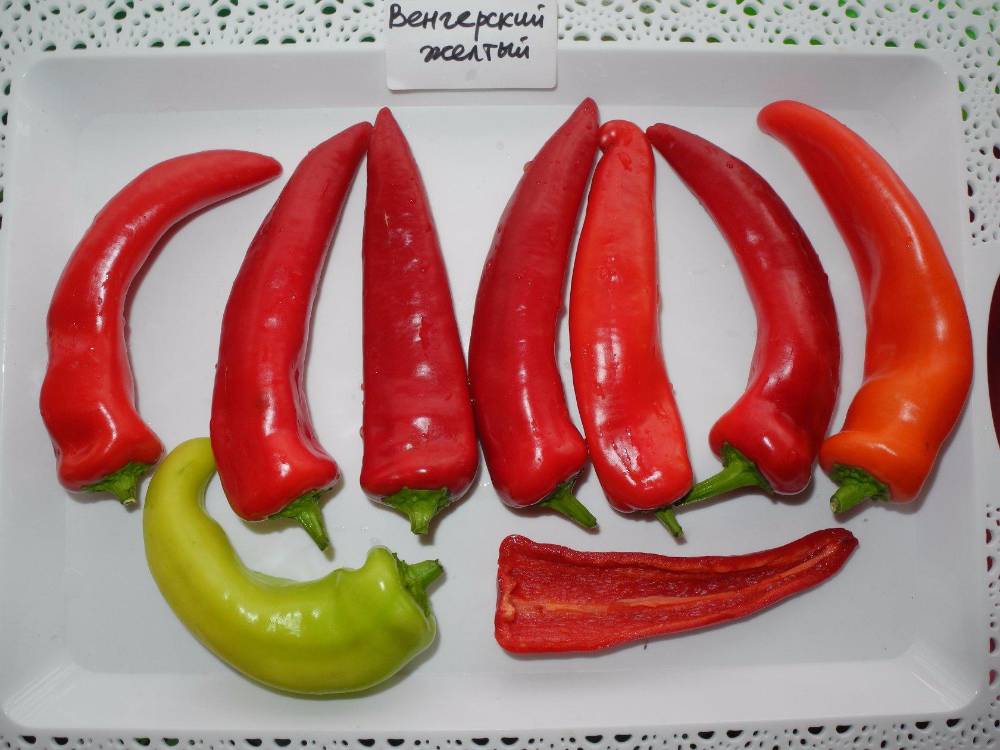
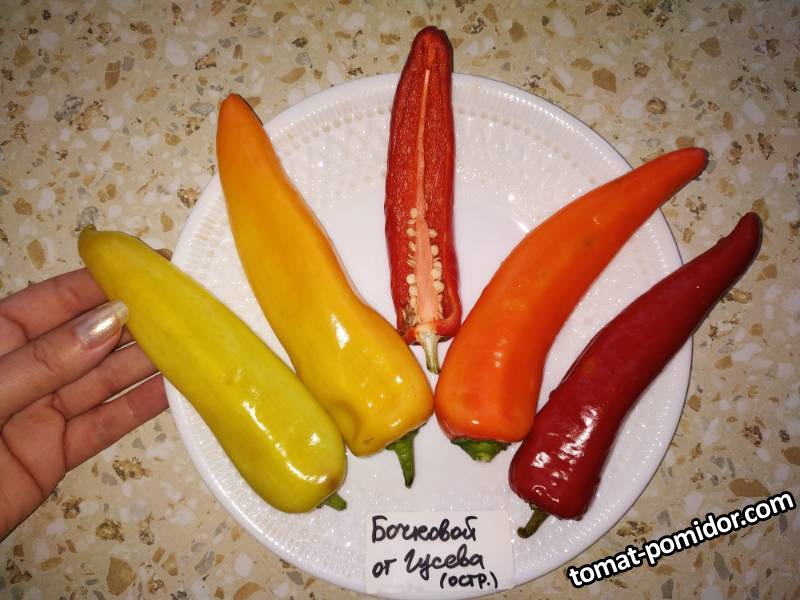
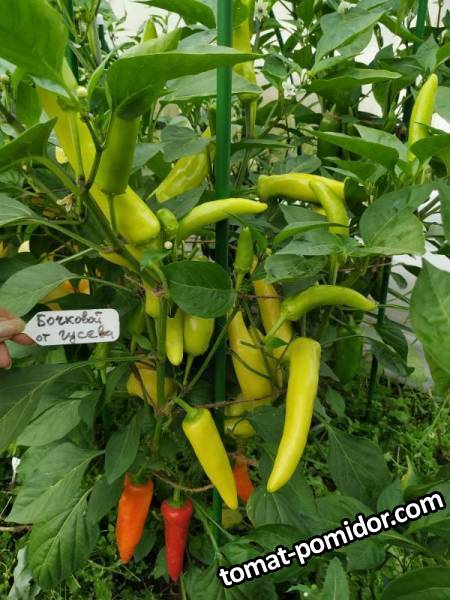
If you want absolute workhorses that are early, bulletproof, and heavy yielders, take a look at Bochkovoy (Barrel Pickler from Gusev) and Hungarian Yellow Wax (named for its bright wax-yellow color at biological maturity). They are practically twin cultivars and perform like machines:
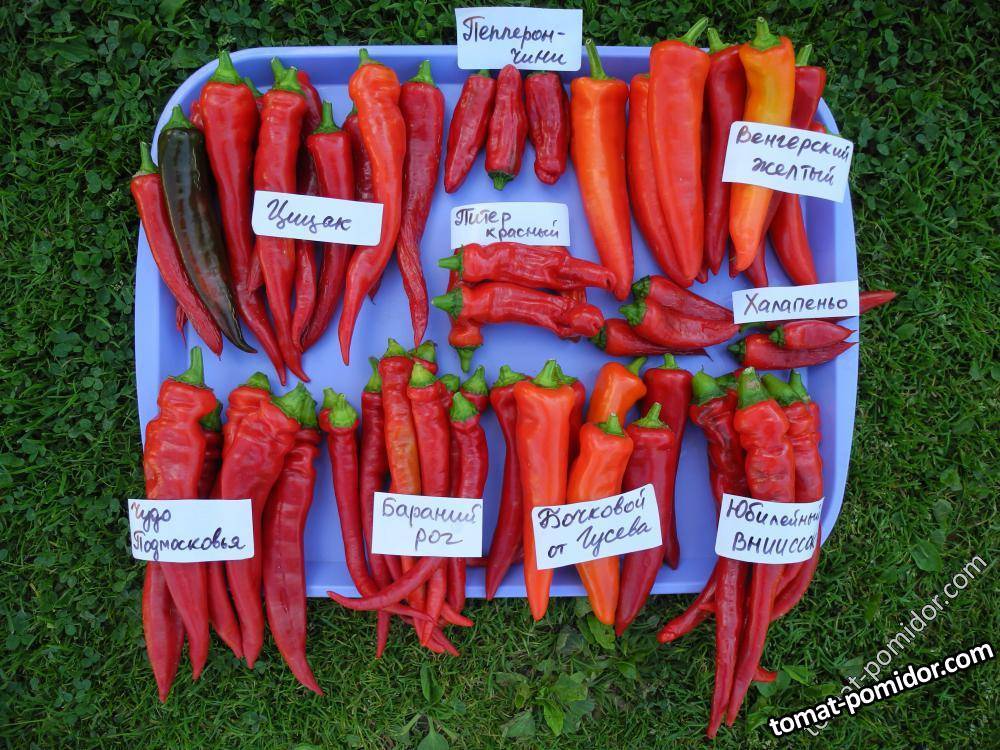
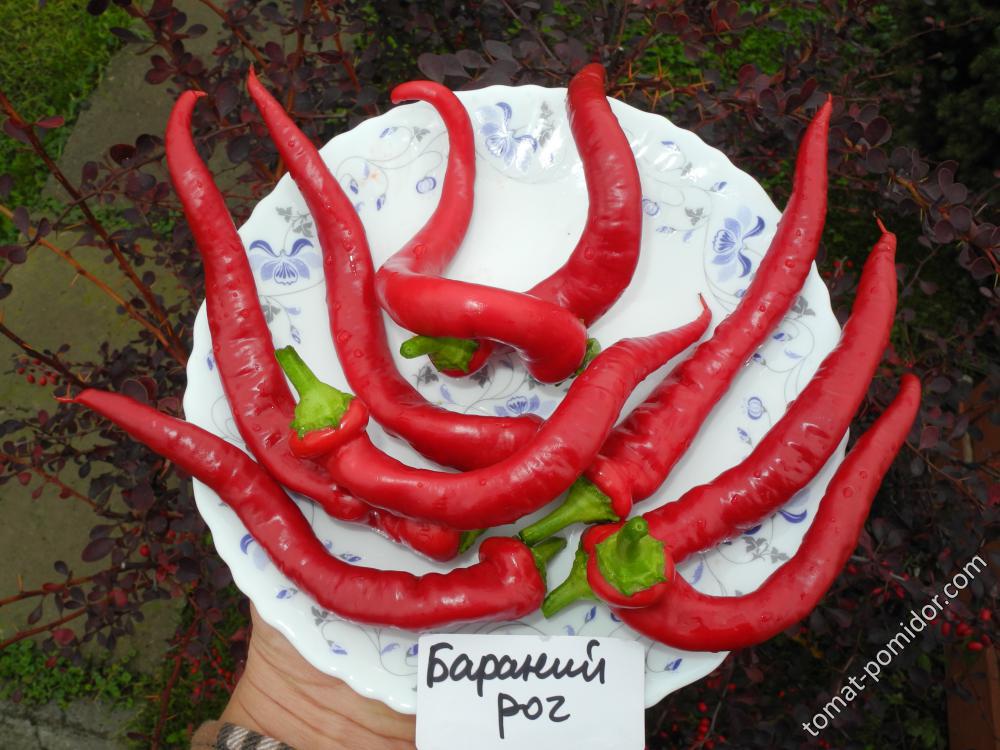
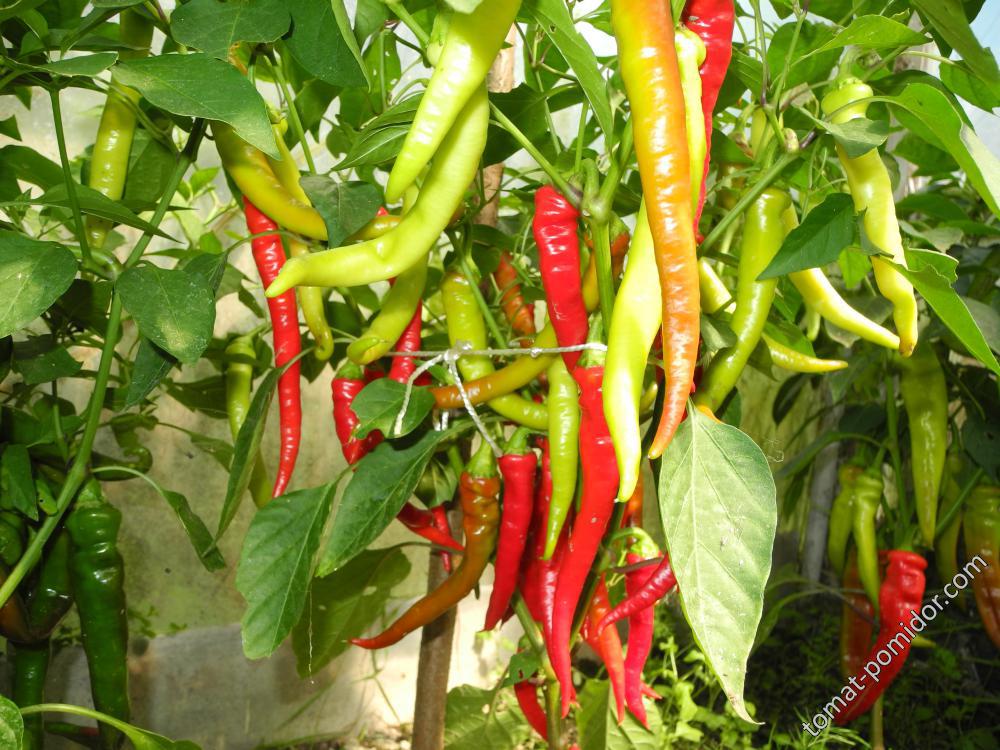
Another great option you can ferment whole is Baraniy Rog (Ram’s Horn). Crazy high yields! On fully ripe pods, the heat level can jump around a bit: usually the tip is sweet and completely mild, but the heat kicks in hard as you eat closer to the seed core near the calyx.

Quick Facts: Top Peppers for Whole Lacto-Fermenting
- 🌶️ Tsitsak: The authentic Armenian heirloom standard. Long, slightly wrinkled, tapered pods that harvest pale yellow-green at technical maturity with mild, zesty warmth. Exceptionally shade-tolerant and high-yielding in containers or tight garden corners.
- 🌿 Armenian Mild: Very similar in shape and habit to Tsitsak, but features darker forest-green skin at the pickling stage. Milder heat profile.
- 🟡 Hungarian Yellow Wax / Bochkovoy: Smooth, conical, thick-walled workhorses that ripen from pale chartreuse to golden-yellow. Ideal for gardeners seeking consistent mild warmth, high container yields, and crunchy texture after brine curing.
- 🐏 Baraniy Rog (Ram’s Horn): Long, spiraled, horn-shaped pods that produce enormous yields. Best fermented whole when still green; features a variable heat gradient where the tip is sweet and mild, but the stem/seed placenta packs genuine spicy heat.
- ⏳ Harvest Timing Secret: For traditional crisp lacto-fermented peppers, always pick pods at **technical maturity** (when still pale green or yellow-green) rather than letting them turn fully red, which softens the skin walls.
In Armenian, the word Tsitsak (ծիծակ) is both a general term for pepper and the name of one of the Caucasus’ most famous culinary exports: whole, salt-brined, lacto-fermented peppers seasoned with garlic, celery leaves, and dill.To replicate authentic market Tsitsak at home, you cannot use thick-walled bell peppers or fiery hot jalapeños. You need a thin-to-medium walled pepper with mild Scoville heat (around 1,000–3,000 SHU) that turns pale chartreuse before ripening red. Picking the pods at this pale yellow-green stage allows the brine to penetrate without turning the skins mushy during the 7-to-10 day room-temperature fermentation.