🍅 Quick take: Stripes of Yore is an eye-popping indeterminate saladette bred by Brad Gates (Wild Boar Farms), featuring creamy yellow fruit splashed with deep anthocyanin purple-black shoulders, averaging 3.5-5 oz (100-150 g). Gardeners in Zones 3 through 7 praise its stunning ornamental look and solid greenhouse vigor. Flavor reviews are polarized: some find it juicy, sweet, and complex, while others call it completely bland fresh. Interestingly, it turns out to be a surprising winner for whole-fruit canning, though pickling turns the purple shoulders completely yellow. Full summary ↓
Growers’ Notes and Photos (USDA Zones 3-7 Experience)
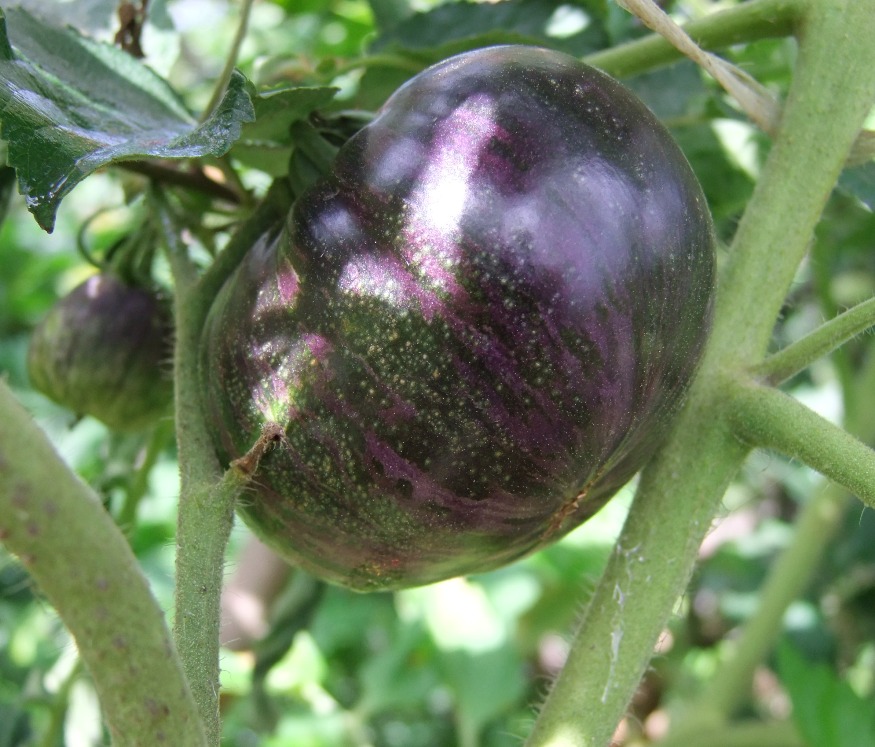
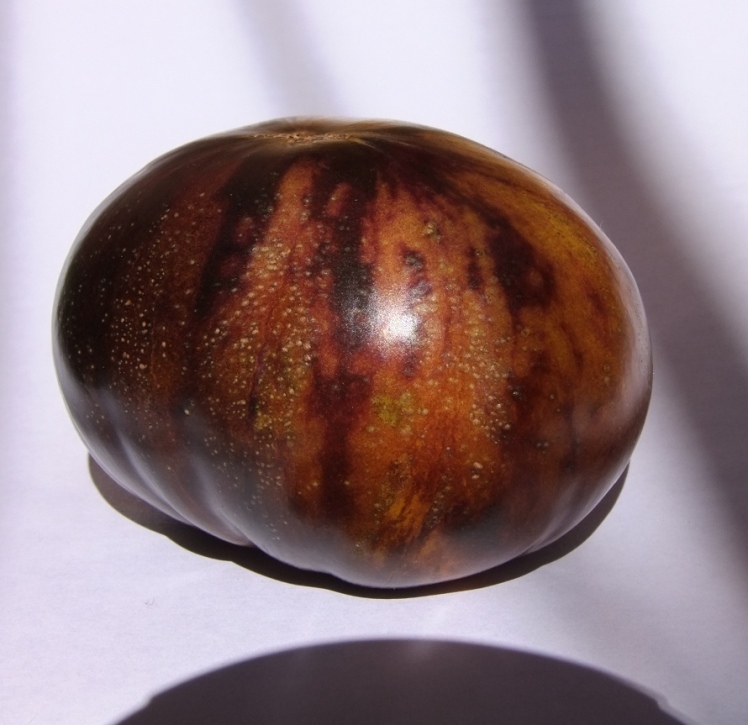
Really fell for this variety because of how gorgeous it looks. Yield was dead average, though wind snapped the main stem early in the season. I ended up hilling dirt around the break to force new roots, so that might’ve set it back, or maybe it just naturally produces like that. Honestly, varieties like this are mostly grown for eye candy anyway. Kept outdoors, the vine topped out around 3.5-4 ft (1.1-1.2 m). Fruits ran about 3.5-5 oz (100-150 g).
Edited February 4, 2016 by Drosera
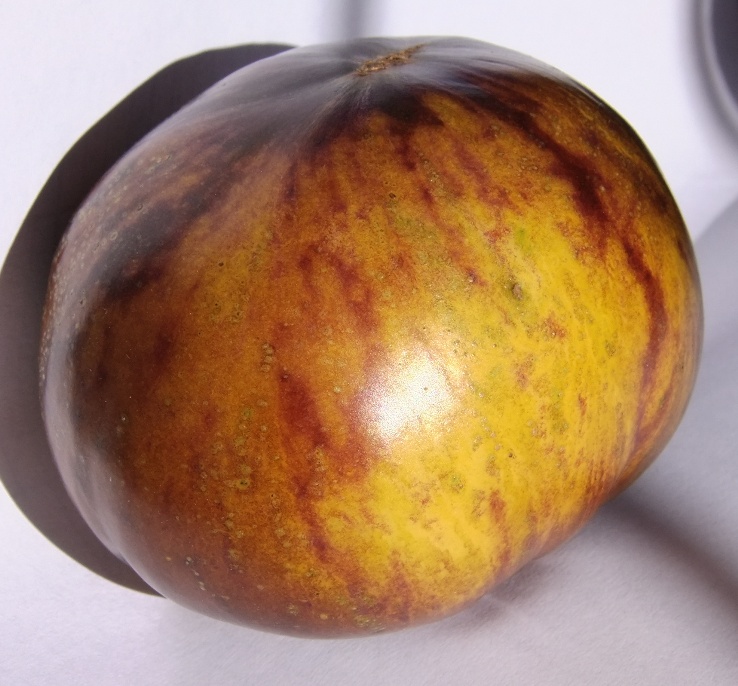
Edited February 4, 2016 by Drosera
😮 👍 👍 👍 👍
Here is the original breeder description: “Indeterminate. Round striped fruits, pale yellow with dark blue shoulders, good flavor, up to 5 oz (150 g).”
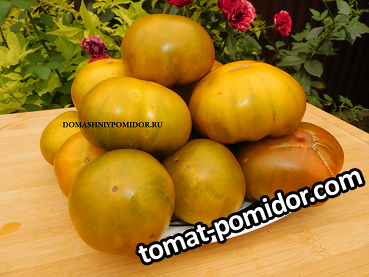
Mine turned out striking, with that deep blue crown and a bright yellow base. Kept it in the greenhouse, standard indet vine, productivity was medium. A very juicy, tasty fruit. Most averaged around 3.5 oz (100 g), though a few grew larger. Keep in mind the lighting in the shot shifts the true coloring a bit.
Edited November 10, 2015 by Drosera
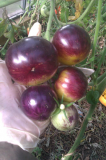
Mine turned out striking, with that deep blue crown and a bright yellow base. Kept it in the greenhouse, standard indet vine, productivity was medium. A very juicy, tasty fruit. Most averaged around 3.5 oz (100 g), though a few grew larger. Keep in mind the lighting in the shot shifts the true coloring a bit.
Edited November 10, 2015 by Drosera
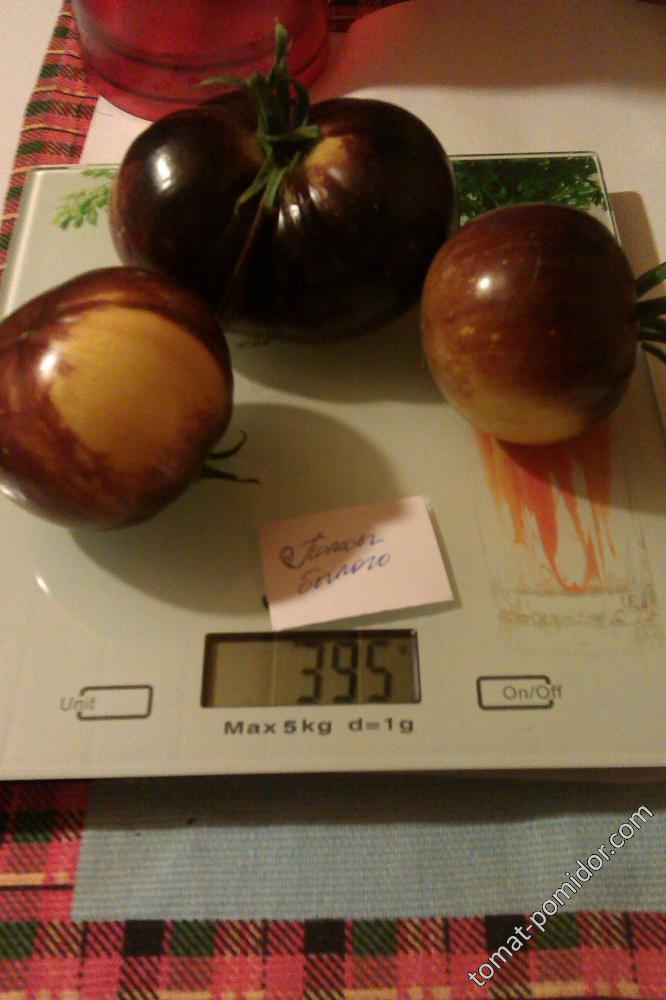
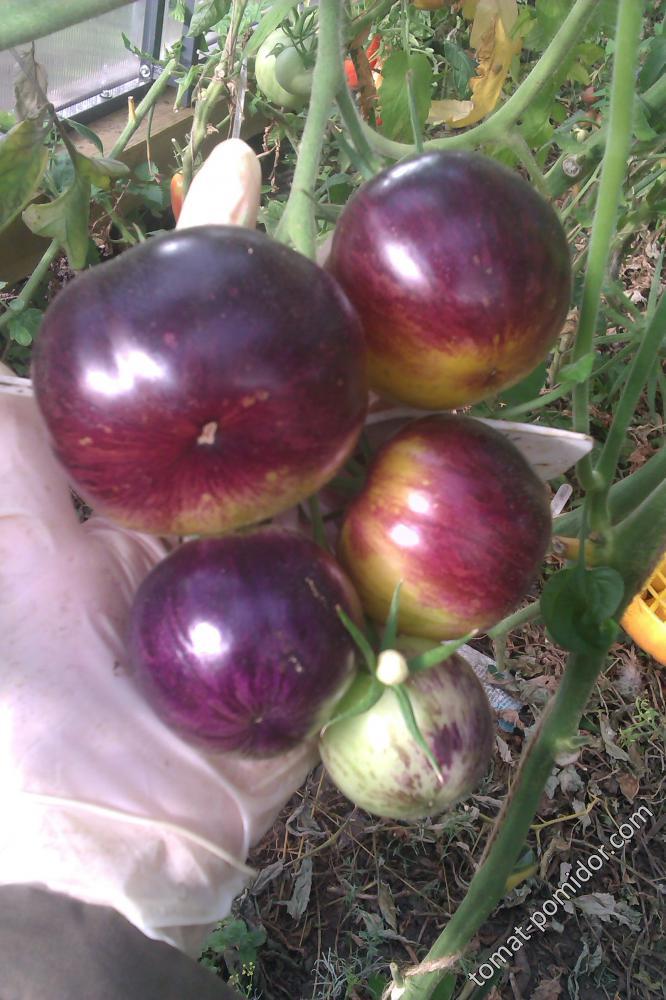
Grew mine out exposed to wind and full sun, and it definitely didn’t love those conditions. Barely threw any suckers and grew as a single stem. I’d definitely recommend running it as 2 or 3 stems, and if you are down South, give it some afternoon shade cloth since the foliage is on the sparser side. Overall, a really tasty and showy variety.
Saw photos of this tomato last season and fell head over heels! 🥰 Huge shoutout to Katya (Zhavoronok) for sharing the seeds, bless her!
Grew it outdoors in garden beds. The vine got pretty tall, right around 6 ft (1.8 m). Absolutely loaded with fruit, and gorgeous to boot. Taste on mine came out sweet and tangy. The sweetness isn’t overwhelming, but definitely noticeable. It has its own unique flavor profile going on, not spicy or anything, just distinctive. Ripened right alongside Cream Icicle (Kremovaya Sosulka), and flavor-wise they felt fairly similar to me.
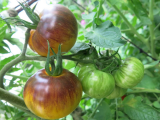
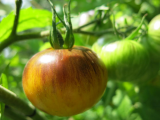
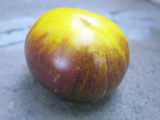
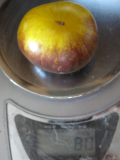
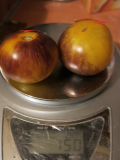
Grew it outdoors in garden beds. The vine got pretty tall, right around 6 ft (1.8 m). Absolutely loaded with fruit, and gorgeous to boot. Taste on mine came out sweet and tangy. The sweetness isn’t overwhelming, but definitely noticeable. It has its own unique flavor profile going on, not spicy or anything, just distinctive. Ripened right alongside Cream Icicle (Kremovaya Sosulka), and flavor-wise they felt fairly similar to me.
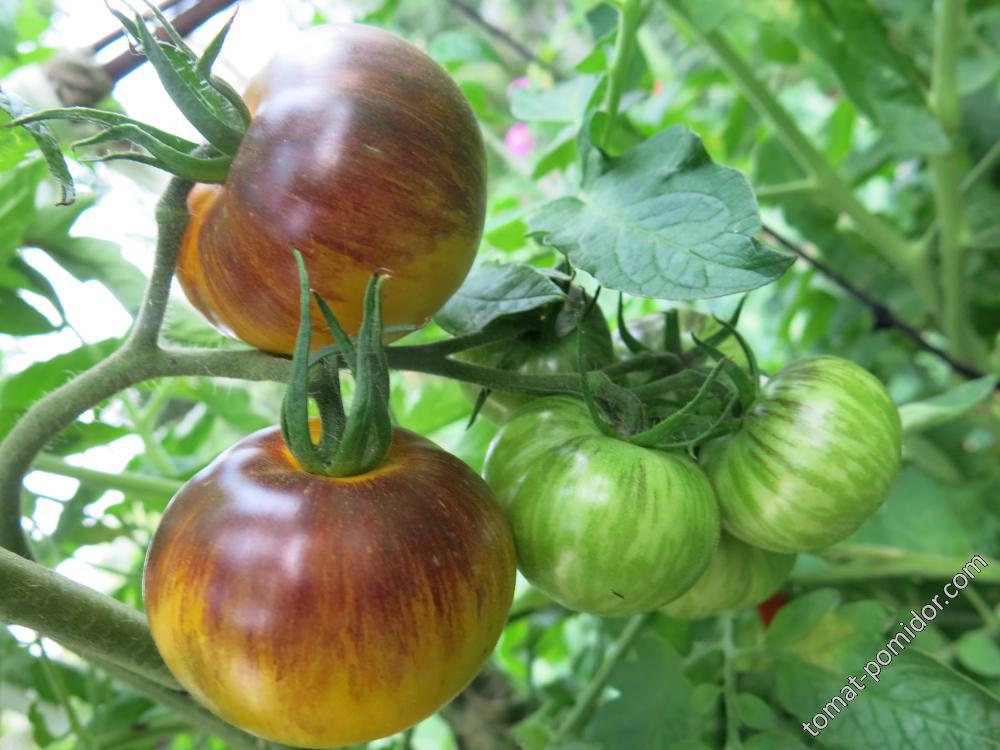

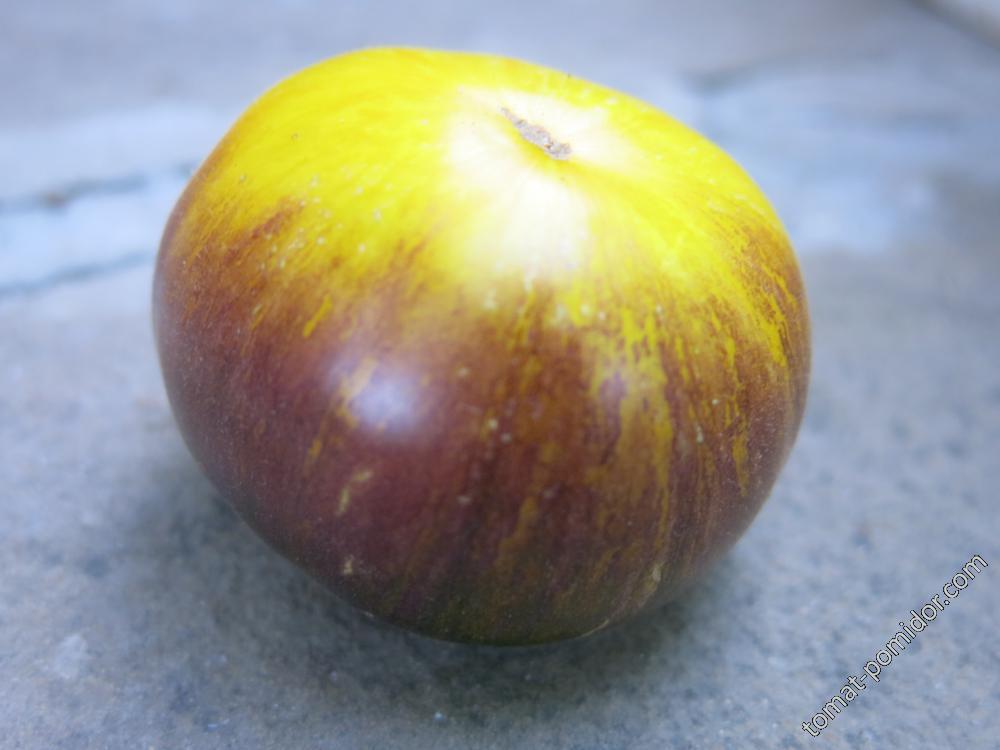
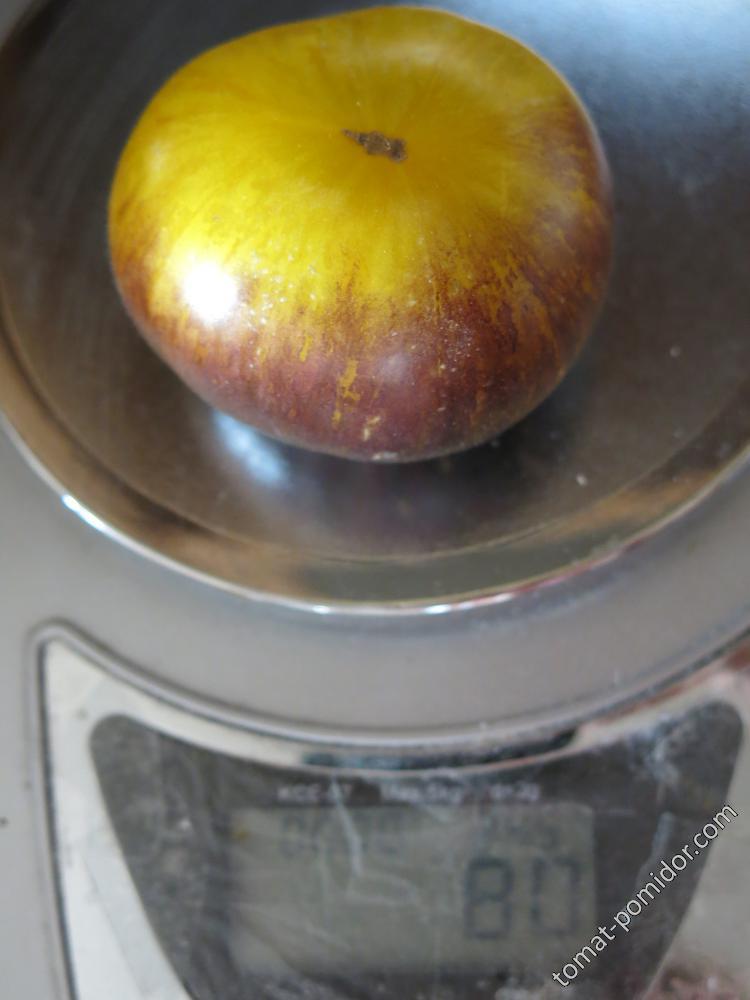

Stunning variety. In my greenhouse, the vines shot past 6.5 ft (2 m). Fruits turned out very tasty, sweet, and plenty juicy.
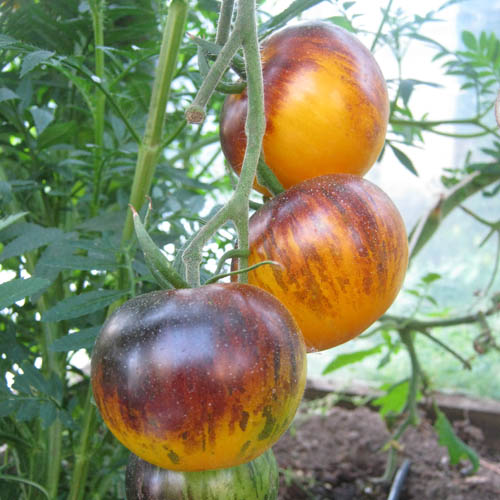
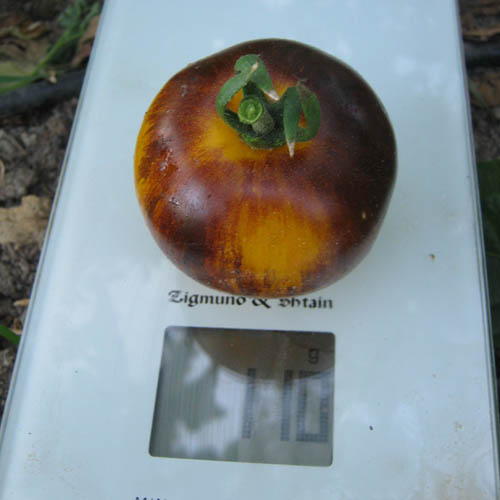
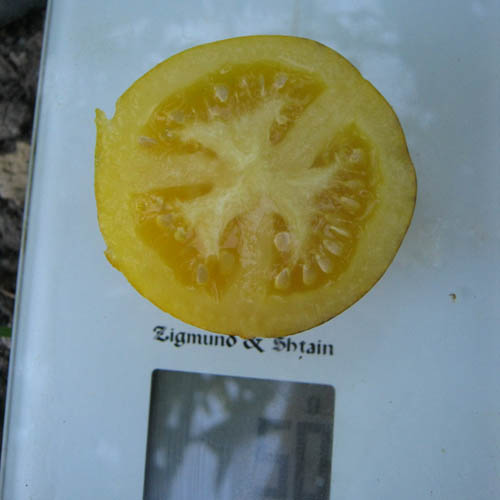
Gorgeous variety, fruits look just like little holiday ornaments. Yield was huge and kept producing right until the end. But fresh flavor was completely bland, just zero taste, no sweetness and no tang whatsoever. That was just my experience in my soil though, but I won’t be planting it again.
Well, out of the canning jar, it actually turned out surprisingly solid! Held together, skin didn’t split, tasted great, only thing is all that blue pigment vanished and they turned bright yellow in the brine.
Full Summary: Plant, Yield, Taste and Storage
- 🌿 Plant: Indeterminate vine bred by Brad Gates (Wild Boar Farms). Foliage tends to be somewhat open and wispy. Grows 3.5-4 ft (1.1-1.2 m) in open ground under harsh conditions, but easily clears 6-6.5 ft (1.8-2 m) in protected culture or mild southern gardens. Pruning to 2-3 stems is recommended. Fruits weigh 3.5-5 oz (100-150 g), featuring yellow skin with intense purple-black anthocyanin shoulders that deepen under direct sunlight.
- 📈 Yield: Moderate to heavy. Performs reliably in greenhouses across colder northern climates and pumps out fruit late into the season.
- 👅 Taste: Opinions are split. Several northern and southern growers describe it as juicy, sweet, and delightfully tangy with a distinct flavor similar to yellow paste varieties. However, in cooler, coastal, or low-sun conditions, it can turn out flat and bland fresh.
- 📦 Canning & Storage: Exceptional whole-canning tomato. The skin holds its integrity without splitting in hot brine, though the anthocyanin blue pigments bleed out in pickling vinegar, leaving the canned fruit an attractive solid yellow.
- 🌎 Who Reviewed It: Six growers covering USDA Zones 3 through 7 (Western Siberia, Moscow, Rostov-on-Don, Pyatigorsk, and Baltic Kaliningrad).
🍅 Grown Stripes of Yore? Share your zone and how it did for you in the comments below, and add your photos!
👨🌾 Editor’s Note: Anthocyanin Breakdown in Canning
Stripes of Yore was bred by California tomato breeder Brad Gates (Wild Boar Farms). As noted by Irina, canning this variety causes its signature dark blue-purple anthocyanin splash to disappear completely, leaving a bright yellow fruit in the jar. This is standard chemistry for anthocyanin-rich heirlooms: anthocyanin water-soluble pigments are unstable when subjected to prolonged heat bath processing and acidic vinegar brines, which degrades the purple pigments and allows the underlying carotenoid yellow base color to shine through.
Stripes of Yore was bred by California tomato breeder Brad Gates (Wild Boar Farms). As noted by Irina, canning this variety causes its signature dark blue-purple anthocyanin splash to disappear completely, leaving a bright yellow fruit in the jar. This is standard chemistry for anthocyanin-rich heirlooms: anthocyanin water-soluble pigments are unstable when subjected to prolonged heat bath processing and acidic vinegar brines, which degrades the purple pigments and allows the underlying carotenoid yellow base color to shine through.