📌 Quick Summary: Planting Grocery Store Shallots
- 🧅 The Supermarket Hack: Planting grocery store shallots is a great way to save money, as actual shallot “sets” from seed catalogs can be very expensive.
- 👅 Why Are They Bitter? Extreme chemical bitterness in onions (not just spicy heat) is usually the result of commercial growing conditions, specifically drought stress, high heat, or sulfur-heavy soils.
- 🌱 Will the New Crop Be Bitter? No! If you plant those bitter bulbs in your own garden with balanced soil and regular watering, the resulting harvest will taste perfectly normal.
- 🧪 The Root Test: Always test store-bought bulbs in water first. Commercial onions are often sprayed with sprout inhibitors to extend shelf life. If they don’t push out roots in a glass of water, they won’t grow in the dirt.
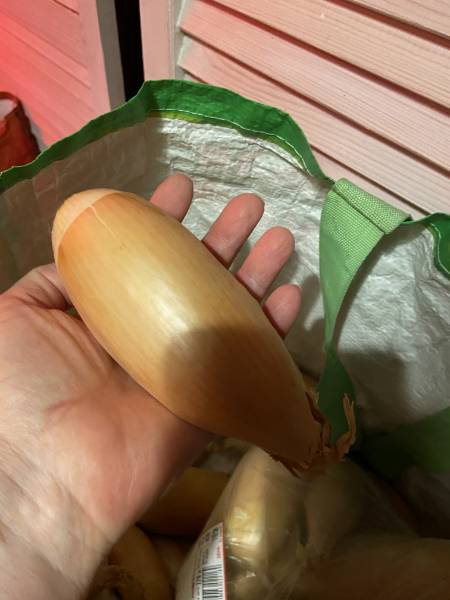
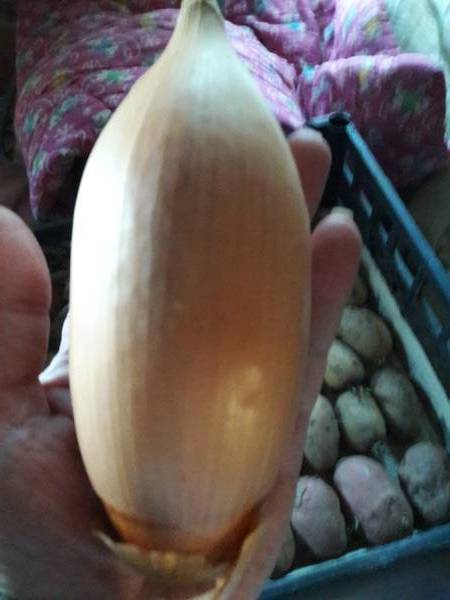
Look at these onions I bought at the grocery store today. The tag said “Shallots”, and they were the same exact price as regular yellow onions! Naturally, I dug through the bin and picked out a bunch of the smaller bulbs so I could plant them as sets.They look absolutely gorgeous, I’ve never seen shallots this nice. I was so excited to propagate them that I even put them near the radiator to keep them warm so they wouldn’t bolt (since I have no idea what temperature they were stored at commercially).
I was thrilled right up until I completely ruined dinner with them. 😭
I was making Satsivi (a traditional walnut sauce), and when I tasted it, it was unbelievably bitter, like someone added quinine or wormwood to it. This shallot isn’t just spicy or pungent, it is chemically bitter.
Now I don’t know what to do. Should I even plant these? Commercial farmers aren’t stupid, they wouldn’t grow an onion that is physically impossible to eat. Did they just completely over-fertilize them? Is that even possible? They were selling them on a massive discount, and now I know why.
Nina, don’t rush to plant them in the dirt just yet. Take a few of them and try to sprout them in a glass of water first. Will they even push out roots?As for the bitterness, that isn’t from fertilizer. It is almost certainly from the growing conditions they experienced in the commercial fields.
Aleksan9ra (Ludmila) wrote:
Take a few of them and try to sprout them in a glass of water first. Will they even push out roots?
I sliced the dried basal plate off one of them and put it in a container with a lid. A few tiny little roots just started to appear, but not many. I need to actually put them in a glass of water like you said to really test them. Thank you for the advice!
I already planted that exact same batch! I bought them at Lenta (a supermarket chain), and they rooted for me just fine. I didn’t actually try eating them though.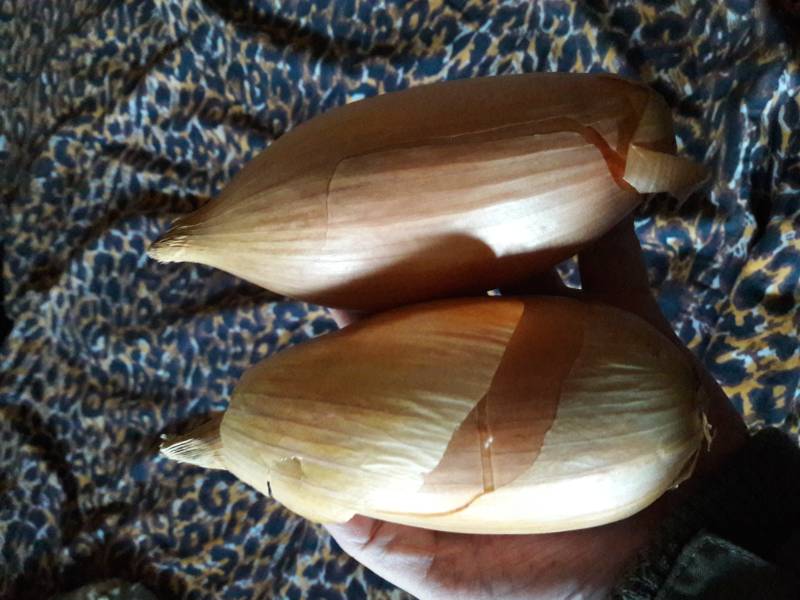
There is some fantastic advanced gardening knowledge hidden in this thread! Let’s unpack what Nina and Ludmila are talking about:
1. The Root Test & Sprout Inhibitors: Ludmila was incredibly smart to tell Nina to test the bulbs in water first. In commercial agriculture (especially in the US), conventional onions and potatoes are often sprayed with a chemical called Maleic hydrazide shortly before harvest. This acts as a sprout inhibitor, keeping the onions dormant on the grocery store shelves for months. If you try to plant treated onions, they will simply rot in the dirt. If they push out healthy white roots in a glass of water, you are safe to plant them!
2. Why are they bitter? Galina guessed fertilizer, but Ludmila was right: it’s environmental stress. Onions get their pungent flavor from sulfur compounds in the soil. When commercial onion fields experience severe drought or extreme heat, the water content inside the bulb drops, causing those sulfur compounds (pyruvates) to become hyper-concentrated. The result is a bulb that tastes violently bitter.
3. The Radiator Trick: Nina mentions she put her store-bought bulbs near a hot radiator so they wouldn’t “bolt” (go to seed). Onions are biennials. If they are stored in cold commercial refrigerators (between 35°F and 50°F / 2°C–10°C), it triggers vernalization. The bulb thinks it has lived through winter, and as soon as you plant it, it will shoot up a flower stalk instead of splitting and multiplying. By keeping the bulbs hot (above 75°F / 24°C) for a few weeks before planting, Nina is trying to reverse the vernalization process so they produce edible shallots instead of flowers!