📌 Quick Summary (TL;DR): Rescuing Spring Cucumbers
- 🥶 The Cold Soil Trap: Cucumbers absolutely despise cold, waterlogged soil. If transplanted too early into wet ground, their roots will rot, the leaves will turn pale, and the plant will stop growing completely (stunted).
- ✂️ Pruning for Survival: If a cucumber is stunted but trying to flower, you MUST pinch off all blossoms and baby cucumbers on the first 5 nodes. The plant needs to spend its energy surviving, not fruiting.
- 🚑 The Stem-Burial Hack: If the roots are damaged, you can lower the cucumber vine, lay the bare lower stem in a shallow trench, and bury it with compost. Cucumbers (like tomatoes) will grow new adventitious roots from the buried stem!
- 🔥 The “Hot Bed” Mistake: Cucumbers thrive when planted over a trench filled with decomposing grass, hay, or leaves. As the organic matter breaks down, it creates bottom heat, keeping the roots warm even in cold springs.
Aleksan9ra (Ludmila) wrote:
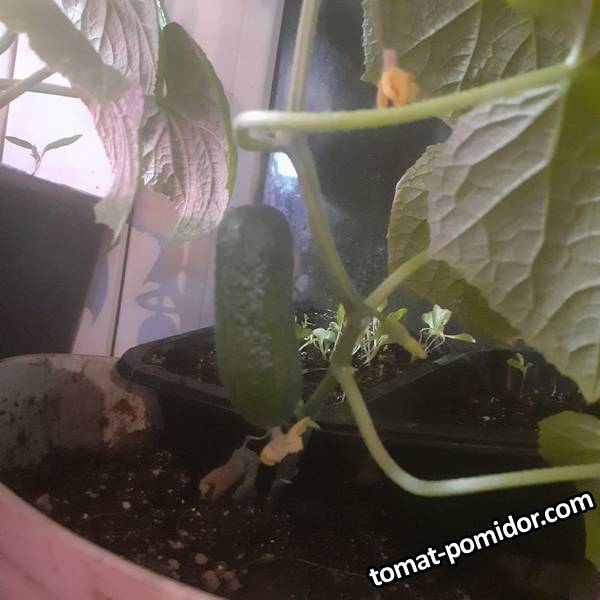
My first two greenhouse cucumbers are already flowering. I know I should pinch off those early blossoms, but it’s just such a pity!
That is literally all I am doing right now-pinching off baby cucumbers and blossoms! 😭
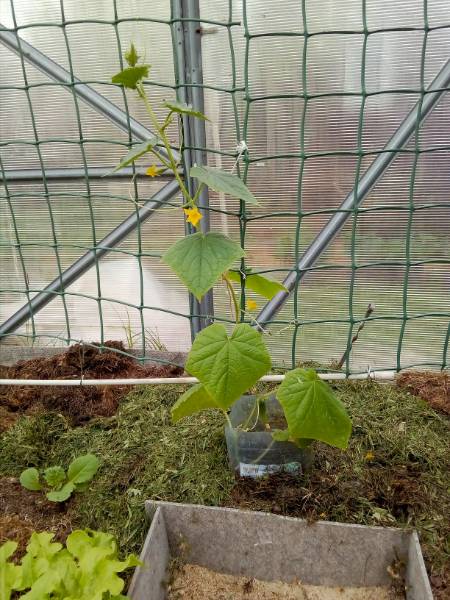
The new leaves growing on them are much smaller than the ones they grew indoors, and while they are dark green, it is painfully obvious that the roots aren’t working properly and the plants are sick. These new leaves are barely growing. I didn’t have this problem last year; I planted them in the greenhouse even earlier, and they didn’t even notice the transplant.
My early cucumbers are doing terribly this year, too. They just look dead-spindly, thin, and wilting. I already pinched off the blossoms on the first five nodes, but the vines still have no vigor. I was thinking about planting backups to replace them, but I keep procrastinating. I’ll sow them tomorrow. If these 6 original plants don’t recover, I’m throwing them out.
To be honest, this is the first year I didn’t build a “featherbed” (a hot bed made of decomposing grass, hay, and leaves) under the cucumber roots. I decided to experiment without it. That is most likely the reason they are failing. Even the newly sown seeds are stalling-they are just sitting there with their cotyledons, in no rush to push out true leaves.
Oh, I forgot to mention! I finally set up my drip irrigation and watered all my suffering tomato plants. It hit 93°F (34°C) outside the city today… 🥵
And one more thing… I re-read some agronomy books carefully. The experts specifically state that withholding water from seedlings after transplanting stimulates generative growth (stress flowering). And I’ve already noticed it-some of my dry tomato bushes are suddenly covered in flowers. So I panicked and watered them immediately! 💦
Russi (Anna) wrote:
…it is painfully obvious that the roots aren’t working properly and the plants are sick.
Anya! Those are your main crop cucumbers, so of course you need to pinch them and do everything by the book to save them. As for mine, if they fail, I’ll just harvest the first couple of early cucumbers off them and throw the vines away. I already have backup seedlings growing nearby, plus 14 more planted out in the open garden.
I had a situation like yours once: I planted too early, it was freezing, and the cucumber was wilting badly. Here is my rescue hack: I watered it a few times with a Hydrogen Peroxide solution, then I untied the vine, lowered it, pinched off the lower leaves, laid the bare stem down into a shallow trench, and buried it with rich compost. It grew new roots.
But honestly, there’s usually little hope for cucumbers once they get that stunted. It’s better to just sow new seeds. 🌱
Aleksan9ra (Ludmila) wrote:
But honestly, there’s usually little hope for cucumbers once they get that stunted. It’s better to just sow new seeds.
You are right, there will probably be little use coming from them. Today I dug two of them up – the roots were totally diseased and rotted. I sowed a couple more pre-germinated seeds to replace them. I left one of the original sick ones in the ground, though… I still have a tiny bit of hope for it. The reason for the failure is obvious to me now: the soil was just way too wet and cold. 🌧️🧊
Valtwelve (Valery) wrote:
So I panicked and watered them immediately!
Man, you flip-flop fast… One minute you’re listening to one crowd, the next minute you’re listening to the other… 😂
I think the most interesting thing for everyone on the forum is always the pictures. So, I figured I’d brighten up the tough working days of our gardeners! 👏
It looks like I successfully revived the cucumbers! I should be harvesting the very first one tomorrow.
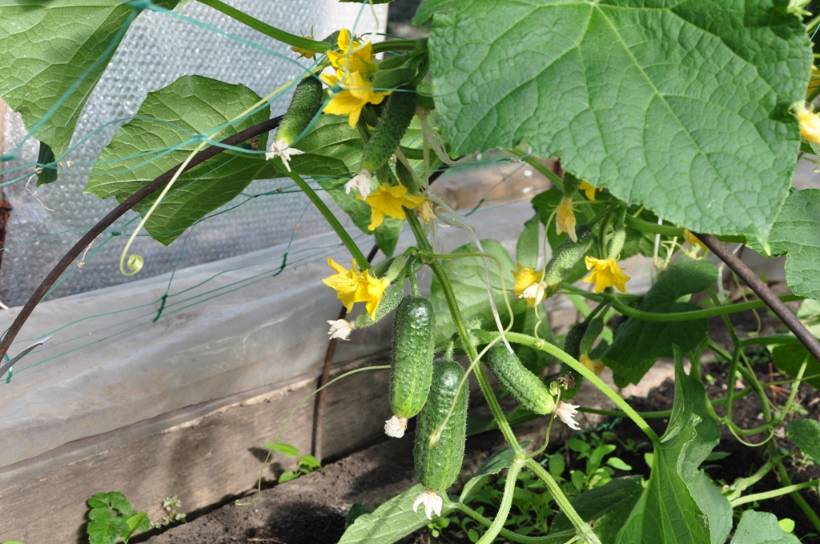
The tomatoes are looking beautiful, too. They finally took off after I started fertilizing them.
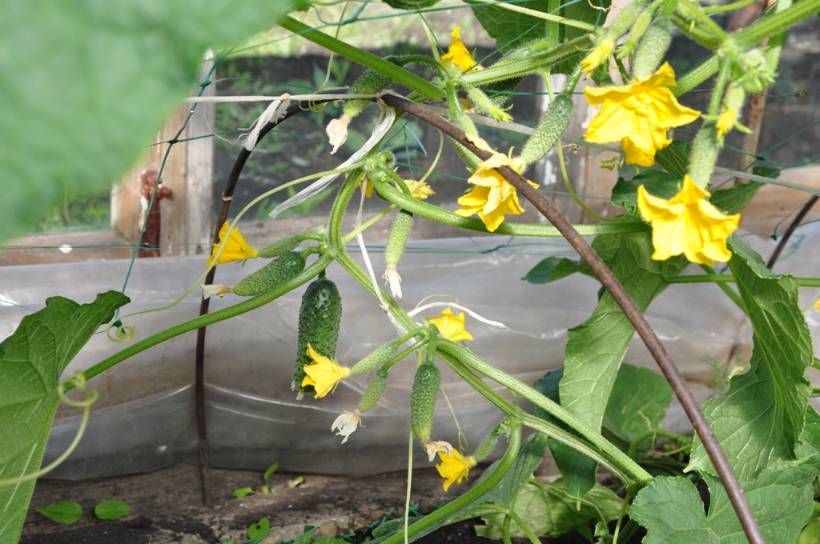
And look who is playing hide-and-seek here-could it be the Bull’s Heart (Bychye Serdtse) tomatoes setting fruit?
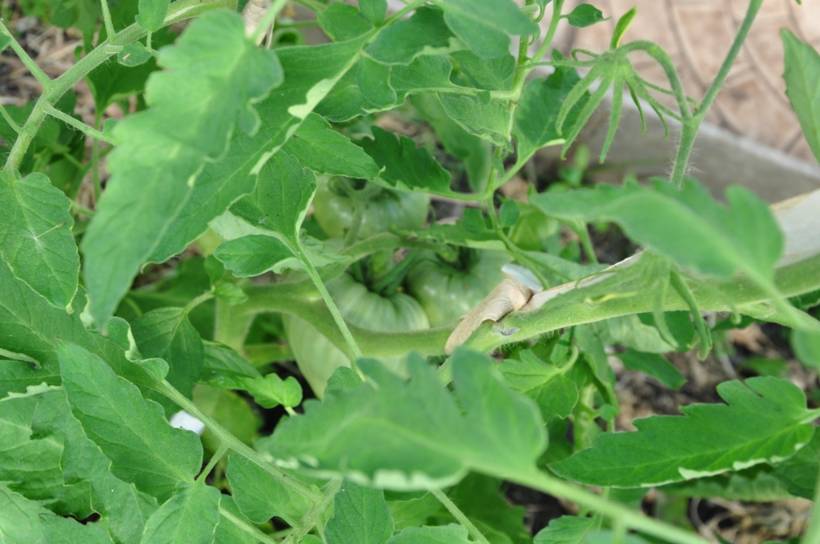
My favorites didn’t let me down either. Looks like I’ll have a good harvest of Everett’s Rusty Oxheart! 🍅
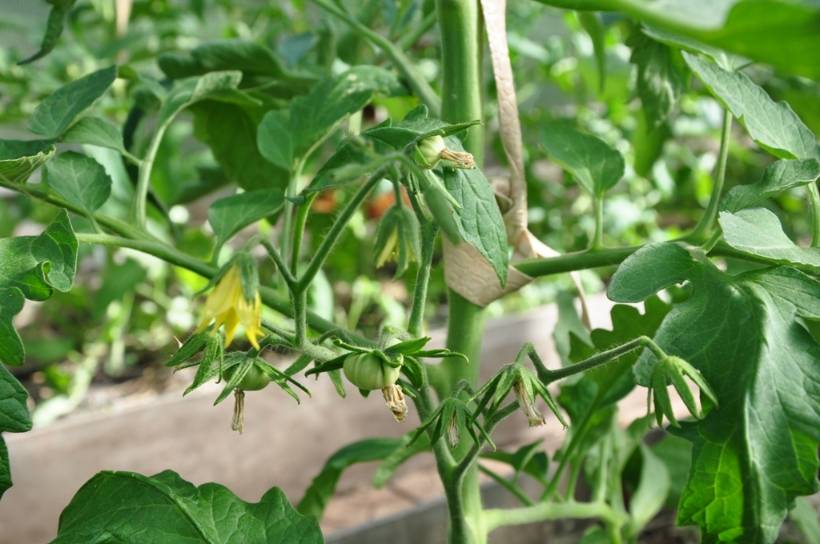
Valera, thank you! Your photos are a joy to look at! I need to take some pictures tomorrow to show what has grown in my garden.
Honestly, everything is growing very slowly this year. I have very few fruit sets on the tomatoes so far. The nights have only just started getting warmer, and now everything is finally starting to take off. It was very muggy and humid today, but we barely got any rain. It sprinkled a tiny bit twice – just enough to freshen up the soil and make the weeds grow even faster! 🌿🙄
🇺🇸 Editor’s Gardening Hacks Explained:
- The Cucumber “Featherbed” (Hot Bed): Valery mentions failing because he didn’t build a “featherbed.” In cold climates, experienced gardeners dig a trench where cucumbers will be planted, fill it with fresh grass clippings and hay, and cover it with soil. As the grass decomposes, it releases heat (just like a compost pile), keeping the cucumber roots warm from below even if the air is freezing.
- Burying the Cucumber Stem: Ludmila’s rescue hack is brilliant. Just like tomatoes, cucumbers can grow roots out of their main stem. If the original root system rots from cold wet soil, you can lay the vine down, bury the bare nodes in dry compost, and the plant will grow a brand-new, healthy root system!
- Hydrogen Peroxide for Root Rot: Watering with a diluted Hydrogen Peroxide (H2O2) solution adds extra oxygen to waterlogged soil, suffocating the anaerobic bacteria that cause root rot.