📌 Quick Summary (TL;DR): Woterhorn (Waterhorn)
- 🌍 Origin & Naming Mystery: A rare bicolor heirloom circulating among Eastern European collectors. Due to hand-written seed trades, the name has morphed across various forums into WoterNhorn, WAterNhorn, WOterhorn, and WAterhorn.
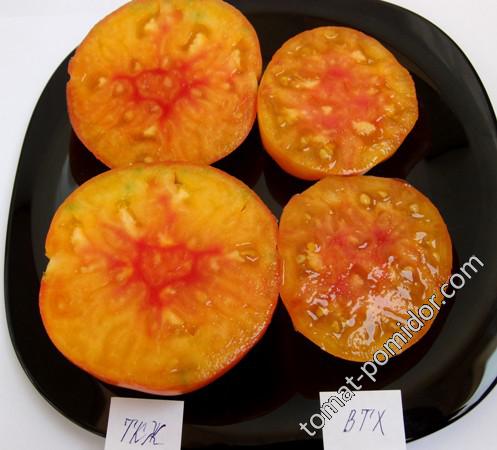
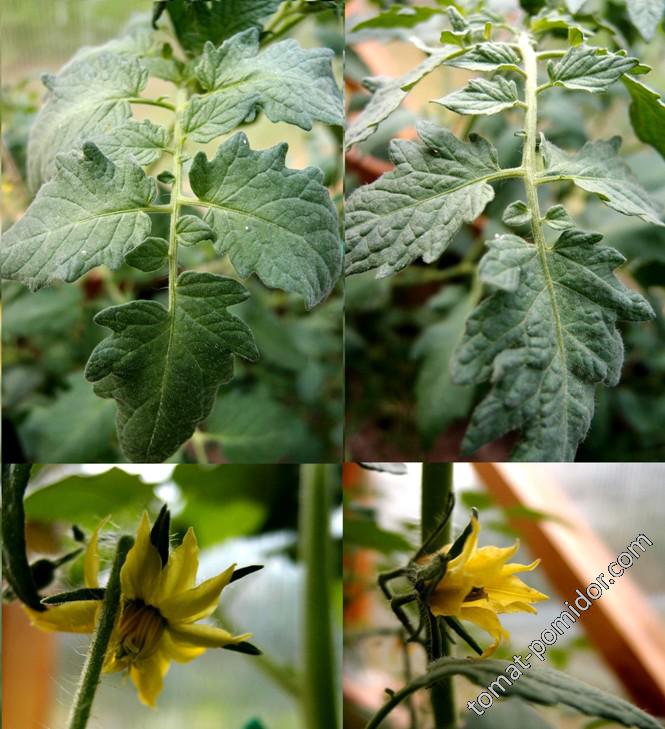
- 🧬 Genetics (Is it Tuxhorn?): Many growers suspected this was just a misnamed clone of the famous Tuxhorn’s Red and Yellow. However, growers in this thread ran side-by-side grow-outs and concluded they are distinct varieties: Waterhorn has different leaf structures, different flower shapes, and produces more oval-shaped beefsteaks with heavier yellow marbling compared to Tuxhorn’s rounder, redder fruits.
- 🌿 Plant Habit: Indeterminate (tall). The vine is slender but not totally wimpy/wispy.
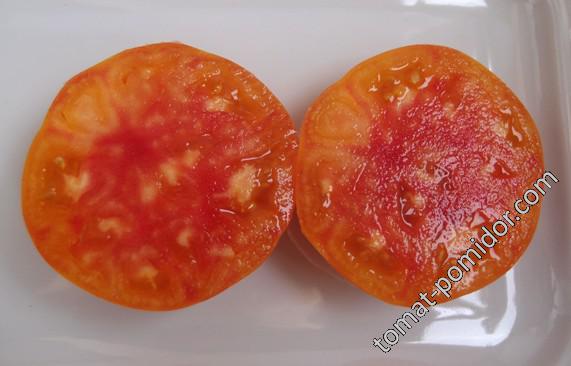
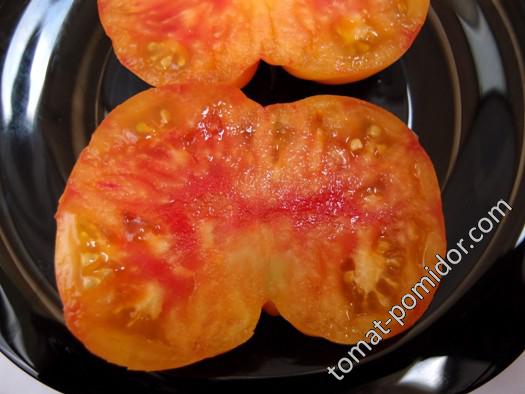
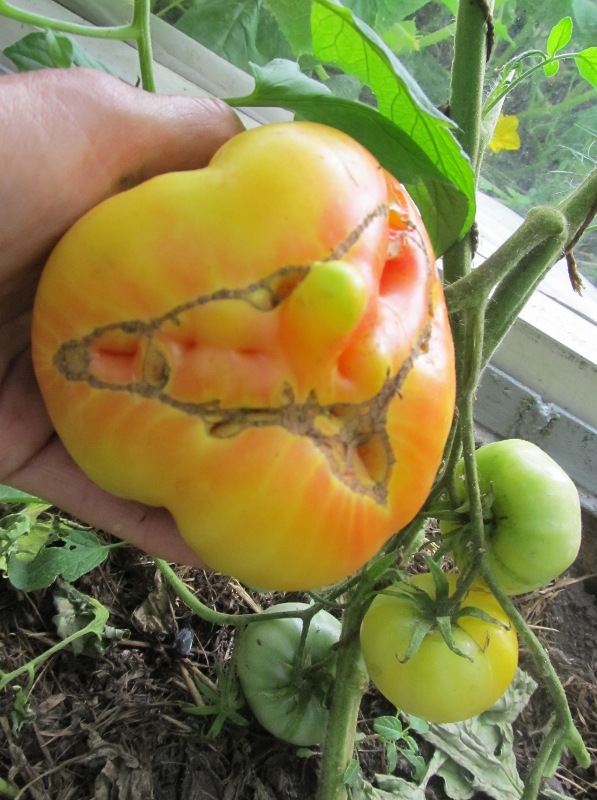
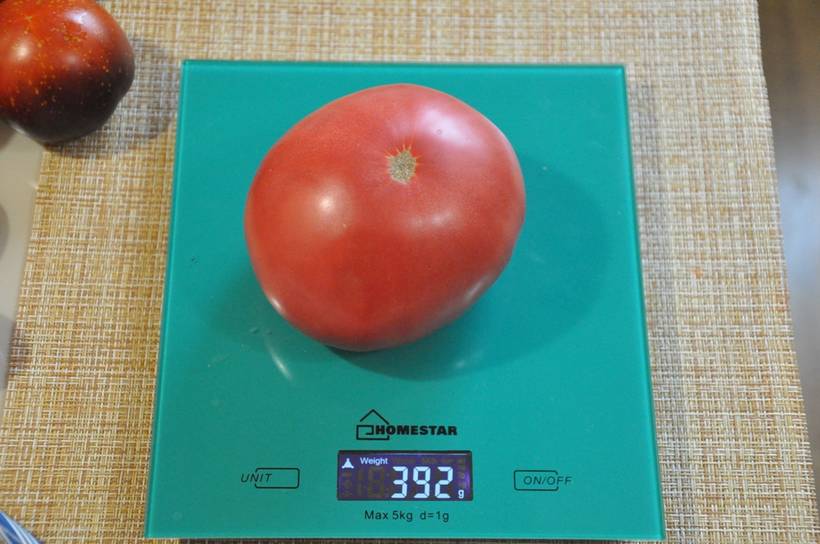
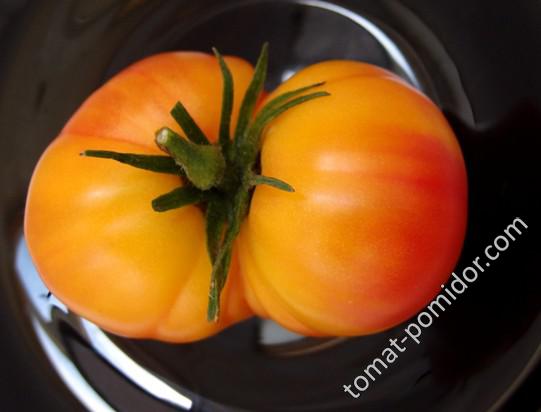
- 🍅 Fruit Characteristics: Gorgeous yellow and red bicolor beefsteaks, often taking on a slightly oval shape.
- 👅 Flavor Warning: The taste is highly dependent on fertilizer and pruning. When balanced, it is exceptionally sweet and delicious. If you over-prune the leaves or skimp on feeding, the flavor can quickly become bland and watery.
This variety goes by a few names, they vary slightly across different forums: WOterNhorn, WAterNhorn, WOterhorn, WAterhorn.
During the winter, we were discussing whether this was actually an identical twin/duplicate of the variety Tuxhorn’s Red and Yellow.
I conducted my own little investigation and grew them out, and I really do think these are two different varieties. The leaves are slightly different, and the flowers are different too:
(Left is Woterhorn, right is Tuxhorn)
For Woterhorn, the fruits varied in shape, mostly forming oval-shaped beefsteaks, whereas for Tuxhorn’s Red and Yellow, all the fruits were perfectly round. In terms of color, Woterhorn was predominantly yellow (only the very last fruit on the vine had more red in it). Tuxhorn’s Red and Yellow had much more red in it compared to Woterhorn.
About Woterhorn (Waterhorn): Indeterminate variety, the bush type is slender, but not totally wimpy. The taste of the fruits fluctuated all summer—from exceptionally delicious and sweet, to slightly bland. Meaning, this variety is highly dependent on fertilizer/feeding. Plus, I ruthlessly stripped and pruned the leaves off the bush, which I really shouldn’t have done; it threw the plant’s nutrient balance completely out of whack.
I will absolutely be planting this variety again.
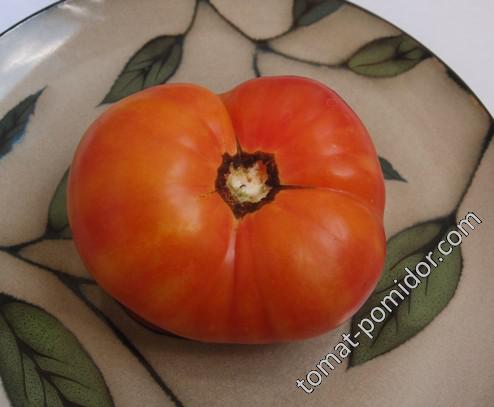
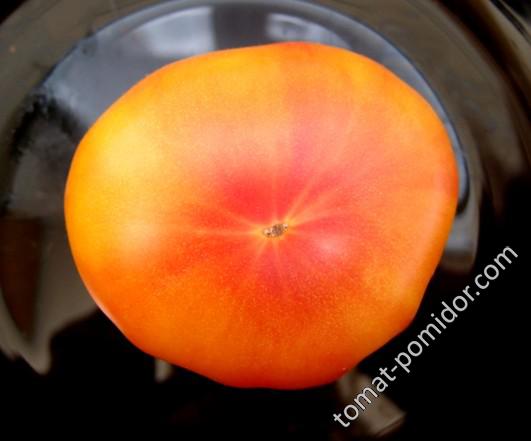
Woterhorn (Waterhorn)
Tuxhorn vs Woterhorn