📌 Quick Summary: Fixing Stalled Baby Cucumbers in Cold Soil
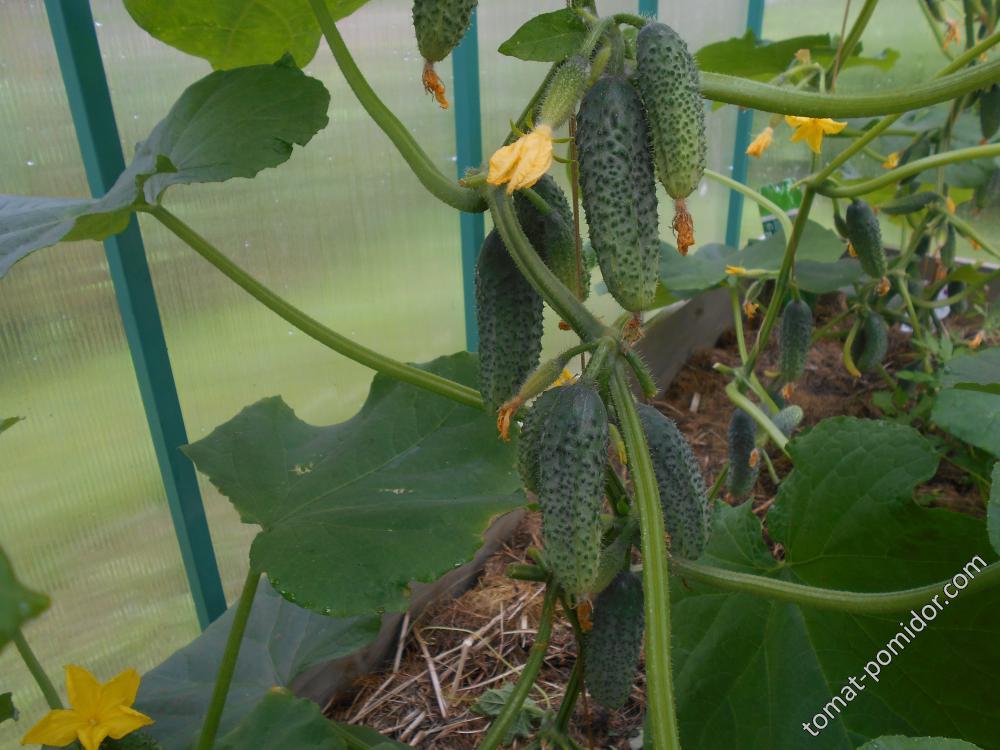
- 🥒 The Stalling Problem: When outdoor cucumber vines set tiny fruit that refuse to size up, it is almost always a root issue caused by cold, soggy soil or extreme spring temperature swings.
- ⛰️ The “Ridge Method” Fix: To combat cold outdoor soil, plant cucumbers on a 4-inch (10 cm) raised ridge down the center of your bed. Water only the trenches below. This elevates the roots into the warmest part of the soil and keeps the main stem dry.
- 🌱 Plant Young: Don’t wait too long to transplant cucumbers! Move them to the garden when they only have their cotyledons (seed leaves) and just one true leaf starting to push out so they adapt faster to the soil.
Photo author: Aniuta.
I think we are getting way more rain now, plus massive temperature swings, and the root systems just can’t handle it. If it wasn’t for that, I wouldn’t even bother messing with grafting.
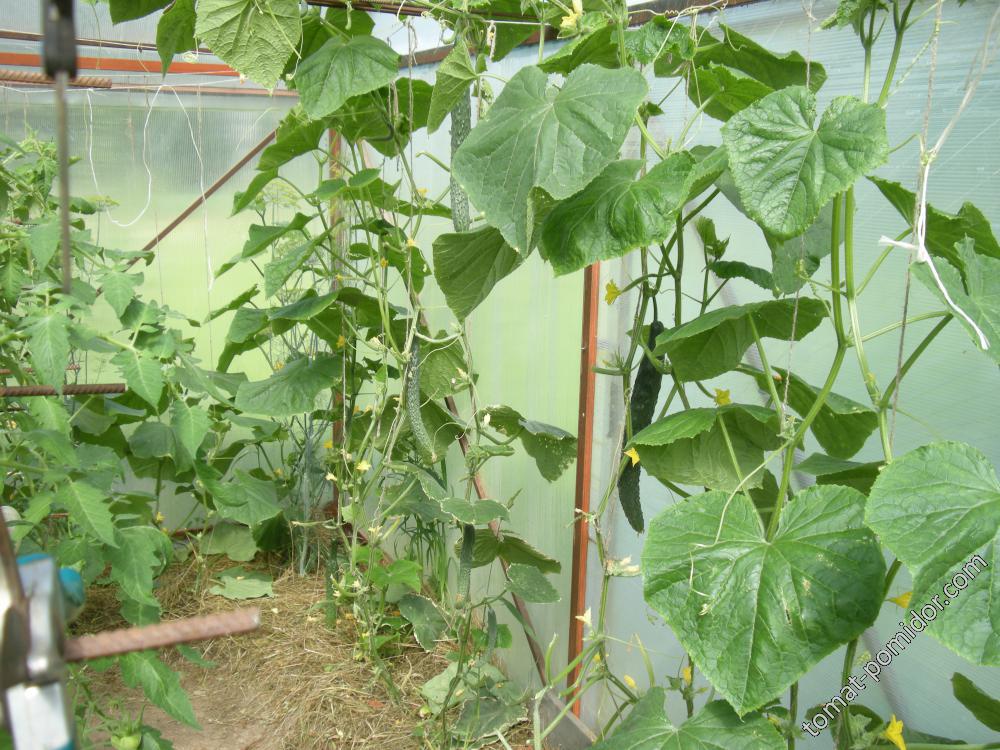
If the greenhouse ones get sick, it usually happens around July, and I just yank them out. Outside, I let them sprawl on the ground. Even when they eventually catch a disease, the process is slow enough that they keep producing right up until fall, as long as I planted them out early enough.
Mine grow vertically up strings. I plant them 12 inches (30 cm) apart in a single row, and I feed them once a week, alternating between a balanced fertilizer and MKP (Monopotassium phosphate)*.
My permanent raised beds are 3 ft wide by 20 ft long (1×6 m). They are hard to modify because they were left by the previous owners, reinforced with rebar, with gravel paths between them. I fill the beds with grass and compost. I plant different hybrid varieties. I put the hoops over them, run strings between the hoops, and carefully weave the vines through. I transplant when they have 2 true leaves, and I plant them in a double staggered row. Should I only be doing a single row?
Here is how I plant them outdoors to keep the roots warm:
I use a narrow bed, about 2 ft (60 cm) wide, in the sunniest spot. In the fall, I bury all sorts of organic matter in it. Right before planting the seedlings, I pull the soil up down the center of the bed into a small ridge and flatten the top. It basically looks like a little trapezoid-shaped ridge sitting on top of the bed, about 4 inches (10 cm) high.
I plant the seedlings directly into that top ridge. I fit about 12 plants in a 23 ft (7 m) bed. This ridge setup is amazing because the seedling sits at the very highest, warmest point in the soil. If the seedling is leggy, you can easily bury the stem deeper into the ridge.
The best part? You only water the trenches at the base of the ridge. That means the main stem stays completely dry, and you never get root rot!
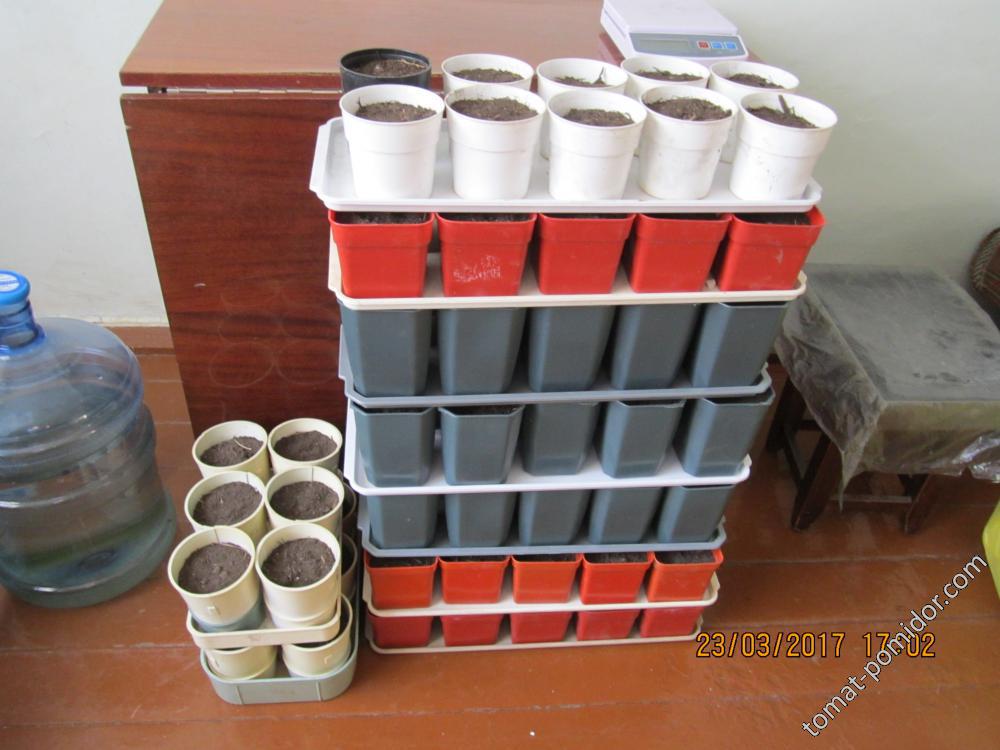
Also, your seedlings must be very young! They should only have their two cotyledons and the very first true leaf just starting to grow. Start them in small pots no deeper than 2.5 to 3 inches (6-8 cm) so the root ball doesn’t get planted too deep into the cold soil. And I only buy parthenocarpic hybrids!
*MKP (Monopotassium Phosphate): Elena mentions feeding her cucumbers with MKP. In the US, MKP is a highly soluble fertilizer with a ratio of 0-52-34 (Zero Nitrogen, incredibly high Phosphorus and Potassium). Commercial growers use it specifically to stop vegetative growth (leaves and vines) and force the plant to push all its energy into developing and sizing up fruit. For home gardeners, you can find pure MKP online, or use a high-quality liquid bloom booster like Alaska Morbloom (0-10-10) or FoxFarm Tiger Bloom when your cucumber vines are setting fruit but struggling to size them up!Also, Ludmila’s advice to only buy Parthenocarpic hybrids is crucial for both greenhouse growers and those using row covers. Parthenocarpic cucumbers (like ‘Beit Alpha’ or ‘Socrates’) do not require bee pollination to set fruit. If you keep standard cucumbers completely covered with frost blankets to fight cold soil, you will get zero harvest because the pollinators can’t reach the flowers!