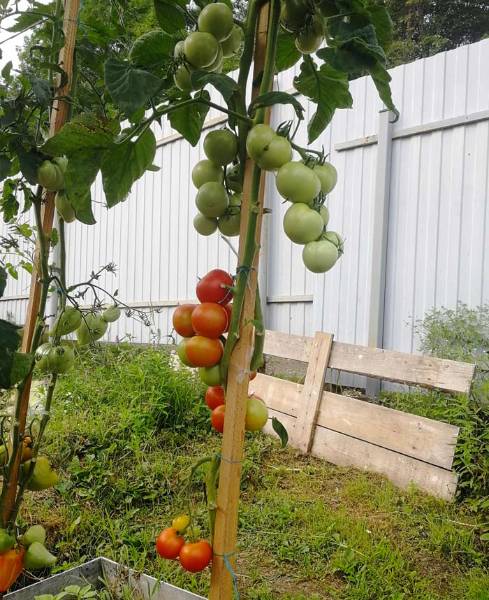
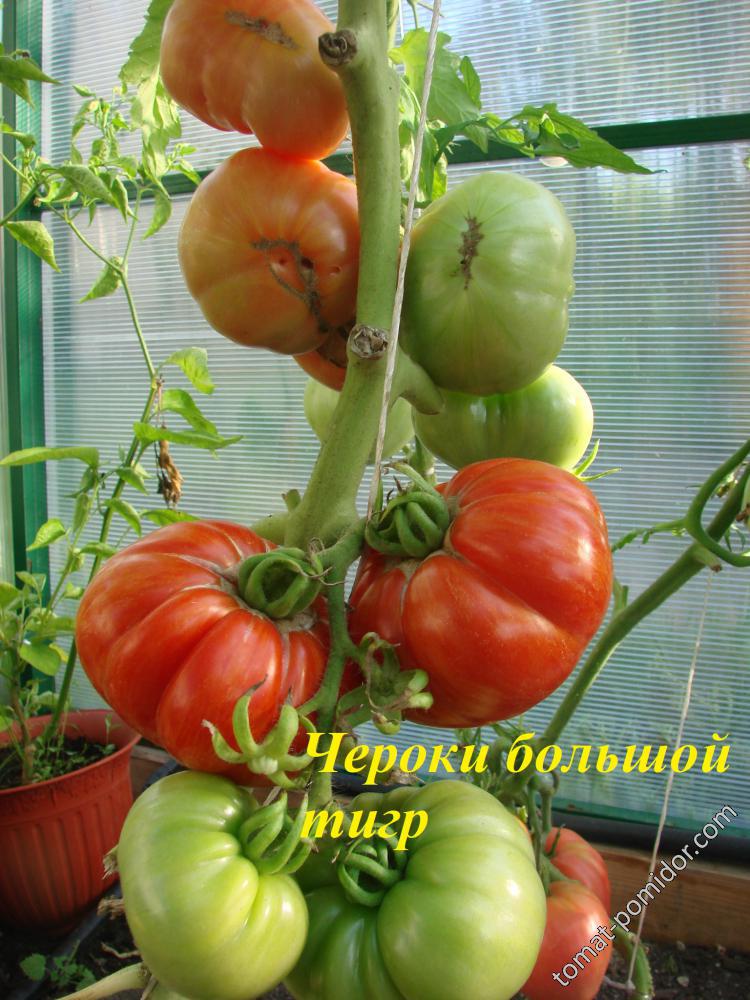
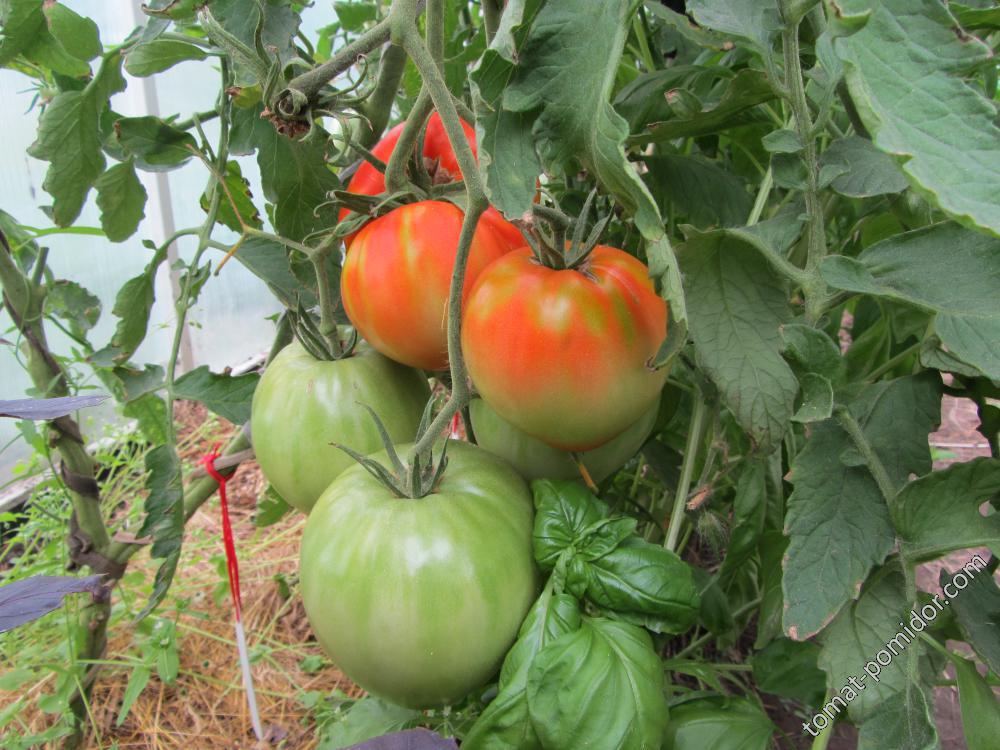
📌 Quick Summary (TL;DR): Zemlyak (Countryman)
- 🌍 Origin: A commercial Russian variety released by the Siberian Garden (SibSad) seed company. The name “Zemlyak” translates to “Countryman” or “Fellow Countryman”.
- 🌿 Plant Habit: Determinate (bush). It has a very wide, sprawling growth habit. It requires virtually no maintenance and can be grown without pruning (suckering).
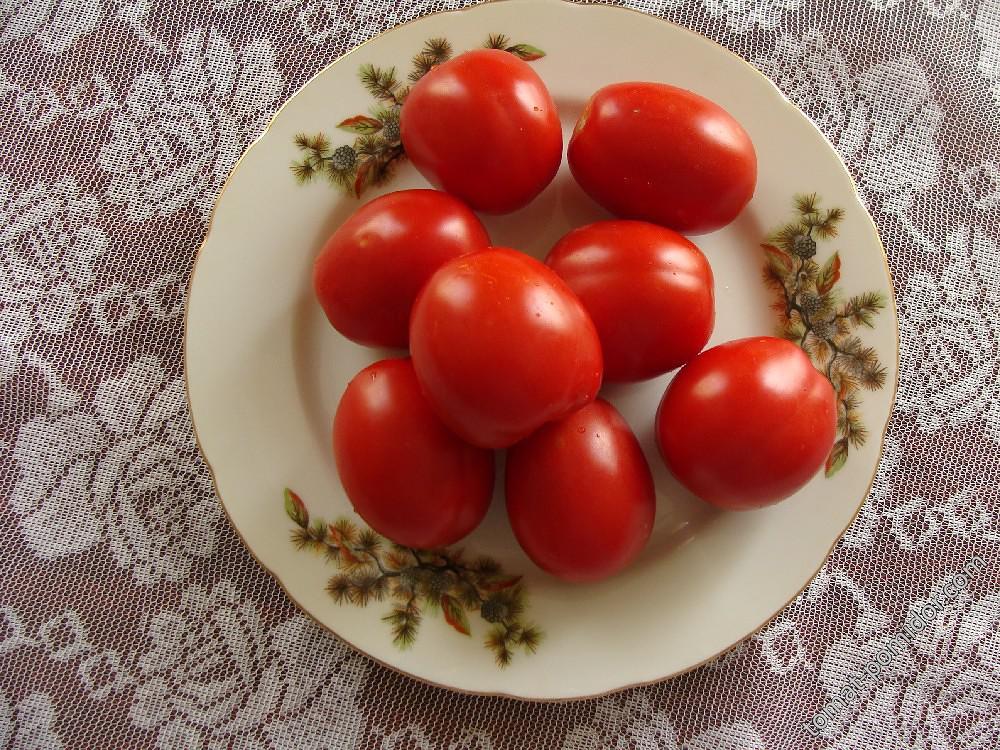
- 🍅 Fruit Characteristics: Small, red, plum-shaped tomatoes weighing up to 3.5 oz (100 g). The skin is noticeably thick and tough.
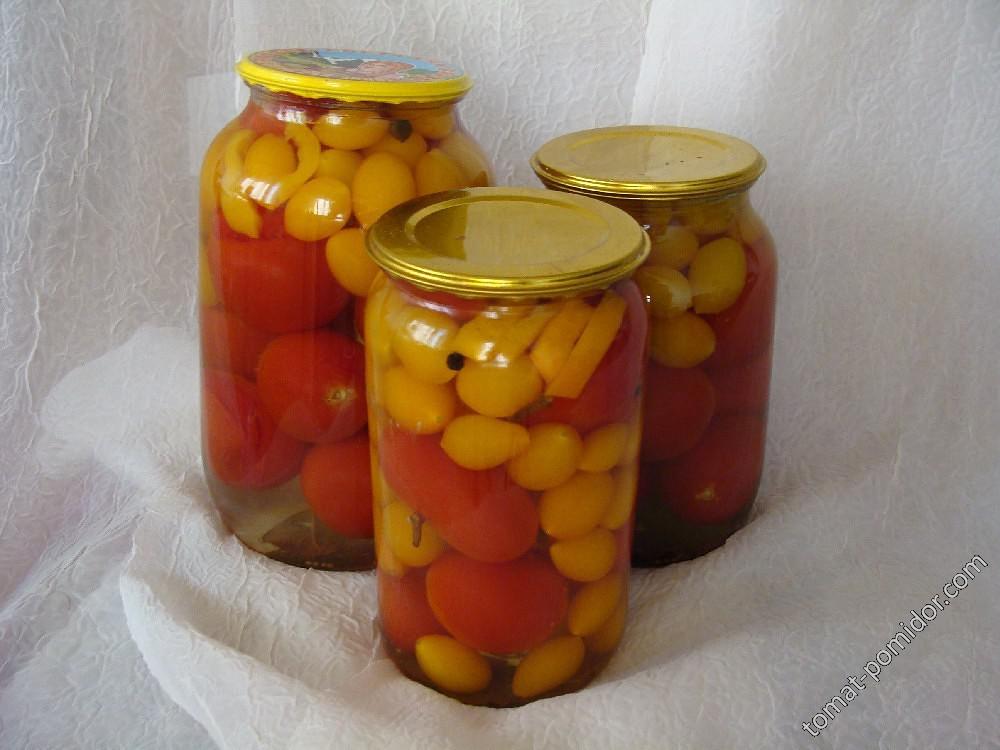
- 👅 Flavor: The fresh-eating flavor is generally considered mediocre or bland. However, its firm texture and tough skin make it a fantastic utility tomato for whole-fruit canning.
- ☀️ Climate Note: Bred for cold Siberian summers, this variety struggles in extreme heat and is prone to dropping its blossoms when temperatures spike.
I grew the Zemlyak variety in 2012. Seeds were from Siberian Garden. It grew outdoors in the dirt. It’s a completely low-maintenance determinate, and I didn’t prune out any suckers. The variety is a heavy yielder, with fruits weighing up to 3.5 oz (100 g). I honestly didn’t like the taste fresh, so I just threw all of them into canning jars.
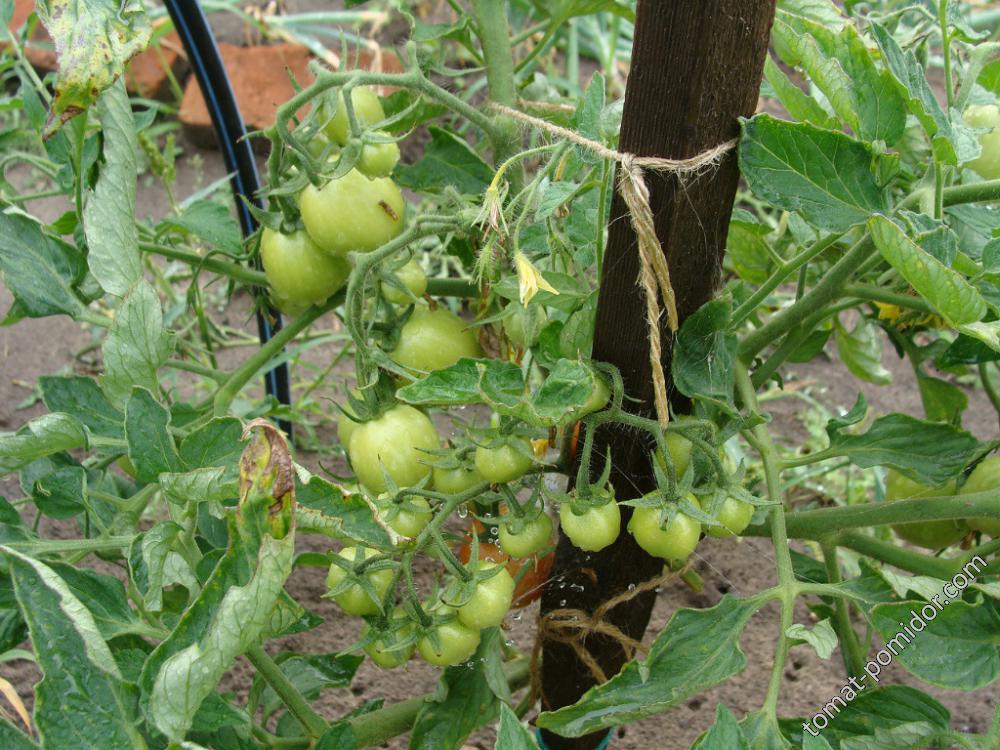
Mine is growing in the greenhouse. It just couldn’t handle it outside and didn’t survive out there. I sowed the seeds at the end of April. The bushes are incredibly sprawling and wide.

I grew it this year. At first, it was setting fruit pretty well, but then a heatwave rolled in and it completely stopped fruiting. It dropped every single one of its blossom trusses. The bush has a very sprawling habit, and the skin on the fruits is definitely on the thick side.
In the last post, Charodeyka mentions that her Zemlyak plant dropped all its blossoms when a heatwave hit. This is an incredibly common issue with Siberian tomato varieties! Because seeds from companies like SibSad (Siberian Garden) are genetically bred to germinate in cold soil and set fruit in chilly, short-season climates, their pollen can easily go sterile when temperatures suddenly spike above 90°F (32°C). If you live in a hot southern climate, Siberian heirlooms are best grown as a very early spring crop before the extreme summer heat arrives.