Quick Summary of Salut Viktorii (Victoria’s Salute)
- 🌍 Origin: A stunning modern collectible variety bred by Russian breeder Sofia Saakova.
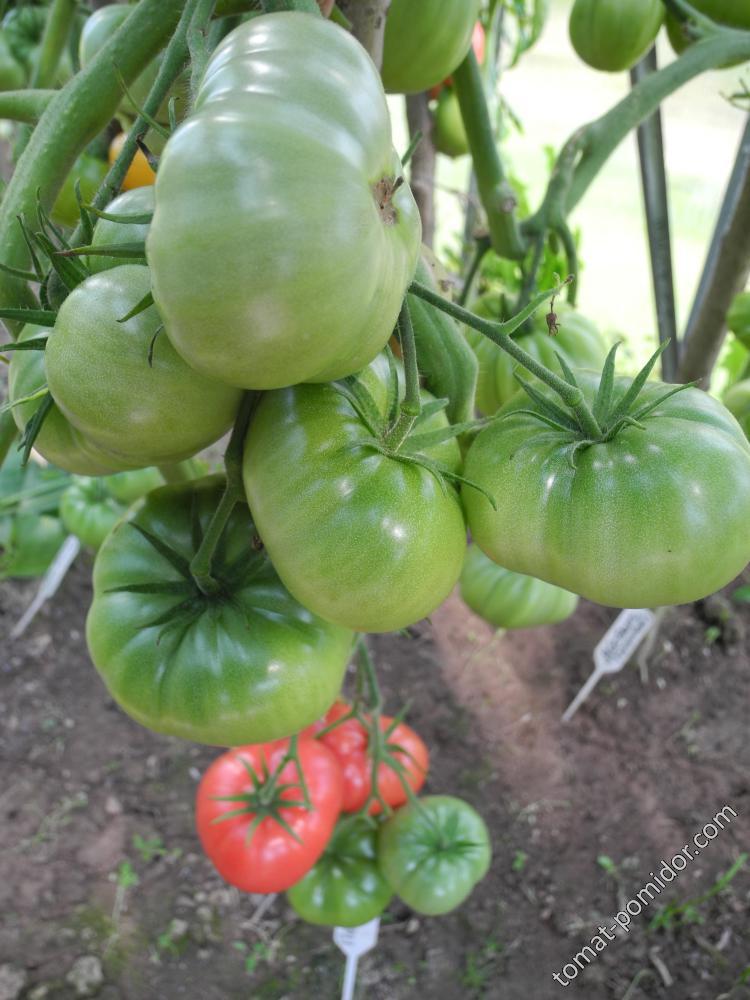
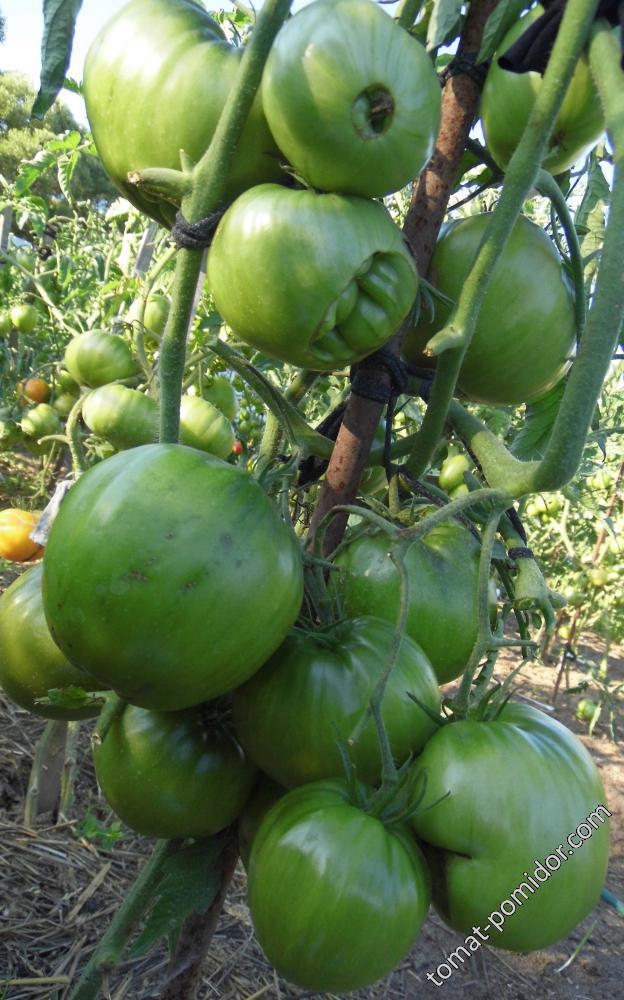
- 🌿 Plant Habit: Indeterminate (tall). Performs exceptionally well in greenhouses when pruned to 2 stems. Highly productive with fruits that tend to ripen quite uniformly.
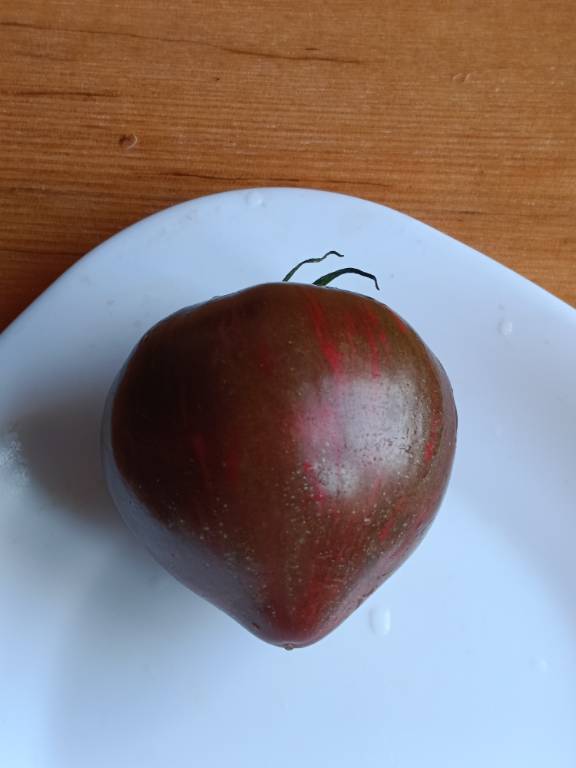
- 🍅 Fruit Characteristics: Gorgeous burgundy-brown fruits with striking anthocyanin (dark purple/black) stripes and shoulders. The shape varies from beautiful blunt-nosed hearts to elongated points. Weight ranges depending on growing conditions: from 100-150g (3.5-5.3 oz) up to 250g (8.8 oz).
- 👅 Flavor: Known for being exceptionally sweet with rich, smoky notes typical of the best black tomatoes. They are mostly meaty with few seeds, though some growers note they can be quite juicy. Pro Tip: Let them ripen fully on the vine to develop those deep smoky and sweet flavors!
Another masterpiece from our Sofia. It’s all pluses: taste, beauty, and yield. My tomatoes weren’t huge, around 100-150g (3.5-5.3 oz). The fruits on the bush ripen almost simultaneously. I harvested everything in 2 weeks (the bush was topped at the end of July).
I can’t say anything about its shelf life—we liked the tomato so much that we sliced it for the table every single day.
I also really liked this variety.
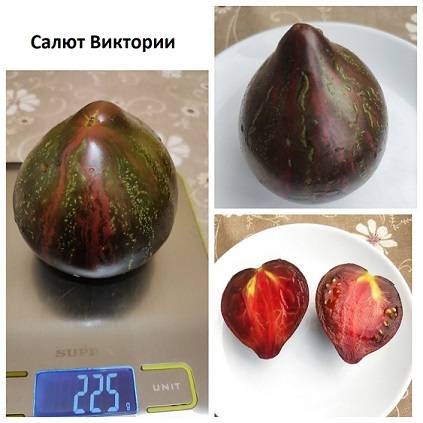
Salut Viktorii, a variety bred by Sofia Saakova.
Indeterminate. Both of my bushes (grown in a greenhouse, pruned to 2 stems) produced fairly large fruits (up to 250g / 8.8 oz) with beautiful, elongated, blunt noses (beaks). They are burgundy-brown, striped with anthocyanin—absolutely gorgeous! And very tasty! Meaty, with a small number of seeds, and sweet. I am absolutely thrilled with it!
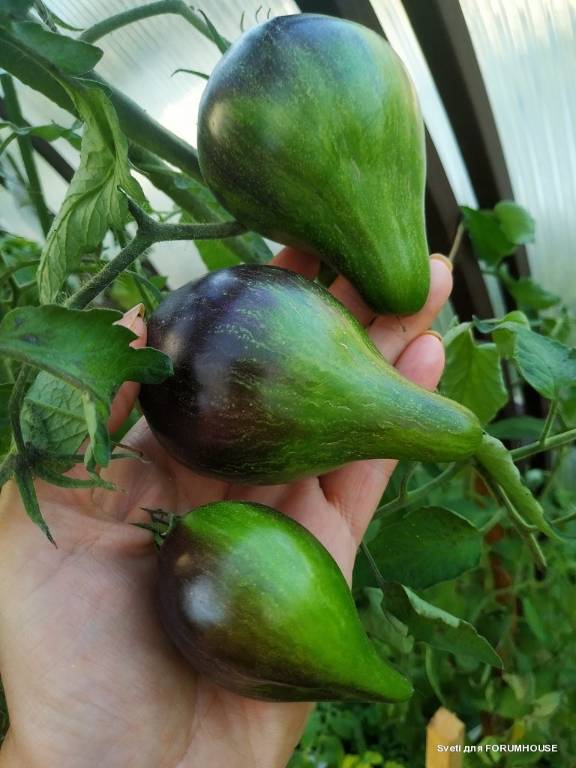
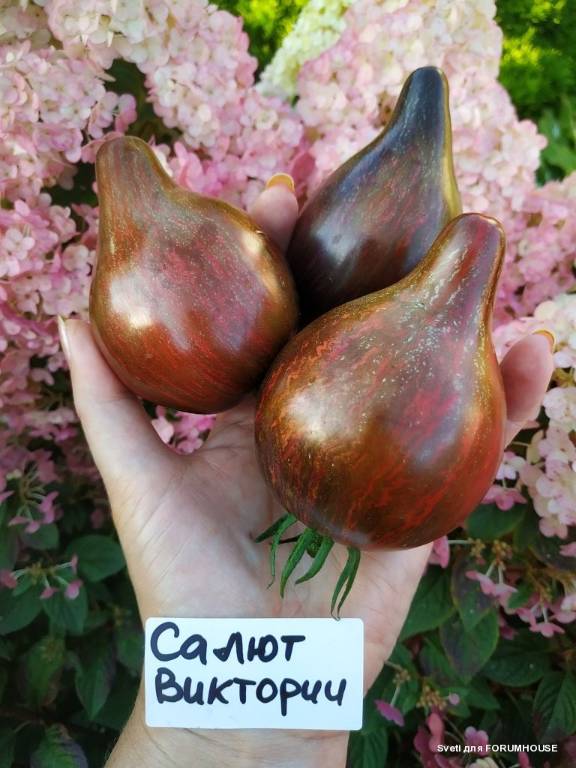
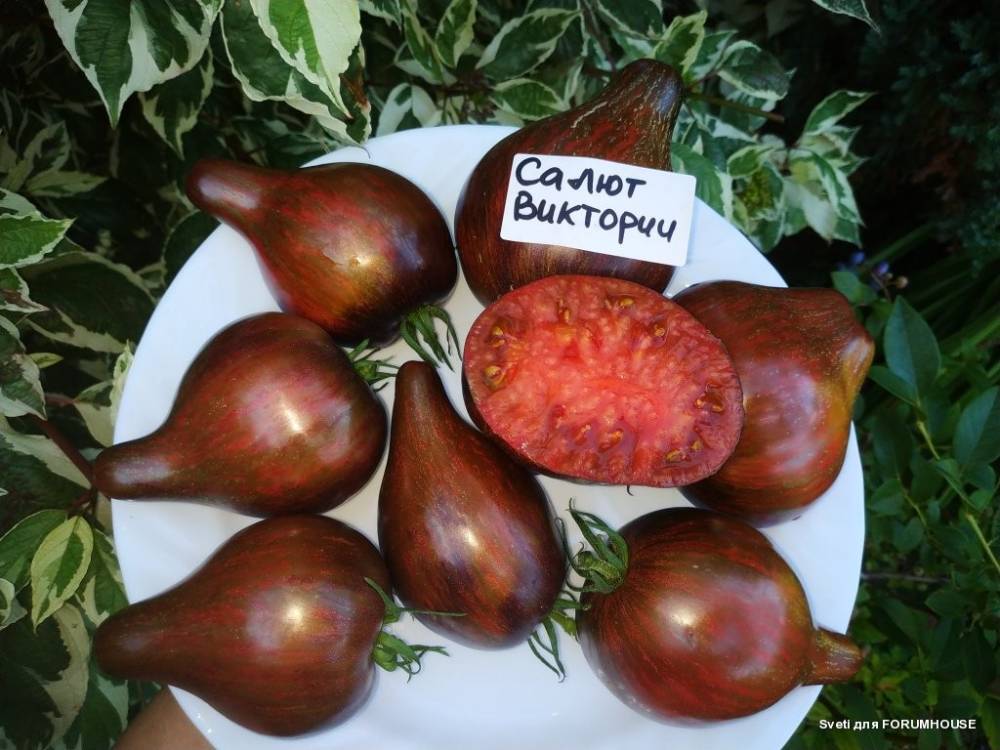
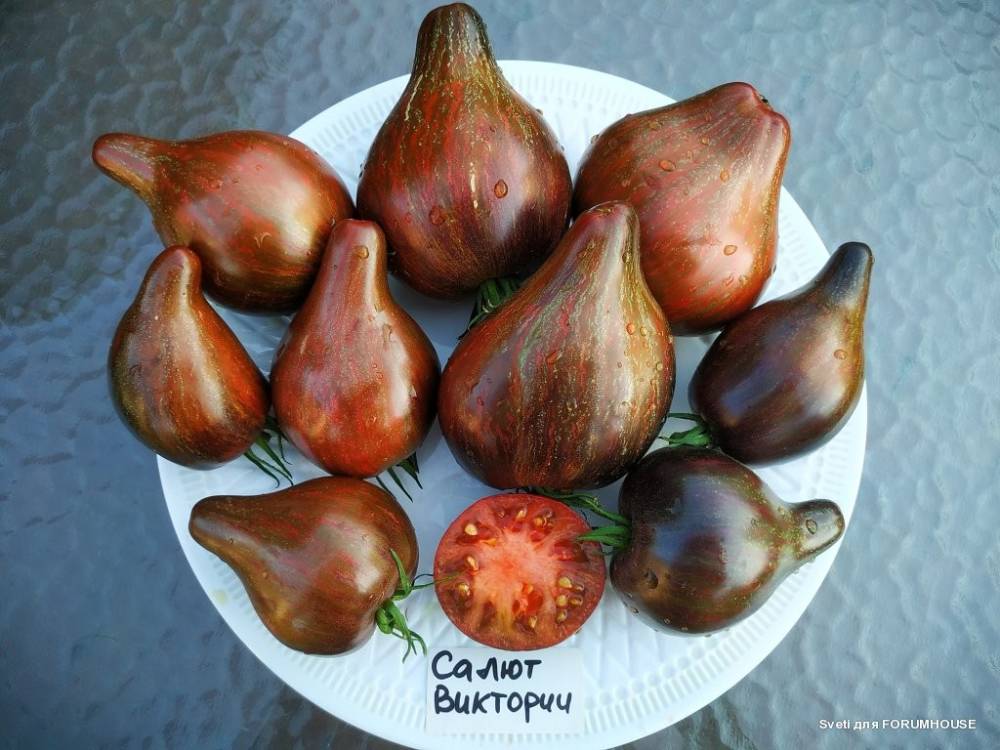
The variety is insanely delicious; the main thing is to let it ripen well. Sweet, with smoky notes, and the fruits are little hearts of incredible beauty.
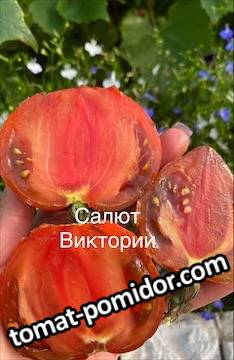
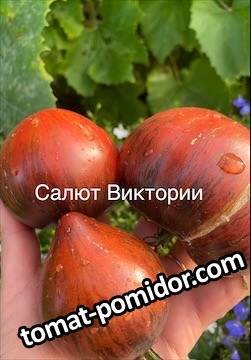
Mine was tasty, sweet, productive, beautiful, and “nosey” (just like in Svetikk’s photos). But there was a tiiiny fly in the ointment—mine turned out to be very watery/juicy. At first, I thought I left them on the vine too long, but the fruits were watery at all stages of ripeness.