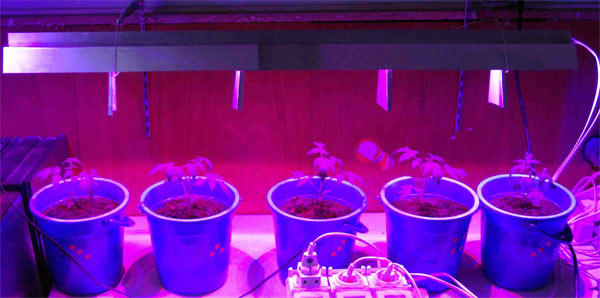
🍅 Quick take: Advanced growers DRYGAN (Vadim) and T@tk@ (Tatyana) dive into the mechanics of tomato sweetness and fruit disorders. Vadim reveals his side-by-side trial proving trapped greenhouse humidity, not dry soil, is the real trigger for Blossom End Rot (BER) by halting calcium transport. Tatyana breaks down the exact metabolic physiology of why morning watering yields 100% sugar potential (Brix), while afternoon watering causes thermal shock and dilutes flavor. Photo: T@tk@
Jump to:
Calcium, Humidity, and the Blossom End Rot Paradox ↓ |
How Watering Timing Dictates Fruit Sugar (Brix) ↓
Expert Debate: High Tunnel Humidity, Blossom End Rot & Brix Accumulation (USDA Zones 4 & 5)
On 1/13/2026 at 2:02 PM, T@tk@ said:
Trapped morning humidity is a non-issue in my high tunnels for one simple reason: I never button them up…
Tatyana! Ambient humidity is an absolute make-or-break parameter. The real issue is that in hobby high tunnels, we have very little leverage to control it.
Take Blossom End Rot (BER), for example. Relative humidity is pretty much the smoking gun because of calcium’s stubborn habit of moving strictly through the plant with water flow. As we know, water starts moving from the roots up to the canopy once the stomata open up in response to morning light. We can dial light back a bit with shade cloth, tweak temperatures by adjusting vent flaps or pulling that same shade cloth, but humidity is tricky. If the air is bone-dry, transpiration stalls out. If relative humidity is near 100%, transpiration stalls out completely too.
How do you fix that in a low, curved hoop house besides dumping water on the walkways? Only through active ridge vents at the roof peak, or at the very least, continuous roll-up sidewall venting. On top of that, you have to build an active microclimate, which comes down to air movement carrying moisture away. But what kind of airflow are you really getting when the tunnel is an overgrown jungle of 60 vines trained to 2-3 leaders each?
Calcium, Humidity, and the Blossom End Rot Paradox
I actually ran a side-by-side field test on this. Planted a run of varieties notorious for getting hit with BER (the usual suspects: elongated paste varieties and massive slicers) right next to my greenhouse in outdoor dirt beds. Fed and watered both groups virtually identically.
The result? Zero BER on the outdoor plants. Complete clean sweep, compared to significant rot on the exact same varieties inside the tunnel. The primary difference was relative humidity. I had hygrometers hanging both inside the tunnel and outside in the garden beds.
On the other hand, regarding your point about morning watering pumping more sugar into the fruit, I am still not seeing the connection. Photosynthates (dry matter, including simple sugars) move into the fruit from the foliage. Those sugars are manufactured by synthesizing simple carbohydrates through photosynthesis (sunlight + water + carbon dioxide) combined with soil minerals. Naturally, more light equals more photosynthesis. But the relocation of those sugars out of the leaves into shoots, roots, and fruit happens regardless of whether you watered at dawn or later in the day. That translocation is dictated primarily by night air temperatures, not watering time.
On 1/13/2026 at 3:54 PM, DRYGAN said:
On the other hand, regarding your point about morning watering pumping more sugar into the fruit, I am still not seeing the connection.
How Watering Timing Dictates Fruit Sugar (Brix)
Does the time of day you water really influence a tomato’s ability to build and pack away sugars?
While the difference in sugar accumulation between morning and evening watering might seem subtle on paper, it is actually huge in practice. It boils down directly to core plant physiology: photosynthetic activation, stress mitigation, and overall vine health.
Here is how watering schedules stack up against fruit sweetness:
1. Morning Watering (100% Sugar Potential)
Tomatoes synthesize and store far more sugars when watered early because the root zone is recharged right before active daylight begins. With abundant water and direct sun, photosynthesis operates at full throttle, directly driving carbohydrate synthesis.
Plants absorb water 25% to 30% more efficiently during morning hours as stomata snap open for daytime gas exchange. This fuels a steady metabolism for carbohydrate production. Furthermore, water delivered at dawn protects the vine through afternoon heat spikes via transpiration cooling, avoiding thermal stress that stalls fruit ripening. Morning watering nails the ideal sweet spot: maximum photosynthetic fuel during the day, with bone-dry foliage at night.
2. Evening Watering (roughly 85-90% Potential)
A stressed or diseased vine loses its capacity to manufacture sugar. Watering at dusk often causes excess water uptake throughout the dark hours, directly diluting fruit sugars and turning the flavor flat.
The biggest blow to sweetness from evening watering comes from fungal pressure like late blight and leaf mold. Damp overnight conditions invite spore germination, and a struggling plant redirects valuable resources into defending its tissue rather than accumulating sugars. Evening watering can pass in open-air outdoor beds with good wind, but inside a greenhouse, it spikes disease pressure and degrades fruit quality.
3. Midday Watering (roughly 60-70% Potential)
Watering in the heat of the day is wildly inefficient due to evaporation and root shock, preventing fruit from reaching peak sweetness:
When watered during midday baking heat, roots pull up moisture abruptly for rapid evaporative cooling. This sudden deluge floods fruit tissues, diluting soluble solids (Brix) and leaving the flesh watery and washed out.
The temperature shock of cool water hitting hot soil beds paralyzes fine root hairs. Under stress, the vine shuts down photosynthesis and burns energy on recovery instead of glucose production.
Up to 30% to 40% of midday water evaporates right off the soil surface before penetrating down to the root core, creating moisture deficits during the most intense photosynthetic hours of the day.
Edited January 13 by T@ tk@
Full Summary: High Tunnel Microclimate, BER, and Sugar Translocation
- 🍅 The Real Cause of Blossom End Rot: Calcium moves strictly with water flow through transpiration. When high tunnel humidity hits saturation, transpiration halts, cutting off calcium supply to developing fruit tips. In side-by-side trials, BER-susceptible paste and beefsteak varieties developed severe rot inside humid tunnels, but suffered zero rot in breezy outdoor beds under identical feeding.
- ☀️ Morning Watering (100% Brix Potential): Recharging roots at dawn gives plants hydration when stomata open and transpiration efficiency peaks (25-30% higher). Transpiration cooling prevents heat stalling, allowing uninterrupted sugar synthesis all day.
- 🌙 Evening Watering Risks (85-90% Potential): Saturated soil overnight leads to fruit gorging on water without transpiration, diluting Brix concentration. The resulting damp microclimate invites fungal pathogens, forcing vines to divert energy from sugar storage to disease defense.
- 🔥 Midday Watering Drawbacks (60-70% Potential): Dumping water during peak heat causes thermal root shock, heavy surface evaporation, and sudden water surges into fruit that dilute flavor and crack skins.