Growers’ Notes and Photos (USDA Zones 4-6 Experience)
Edited October 28, 2013 by Esme
Esme said:
Lidiya, it is always fun seeing how the exact same seed line behaves under different garden conditions…
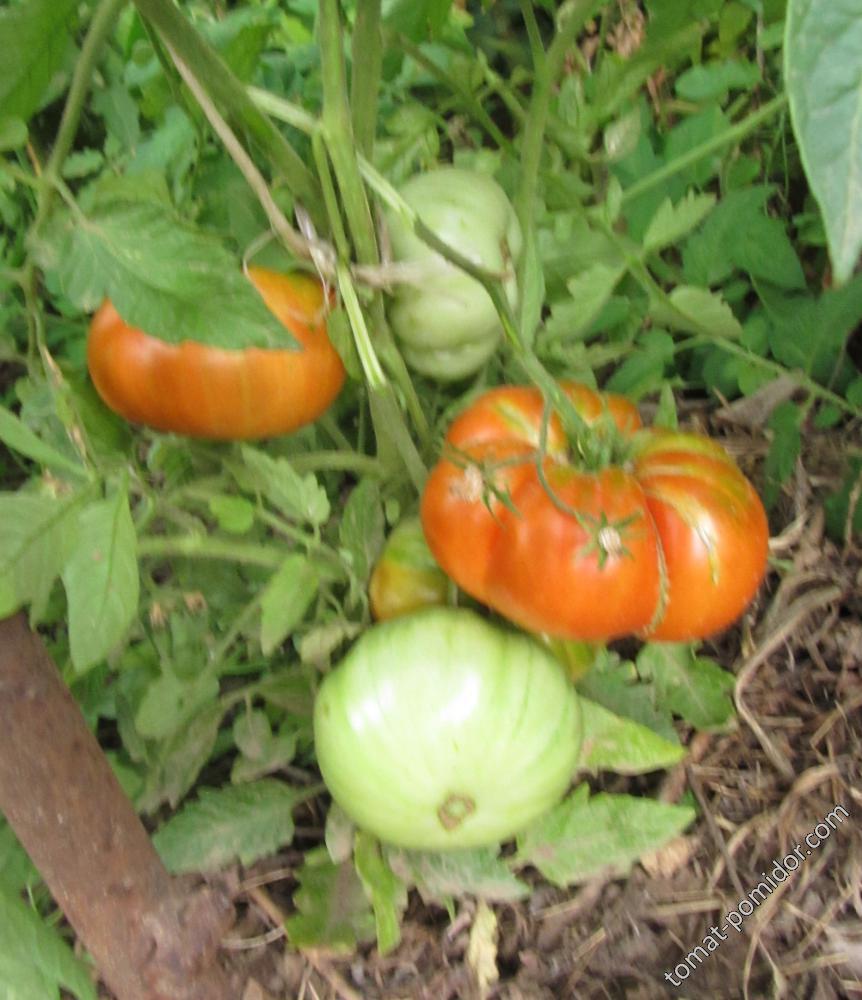
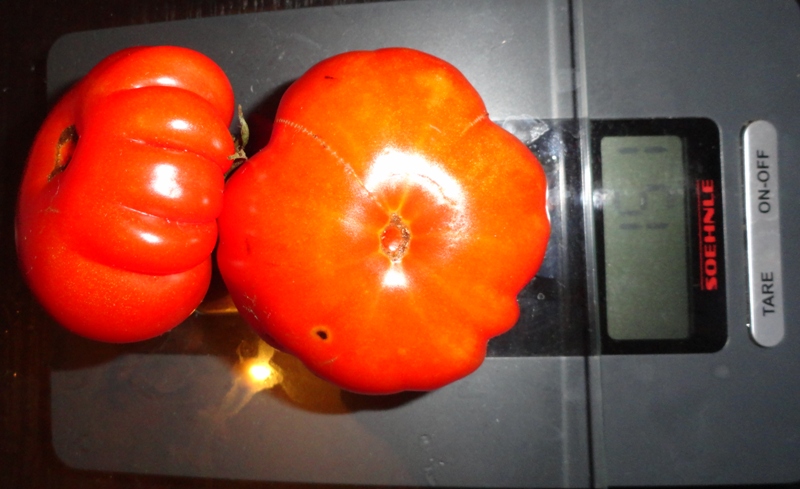
Galina, yours and mine look completely identical! We just ate ours fresh at the table, never got around to putting them up in jars.
Canning Suitability, “Mini-Pumpkin” Shape, and Blossom Drop Issues
Galina P. said:
Is this variety better for whole-jar canning or for fresh table eating? And how was the overall yield?
Galina, I canned mine whole! They are small enough to slip easily into standard jars, and the yield was quite respectable, especially considering Galina’s seeds started from commercial retail packs 😉
Galina P. said:
Is this variety better for whole-jar canning or for fresh table eating? And how was the overall yield?
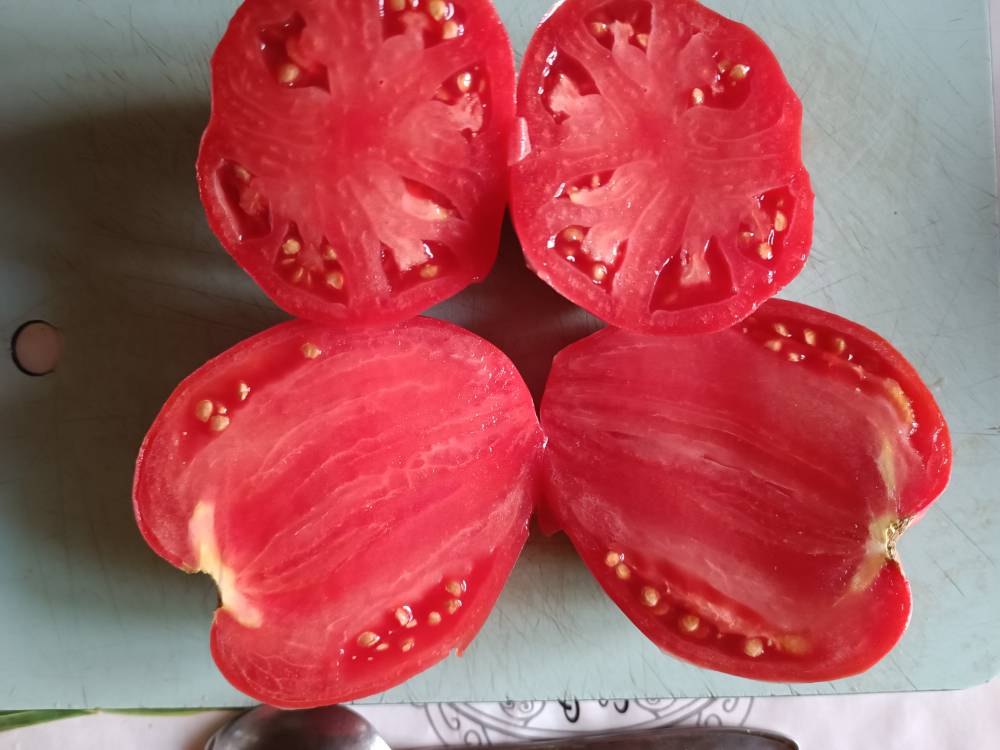
Galina, yield was about average. I never put any in jars, but the interior flesh is definitely not watery. I checked my seed count and only managed to save a small batch, even though I had my doubts I would get any seed at all.
Full Summary: Plant Habit, Ribbed Anatomy, Canning, and Soil Quirks
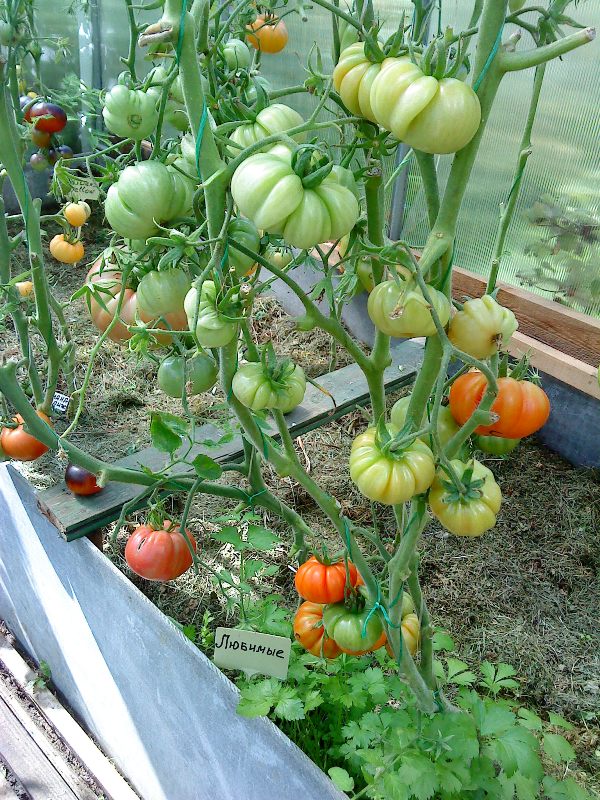
- 🌿 Plant Habit: Semi-determinate to moderate indeterminate vine. Outdoors in garden beds, it stays compact around 3.5 ft (1-1.1 m); inside high tunnels and greenhouses, it tops out around 5 ft (1.5 m). Very tidy, well-behaved foliage.
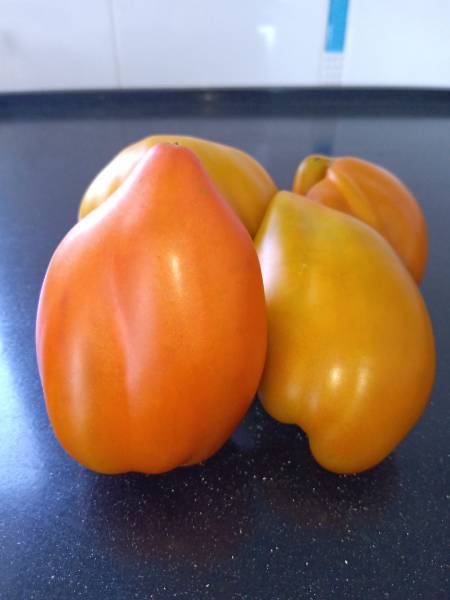
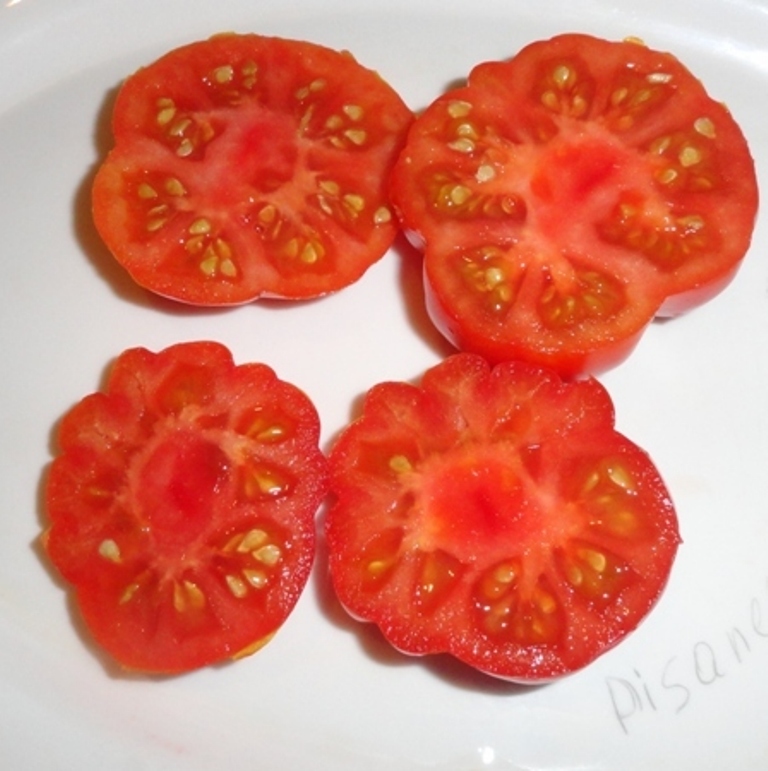
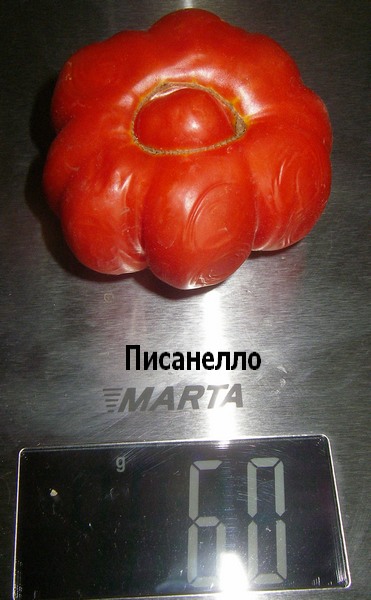
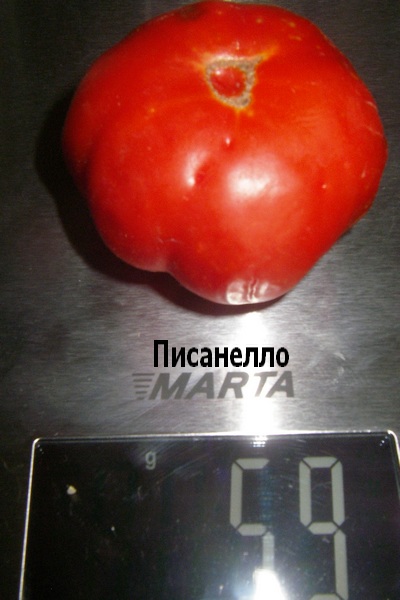
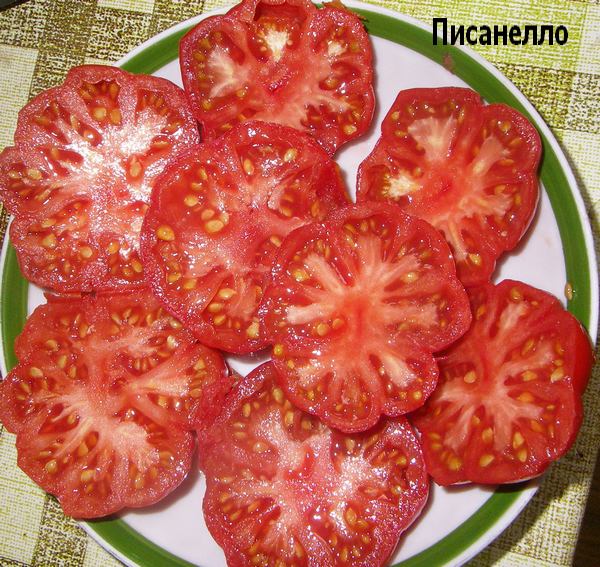
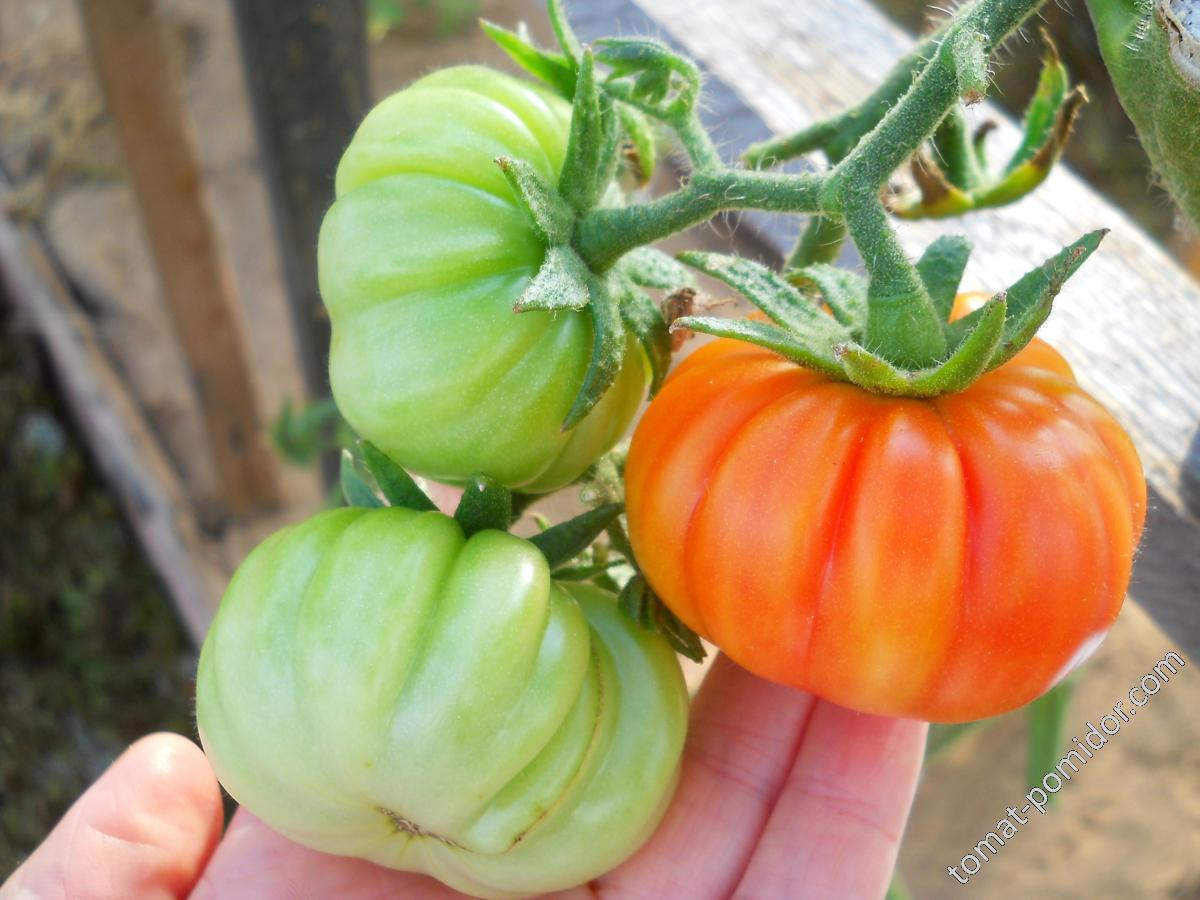
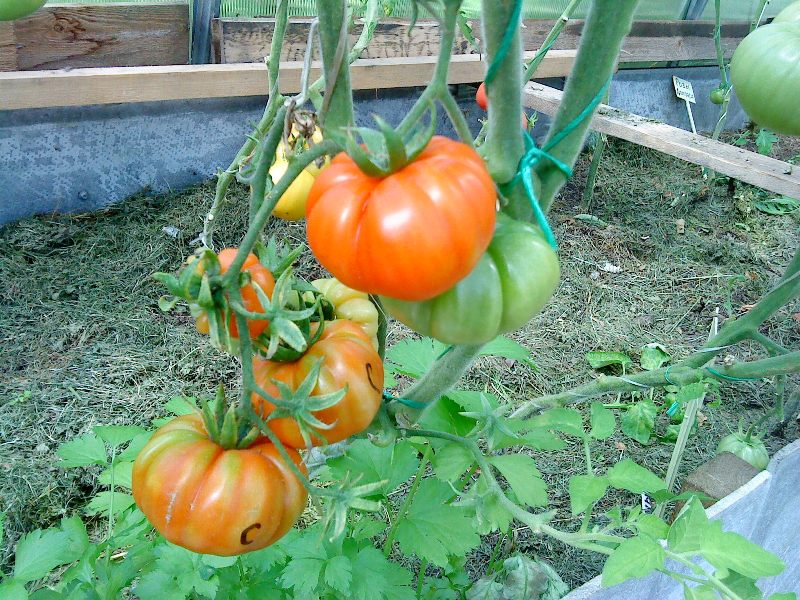
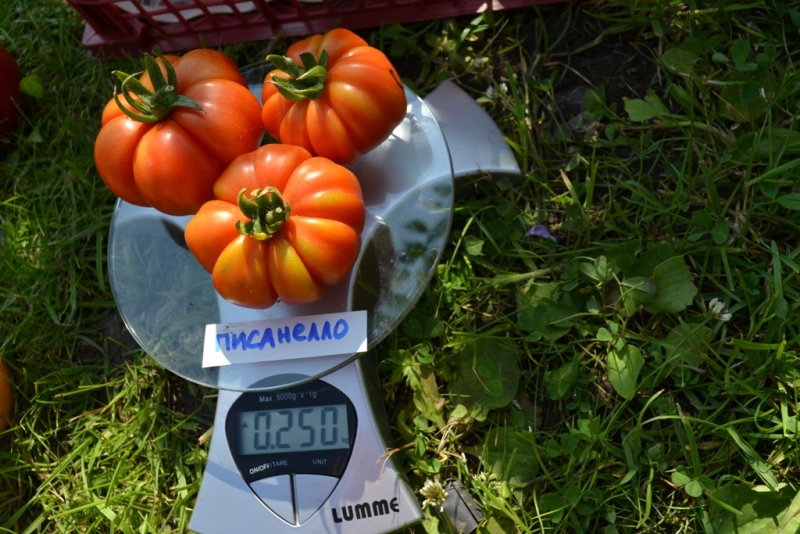
- 🍅 Fruit Morphology: Small-to-medium oblate red fruits (2-4 oz / 60-120 g) with deep, scalloped ribbing resembling miniature pumpkins or scalloped discs. Flesh is dense and meaty with low free-flowing seed water.
- 👅 Flavor Profile: Traditional, savory old-school tomato flavor with balanced sugars and acid. Well-suited for rustic bruschetta and cooking rather than ultra-sweet snacking.
- 🥫 Preservation: Ideal size and structural density for packing whole into canning jars without blowing out or turning mushy.
- ⚠️ Blossom Drop Sensitivity: While highly productive for most growers, it can be fickle regarding soil composition. In high-peat, acidic, or poorly aerated soils, it can drop blossoms continuously through heat and cold swings alike.
- 🌎 Reviewers: Trialed across USDA Zones 4, 5, and 6 (Moscow Region, Leningrad Region, and Belgorod).
Pomodoro Pisanello (or Costoluto Pisanello) is an ancient landrace native to the plains of Pisa in Tuscany, Italy. Traditionally, it is a staple of Tuscan summer cooking (used in panzanella bread salad, rubbed onto grilled rustic bread for bruschetta, or preserved whole in glass jars). Grower Svetlana noted catastrophic blossom drop in both greenhouse and outdoor beds, suspecting her peat-heavy substrate. Mediterranean landraces evolved in mineral-rich, alkaline, calcareous river-valley loam; when grown in acidic, moisture-retentive peat soils with high humidity, pollen grains often clump or fail to germinate, leading to chronic blossom drop regardless of ambient temperatures.