📌 Quick Summary (TL;DR): Abakanets
- 🌍 Origin: A stabilized red off-type (mutation) originally discovered in a seed packet of the famous Abakansky Rozovy (Abakan Pink) produced by the Siberian Garden seed company. “Abakanets” roughly translates to “The guy from Abakan.”
- 🌿 Plant Habit: Indeterminate (tall), mid-season variety. Highly productive and will continue fruiting right up until the first autumn frosts. Features excellent cold tolerance and disease resistance.
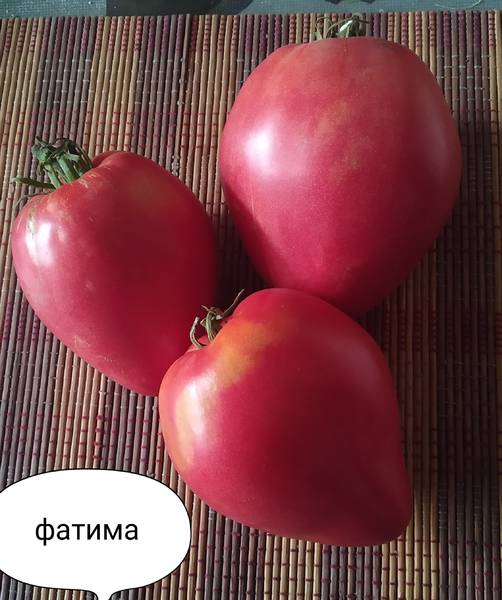
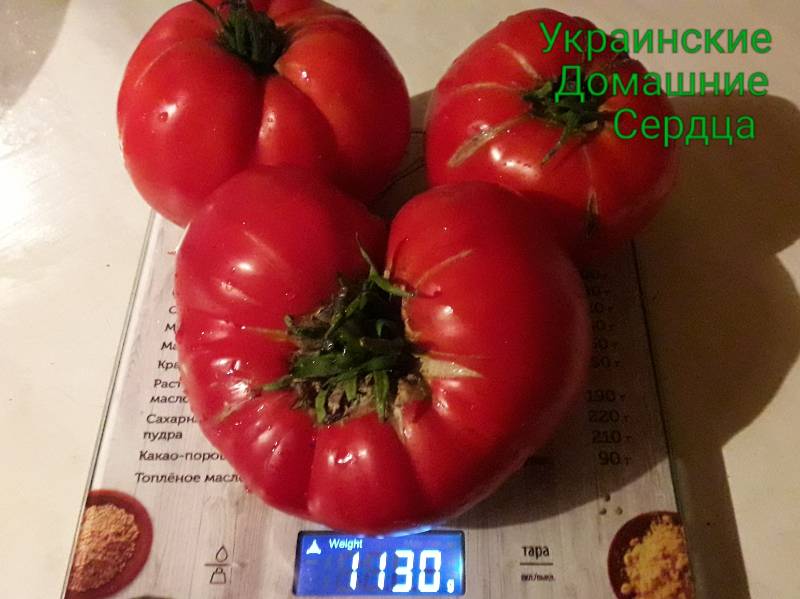
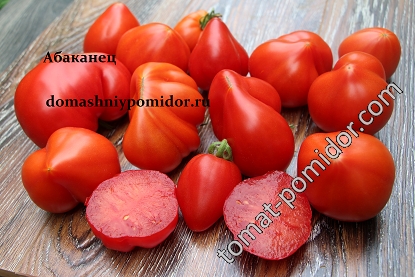
- 🍅 Fruit Characteristics: Red, heart-shaped tomatoes. The shapes can be quite wild: some are classic hearts with a pointed beak, while others are doubled or crested/ribbed. Very few seeds.
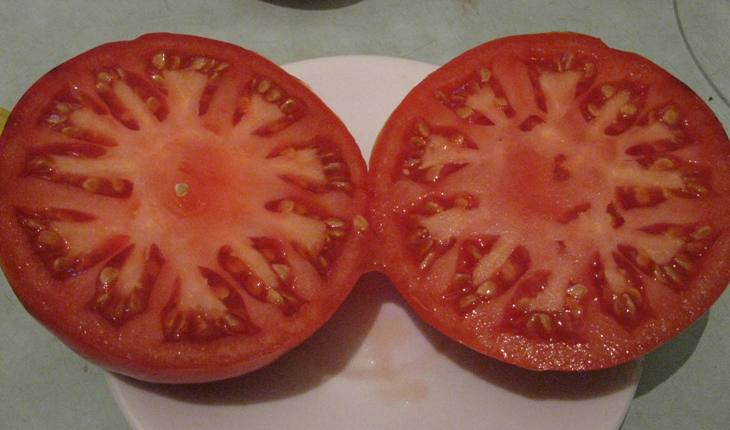
- 🥩 Texture & Use: Incredibly dense and meaty. Unlike its juicy pink cousin, Abakanets is dry and solid, making it one of the absolute best varieties for sun-drying, dehydrating, and making thick tomato paste.
Red, beautiful hearts. They are sometimes doubled, crested/ribbed, or have a pointed beak. Meaty, very dense, and sweet. A tall, indeterminate mid-season variety that fruits all the way until frost. Has good resistance to diseases and cold snaps.
Edited January 30, 2017 by Angelina
Isn’t “Abakanets” just an abbreviated name for the Abakansky Rozovy (Abakan Pink) variety?
Drosera said:
Isn’t “Abakanets” just an abbreviated name for the Abakansky Rozovy (Abakan Pink) variety?
They are completely different.
Abakan Pink is larger, more uniform in shape, and well, pink.
Abakanets is red.
The only thing they have in common is that both varieties are very meaty and have very few seeds.
Sveta, “Abakanets” is actually a red off-type (a rogue mutation) that originally came out of a commercial seed packet of Abakan Pink from the Siberian Garden seed company.
I grew Abakan Pink in 2016, and Abakanets (from Angelina’s seeds) in 2017.
They are absolutely different varieties. My Abakan Pink was larger and contained much more juice/liquid.
Abakanets, on the other hand, is incredibly dense and solid. Out of over a hundred varieties I grew, not a single one was this dense. The color is red. There were very few seeds inside the fruits.
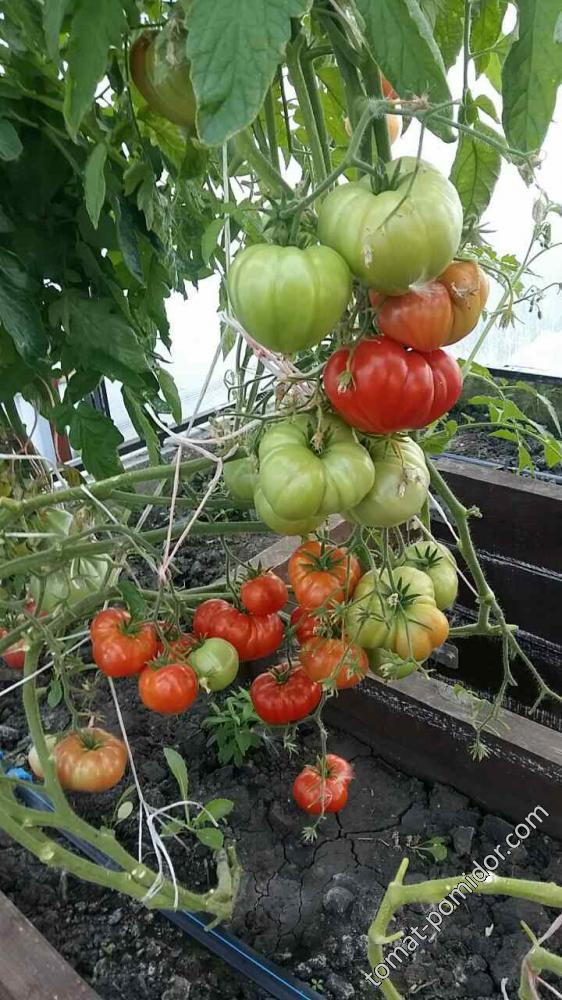
At first, it set a massive amount of small fruits—the bush was just absolutely covered in them. But the higher up the vine it grew, the larger the fruits got. This might be because the summer heat finally broke.
It seemed to me that this variety would be perfect for sun-drying / dehydrating.
It became one of my favorites for its unusual shape, extreme density, and high yield. The photo is from September 3rd. Most of the main harvest had already been picked. These are just the late-season little ones (nubbins) that finally plumped up and turned red.