📌 Quick Summary: Secondary Harvests & The 6-Week Rule
- 🔪 Will Cabbage Grow Back? Yes! If you harvest the main head of an early cabbage but leave the stalk and the large bottom outer leaves intact, the plant will push out 3 to 6 miniature “secondary” cabbage heads from the leaf nodes. Give them a quick nitrogen feed to encourage this growth!
- 🥬 The Golden 6-Week Rule: To get massive cabbage heads in the first place, you must feed the plants aggressively (alternating nitrogen and balanced fertilizers weekly) for the first 6 weeks after transplanting. The goal is to grow “monster leaves” early on.
- 🥦 Broccoli in the Heat: If your broccoli is struggling to form side shoots in peak summer heat, mist the plants from above during the day to increase humidity, and water the roots twice a day (morning and evening).
Good afternoon everyone!
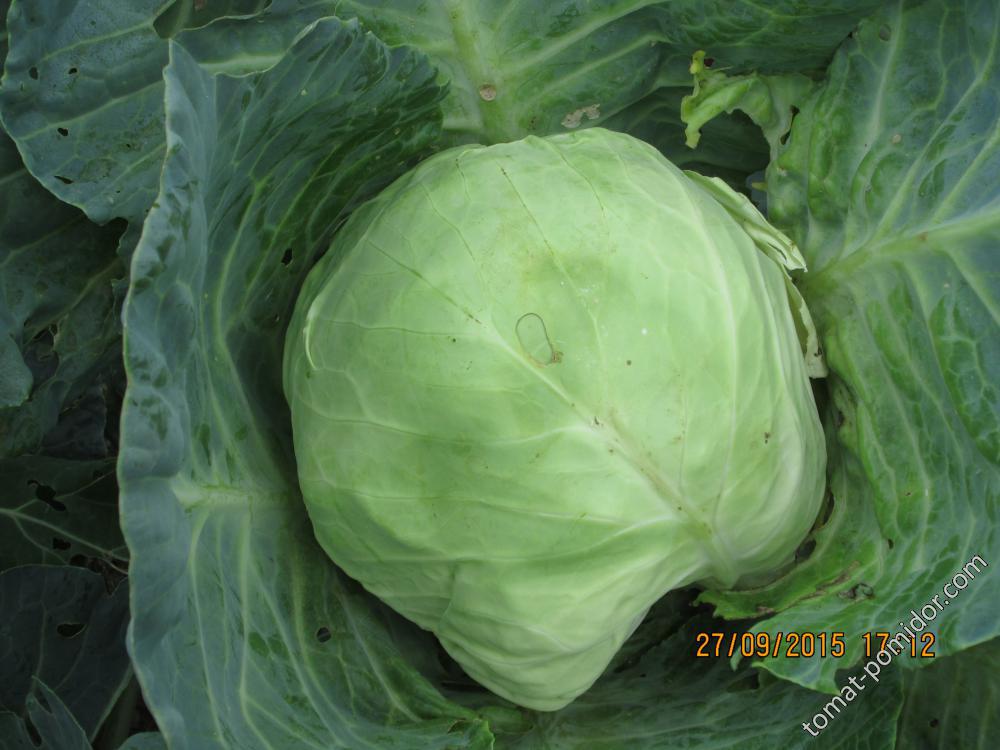
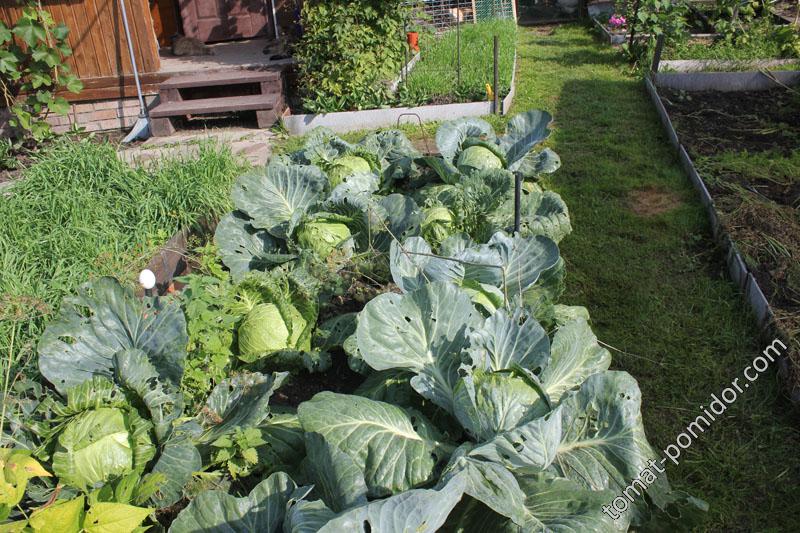
I originally popped in here to look up info on cabbage. It’s my first time planting early cabbage (I bought the starts at a hardware store). I have my own seed-grown starts too, but they are much smaller.
I’ve already started harvesting the main heads of the store-bought ones, and I wanted to know what I should feed the remaining stalks now so that secondary mini-heads will grow? I’ll go dig through the previous pages to see if I can find the info!
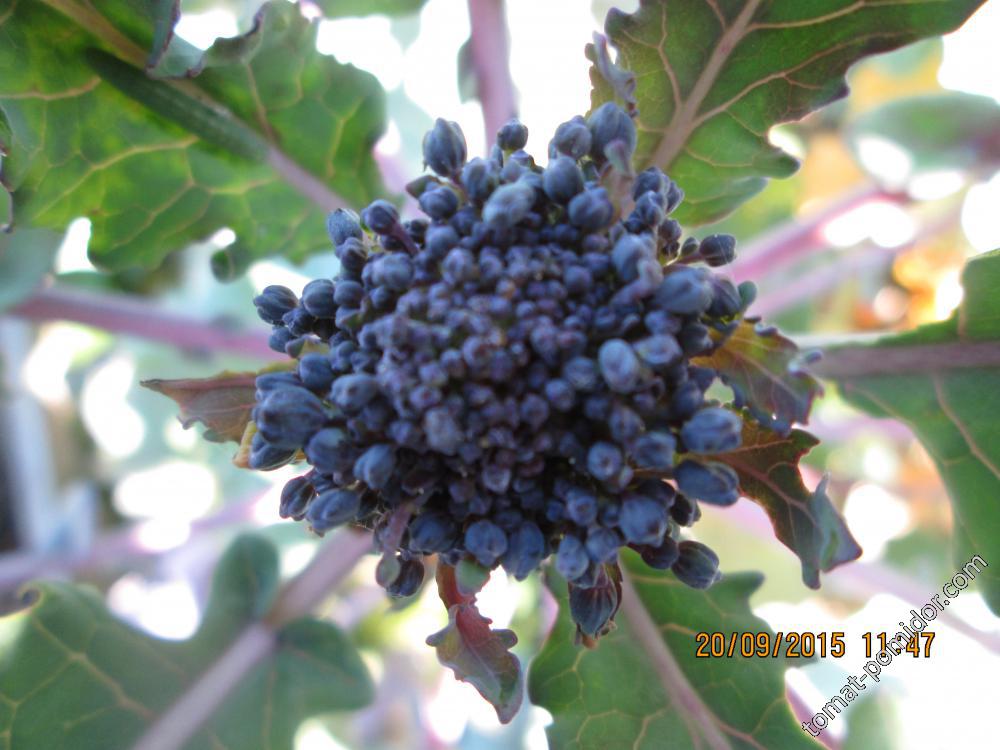
Luda, thank you for the advice! The process has finally started-my broccoli bushes are actually setting heads now.
gala7496 wrote:
The process has finally started-my broccoli bushes are actually setting heads now.
Galya, if it is dry and hot outside, mist them from above frequently during the day, water the roots in the morning and evening, and give them a quick feeding.
I’ve already harvested the secondary side shoots from one of my bushes (they were quite large), but the side shoots on the rest of the plants are growing very slowly. You can tell the heat is hindering them; there just isn’t enough humidity. Good luck and have a great harvest!
Tacha wrote:
I wanted to know what I should feed them now so that secondary mini-heads will grow.
Girls, regarding cabbage (any type of cabbage). It grows and grows, and it seems like everything is fine, but when it’s time to actually harvest, questions arise about why the heads are so small.
So, here is a rule for the future! If you want your main cabbage harvest to be exactly what you expected, you must remember one rule: Prep the planting hole well, and you ONLY feed, water, and treat them intensively during the first six weeks (or four weeks for early varieties).
No matter how good your seedlings were, or how healthy your cabbage currently looks, you must feed them once a week (do two nitrogen-heavy feedings, then one balanced NPK feed). The goal is to grow absolute monster-sized “burdock” leaves during those first 6 weeks. If you build that massive leaf frame, the final harvest will absolutely thrill you! And, of course, make sure the spacing between plants is correct so they get enough sun.
👨🔬 Editor’s Botanical Note: Secondary Cabbage Heads and the 6-Week Rule
1. Can Cabbage Grow Back? (Secondary Heads)
Yes! Tacha is using a classic homesteader trick. If you grow early cabbage, you can harvest the main head in mid-summer and get a second harvest in the fall! To do this, use a sharp knife to cut the main head off, but leave the base of the stalk and the large, floppy bottom leaves untouched. The plant will send out 3 to 6 secondary mini-heads from the leaf nodes. To fuel this new growth, give the plant a quick hit of liquid Nitrogen fertilizer right after you cut the main head.
2. Why the 6-Week Rule Works:
Ludmila’s advice perfectly aligns with commercial brassica farming. A cabbage head is essentially a tightly packed ball of unexpanded leaves. To pack dense weight into that central head, the plant requires massive amounts of energy. Where does that energy come from? The giant, floppy, outer “wrapper” leaves. If you don’t feed your cabbage aggressively during the first 6 weeks to build those giant outer “solar panels,” the plant will never have the engine power to form a heavy head later in the season.