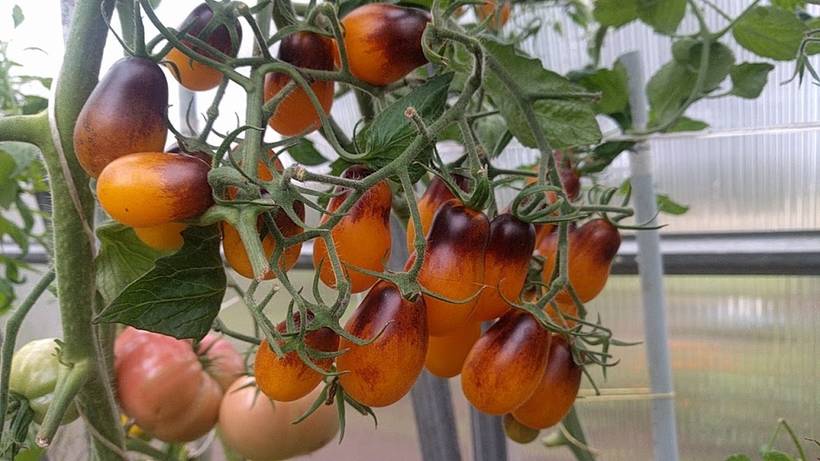
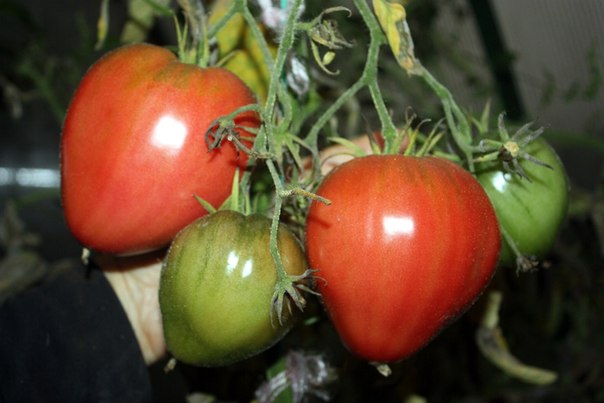
📌 Quick Summary (TL;DR): Canadian Heritage (Canada)
- 🌍 Origin: The exact history is a bit murky, but it is widely believed to have originated in the US or Canada before becoming a highly sought-after collectible variety among Eastern European growers. Often sold simply as “Canada”.
- 🌿 Plant Habit: Indeterminate (tall), reaching around 6.5 feet (2 m). Like many oxhearts, the vines can look a bit wispy and delicate, but don’t let that fool you. It requires staking and performs best when pruned to 2 stems.
- 🍅 Fruit Characteristics: Gorgeous bicolor orange-and-red oxhearts. Average weight is around 3.5-9 oz (100-250 g), but they can easily push past 1.1 lbs (500 g) under optimal conditions.
- 👅 Flavor & Use: Growers frequently joke that this variety belongs in a fruit bowl rather than a salad. The flesh is incredibly sweet, melting, almost completely seedless, and lacks the fibrous texture sometimes found in other bicolors. If you loved Orange Russian 117 but wished it was sweeter and had a better texture, you absolutely have to read the grower comparisons below!
I don’t know if I’m allowed to post info about this tomato in the catalog. If not, the moderator can just delete the thread. Canadian Heritage (or simply Canada). It’s a bicolor. Some folks say the name might just be made up, and that it actually originated in the US.
Indeterminate, grows about 6.5 feet (2 m) tall. The fruits are beautiful bicolor orange-red hearts weighing 3.5-9 oz (100-250 g). I’ve seen pictures online of people growing them up to 14 oz (400 g). If you leave it hanging on the vine for a long time, it turns almost completely red. My seeds came from Belarus. I really wanted to try this variety after reading so many positive reviews.
This is my second year growing it. Last year it was very late and, frankly, didn’t yield much. We only got to taste it in September. But because of its amazing flavor and sweetness, I decided to give it another shot and dial it in. This season (and the weather in the Sverdlovsk region has been something else…), planted from my own saved seeds, it is ripening much earlier. It kept that wonderful flavor and the yield is way up.
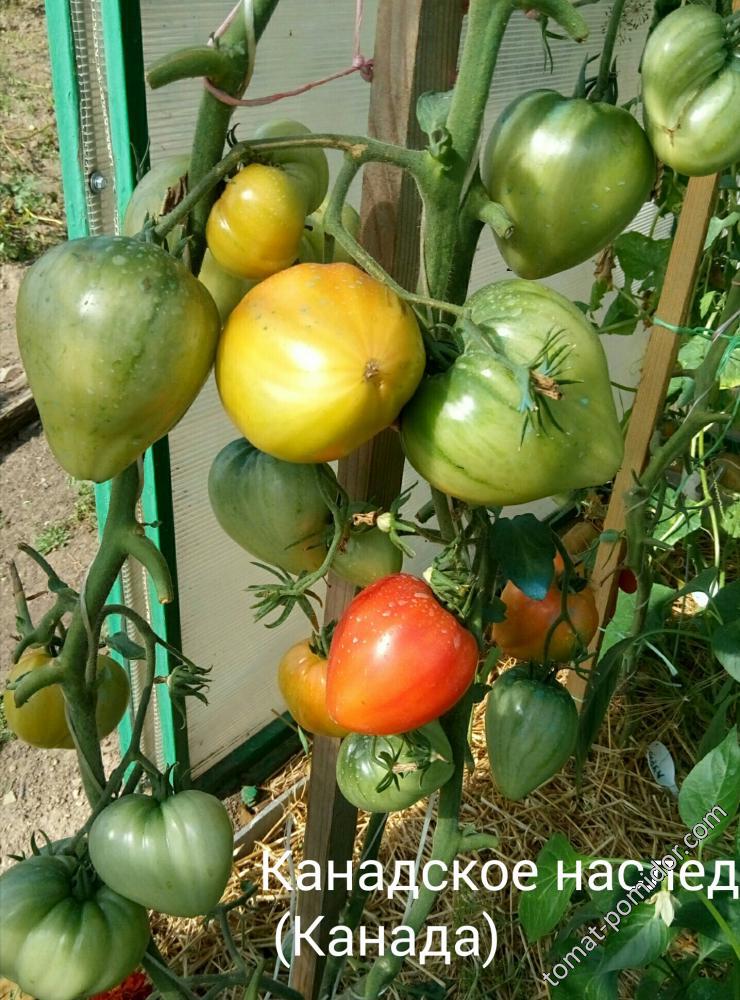
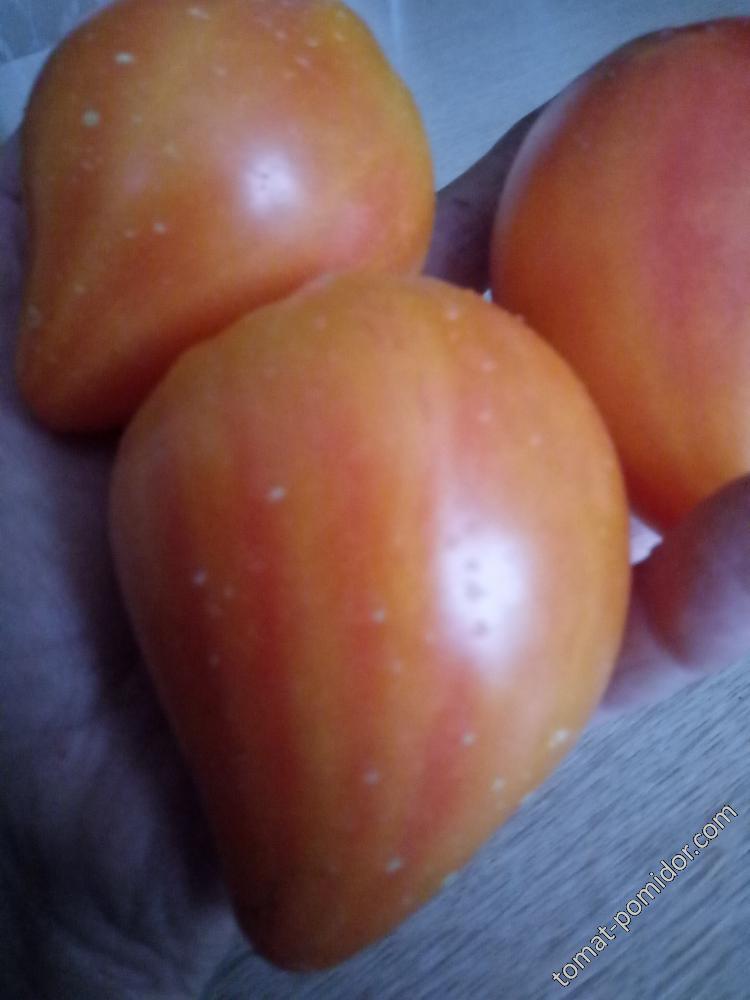
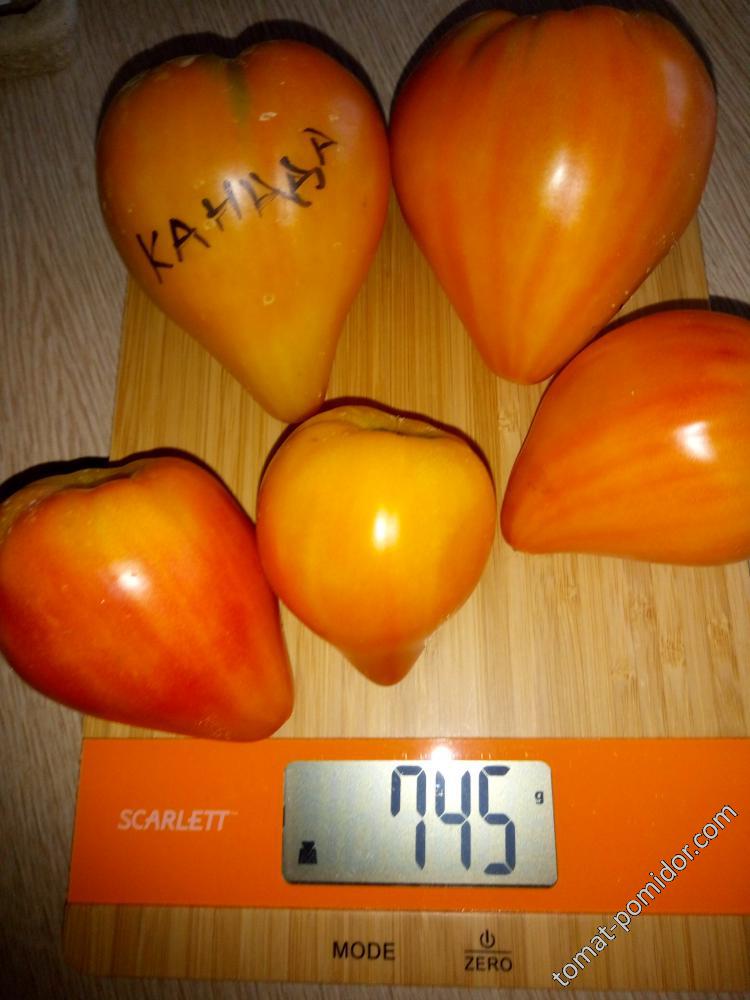
I got my Canadian Heritage seeds from Lenochka Danko. I assume she grew this variety outdoors in the dirt, because in my outdoor garden, planted in a pot with a late April sowing, it was one of the very first to start ripening. The harvest is really spread out. Yesterday I picked the last fruit from the first truss, and at the same time, I’m already picking fruits from the 5th truss.
I like the taste best when the fruits get dead-ripe and almost jammy. They become incredibly sweet. But maybe that’s because they are growing in a pot for me? If they were growing out in a garden bed, maybe they would get super sweet at an earlier stage of ripeness?
The yield is great, about five fruits per truss, up to 8 trusses (I stopped counting after that). The fruits can sit on the counter for a bit if you pick them at the breaker stage, but they do lose some flavor. It’s much better to let them ripen fully on the vine, those are the tastiest by far.
If I compare it to Orange Russian 117 (since a lot of people I’ve talked to said they are the exact same variety and both come from Canada), the flesh of Canadian Heritage is much more tender and not as fibrous as Orange Russian 117. For me, Orange Russian 117 has a bit of a tang to it, while this one is just straight sweetness. The first one has a better shelf life since it’s firmer, while this one doesn’t keep quite as long.
Fruit weight ranges from 5 oz to 1.1 lbs (150 to 500 g), with an average weight of 9-10.5 oz (250-300 g).
Even though I’ve grown Orange Russian 117 for years and I honestly prefer its fruit shape, Canadian Heritage just bumped it and earned a permanent spot on my grow list. It’s sweeter, the meat is more tender, and it ripens earlier. The only catch is that it has veeeery few seeds. I manage to scrape out maybe 2 seeds from each fruit at best, and I’m not even sure they are viable. The first trusses were completely seedless. I barely scraped together enough for next season, hoping something will sprout. Maybe it’s because it’s growing in a pot and we had a hot summer? Or is it this seedless for everyone?
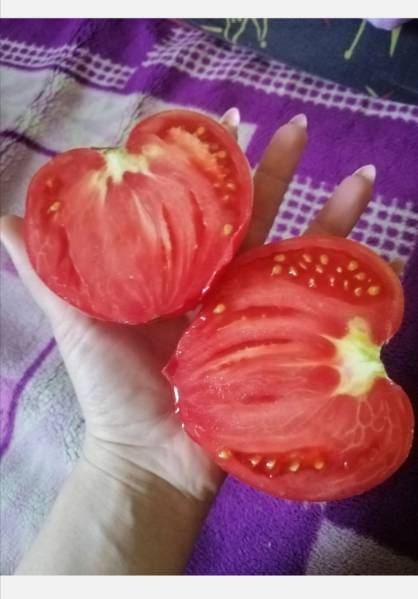
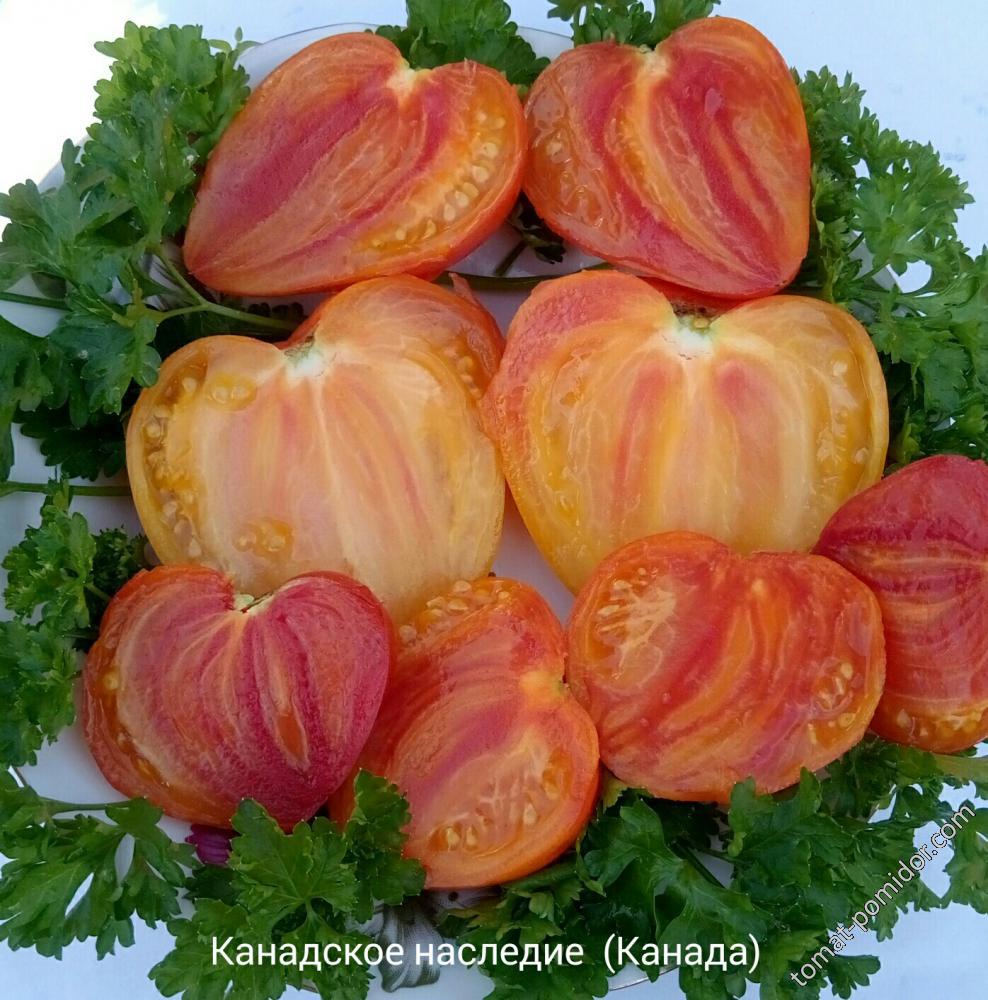
Decided to make a salad using only tomatoes of this variety. Cut them up and couldn’t resist, had to take a picture. 🙂
Hey ladies, so is it a determinate or indeterminate? 8 trusses, but it fits in a pot.
Olviya wrote:
Hey ladies, so is it a determinate or indeterminate? 8 trusses, but it fits in a pot.
Indeterminate, needs staking and pruning. I grew mine to two stems. I have photos of tall indeterminates growing in pots in my album.
An absolutely delicious tomato! It honestly tastes like sweet fruit. But I made a mistake at first, picking it as soon as it colored up. It was yellow, the red blush had started, but the taste was just bland. But the ones I left hanging on the vine for a few more days absolutely blew me away. I didn’t even put them in a salad, I already know I can’t eat something this sweet mixed with onions and garlic.
Flavor-wise it is similar to Orange Russian, but smaller, and the Orange Russian plant is much more vigorous. And the fruit shape is different, even though they are both oxhearts.
Overall, I am absolutely thrilled with it! It’s a beauty and so delicious. I’m growing it to two stems. The vines aren’t super thick or bushy, but they do get tall. The yield is average so far, but it definitely has potential.
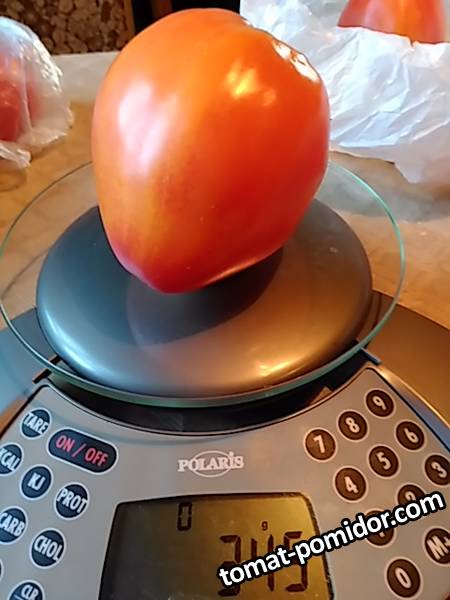
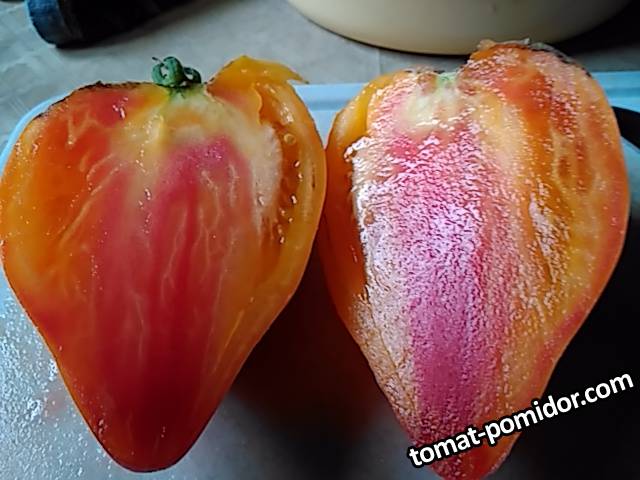
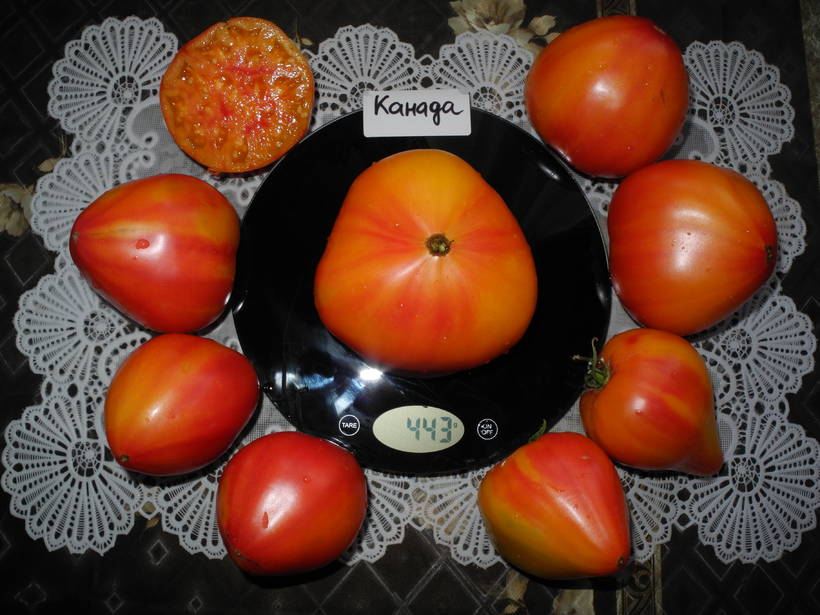
This variety seriously belongs in the fruit bowl – that’s how incredibly sweet it is! I agree that to hit maximum sweetness, it needs to hang ripe on the vine for a while, until the deep red blush spreads and it gets slightly soft. It grew in the greenhouse pruned to 2 stems. Mid-season, heavy yielder, maximum weight was around 15.5 oz (440 g).
Svetikk wrote:
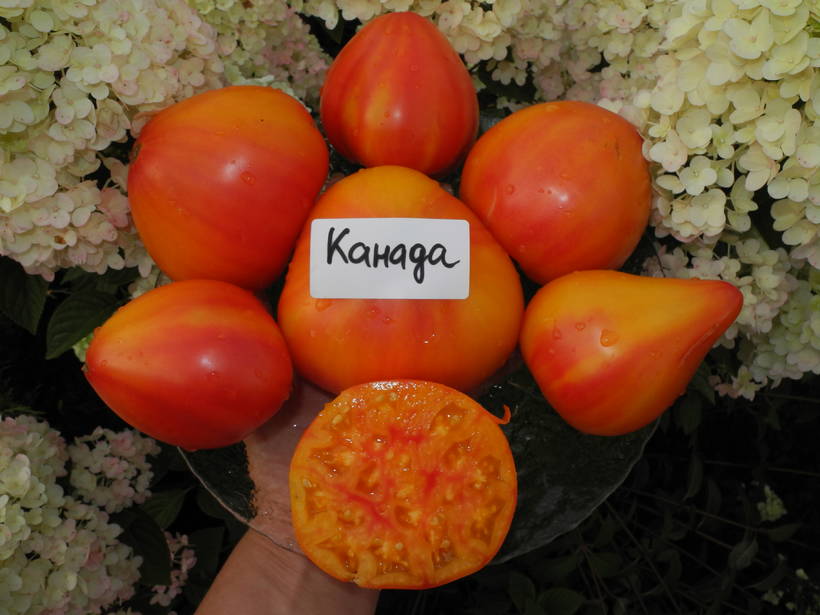
This variety seriously belongs in the fruit bowl – that’s how incredibly sweet it is!
Absolutely! My Canada behaved quite well again this current unfavorable season. There are fewer fruits, true, but they are much larger.
It’s my absolute favorite!
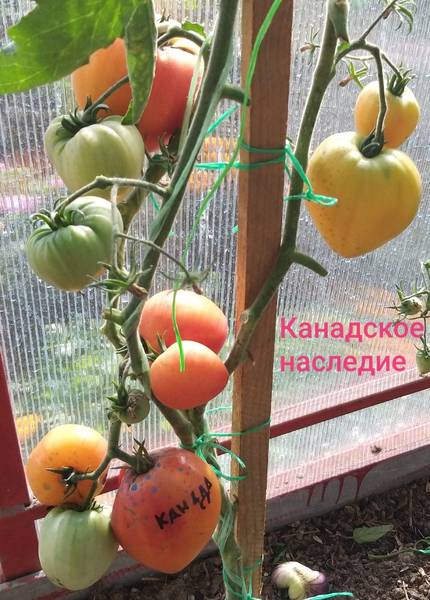
I had bad luck with this variety. It got sick and wouldn’t ripen properly at all, just rotting at the stem, even though I stopped watering in mid-August. That year I added a ton of wood ash to the greenhouse and clearly messed up the soil balance. The tomatoes outside in the dirt did much better. Good thing I didn’t dump any ash out there. Basically, I overdid it.
A very good variety, beautiful and tasty! It also showed a great yield and a long fruiting season. It was one of the earliest and kept producing right up until October.
.jpg.526917312550950608c3764b753226a3.jpg)
.jpg.f336df174f198e1c319ca4fd67e6dd02.jpg)
Mine looks similar in shape, but the color is completely off. It’s a matte pink, almost looking dusty. When cut, it isn’t bicolor at all, just a solid deep pink. There are almost no seeds, and the ones there are look underdeveloped, tiny, maybe 5-7 seeds total. The taste of the first fruit, like many early fruits, was bland, not aromatic, just faintly sweetish with zero acidity. I don’t even know if it’s worth growing again. If I decide to, I’ll try getting seeds from a different source.
Inna wrote:
This season (and the weather in the Sverdlovsk region has been something else…), planted from my own saved seeds, it is ripening much earlier. It kept that wonderful flavor and the yield is way up.
Inna, how is it doing this year? Is the taste of the very first fruits good too? And can I sign up to get some seeds from you?
Tatka wrote:
The taste of the first fruit, like many early fruits, was bland, not aromatic, just faintly sweetish with zero acidity. I don’t even know if it’s worth growing again, if I decide to, I’ll try getting seeds from a different source.
I never judge a variety by its very first fruits anyway. The flavor can change throughout the season depending on the weather while the fruits are sizing up.
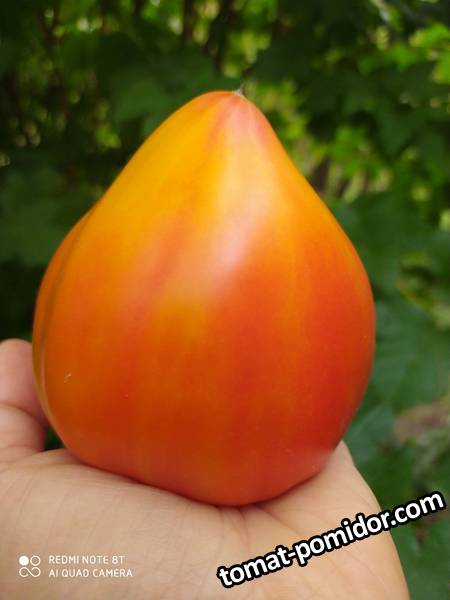
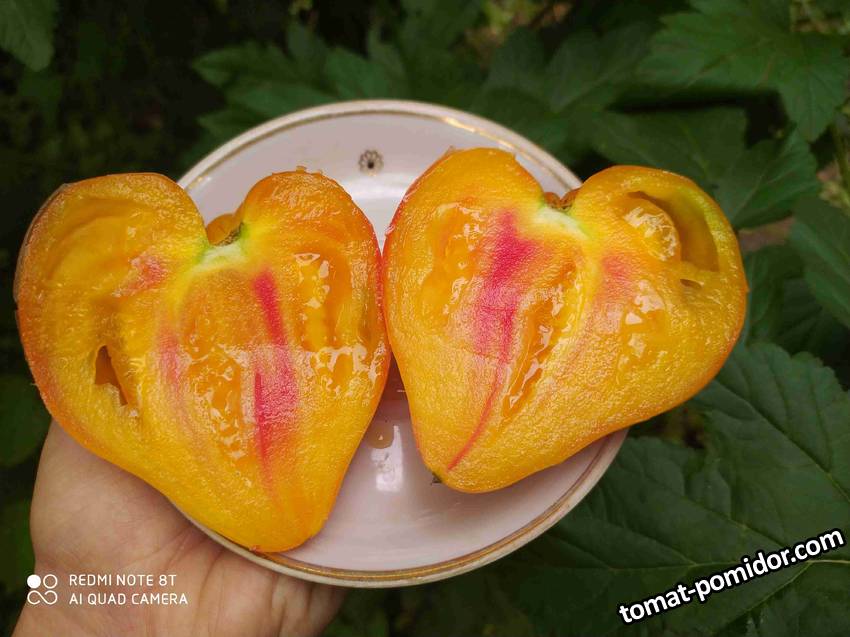
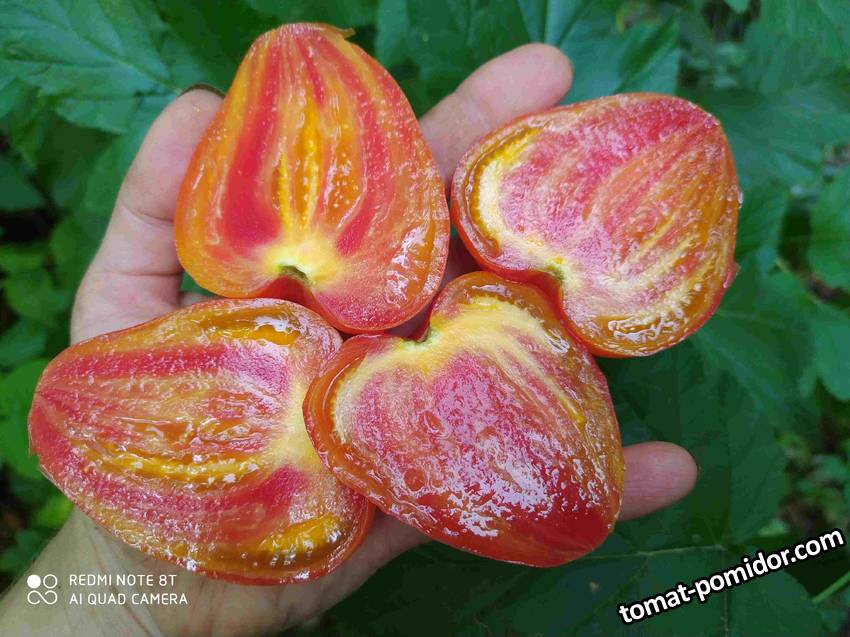
My Canada looks very similar to Apricot Zebra Heart, but the flavor is completely different. The first fruits weren’t sweet at all, quite bland, and the flesh was fibrous. By September the sweetness kicked in and the flavor became pleasant, but that fibrous texture stayed.
Because of the crazy hot weather early in the season this summer, my Canada started ripening way too early before the fruits could size up properly. Long story short, the lower trusses pumped out brightly colored, but still sweet, little runts.
Later on, the upper trusses produced normal-sized tomatoes.
For me, Canadian Heritage is forever my favorite.
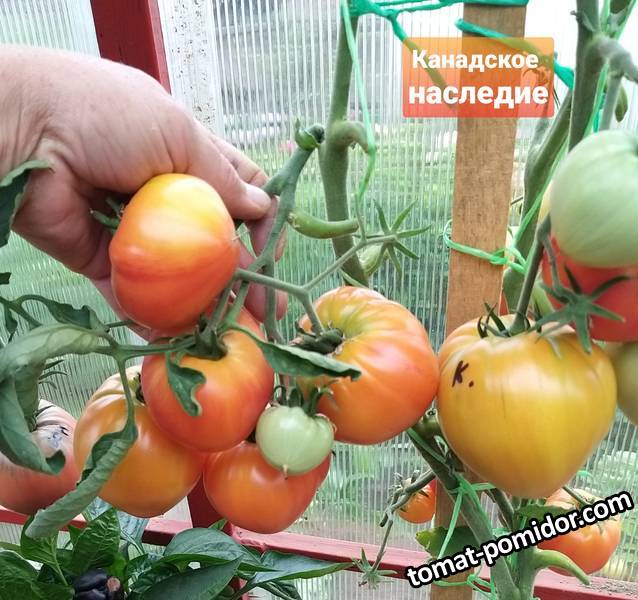
Canadian Heritage – fruits at the end of the season.
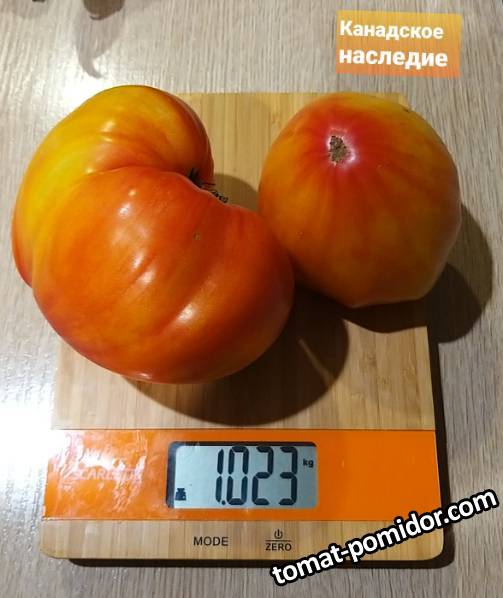
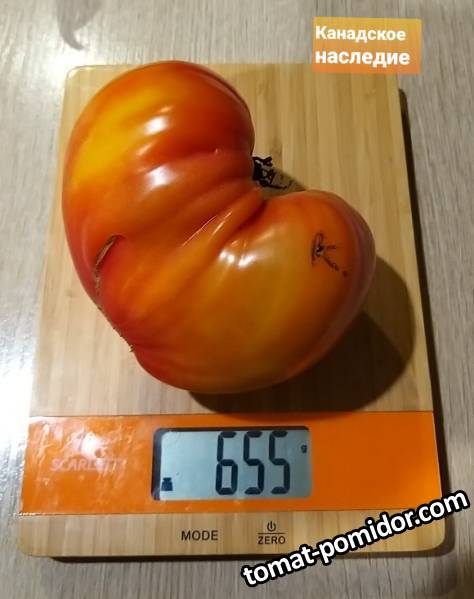
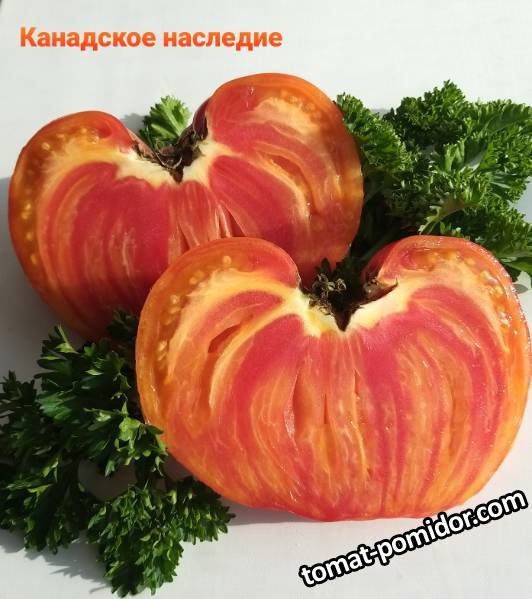
Very tasty and beautiful!!! This photo is from last year, my husband gobbled them all up this year.
User Galiy mentions dumping a lot of “wood ash” into her greenhouse, which resulted in the plants getting sick and the fruit rotting at the stem. In Russian gardening, wood ash is a highly traditional, free fertilizer used to add potassium, calcium, and trace minerals.
However, wood ash is highly alkaline. Over-applying it in an enclosed greenhouse space will spike the soil pH, causing a severe nutrient lockout. When a tomato plant suddenly can’t absorb nutrients correctly (despite them being in the soil), it leads to extreme stress, poor ripening, and physiological disorders like Blossom End Rot (BER) or stem rot. If you use wood ash, treat it like lime—use it sparingly and always test your soil pH first!