📌 Quick Summary (TL;DR): The “Mini Hotbed” Tomato Hack
- 🥶 The Problem: High water tables and melting snow can leave greenhouse subsoil freezing cold, which stunts tomato roots and causes transplant shock.
- 🔥 The Deep Litter Solution: Using actively composting straw and chicken manure (from a coop’s Deep Litter Method) at the bottom of a planting hole acts as a biological heater.
- ⚠️ Avoiding Nutrient Burn: Chicken manure is extremely “hot” (high in nitrogen and ammonia). You must buffer it with at least 8 inches (20 cm) of clean soil so it doesn’t torch your tomato roots!
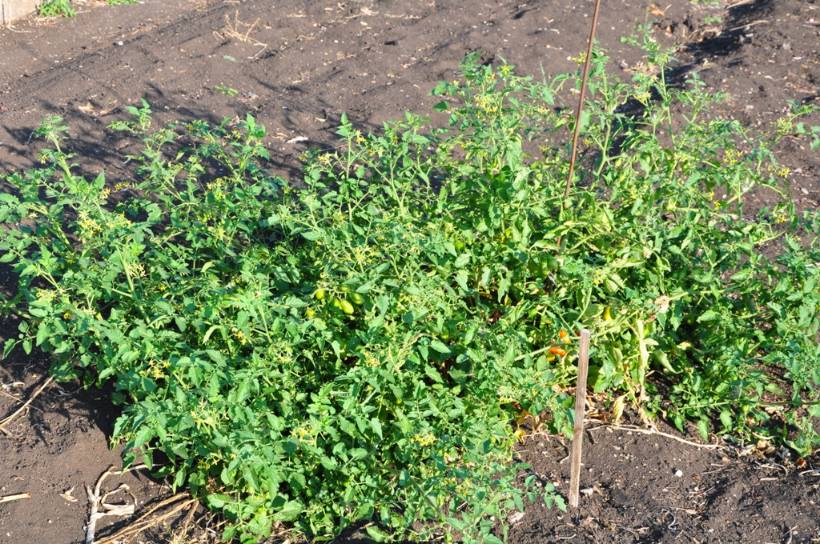
Photo author: MADanilych
Good afternoon!Ludmila, I wanted to ask your advice on something. When I plant my tomatoes in the greenhouse, I always dig my planting holes as deep as I possibly can. Then, I lay down a thick layer of plain straw at the bottom to insulate the roots from the freezing subsoil.
This year, my chicken coop had a massive, thick layer of straw bedding going (the Deep Litter Method). We even inoculated it with beneficial composting bacteria, and the chickens overwintered beautifully on that warm bedding.
I’m thinking, what if I throw that active chicken litter into the bottom of my tomato trenches? I’d put the litter at the very bottom, add a little dry straw over it, and then topsoil.
Will this burn the tomato roots? I’m planning to dilute the chicken litter heavily with plain straw, but I’m still a bit nervous. I haven’t added any other compost or manure to the greenhouse this year, so I shouldn’t hit a toxic nitrogen overload.
My soil is just brutally cold. We have mountains of snow outside, and even though we shoveled around the greenhouse, we have a high water table and a river nearby, so the freezing groundwater just pushes right up from below. That’s why I always try to save the roots with straw. What do you think?
Yesenia (Ludmila) wrote:
Will this burn the tomato roots?
Ludmila, I think it’s a great idea, but you have to make sure the clean topsoil buffer layer over the manure is at least 8 inches (20 cm) thick.
Also, you need to prep these holes in advance, at least three days before planting. Drop the litter in, drench it heavily with hot water to kickstart the composting process, and cover it with the soil. Right before you plant your tomato starts, stick a thermometer in there to check the soil temperature!
Aleksan9ra (Ludmila) wrote:
drench it heavily with hot water to kickstart the composting process…
Thank you, Ludmila! That’s exactly what I was hoping to do. I am prepping the beds super gradually because the ground is thawing out incredibly slowly.
My greenhouse is made of glass, and to make matters worse, it sits mostly in the shade right now. We need all the bio-heat we can get!
Using composting manure to heat soil is a centuries-old technique known as making a Hotbed.Ludmila’s advice to drench the chicken litter with hot water is a pro move. The hot water “wakes up” the thermophilic bacteria, causing the pile to rapidly heat up (sometimes reaching over 120°F / 50°C!).However, Yesenia’s fear of root burn is valid. Chicken manure is extremely “hot,” meaning it’s packed with nitrogen and releases ammonia gas as it breaks down. If tomato roots touch raw chicken manure, they will suffer severe fertilizer burn. An 8-inch (20 cm) buffer of plain soil ensures the roots stay safe while still benefiting from the radiant heat coming from the mini compost pile below!