Growers’ Notes and Photos (USDA Zones 3-5 Experience)
OPO (USA) – dwarf.
Seeds from Angelina. Mid-season, indeterminate. Grew it out in the dirt. The seedling caught some kind of disease, the leaves kept yellowing and drying up starting from the bottom, had to keep trimming them off. Ended up almost throwing it away, but decided to give it a chance. Cut the top off and put it in a glass of water to root a cutting. First time doing that, and pretty late in the game – May 2nd. It rooted pretty fast, but stalled out after I transplanted it to the garden bed, so the plant was short (about 3 feet / 1 m) and pretty spindly. Picked the first fruit on July 23rd. Man, was it delicious!!! Best part is that it was amazing right from the very first tomato! Haven’t eaten tomatoes this good since I was a kid.
Very rich tomato aroma, incredibly bright flavor, sweetness definitely dominates but there’s a nice sharp zing to it too. Flesh is very dense, not watery at all. Yield was below average, but what can you expect from a sick plant that barely survived? Honestly surprised it set anything at all. Definitely growing it again, both outdoors and in the greenhouse.
Edited December 23, 2021 by Drosera


Tatyana, what a gorgeous and appetizing tomato!
But I can’t wrap my head around this: a dwarf on one hand, and an indet on the other? Is that even possible?
I couldn’t find it in the official Dwarf Tomato Project list. Couldn’t find it at the big US or Euro seed vendors either. Tatiana Kushnareva doesn’t have it either!
Very interesting variety!
Quote from Mokushka:
Tatyana, what a gorgeous and appetizing tomato!
But I can’t wrap my head around this: a dwarf on one hand, and an indet on the other? Is that even possible?
Natasha, actually, most dwarfs are true indets. You can count the det dwarfs on one hand.
Quote from Petrofka:
Natasha, actually, most dwarfs are true indets. You can count the det dwarfs on one hand.
What do you mean? Indets are known for unlimited growth, and I’ve never seen that with dwarfs. They grow to about 3 feet (1 m) and top out! All on their own!
I’ve been growing dwarfs for 5 years, and only Ferokofay gets tall, and I’ve grown over fifty varieties!
Please explain, what am I missing here? I’m intrigued! 😆
Quote from Mokushka:
What do you mean? Indets are known for unlimited growth, and I’ve never seen that with dwarfs.
If you look at the specs for almost all dwarf varieties, they specifically list unlimited growth. We’ve talked about this on the forum a bunch of times. Writing from my phone, it’s a pain, I’ll try to drop some links tomorrow.
I think it’s best to check a reliable source. Tatiana Kushnareva’s TOMATObase is perfect for this.
Look at the dwarf list there, each one lists Growth Habit (indet or det). There are both dets and indets among them. I’ve mostly grown the indets.
There are a ton of questions (and answers) about growth habits in the main Dwarf thread.
Edited December 23, 2021 by Petrofka
Grew OPO again this year, but this time I put a couple plants out in the dirt and six in the greenhouse. Once again it became one of the favorites of the season, right alongside its dark buddy PPI (PPI).
So happy with this sweet couple!
Looks like they feel right at home in my conditions, rewarding me with massive yields and excellent taste.
They start impressing you right from the seedling stage. Stocky little tanks, they don’t stretch much, look exactly like Dwarf Tomato Project plants, but they behave more like classic indets. Basically a total win-win for me!
Sowed OPO and PPI on March 5th.
Here’s what the OPO seedling looked like after potting up to a pint (500 ml) container on March 26, from a Feb 20 sowing.


A classic trait is the asymmetrical structure of the “canopy”.

By planting time, OPO was already about 32 inches (80 cm) tall and in full bloom by early May. Photo from May 7.

Plants from the Feb 20 sowing, right before moving to their final spot on May 9.


Set fruit well, only dropped a tiny amount of blossoms during peak heat.
By June 5, the second trusses were already setting fruit…


July 11, the first fruit started getting color on one of the plants…


July 20…


Outdoor plants on July 18…

Out in the dirt they grew to about 4 feet (130 cm), and in the greenhouse around 5.5 to 6 feet (160-180 cm).
Pruned almost all of them to 4-6 stems. Mature plants aren’t too dense with foliage, so even with all those stems, they get plenty of airflow and light.
Taste was outstanding right away – from the very first tomato, which is a massive plus. The main thing for me is that it’s not bland. Sweetness dominates with a touch of acid, very pronounced tomato aroma. Firm but juicy flesh, no excess moisture, doesn’t leak when sliced.


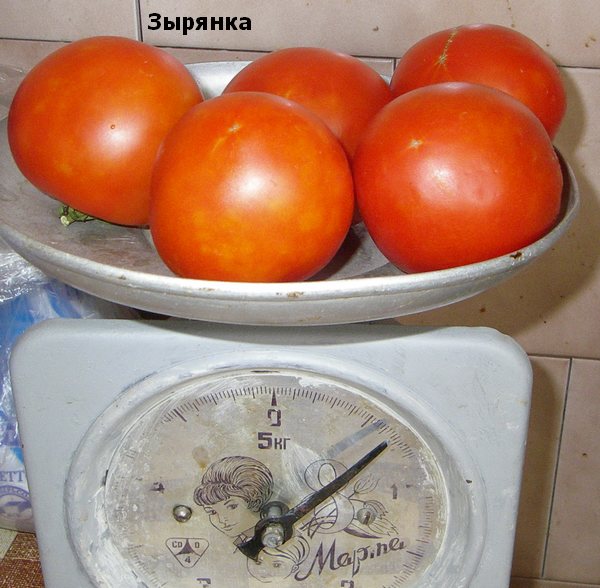
Average weight is around 7 to 14 oz (200-400 g).


Here is OPO (on the right) next to PPI (on the left), just for comparison…


Edited December 20, 2022 by Tatka
(More harvest photos by Tatka below:)


Quote from Tatka:
from a Feb 20 sowing.
Do you think sowing in early March would be too late? 📩 🙋♀️
Quote from Tatunya:
Do you think sowing in early March would be too late?
Tanya, go for it! It’ll be perfectly fine!
I actually did an experiment this year and sowed them in four batches: Feb 20, March 5, March 21, and even March 30.
Naturally, the ones I sowed first (Feb 20) started ripening earlier and ended up taller. But I planted out the March 5 and March 21 ones too. Didn’t bother planting the March 30 ones, gave those to a neighbor.
I had to pull the plug on my season early this year, but everything still managed to ripen on the vine. You saw that I already had cover crops booming in my greenhouse by September 🧀
Quote from Tatka:
Naturally, the ones I sowed first (Feb 20) started ripening earlier…
Did the February ones actually ripen that much earlier?
And how was OPO’s yield this year? Better than last year?
Anya, all the photos in my last post about OPO strictly apply to the February 20th sowing. I mentioned it there…
Quote from Tatka:
Here’s what the OPO seedling looked like after potting up to a pint (500 ml) container on March 26, from a Feb 20 sowing.
Thought it was obvious that all the photos posted below that also belonged to that same sowing date.
As for the yield, I can definitely say PPI yielded heavier. But comparing OPO to last year isn’t really fair. In 2021, my single OPO plant was an emergency rooted cutting… So it stalled out hard, started setting fruit way later, and obviously had way fewer tomatoes on it compared to summer 2022.
Here’s what I wrote back then about rooting the cutting…
Quote from Tatka:
Ended up almost throwing it away, but decided to give it a chance. Cut the top off and put it in a glass of water to root a cutting. First time doing that, and pretty late in the game – May 2nd. It rooted pretty fast, but stalled out after I transplanted it to the garden bed, so the plant was short (about 3 feet / 1 m) and pretty spindly.
Indet, reaches about 3 feet (1 m) outdoors, mid-season. Round or slightly heart-shaped fruits, very uniform, pink, weighing 5 to 9 oz (150-250 g). Meaty, sweet flesh, extremely tasty. Doesn’t get sick, tolerates cold dips, produces right up until frost.


OPO (Dwarf OPO)
Excellent variety, grew like a full-on indet in the greenhouse. Pruned to 2 stems, very delicious pink round beauties 😋 weights up to 10.5 oz (300 g).

Full Summary: Plant, Yield, Taste and Characteristics
- 🌿 Plant: Indeterminate with dwarf/tree-type characteristics. Seedlings are stocky and compact (classic dwarf traits), but the mature vines perform like vigorous indeterminates, reaching 5.5 to 6 feet in a greenhouse. Rugose foliage is sparse enough to allow good airflow.
- 📈 Yield: Excellent and dependable. Tolerates heat waves with very little blossom drop and continues producing right up until frost. Can be successfully grown to multiple stems (4-6).
- 🍅 Fruit Size & Shape: Very uniform round or slightly heart-shaped pink fruits. Weights generally range from 5 to 14 oz (150-400 g).
- 👅 Taste & Texture: Highlighted as an absolute favorite for flavor. Offers an incredibly rich, old-fashioned tomato aroma with dominant sweetness backed by a bright zing. Dense, meaty, and not watery.
- 🌎 Who Reviewed It: Extensively grown and debated by gardeners in USDA Zones 4 and 6 (Kazan, Moscow, Nizhny Novgorod, Pyatigorsk), proving its adaptability to both greenhouse and outdoor dirt environments.
The debate between Mokushka and Petrofka perfectly highlights a common misunderstanding in heirloom tomato gardening. When people hear “Dwarf,” they often assume it means “Determinate” (a bush that grows to a set height, sets all its fruit at once, and dies). However, most varieties from the Dwarf Tomato Project (and adjacent lines like OPO and PPI) are genetically Indeterminate. They have a dwarfing gene that causes rugose (crinkled) foliage, very thick central stems, and extremely short internodes, making them look like stocky “tree-types.” Despite their compact structure, they will keep growing taller and producing fruit until a hard frost kills them—just like a standard sprawling indeterminate vine.