📌 Quick Summary (TL;DR): Zolotaya Rapsodiya (Golden Rhapsody)
- 🌍 Origin: A Russian commercial variety. The name translates to “Golden Rhapsody.” It is famously marketed on its seed packet as having genetic resistance to Late Blight (Phytophthora).
- 🌿 Plant Habit: The seed packet claims it is a shorter plant, but forum growers consistently report it growing into a massive, vigorous indeterminate (tall) vine. It is a mid-to-late season variety. Performance can be poor in a hot greenhouse, making it a better candidate for outdoor growing.
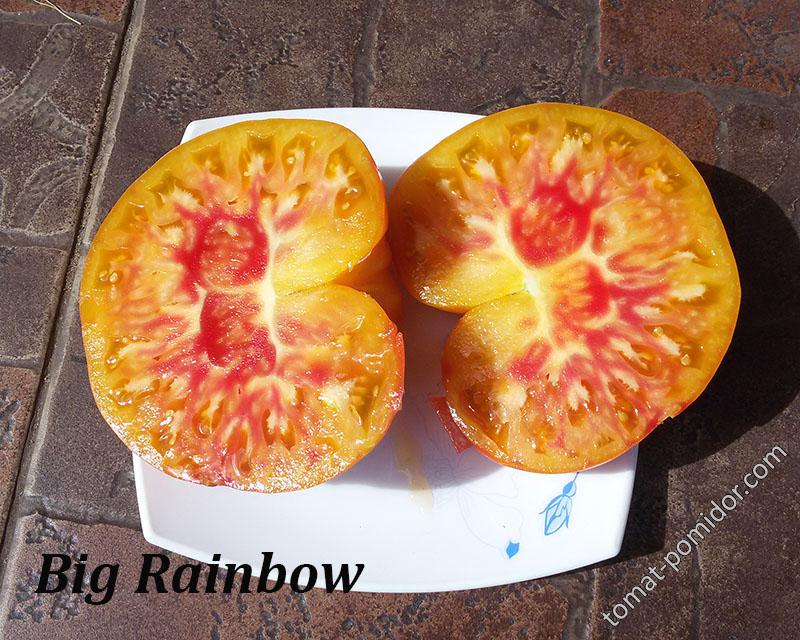
- 🍅 Fruit Characteristics: Large, somewhat barrel-shaped or blocky fruits. The interior cross-section is highly praised for being incredibly beautiful (typical of bicolors with a blush core). They are highly resistant to cracking and easily reach 10.5 oz (300 g) or more.
- 👅 Flavor: Delicious, sweet, and highly rated by growers.
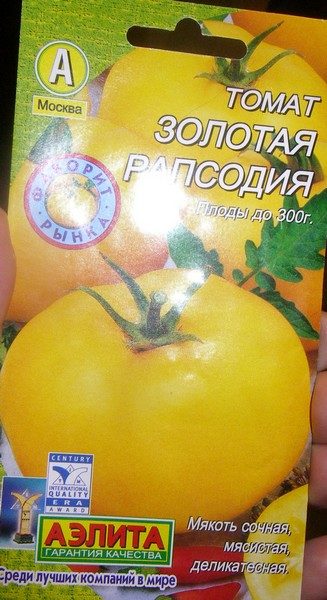
This is one of my absolute favorites, even though I didn’t grow it in 2012, simply because I had too many new varieties I needed to try. Here is what the seed packet looked like.
The only thing that didn’t match the packet description was the plant height. Mine grew into massive indeterminate vines. They were mid-season (leaning closer to mid-late season), and very productive. The fruits are large, delicious, and didn’t crack at all. I feel like some of them weighed well over 10.5 oz (300 g), though I wasn’t really weighing my tomatoes back then.

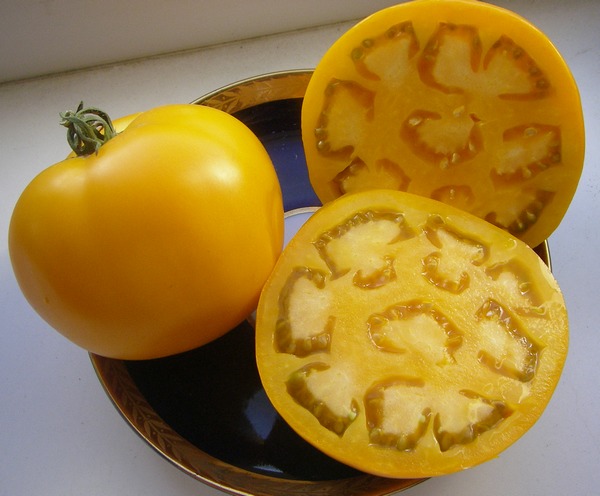
Wow, that cross-section is gorgeous! 👍 And is the claim about genetic resistance to late blight actually true?
Edited January 12, 2013 by Nelya
Yeah, that slice looks really interesting! 😲 👍
My Golden Rhapsody had a terrible yield in the greenhouse last season. I could literally count the fruits on one hand. The taste was delicious though, and the shape was kind of barrel-like.
It didn’t make the cut for my grow list this year because I just want to try new varieties. If I ever grow it again, it’s strictly going out in the dirt.
Galina points out a very common issue with Eastern European commercial seed packets: lying about the plant height! Seed companies know that compact, determinate varieties sell better to everyday backyard gardeners who don’t want to deal with tall trellises. As a result, they frequently mislabel vigorous indeterminates as “compact.”
As for Nelya’s question about Late Blight resistance: “genetic resistance” is often a marketing buzzword. While some varieties tolerate damp, blight-prone conditions better than others, very few large heirlooms are truly immune to late season blight if the weather turns cold and wet. Also, Meri’s note about poor greenhouse yield suggests this variety might suffer from blossom drop if temperatures get too hot under glass, making it a better candidate for outdoor growing!