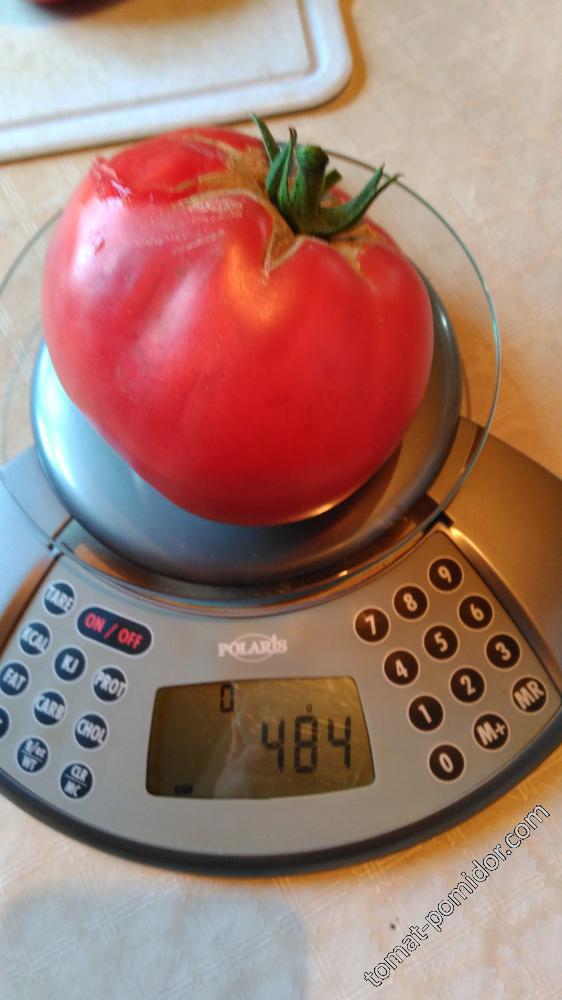
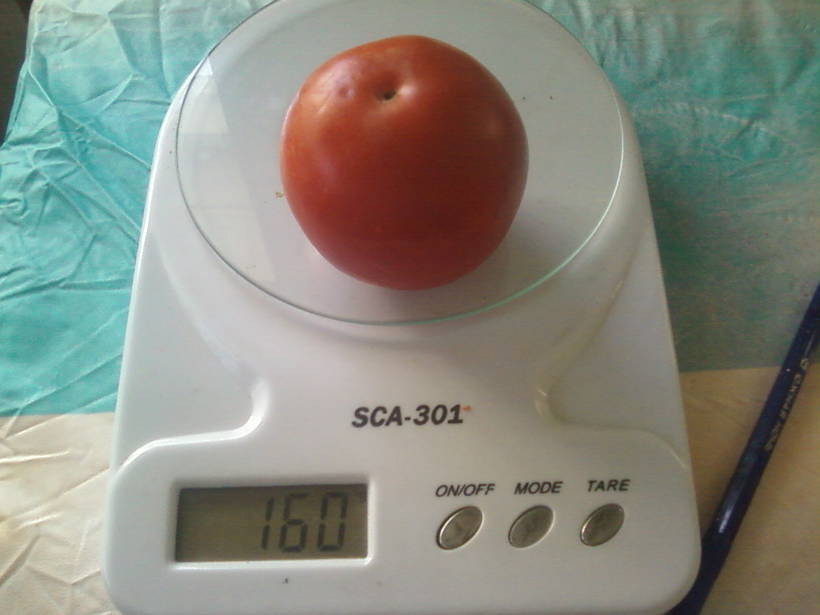
📌 Quick Summary (TL;DR): Zapotec Pink Ribbed
- 🌍 Origin: A famous indigenous heirloom originally cultivated by the Zapotec people of Oaxaca, Mexico. Renowned for its deeply pleated, almost ruffled appearance.
- 🌿 Plant Habit: Indeterminate (tall). A vigorous, heavy-vined plant that easily reaches 5.9 feet (1.8 m) in a greenhouse setting.
- 🍅 Fruit Characteristics: Deeply ribbed, pink, bell-shaped or ruffled beefsteaks. While they look stunning on a plate, growers often report that the shape can be highly variable even on the same plant.
- 👅 Flavor & Yield: Often grown more for its looks than its performance. Many growers find it to be a shy yielder with an average, mild flavor profile. It is somewhat hollow inside, making it better for stuffing or slicing for visual appeal rather than fresh eating.
I grew this variety for the first time. Planted two in the hoop house. Both were vigorous, tall vines, hitting about 5.9 feet (1.8 m). For me, both plants turned out to be really shy yielders. The flavor didn’t blow me away either, I’d give it a solid B grade. The fruits on both plants actually had slightly different shapes, but I have to give them credit, they were gorgeous.
Edited January 17, 2015 by Drosera
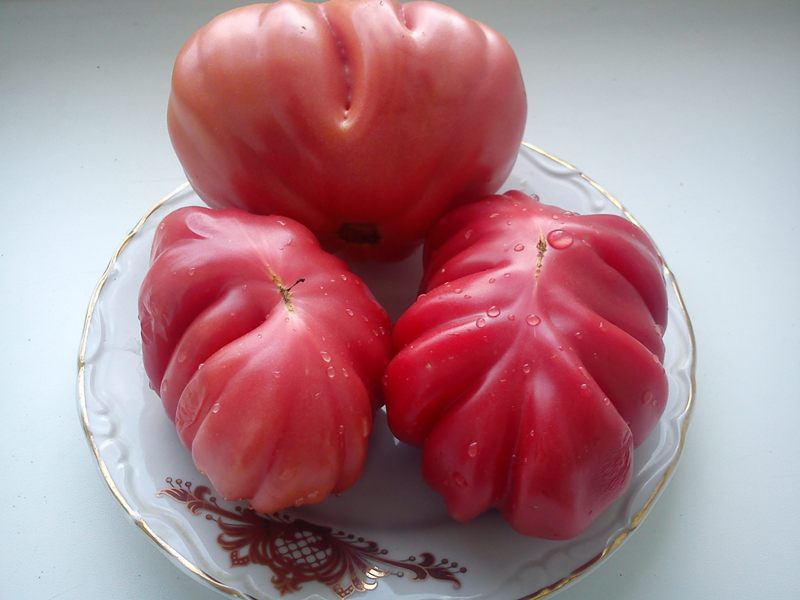
Mine looked like that too. But I’ve seen pictures online where it looks totally different. I also grew Pink Accordion and Bicolor Accordion. All three of them looked exactly the same to me.
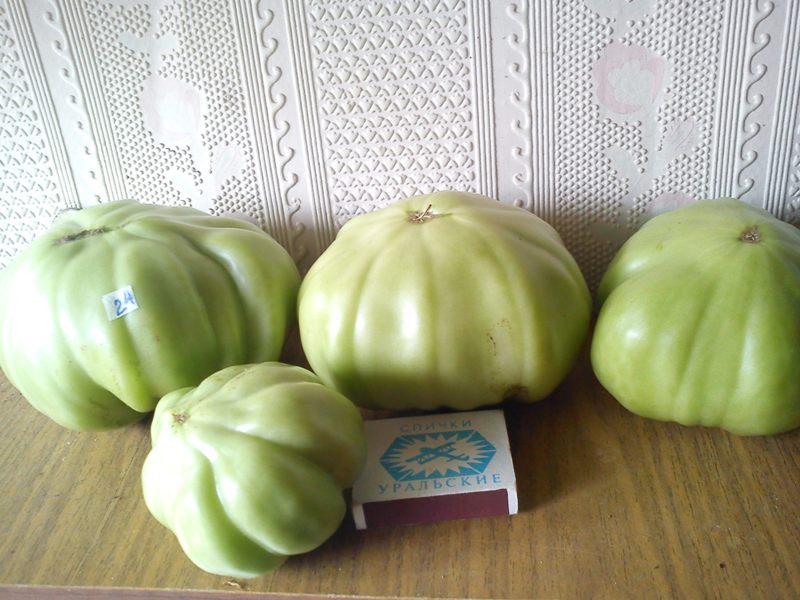
My Zapotec Pink (from Redko’s seeds) looked like this, I only have a picture of it green though. It wasn’t a great yielder. I also grew Pink Accordion from Gusev’s seeds, and it didn’t look anything like Zapotec to me.
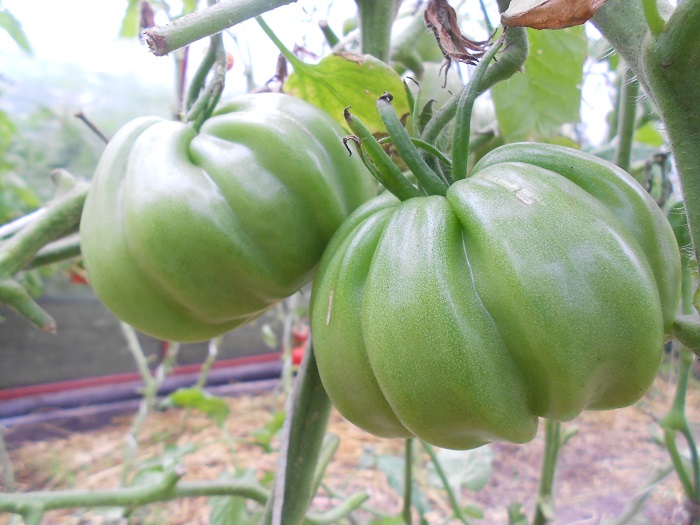
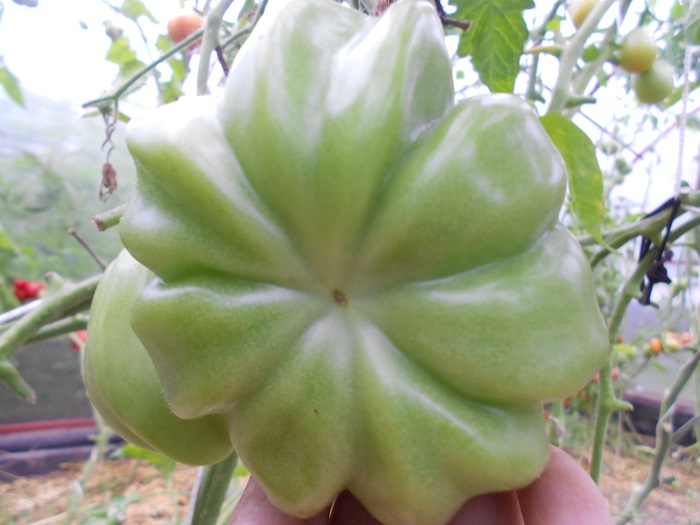
Lana mentions giving the flavor a “solid 4,” which in the translation is localized to a “solid B.” This refers to the standard 5-point grading system used in Russian schools, where a 4 is good but not excellent.
Also, the conversation between Vera and Tatiyanka highlights a massive, ongoing issue in the heirloom seed trade: the mix-up of heavily ribbed varieties! Tomatoes like Zapotec Pink, Pink Accordion, Tlacolula, and Costoluto Genovese share very similar deeply pleated genetics. Because they look so alike, they frequently get crossed or mislabeled by seed vendors. This is why Vera’s Accordion and Zapotec looked identical, while Tatiyanka’s (from a different seed vendor) looked completely different!