📌 Quick Summary (TL;DR): Costoluto Genovese
- 🌍 Origin: A legendary Italian heirloom from the Genoa region. It has been a staple in Italian gardens for generations, highly prized for its heavily scalloped, decorative shape.
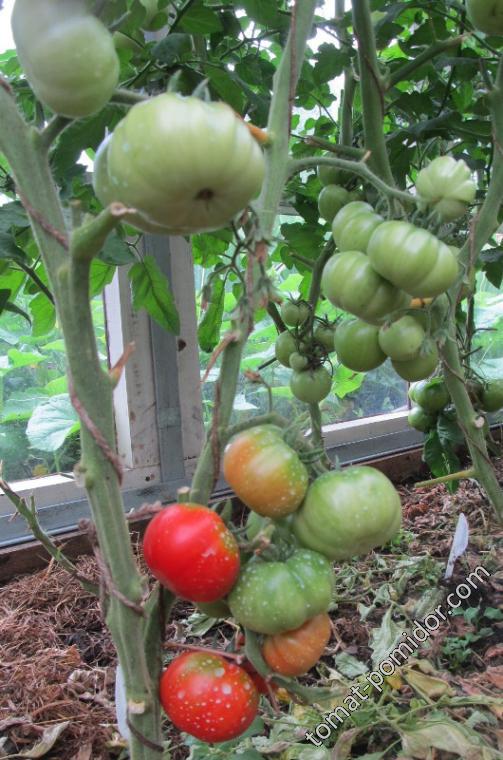
- 🌿 Plant Habit: Indeterminate (tall), vigorous, and incredibly robust. It is famous for its hardiness, tolerating both heat spells and cooler autumn temperatures exceptionally well. Note: It can be prone to excessive vegetative growth (too much foliage, few flowers) early in the season if the soil is too rich in nitrogen.
- 🍅 Fruit Characteristics: Bright red, deeply ribbed/fluted tomatoes. Slicing them horizontally creates beautiful, scalloped cross-sections.
- 👅 Flavor & Use: Possesses a robust, old-fashioned, distinctly acidic/tart tomato flavor. While it can be eaten fresh in salads, its true calling is processing—it makes world-class rich pasta sauces, juices, and pastes.
- ⏳ Maturity: Mid-to-late season (roughly 85 days). It often produces reliably right up until the first frost.
Description from the seed packet:
“Tomato Costoluto Genovese, Heirloom. Large, red, ribbed tomatoes. Good yields, excellent for tomato juice, the plant is tolerant to both cold and heat. Days to maturity: 85 days.”
For me, Costoluto Genovese initially suffered from excessive vegetative growth (all leaves and thick stems, no flowers). The plant is very powerful and tall. Eventually, small tomatoes started to appear. By mid-August, it really kicked into high gear and even started breaking branches that I hadn’t tied up yet 🙂.
The description says its main purpose is for juice, but I sliced it up for salads. It’s actually very convenient to cut along the ribs. The taste turned out to be sweet-and-sour, with a classic, robust tomato flavor.
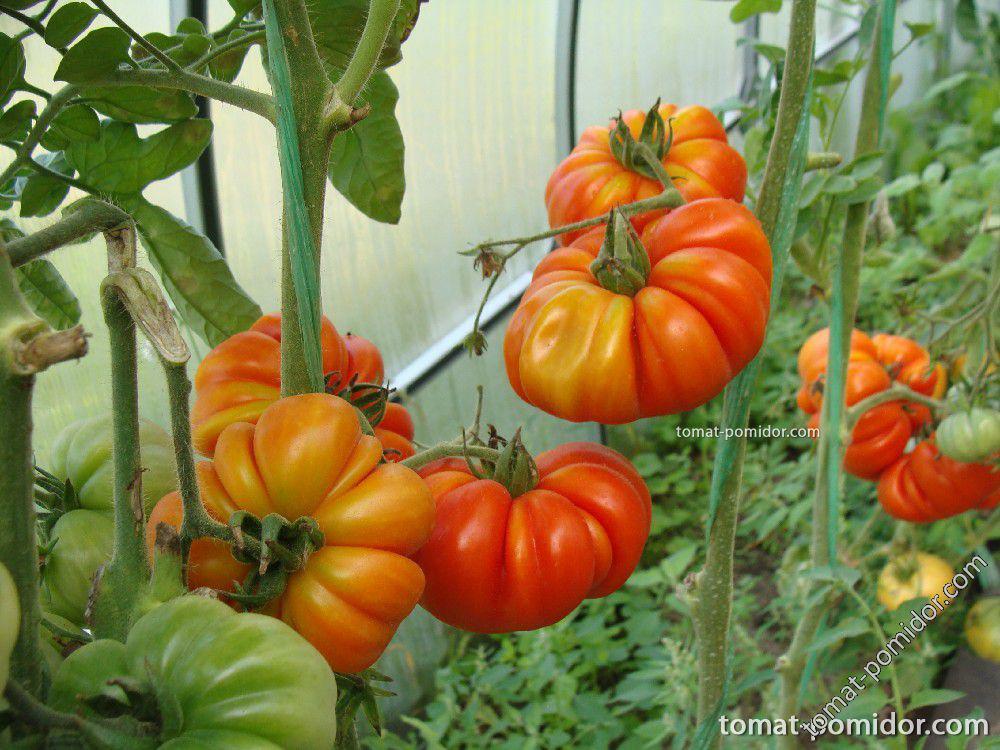
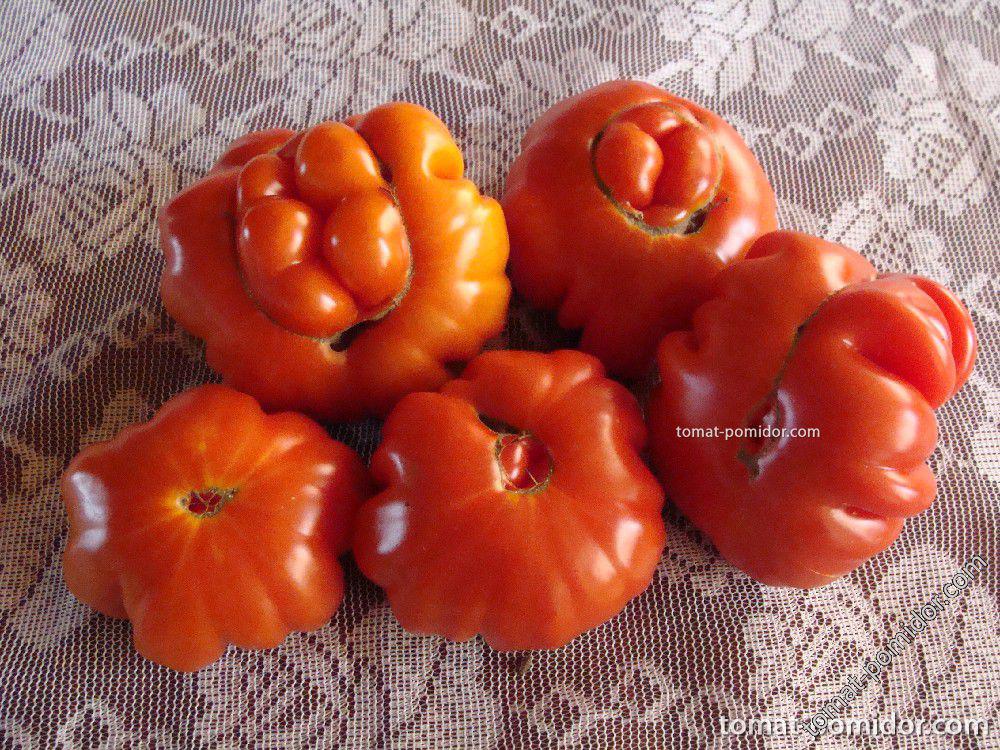
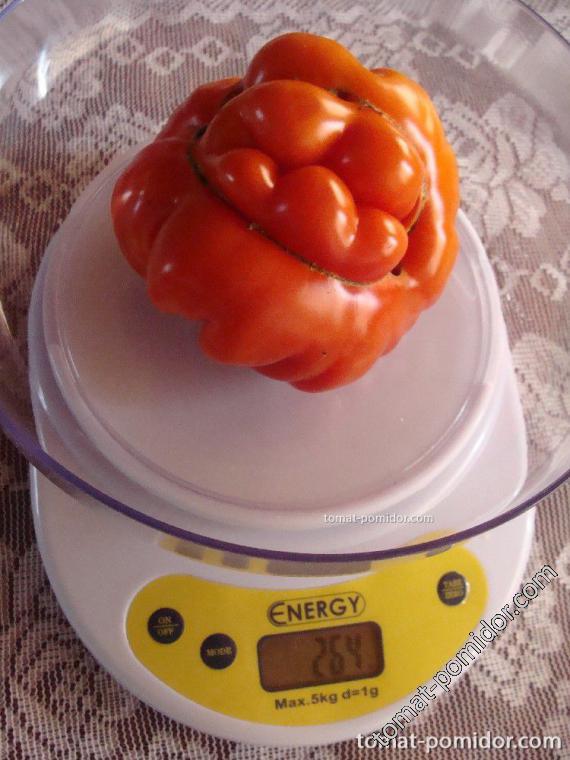
For me, this variety was completely trouble-free! And it kept bearing fruit right up until late autumn. It was a bit on the acidic/tart side, though. But it stored very well after picking. I used it mostly for processing, of course. But it is just so beautiful!!!
Ninulia wrote:
For me, this variety was completely trouble-free! And it kept bearing fruit right up until late autumn. It was a bit on the acidic/tart side, though. But it stored very well after picking. I used it mostly for processing, of course. But it is just so beautiful!!!
Nina, could you describe Costoluto Genovese in a bit more detail—days from germination, plant height, fruit weight, and yield? Thank you.