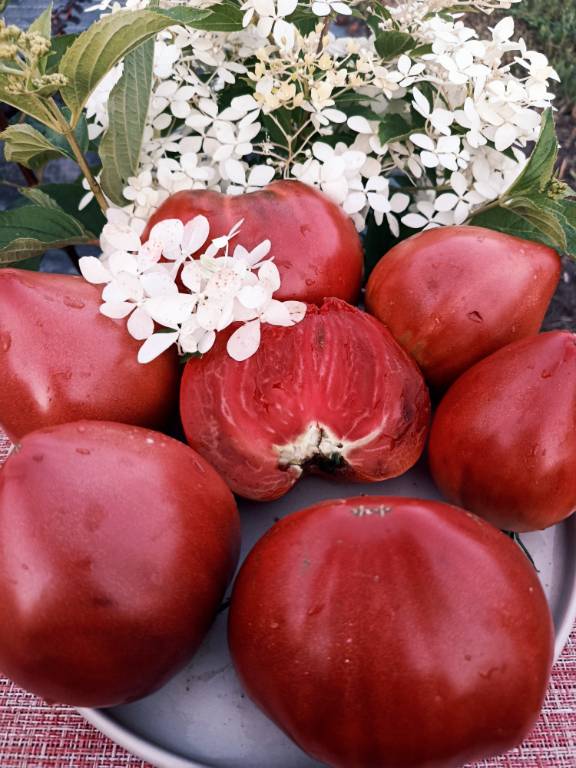
🍅 Quick take: Linnie’s Oxheart (also known as Linnaeus Heart) is a highly praised indeterminate USA oxheart variety that produces gorgeous, brick-red to brownish fruits weighing 7 to 14 oz. Known for its meaty texture, almost seedless flesh, and exceptionally sweet, rich flavor, it has become a permanent staple for many growers. The thread below features extensive photos, yield reports, and a masterclass on heavy feeding for maximum greenhouse production. Full summary ↓
Growers’ Notes and Photos (USDA Zones 3-6 Experience)
Linnaeus Heart (USA). Seeds originally from Redko, passed to me through Rosinka (Galina).
Description from Redko: Moderate height vine, mid-early variety. Fruits are red, heart-shaped, weighing 10.5-14 oz (300-400 g), very delicious, meaty, with practically no seeds. Extended fruiting period.
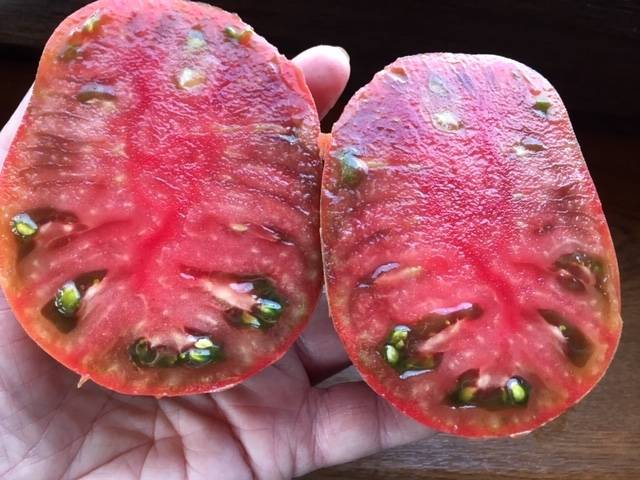
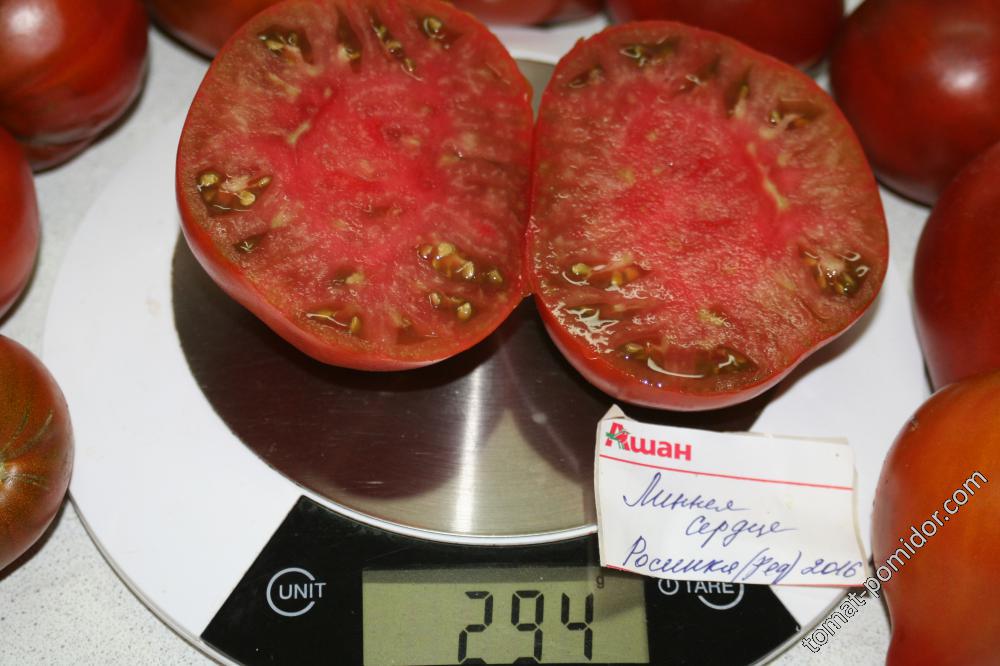
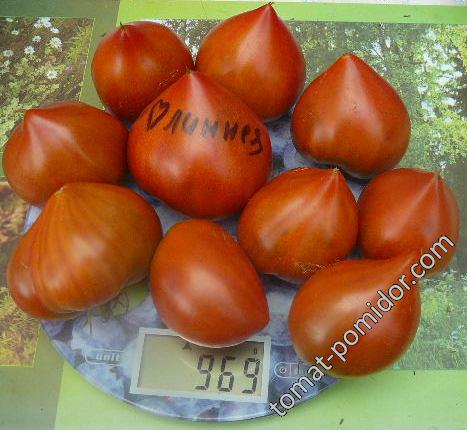
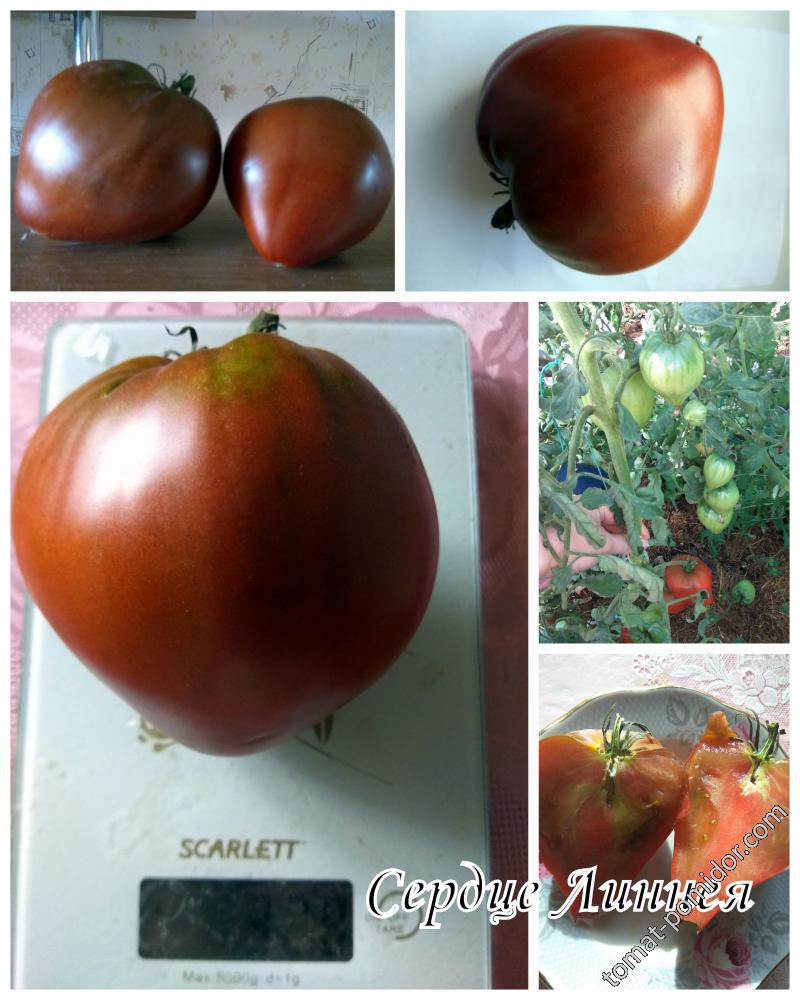
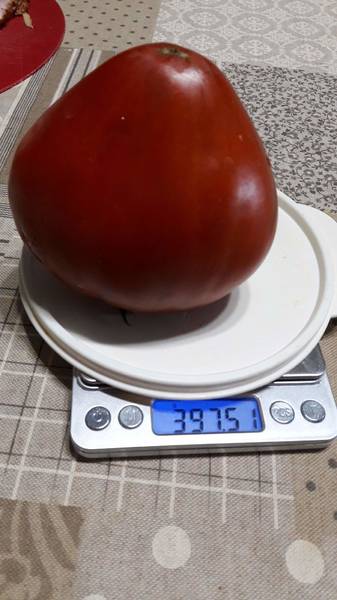
My own notes: I’ve been growing it for 2 years in a row. I really love the unusual color, it’s red with a brownish tint, and the gorgeous heart shape. In 2016, I seeded it on February 19 and it started ripening on July 12, so it’s definitely mid-early. I prune it to 2 leaders, fruit set is great. It grew right in a drafty spot opposite the greenhouse door. The fruits are meaty but not overly dense. Very few seeds.
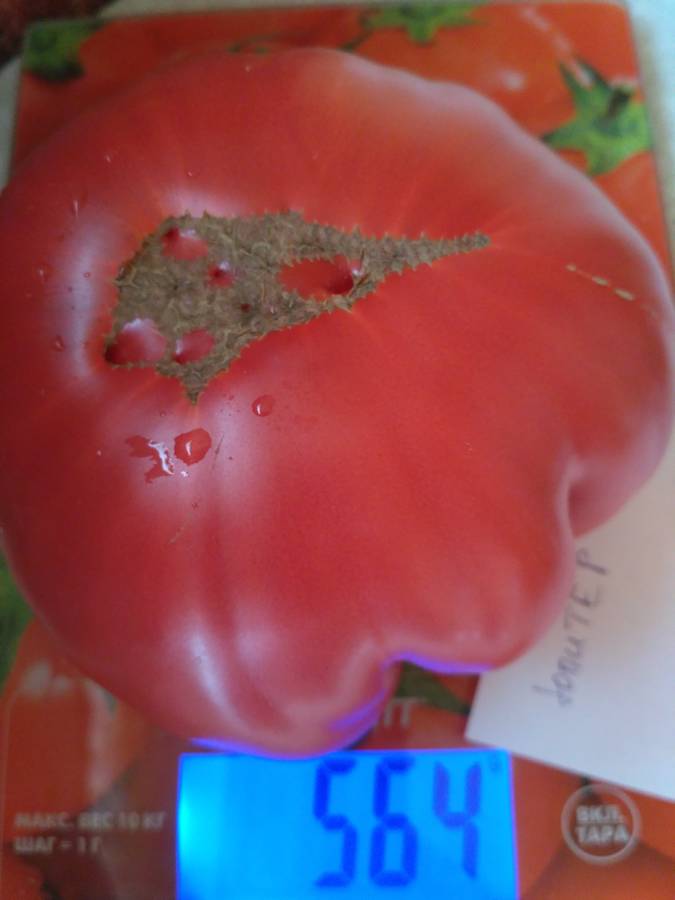
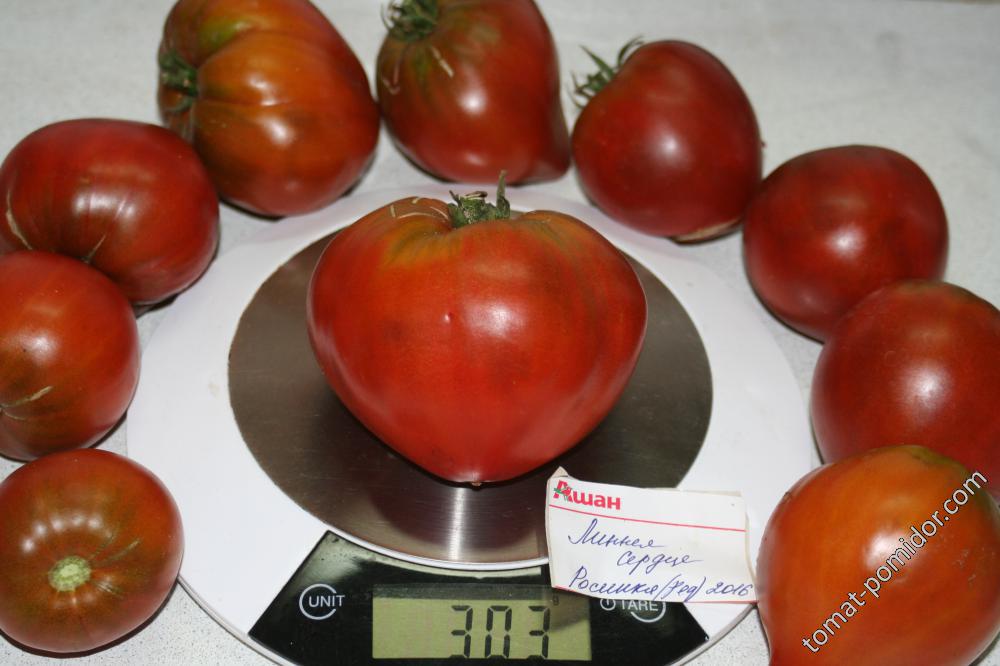
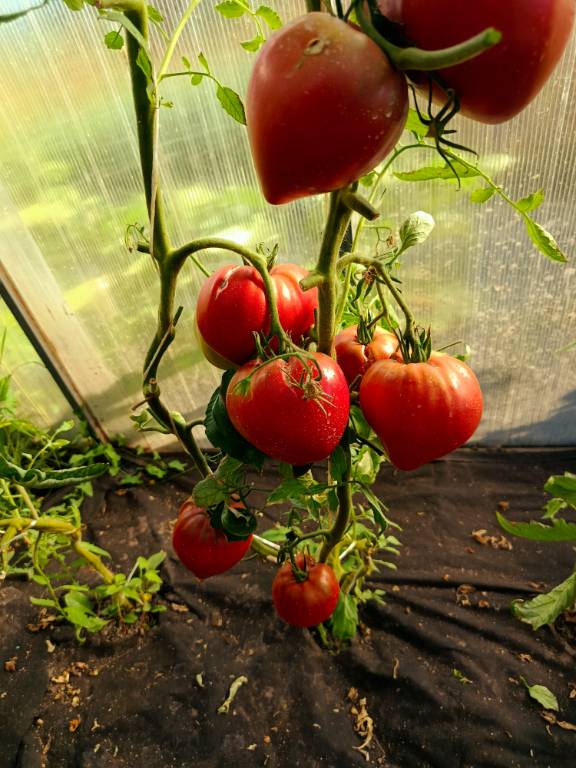
Photo on the vine is from July 26, photo on the scale is August 1, showing a harvest from a single plant. I also found a photo from 2015, the fruits were larger that year but there were fewer of them.
Edited February 3, 2017 by Drosera
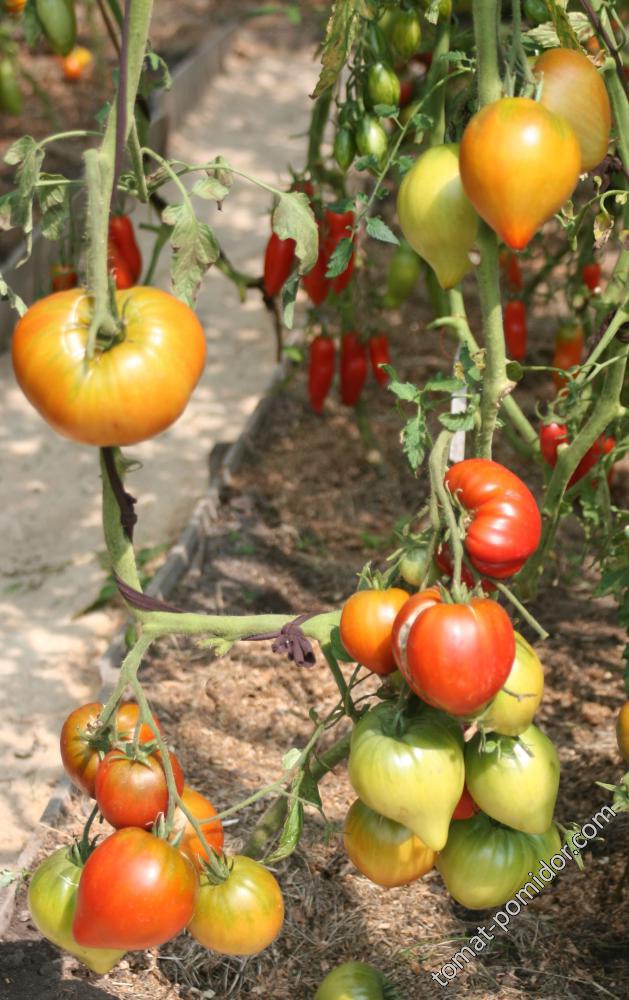
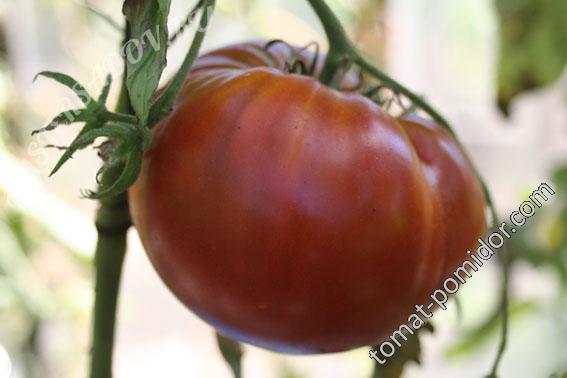
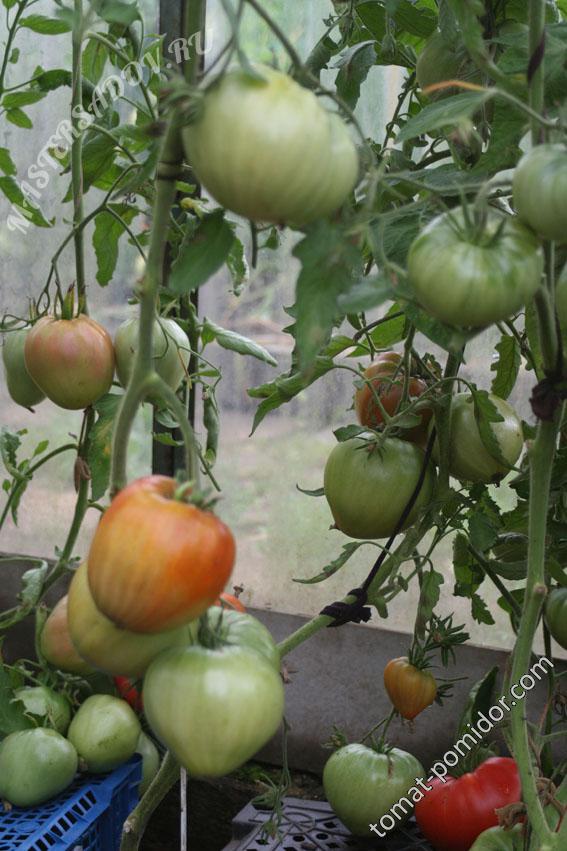
The shape and color are so beautiful! Could you tell me if this tomato has more of an acidic bite or is it on the sweet side?
Hey y’all, does anyone have a link to this variety from other online sources? Besides V. Redko’s catalog, I couldn’t find this variety mentioned anywhere else.
Or maybe the original source had the name slightly wrong? I found something very similar here:
Linnie’s Oxheart http://tatianastomatobase.com/wiki/Linnie%27s_Oxheart
Alisa said:
Could you tell me if this tomato has more of an acidic bite or is it on the sweet side?
It definitely leans sweet.
ElenaN said:
Hey y’all, does anyone have a link to this variety from other online sources?
Lena, my source is Redko, we’d probably have to ask her where she got it from initially.
I’m growing it for the second year using seeds from Olya (Zolushka). I really love the shape and color of this tomato. The taste varies for me, sometimes it’s super sweet, sometimes a bit milder. But I can’t imagine my tomato season without this beautiful heart anymore. Thank you to this forum, you can discover so many varieties and fall in love with some of them forever!

FLOKSA said:
But I can’t imagine my tomato season without this beautiful heart anymore. Thank you to this forum, you can discover so many varieties and fall in love with some of them forever!
I agree 100%! I also grew this stunning variety from Zolushka’s seeds! Beautiful, highly productive, and incredibly delicious! I fell in love with it forever! Olya, thank you so much! Photos are in my gallery album.
Hey folks, is it an indet?
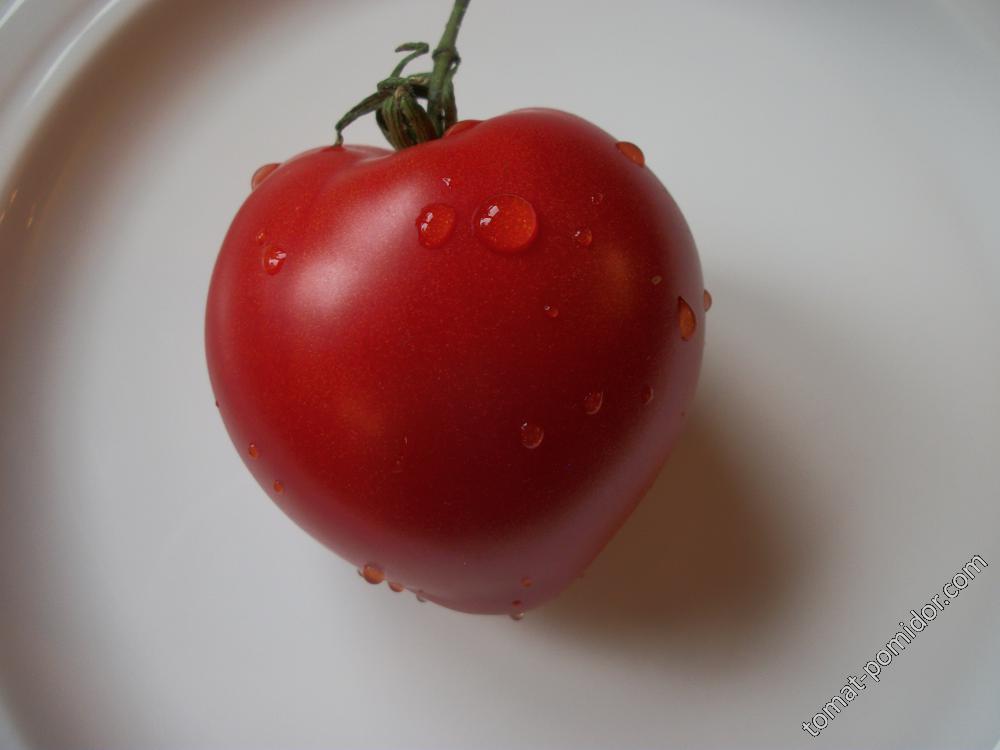
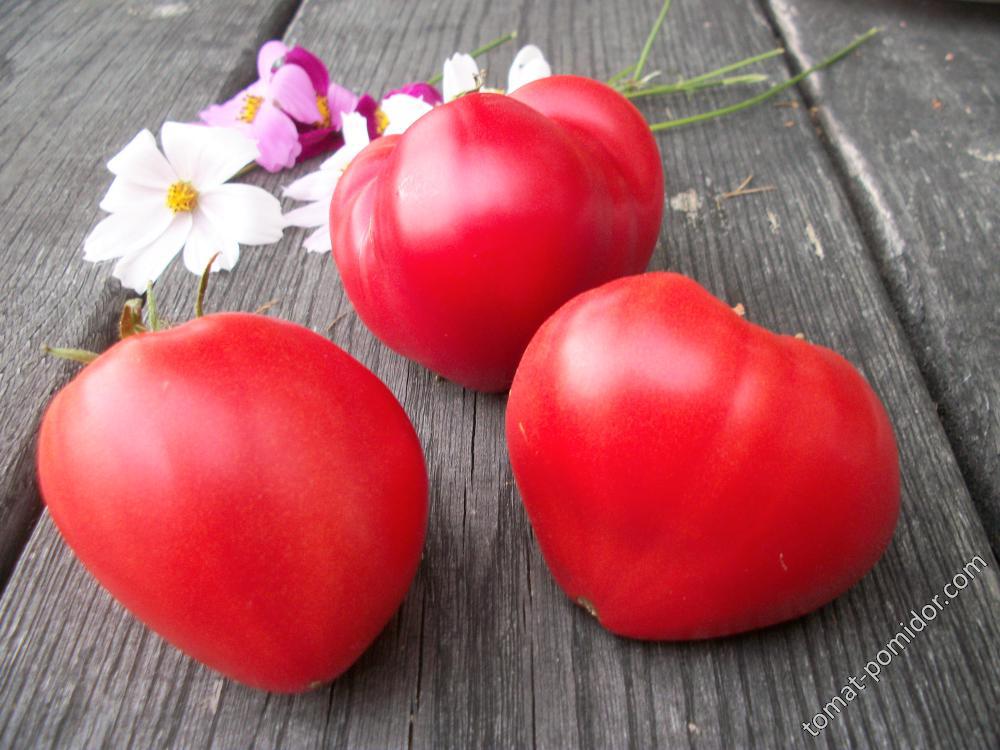
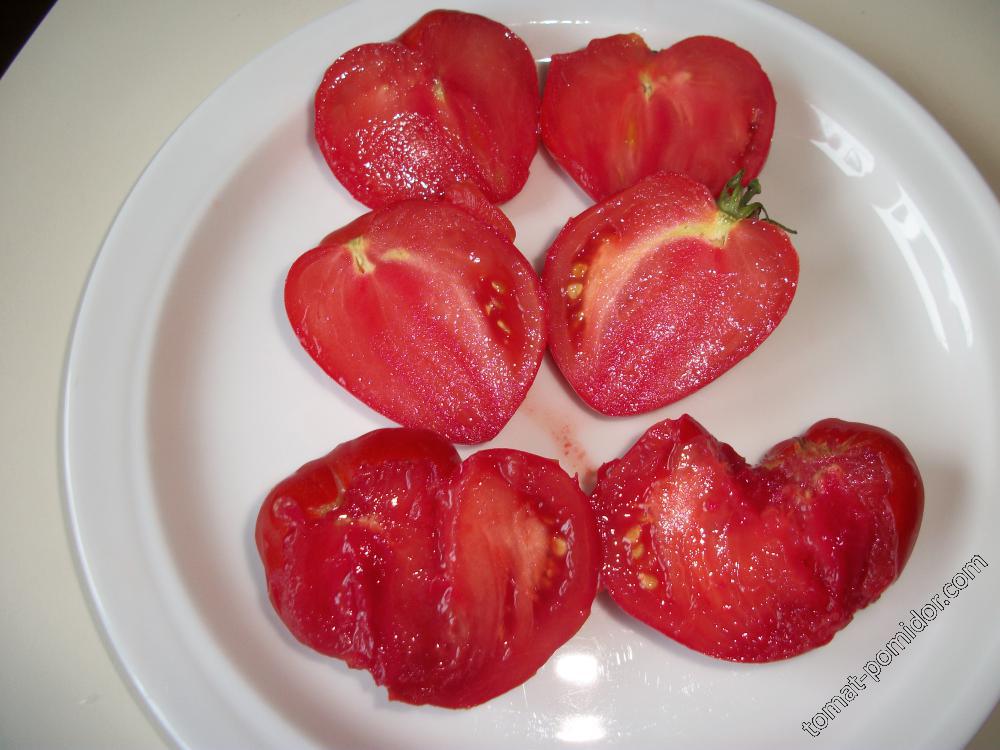
I grew Linnie’s Oxheart this year too. My seeds came from Natasha (NataNata). Unlike the other folks she sent seeds to, my fruits didn’t turn out red with a brick tint, but rather a crimson-raspberry red. The vine reached about 5.5 ft (1.7 m).
It’s a mid-season variety, great yielder, with an extended harvest period. It set every single truss without dropping any blossoms. The fruits are very uniform, smooth, with a gorgeous heart shape. They weighed up to 7 oz (200 g). Extremely sweet, delicious, meaty, but still juicy. I’ll definitely be repeating this one in the future.
Marina 111 said:
Hey folks, is it an indet?
Marina, it’s an indet, but it’s not some aggressive 10-foot (3 m) monster, it’s a very well-behaved plant. Definitely a candidate for a permanent spot in the garden.
Edited September 16, 2017 by Olya_Pskovishna
I also got my Linnaeus Heart seeds from NataNata (thank you!), and my fruits turned out looking so beautiful with that brownish tint. They weren’t huge, but the flesh is juicy and the skin is firm. It was an indet vine, but unfortunately not all the trusses ripened for me, it dropped a lot of blossoms near the top. But I’m absolutely planting it again next year.
ivanovochka said:
…my fruits turned out looking so beautiful with that brownish tint. They weren’t huge, but the flesh is juicy and the skin is firm… it dropped a lot of blossoms near the top.
How interesting, Natasha! Our seeds likely came from the exact same plant, yet we grew completely different tomatoes. My fruits were larger, especially on the upper trusses. It didn’t drop a single blossom. The color is different, and the shape is slightly different too. Plus, the skin on mine was very tender.
Yuliya, my seeds were from Natasha too. Natasha actually mentioned she got hers from Redko, but in Redko’s catalog, Linnaeus Heart looks different. Just yesterday the new catalog came out, and there is a tomato that looks exactly like ours but under a different name. I wonder what the true name of our favorite actually is?

Tiffany said:
How interesting, Natasha! Our seeds likely came from the exact same plant, yet we grew completely different tomatoes.
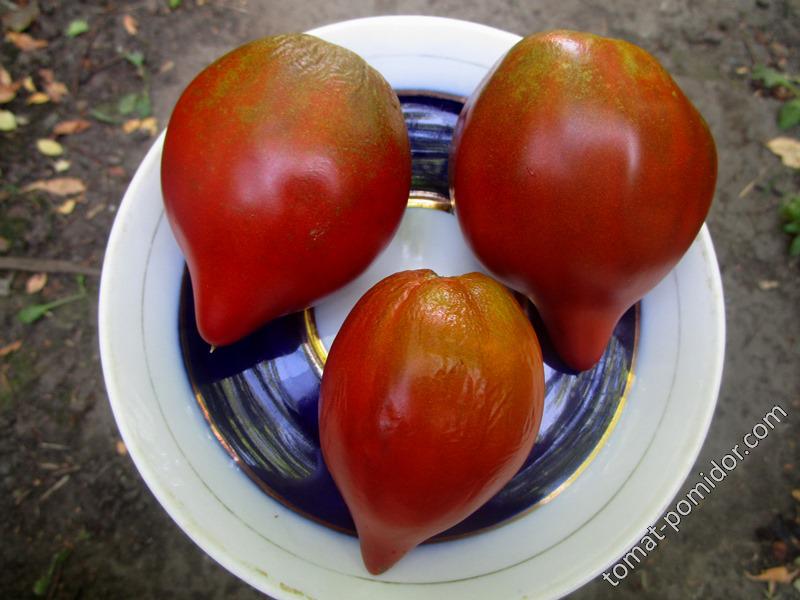
Yep Yuliya, from the exact same plant (if not the exact same tomato even). Things like that happen sometimes! Well, don’t worry, you’ll have duplicate seeds soon, hopefully you’ll get the right phenotype next time. And here are the photos of the 2016 parent plant (seeds originally from Olya Zolushka):
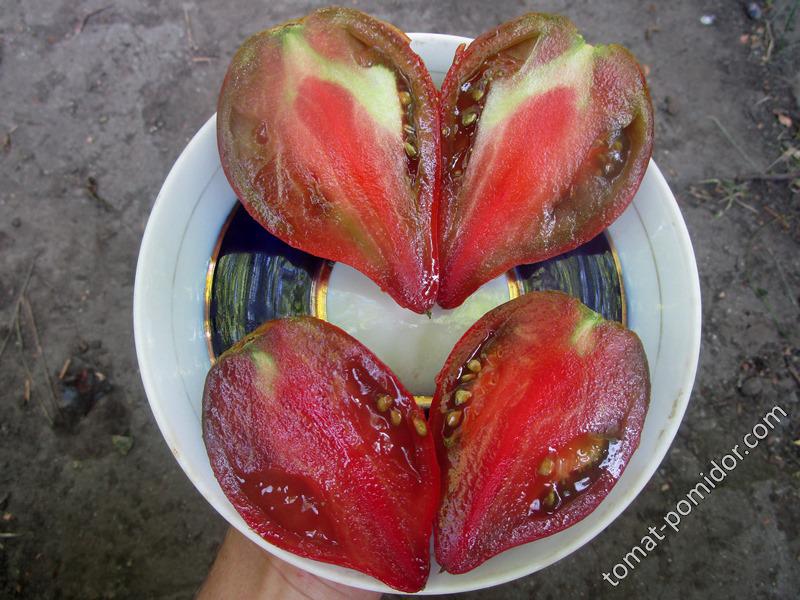
This variety definitely earned a permanent spot. It really loves potassium. During the extreme heatwave this summer it threw out huge sprawling trusses. But it kept sizing up decent fruits even on the highest trusses, right up until the end of September.

I also got my Linnaeus Heart (Linnie’s Oxheart) from Olya Zolushka. The plant had fairly wispy foliage, grew about 5-6 ft (1.6-1.8 m) tall right in the dirt outside. The yield wasn’t massive, but that was probably due to our incredibly hot and dry summer. I’ll definitely be trying it again in 2019 though, because the flavor is absolutely fantastic.
Edited December 28, 2018 by ALIANNA
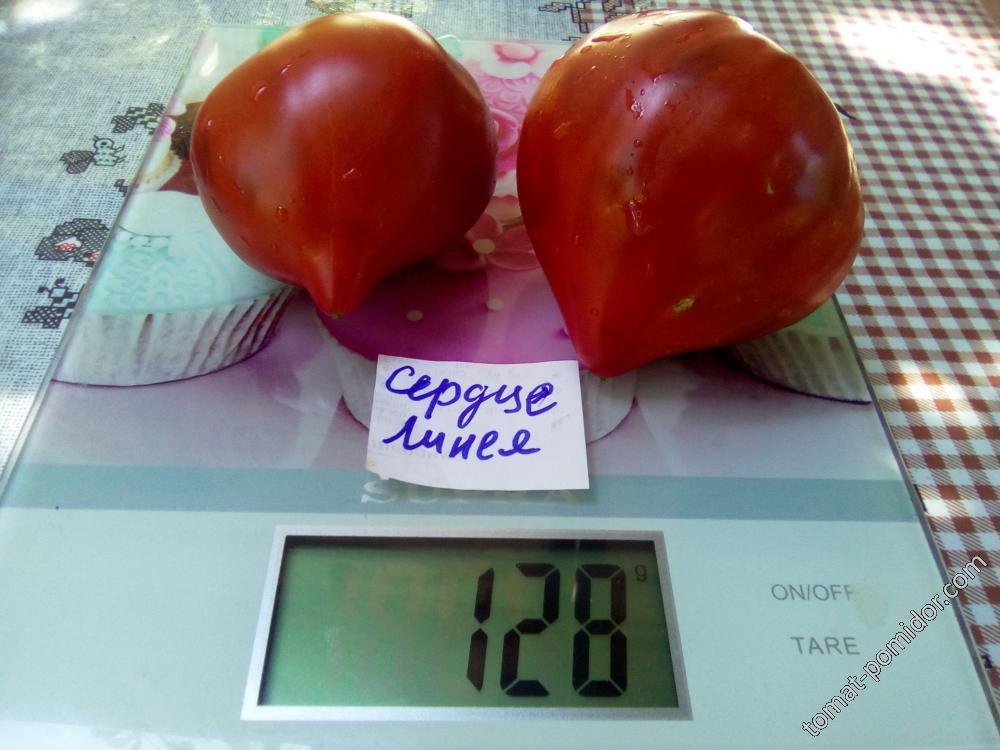
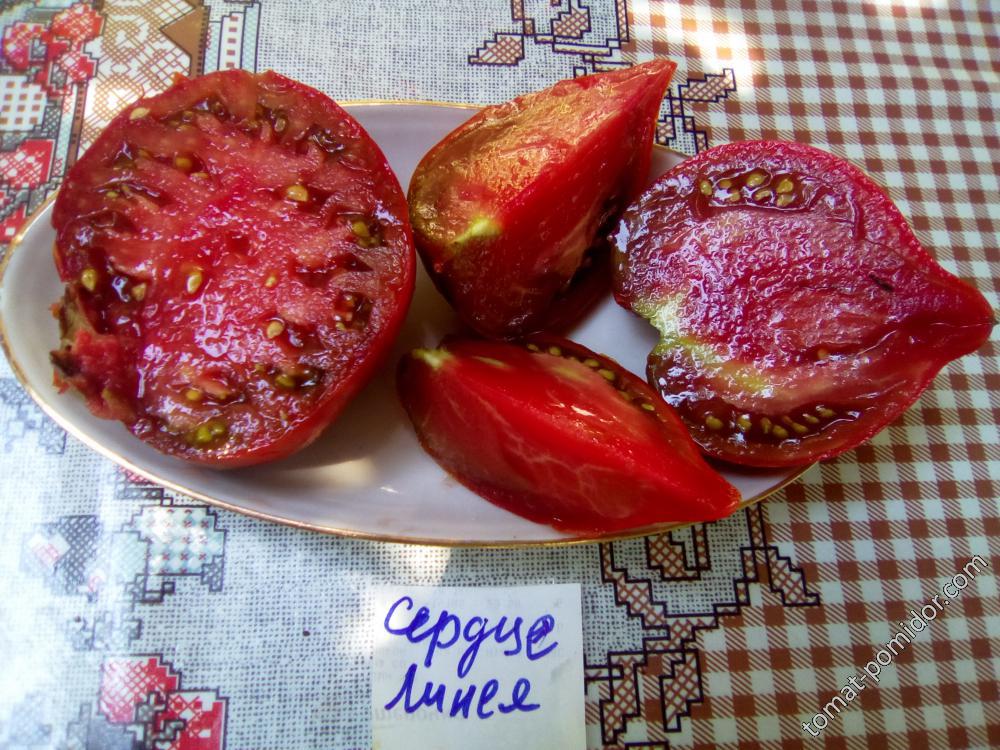
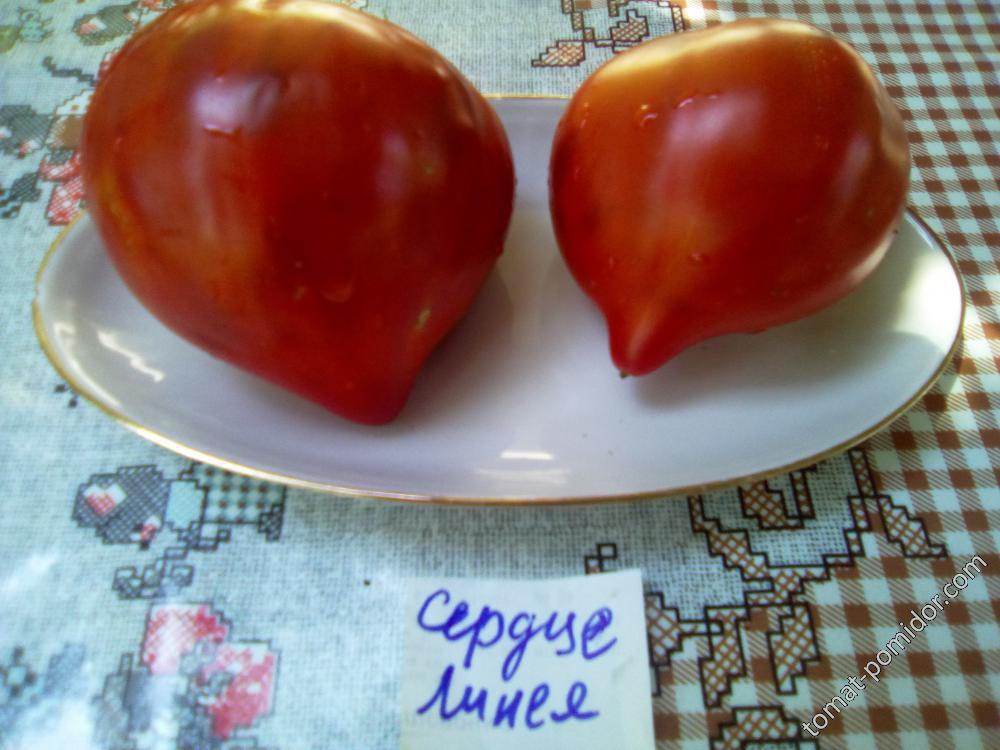
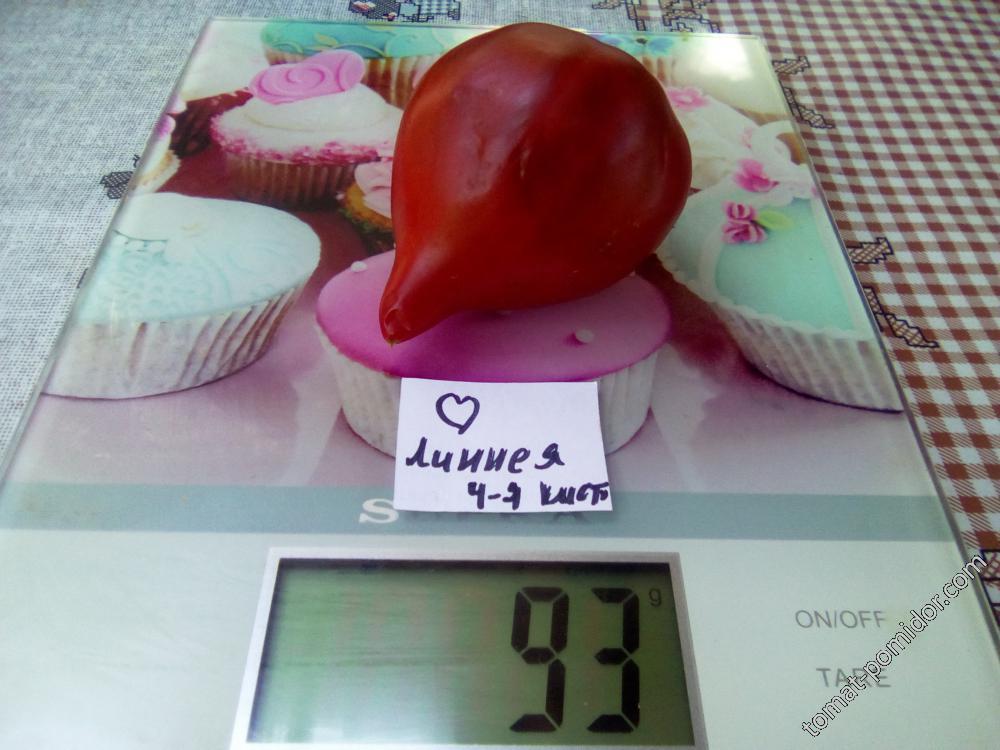
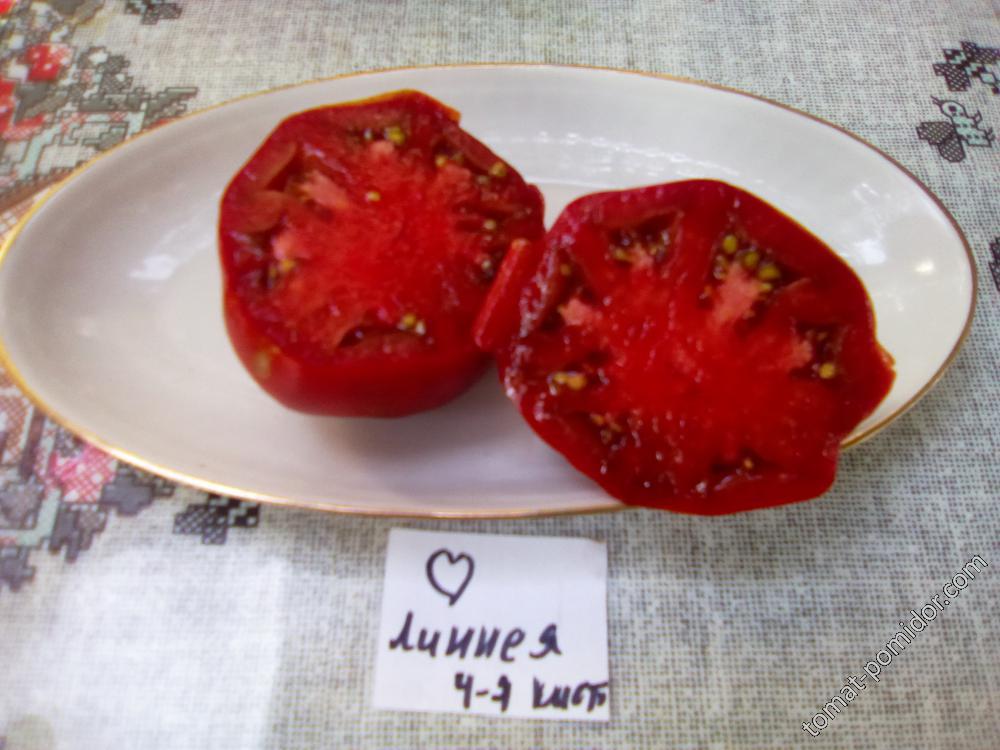
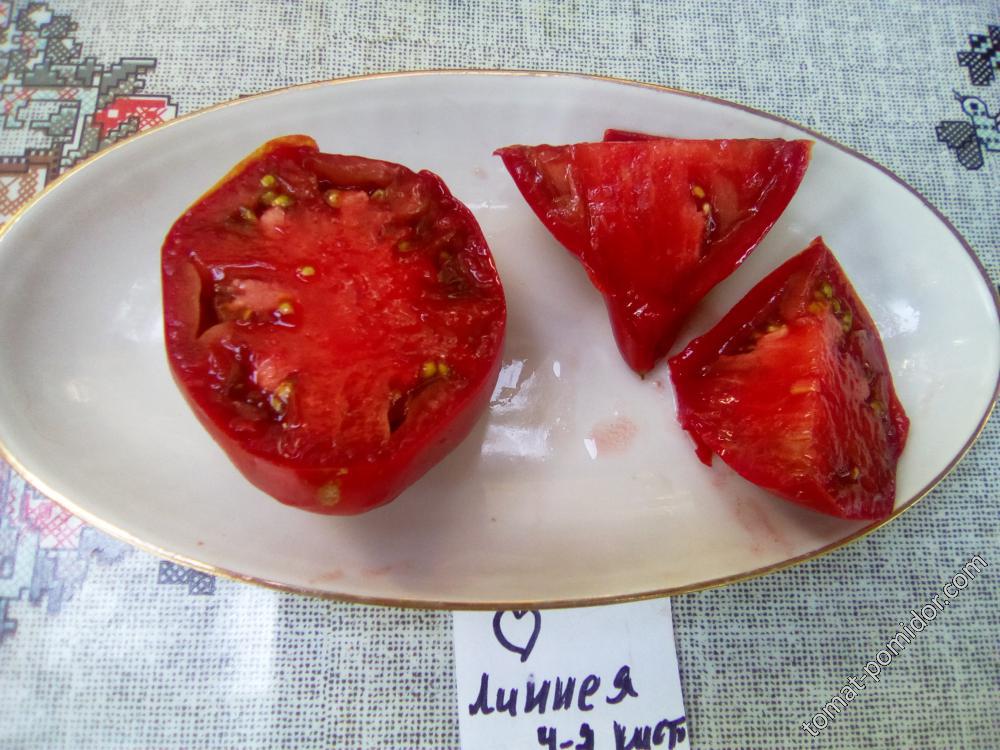
Linnaeus Heart (originally from NataNata). Mid-late. Tall vine, excellent yield. But the most important thing is the flavor; it’s incredibly rich, always super sweet in my growing conditions. I think it really thrives in the heat, it didn’t drop a single blossom and set fruit perfectly. The only downside is it’s not early, but the wait is totally worth it. Plus, you get that beautiful shape and unusual brick color as a bonus.

In 2019 this was one of the very first to ripen for me.
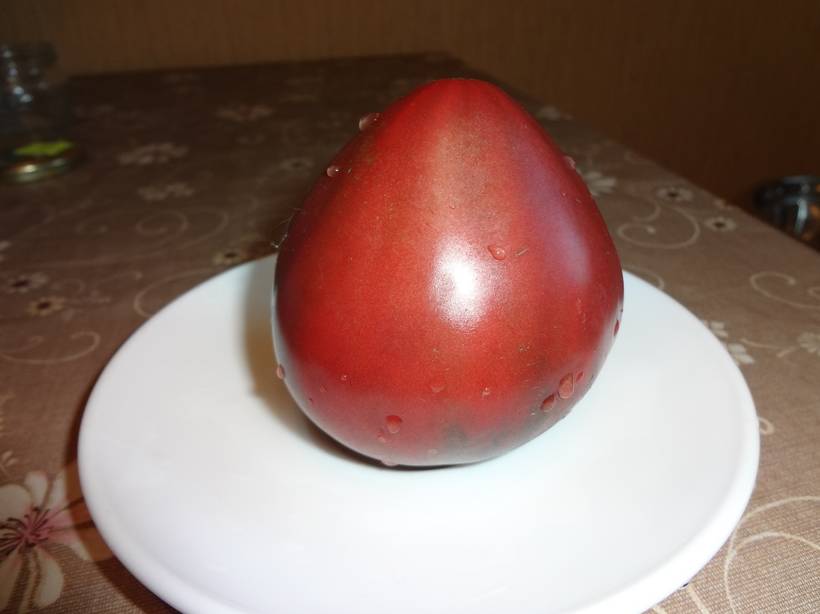
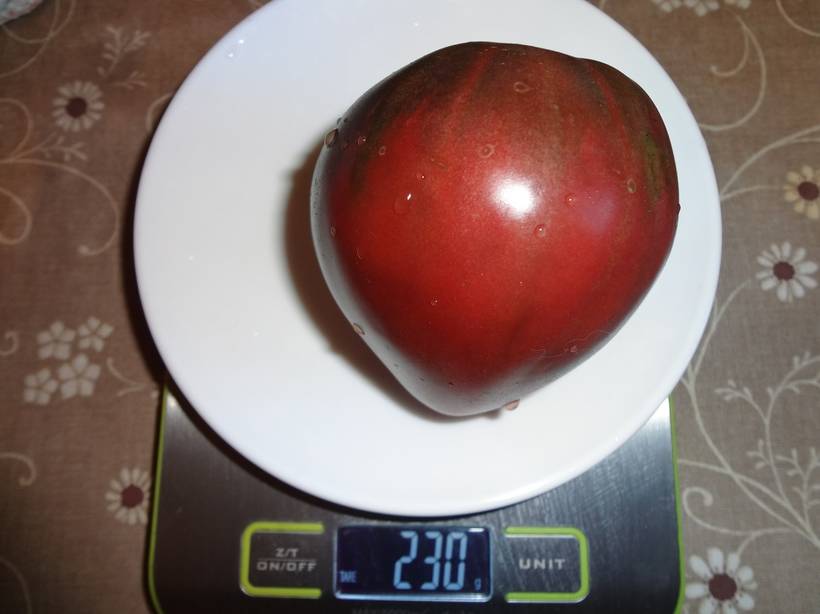
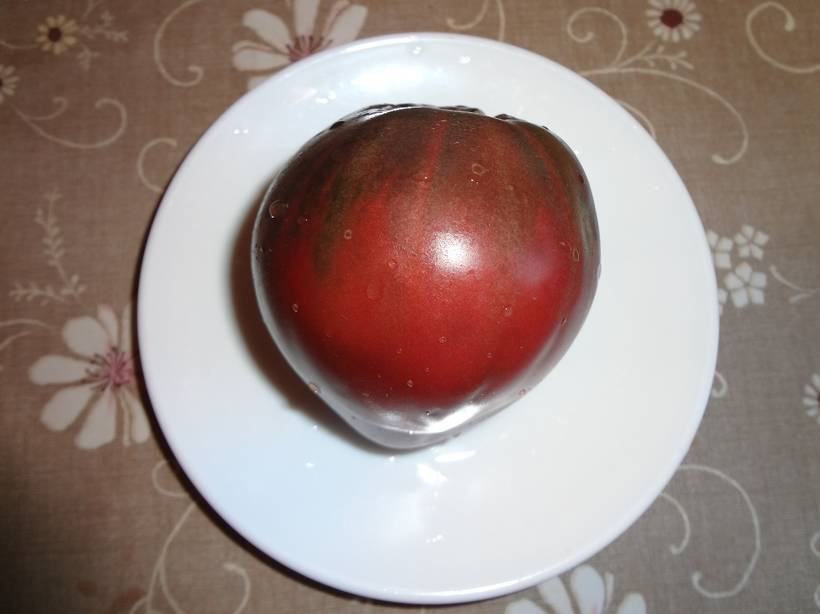
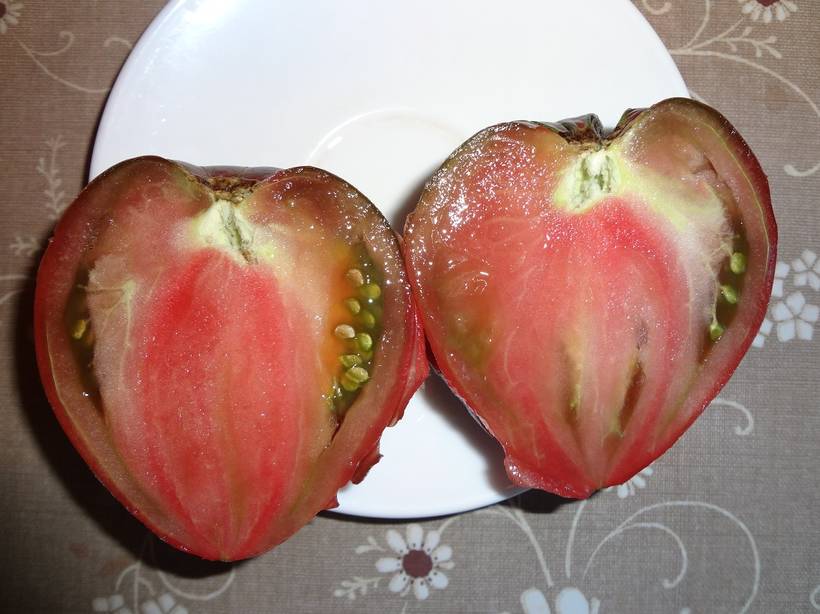
More on Linnaeus Heart. I planted two vines from seeds from the same source (Yuliya @Tiffany). One plant produced brownish-red fruits. The second one produced red ones.
After a very rainy July, all my tomato varieties are pumping out massive slicers.
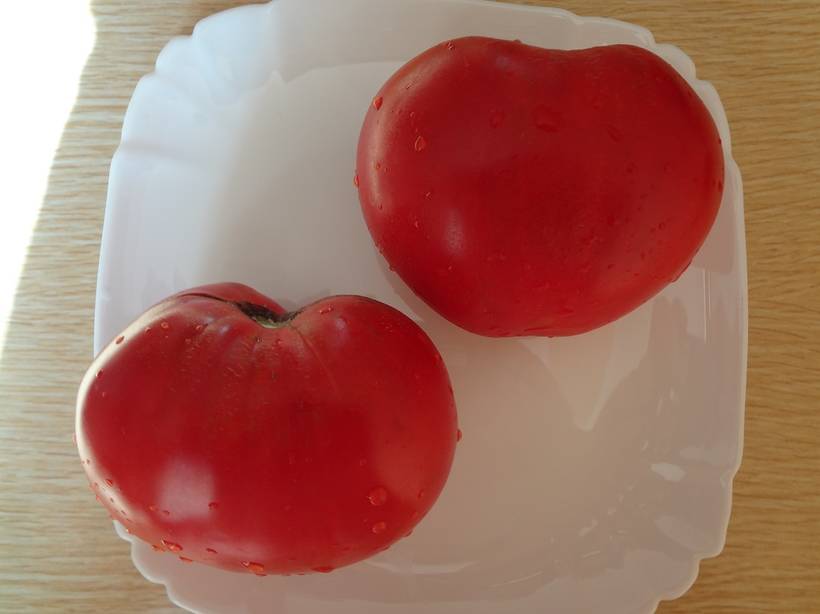
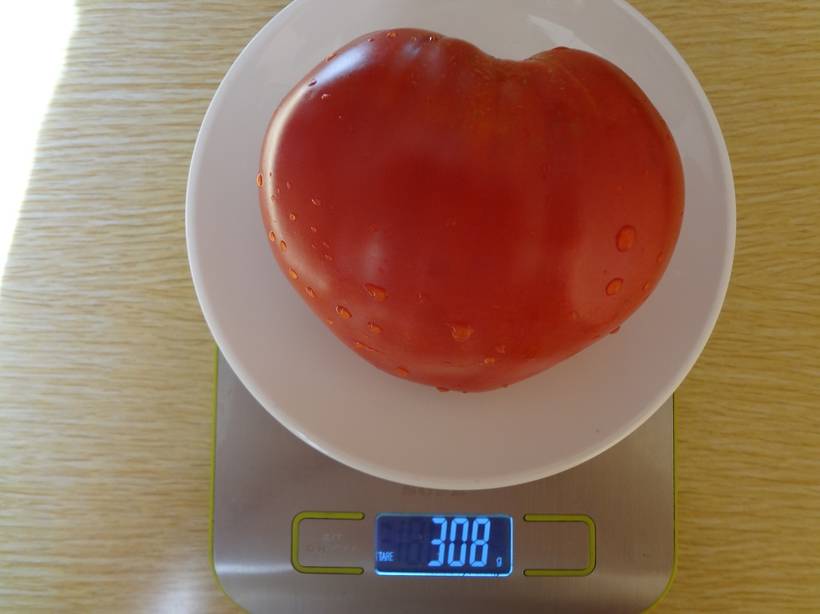
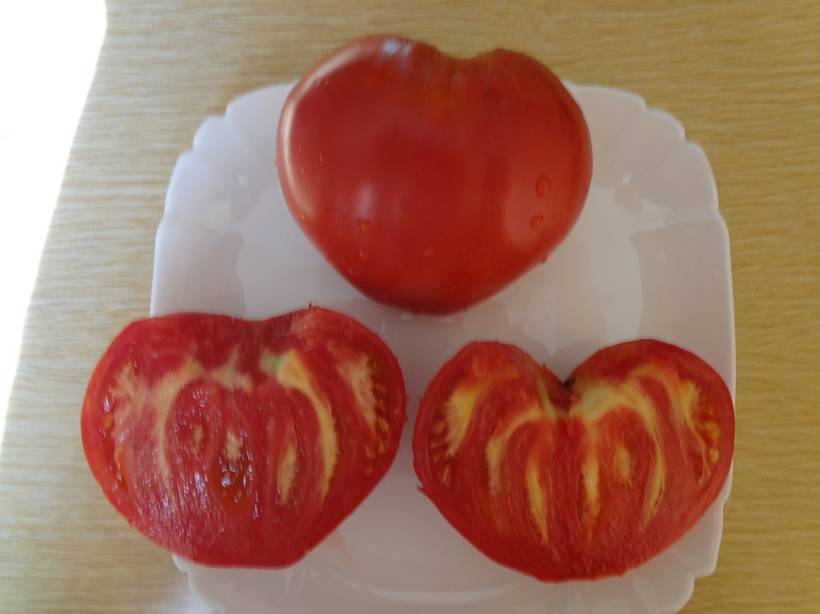
Fell in love with this variety. During such a difficult summer (an abnormally cold and rainy July) it gave me an excellent yield and beautiful, top-quality fruits. Perfect, glossy, brown hearts up to 14 oz (400 g), averaging around 7-9 oz (200-250 g). It set fruit reliably all the way to the top of the vine. Indet, I grew 2 vines in the greenhouse, pruned to 2 leaders. Extremely delicious!
Seeds from Anya @L’vovna
Edited August 28, 2019 by Svetikk
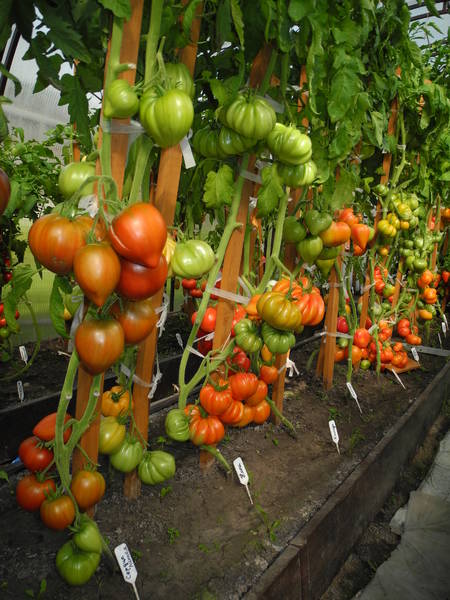
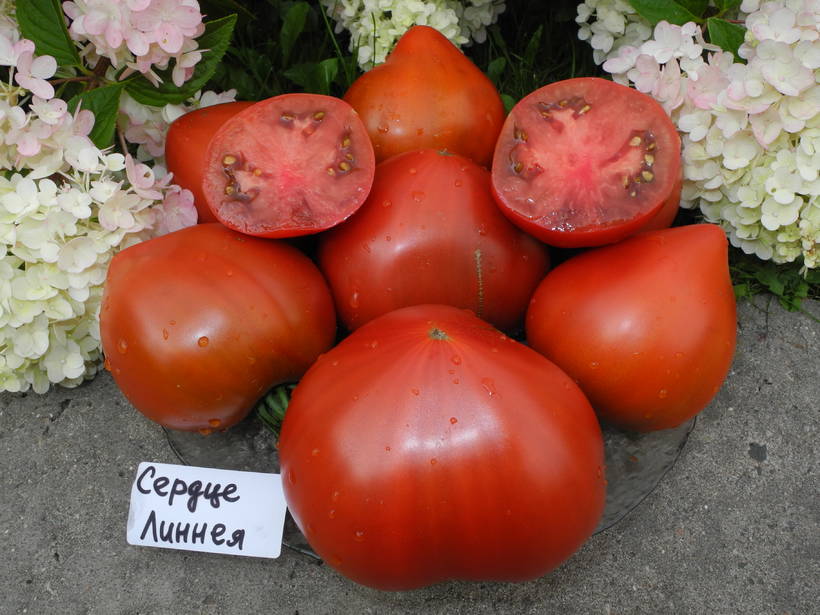
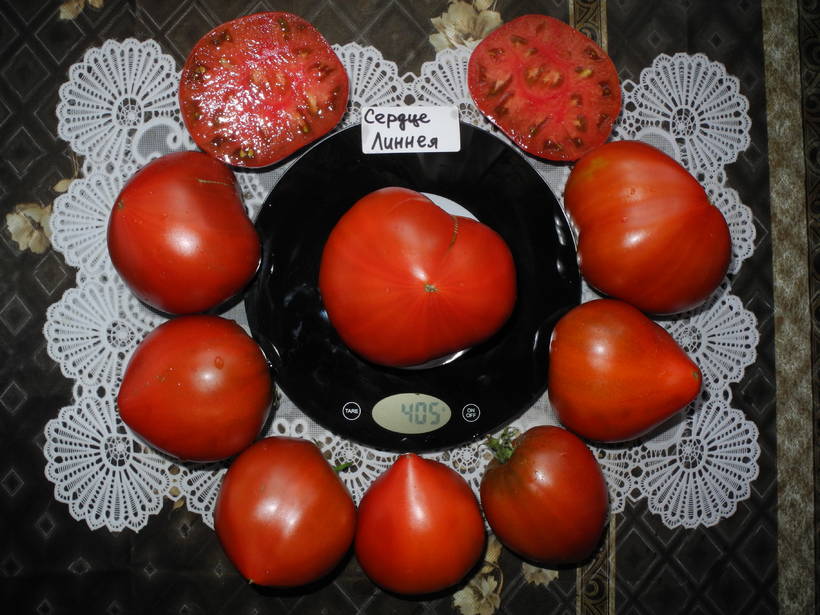
Grew one vine right next to Borisovna’s “Black Nose”. Honestly, I can’t even tell which one I liked better! The “Nose” ripened earlier and was larger. Linnaeus was a bit later, slightly smaller, but threw out way more fruit. The taste on both is simply out of this world. Honestly, Linnaeus Heart tasted like absolute honey even when I ripened green or under-developed ones on the counter! I can’t speak for how “Nose” counter-ripens because that one managed to fully color up in the greenhouse. I’m absolutely planting this again next year. It set fruit all the way to the top. Good yield. I recommend everyone try this one.
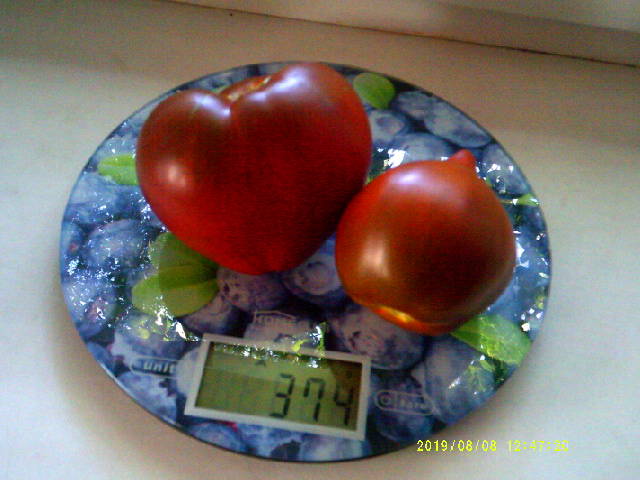
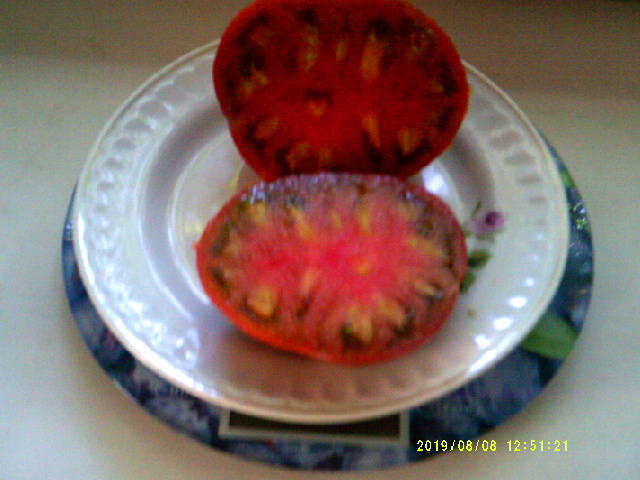
One of my absolute favorites of 2019, I’ll definitely be repeating it and recommending this variety to everyone. Delicious, beautiful, and yields well.
Fruit color is red with a slight brick tint to it.
Edited January 7, 2020 by Katrinka
.jpg.aca27d31ed236a64b374354b6be4d262.jpg)
My absolute favorite beauty of 2018 and 2019! Thrilled me with its flavor, shape, yield, and that color, which leans closer to brown. I plan to keep growing it, and not just a single plant either- most other varieties in my garden only get one designated spot. I literally made all my relatives and friends grow this one, I just had to share my absolute favorite 🙂
Edited January 7, 2020 by Olga Sh
Beautiful, productive, and most importantly, incredibly tasty! Huge thanks to Lenochka @ElenaN for the seeds!
Edited May 17, 2020 by 777
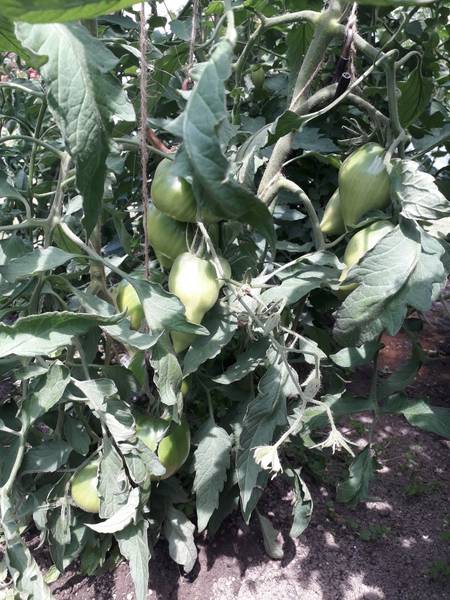
First one off the Linnaeus Heart vine. The color is very unusual. The very first fruit had an atypical shape, but the rest are sharp pointy hearts. Regular leaf foliage.
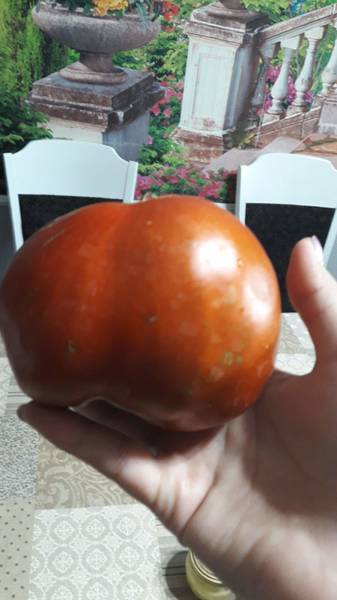
Sorry for the sideways pic.
This year it was the very first one to ripen out of everything in the greenhouse. Loaded with fruit sets. And incredibly delicious. It’s staying in my regular rotation.
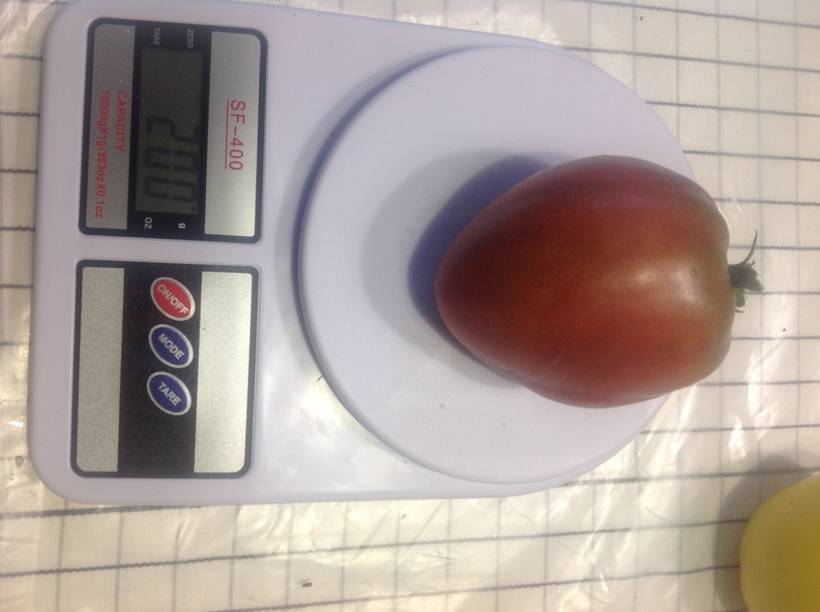
Seeds from Redko. Picked the very first one on June 25 (sown April 5), grown in the polycarbonate greenhouse. The tomatoes are a nice size, beautiful, and aren’t cracking, unlike a lot of others this year. For the very first fruit the taste is quite decent, nice and sweet, but I suspect later ones will be much better. The flesh is dense without being overly juicy (I really dislike overly juicy, watery tomatoes). First time growing it, definitely repeating.
Edited July 28, 2020 by T@tk@
T@tk@ said:
Seeds from Redko. Picked the very first one on June 25 (sown April 5), grown in the polycarbonate greenhouse…
How’s the yield on it?
Sergey-EKB said:
How’s the yield on it?
Pretty decent. Normal.
Saving seeds from this Linnaeus Heart. It’s incredibly sweet and extremely meaty. You really have to let the color get super brown, like the glaze on a clay pot, and then it is absolutely sugary sweet.
Edited July 29, 2020 by Oksana Evgenievna
Greenhouse Yields & Heavy Feeding Masterclass
T@tk@ said:
Seeds from Redko. Picked the very first one on June 25 (sown April 5), grown in the polycarbonate greenhouse…
Hello Tatyana, excellent photo and amazing yield, awesome!
Could you please explain what you mean by grown in the polycarbonate greenhouse? And with such a relatively late sowing date, what’s your trick for getting ripe fruit so early? I’d really love to hear your method, thanks in advance!
irinagudym said:
Could you please explain what you mean by grown in the polycarbonate greenhouse?
Just that it grew in the greenhouse, planted right next to the polycarbonate wall.
irinagudym said:
And with such a relatively late sowing date, what’s your trick for getting ripe fruit so early?
Irina, I didn’t really use any special tricks, just grew them like I normally do. I suppose the only thing is I ran a little electric space heater at night whenever temps dropped below 41-43°F (5-6°C), and I threw a shade cloth over the greenhouse during extreme heat.
Oh, and before moving them out to their final dirt, I up-potted the seedlings twice into larger containers whenever the roots ran out of room.
I also prepped my planting holes heavily:
– Organic potassium: 1 tbsp
– Fish meal: 2 tbsp
– Borofoska: 1 tsp
– Vermiculite: about 3 handfuls
– Poultry manure pellets: 1 tbsp
– Worm castings: 1 large handful
– Mustard powder: 2 tbsp
– Garden diatomaceous earth: 2 tbsp
– Hydrogel: 1 level tsp
– Organic Mix brand comprehensive tomato fertilizer: 1 tsp
– Potting soil: about 2 quarts (2 liters)
My feeding schedule:
– Watered once with fermented stinging nettle tea. I actually leave the buckets fermenting right inside the greenhouse because the CO2 it releases helps with fruit set.
– To help fruit set and prevent BER: Sprayed Boroplus with Calbit C (by Valagro) twice, two weeks apart.
– MKP: Twice, two weeks apart. One foliar spray, and one root drench. Must mix it with citric acid so you don’t lock out the phosphorus!
– Magnesium sulfate: One root drench.
– Periodically watered with wood ash tea, always mixed with vinegar so it doesn’t lock out other elements or make the soil too alkaline.
That’s all my tricks! 😁
Edited December 20, 2020 by Drosera
T@tk@ said:
Picked the very first one on June 25 (sown April 5)…
With the utmost respect, did you perhaps mix up your dates?
Sown on April 5, let’s say they sprouted April 10… May 10 is 30 days from sprouting, June 10 is 60 days.
And by June 25 you had fully ripe fruit? That’s 75 days from sprouting 🤔
Raduga said:
With the utmost respect, did you perhaps mix up your dates?
You’ve got me doubting myself now! Let me go check my spreadsheets, I have two greenhouses so I might have mixed things up.
Galya, I sincerely apologize for the misinformation!!! I just rushed to edit my original reply. Thank goodness Inna pointed out the month! It was July 25, not June!
Edited August 6, 2020 by T@tk@
Raduga said:
did you perhaps mix up your dates?
Galya, I was off by just three days on sowing, it was actually sown April 2.
Here is what the plant looks like now, I’ve already pulled 3 tomatoes off it.
Every single tomato in this greenhouse was sown in early April (between April 2 and April 5).
Edited August 6, 2020 by T@tk@
T@tk@ said:
Oh, and before moving them out to their final dirt, I up-potted the seedlings twice into larger containers whenever the roots ran out of room.
Tatyana, did you sow single seeds right into small starter pots and then up-pot to larger ones, or did you mass-sow into a flat, prick them out into small cups, and then up-pot later?
Also, massive respect to you for such an immaculate home for your tomatoes, it’s so clean and well-kept. I know that takes a tremendous amount of work. Thank you!
T@tk@ said:
I was off by just three days on sowing, it was actually sown April 2.
And your first harvest was June 25! Didn’t you have cold weather in June over there?
I sowed mine in late February, and I started pulling my first ripe fruit a full month later than you did. That means my plants lagged behind yours by two whole months.
Sounds like an absolutely outstanding variety! No wonder Galina (Rosinka) grew it!
Edited August 6, 2020 by Sergey-EKB
irinagudym said:
…did you mass-sow into a flat, prick them out into small cups, and then up-pot later?
I always mass-sow about 5-10 seeds into a single container. Then I prick them out into 7 oz (200 ml) cups. From there, as needed, I up-pot them first to 1 quart (1 L) pots, and eventually up to 3 quart (3 L) pots. During the final up-potting, I usually add the exact same fertilizer mix to the potting soil that I plan to put in the planting hole, so the plants don’t suffer any transplant shock.
Here’s how I do it: I dump about 5 gallons (20 liters) of commercial tomato potting mix into a large tub, add all my planting hole amendments (scaled down to a per-hole ratio), mix it all up, and use that as the fill dirt when potting up.
irinagudym said:
…it’s so clean and well-kept. I know that takes a tremendous amount of work. Thank you!
Thank you! 🥰 Though this greenhouse isn’t completely finished yet. My first greenhouse has paving stones laid down, and I’m dreaming of doing the same in this one eventually.
Edited December 20, 2020 by Drosera
Sergey-EKB said:
Didn’t you have cold weather in June over there?
We didn’t have cold days, quite the opposite actually, it was blazing hot. I remember having to throw a 60% shade cloth over the greenhouse.
But the nights were freezing! Temps bounced from 32°F to 46°F (0-8°C), mostly hovering right around 37-39°F (3-4°C). That’s why I had to run the space heater at night, which my husband was NOT happy about. He kept grumbling that my tomatoes were going to end up costing as much as diamonds, and that I wouldn’t even want to eat them because I’d choke on the price tag 😂
Edited December 20, 2020 by Drosera
T@tk@ said:
Picked the very first one on June 25 (sown April 5)…
Mind blown! 👍
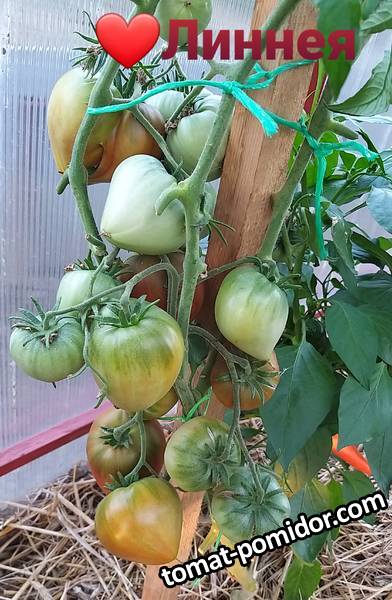
Tanya, are you absolutely sure you mean June and not July with such a late sowing date? That’s amazing! I also had a late sowing this year – well, a late RE-sowing, thanks to my own clumsy hands. Here’s my Linnaeus Heart.
Still ripening up. Yield is great. Huge thanks to Svetochka @sofochkamai for the seeds and for persistently telling me to grow this variety!
Edited August 6, 2020 by Inn@
Inn@ said:
…sure you mean June and not July…
Innochka, how embarrassing!!! 🤦♀️🤦♀️🤦♀️
If you hadn’t pointed out the month, I would’ve gone down in history as a liar! Of course it was JULY!!! 🤦♀️🤦♀️🤦♀️
And here I was wondering why everyone was so shocked! 🤐 I’m so sorry, I was totally spacing out!
Edited August 6, 2020 by T@tk@
I’ve been planting it for a few years now (which is rare for me). Thrills me with its flavor, yield, and decent shelf life. Mid-season, I run it to 2-3 stems. It loves full sun and heavy potassium. Highly recommend!


It’s one of my absolute favorites too 😘 Growing it for the second year. Unbelievably tasty 😋 and a massive yielder. Huge thanks to Svetlana @Mama Antona for introducing me to it, it has definitely earned a permanent spot in my greenhouse.
Mine turned out super tiny 😢
Linnaeus Heart (Linneus Heart). Repeated this wonderful variety again, and as always: huge yields, stunningly beautiful, and delicious 👍
Naming History: Linnie’s or Linnaeus?
Svetikk said:
Linnaeus Heart (Linneus Heart). Repeated this wonderful variety again, and as always: huge yields, stunningly beautiful, and delicious 👍
Svet, I recently saw a variety going around called Minney’s Heart. Where do you think that one came from? 🤷♀️
tomatinka said:
Svet, I recently saw a variety going around called Minney’s Heart. Where do you think that one came from? 🤷♀️
Vera, Minney’s Heart is a bicolor.
tomatinka said:
Svet, I recently saw a variety going around called Minney’s Heart. Where do you think that one came from? 🤷♀️
I googled it, and yeah, it’s a bicolor heart. No idea where it originated though 🤷♀️ 😁
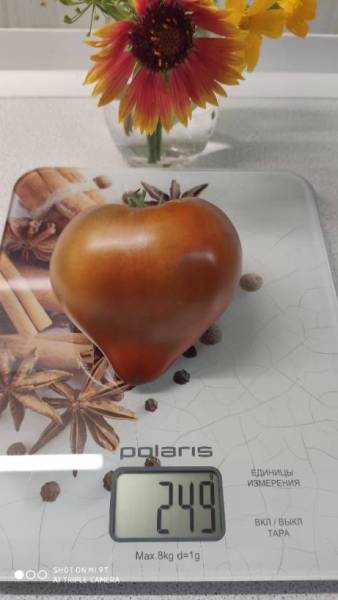
Extremely beautiful with this incredible, unusual “coppery” tint to the fruits. The flavor is spectacularly sweet 😋
Grew it in 2021 in my polycarbonate greenhouse. Yield was about average for me.
Edited October 15, 2021 by neLENtyayka
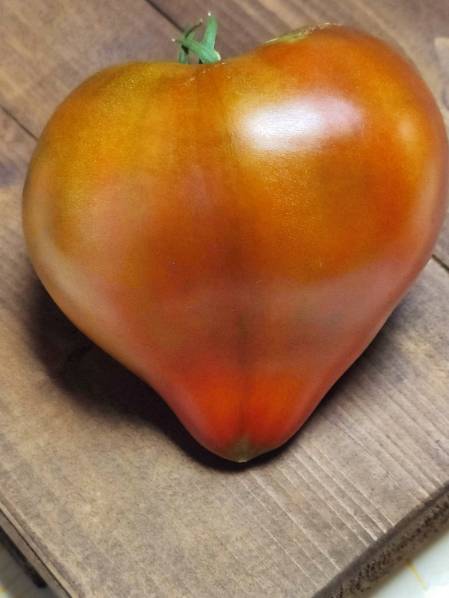
Tiffany said:
…Unlike the other folks she sent seeds to, my fruits didn’t turn out red with a brick tint, but rather a crimson-raspberry red. The vine reached about 5.5 ft (1.7 m). Mid-season variety, great yielder…
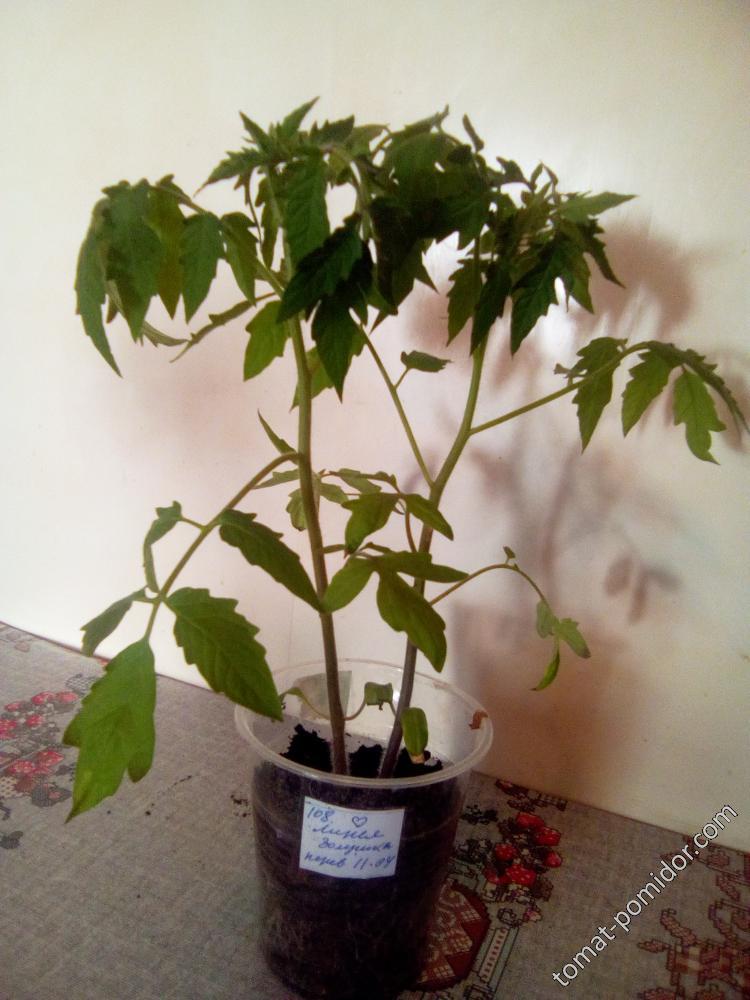
My color turned out absolute fire, though the plant looked pretty frail in the seedling stage.
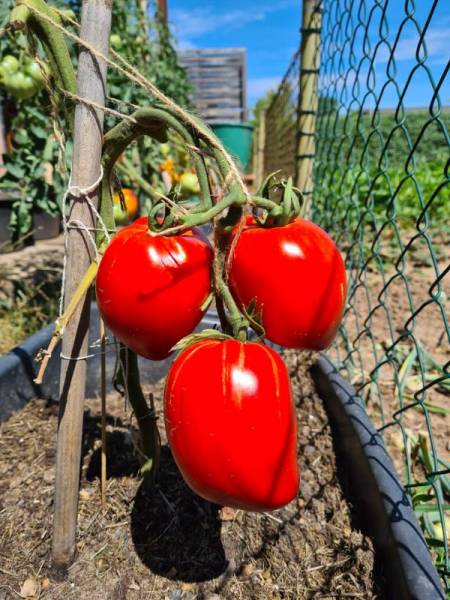
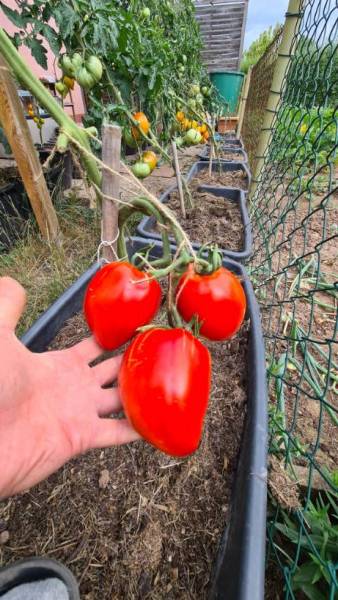
Linnaeus Heart.
I actually grew the red variant of this variety before. But I really, really wanted to grow the true brown heart. Finally managed it!
It is a stunning, unique variety. The fruits are brownish-burgundy, perfect heart shape, up to 7 oz (200 g). The yield is beyond praise. The flesh is juicy, and the flavor is excellent and well-balanced.
I noted that the seedlings and the mature vines are surprisingly stout and sturdy, despite it being a typical wispy “heart” variety. Mid-season.
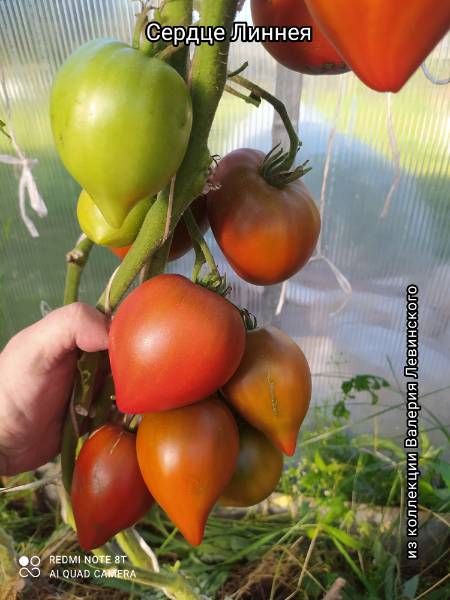
Seeds came from a collector in Tula.
I grew it in the greenhouse in 2025.
Absolutely loved it: both for the yield and the taste. Totally worth repeating. High-climbing indet. Best to plant it on the sunniest side. Sets fruit perfectly.
Full Summary: Plant, Yield, and Taste
- 🌿 Plant: Indeterminate, mid-season to mid-late. Typically grows to around 5-6 feet (1.6-1.8 m) and higher in greenhouses. Leaves are regular but slightly wispy, typical of oxheart varieties. Growers report best results when pruned to 2 or 3 leaders.
- 📈 Yield: Exceptionally high for a dark heart variety. It is noted for setting every truss without dropping blossoms, even in intense heat, provided it gets enough potassium.
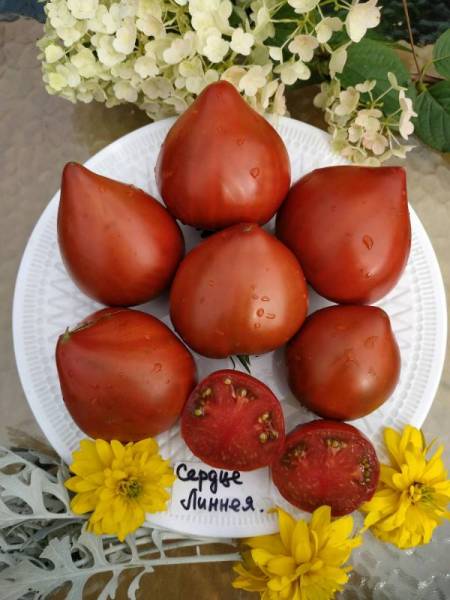
- 👅 Taste & Appearance: The true strain produces stunning brick-red to coppery-brown hearts weighing between 7 and 14 oz (200-400 g). The flesh is very meaty, practically seedless, and dense without being watery. When fully ripe, it develops a deep, honey-like sweetness with minimal acidity. Note: A red strain also circulates under this name, but the brown phenotype is the highly sought-after original.
- 🌎 Who Reviewed It: A wide range of veteran growers across Russia and Kazakhstan (spanning USDA Zones 2b to 6). It performed brilliantly in both short-season northern climates (in poly tunnels) and hotter southern regions.
👨🌾 Editor’s Note: Russian Fertilizers & Heavy Feeding Explained
In this thread, user T@tk@ outlines an incredibly intense feeding regimen to maximize her greenhouse yields. A few of these methods might sound foreign to American growers:
- Stinging Nettle Tea (Green Manure): Fermenting weeds (usually stinging nettles) in buckets of water is a classic Eastern European trick. It creates a potent, fast-acting nitrogen and potassium liquid feed. T@tk@ leaves the fermenting buckets right in the greenhouse because the decomposing plant matter releases heavy CO2, which actively helps the tomatoes set fruit!
- Borofoska: A very common Russian mineral fertilizer containing Phosphorus, Potassium, Calcium, Magnesium, and Boron. American growers can replicate this by using a standard P-K granular mix combined with a micro-nutrient blend like Azomite or a light dusting of Borax.
- MKP + Citric Acid: MKP stands for Monopotassium Phosphate (0-52-34). She adds a pinch of citric acid to the water to slightly lower the pH, ensuring the phosphorus doesn’t get locked out in hard or alkaline water.
- Wood Ash + Vinegar: Wood ash is a popular organic source of potassium and calcium, but it is highly alkaline. By reacting the ash with household vinegar before diluting it in water, she creates Calcium Acetate—a highly bioavailable liquid calcium that prevents Blossom End Rot (BER) without driving her soil pH through the roof.
Note on Name: This variety is also widely distributed in the US and Canada as Linnie’s Oxheart. The Russian growers transliterated it back to “Linnaeus Heart”.