📌 Quick Summary (TL;DR): Grot (Grotto)
- 🌍 Origin: A Russian variety whose name translates to “Grotto”. There is significant controversy surrounding this seed. Commercial seed companies (like SeDeK) often sell “fake” off-types. The true Grot was scientifically bred by Russian agricultural institutes specifically for high resistance to Late Blight (Phytophthora infestans) using wild tomato genetics.
- 🌿 Plant Habit: Determinate/Semi-determinate. Commercial packet off-types might be small, lazy bushes, but the true Grot grows to about 3.3 ft (1 m) tall and requires aggressive suckering (pruning) due to its wild lineage.
- 🍅 Fruit Characteristics: Red, firm, and medium-sized. The true version has a classic round, apple-like shape without any heavy ribbing or catfacing (fasciation).
- 👅 Flavor: Classic, old-school tomato flavor. Growers note it leans more toward tang and acidity rather than sugar. A solid workhorse tomato.
- 🛡️ Disease Resistance: The true Grot is highly prized for carrying Ph-1 and Ph-2 genes, allowing it to survive devastating Late Blight outbreaks in wet, foggy seasons without the need for chemical fungicide sprays.
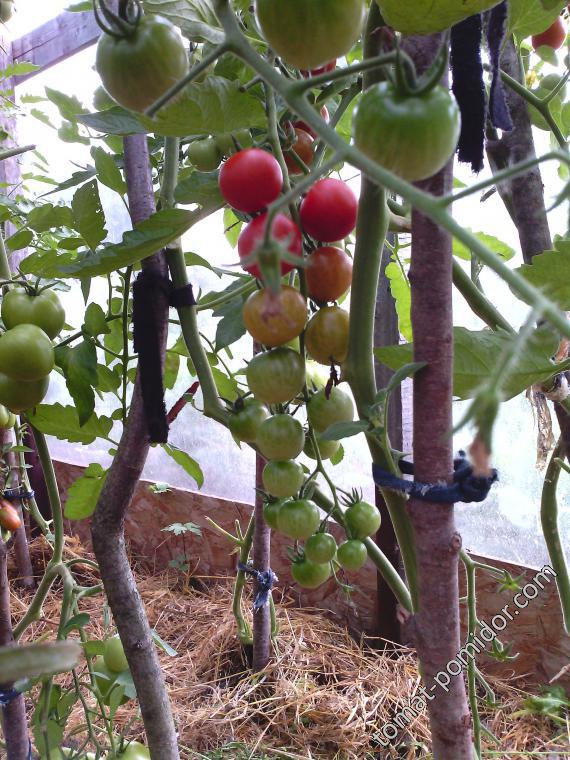
Seeds were from the SeDeK company. A small bush, low maintenance, we tied it up just once. Early season, with a slightly extended harvest period.
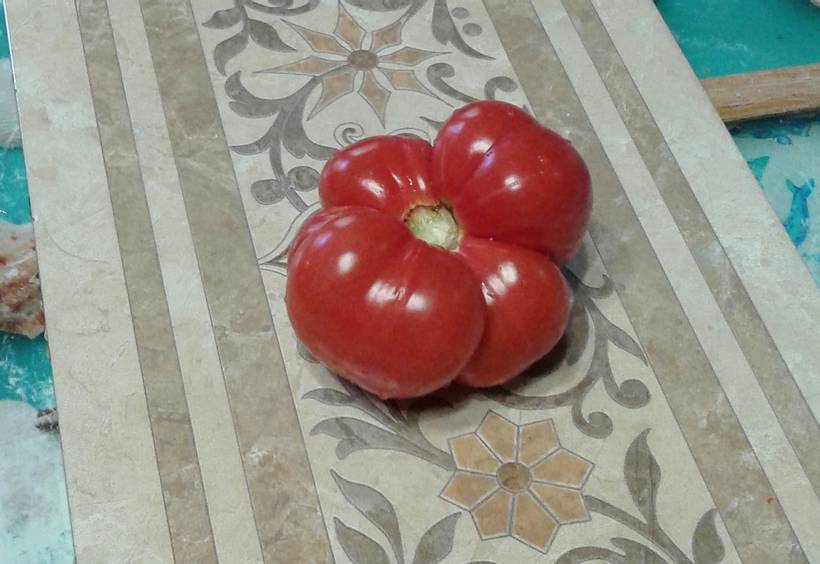
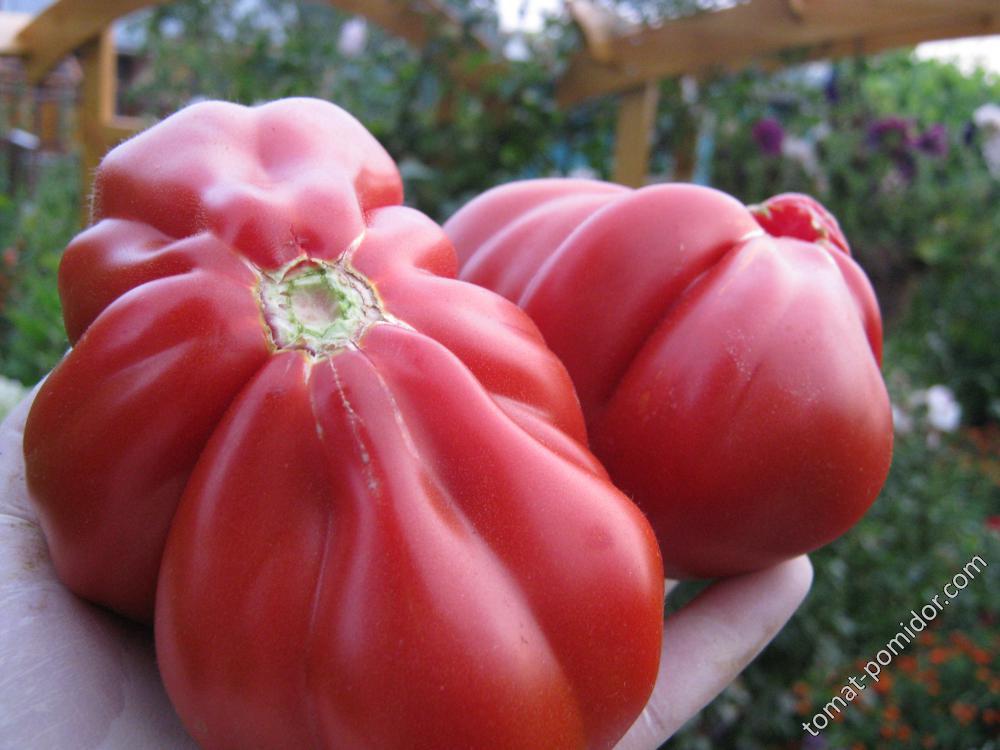
The fruits aren’t always round like the seed company claims, sometimes they have a stretched shape, not quite elongated though, see pics. The variety is considered resistant to 2 types of Late Blight. For us, the bush in open ground survived the first wave of fogs, but then gave up in August due to pouring rains. The second bush was under plastic in a hoop house, we picked red tomatoes off it right to the very end.
The little tomatoes are firm, ripen fully, they have flavor—more tang than sugar. Yield per plant is over 4.4 lbs (2 kg). I’m giving the flavor a 4 out of 5 this year.
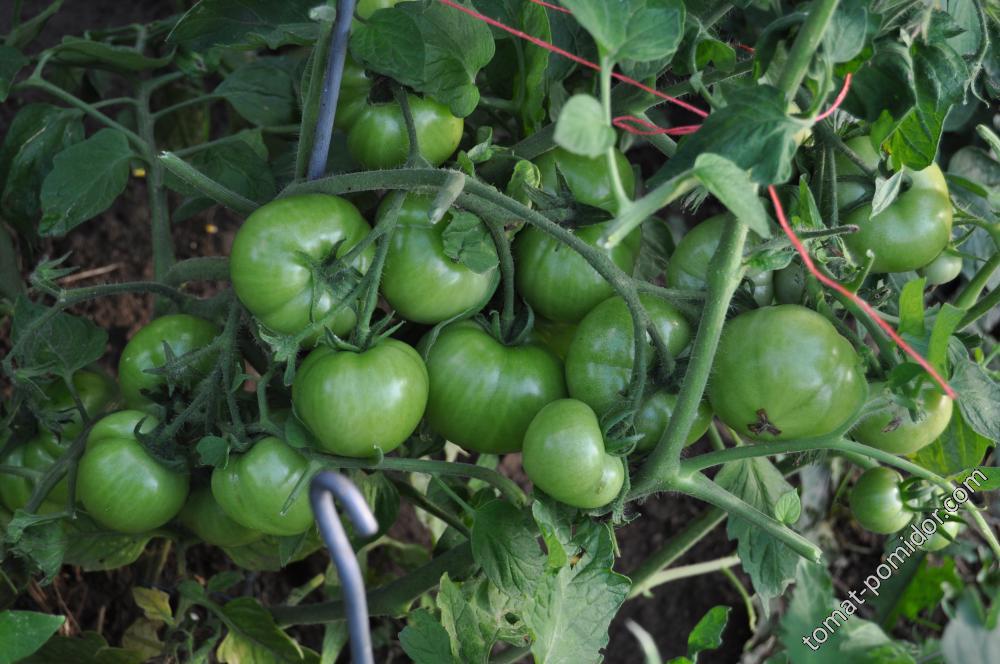
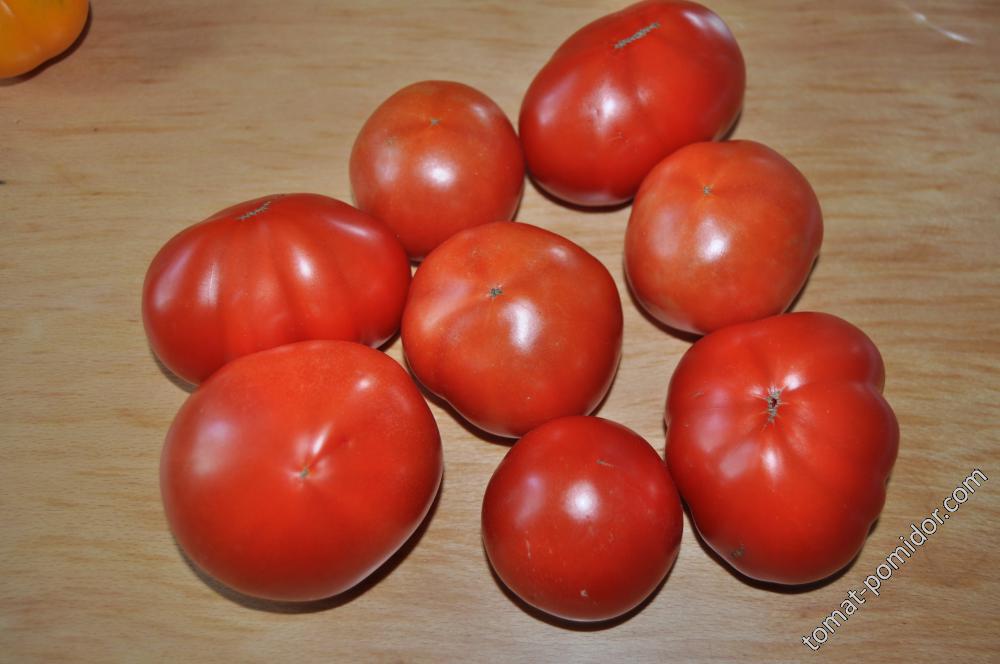
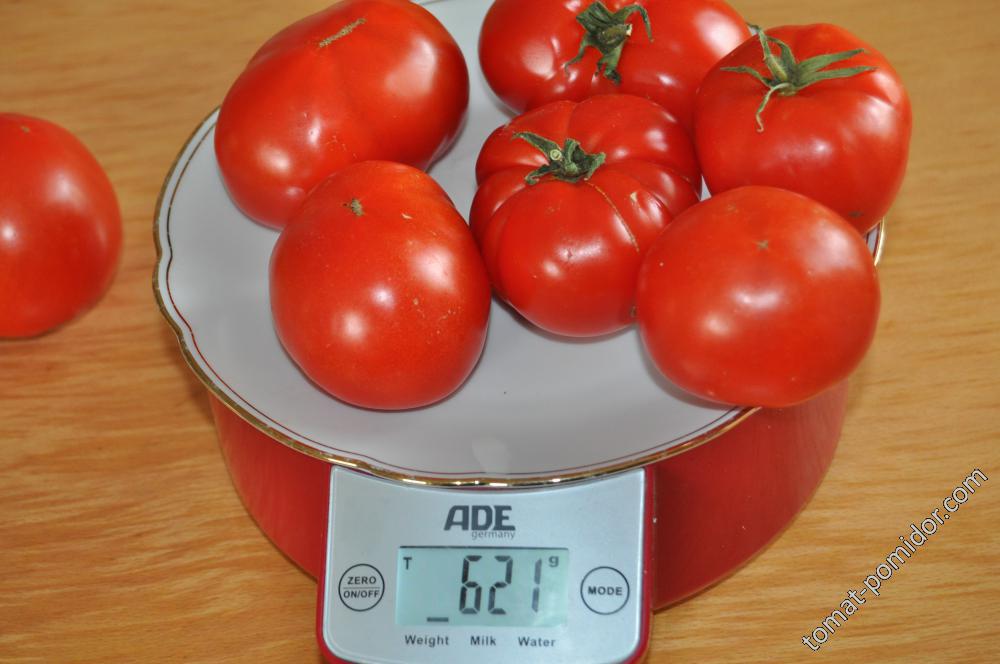
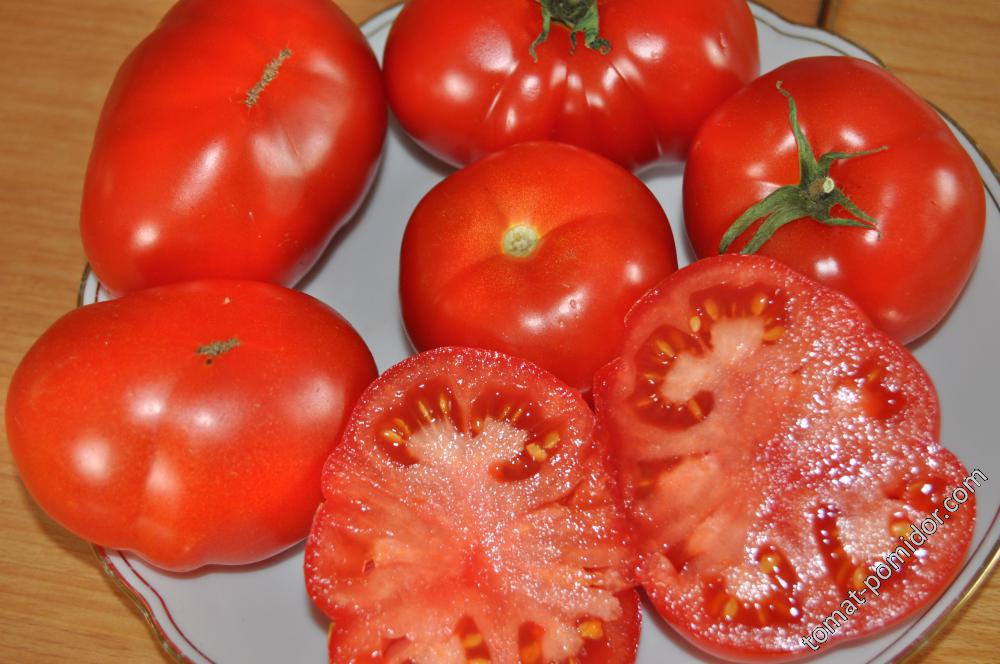
The one in the photo is fake. It’s some wild mix of weird seeds. The fruit architecture is completely different.
No late blight-resistant tomato can be a “small bush,” because blight resistance is passed down from wild and semi-cultivated tomatoes, which carry wild traits along with the resistance. The real one needs heavy suckering, grows to about 3.3 ft (1 m) tall, and the fruits have a classic apple-like shape, without any fasciation (catfacing).
The real one survives the season without the harvest being ruined by late blight even without pesticide sprays. Its resistance to late blight comes from having the cherry tomato “Ottawa 30” in its lineage, which carries the Ph-1 and Ph-2 genes. Most likely, both made it into “Grot”. For absolute certainty, it needs marker testing. I sent it in for analysis, we’ll see what they say.
Its resistance isn’t to “two types of late blight,” but to what used to be called races T0 and T1. Understanding of late blight races is changing nowadays.
Yeah. “SeDeK” didn’t breed it, they stole it with their dirty hands, for which the actual breeders definitely won’t thank them. You can’t find any of their genuine varieties for sale from commercial companies like SeDeK.
In this thread, Artemiy drops some fantastic advanced tomato genetics knowledge. Late Blight (caused by the oomycete Phytophthora infestans, the same pathogen responsible for the Irish Potato Famine) is a garden destroyer in cool, wet, and foggy climates. It can wipe out an entire tomato patch in 48 hours.
When Artemiy mentions the Ph-1 and Ph-2 genes (derived from wild accessions like Solanum pimpinellifolium or lines like Ottawa 30), he is talking about specific resistance genes bred into tomatoes. American growers on the East Coast and Pacific Northwest actively seek out varieties with Ph-2 and Ph-3 genes (like Mountain Magic or Defiant PhR) to survive blight seasons. Knowing that a Russian heirloom like the true Grot carries these genes makes it a highly valuable variety for organic growers who want to avoid copper fungicide sprays!