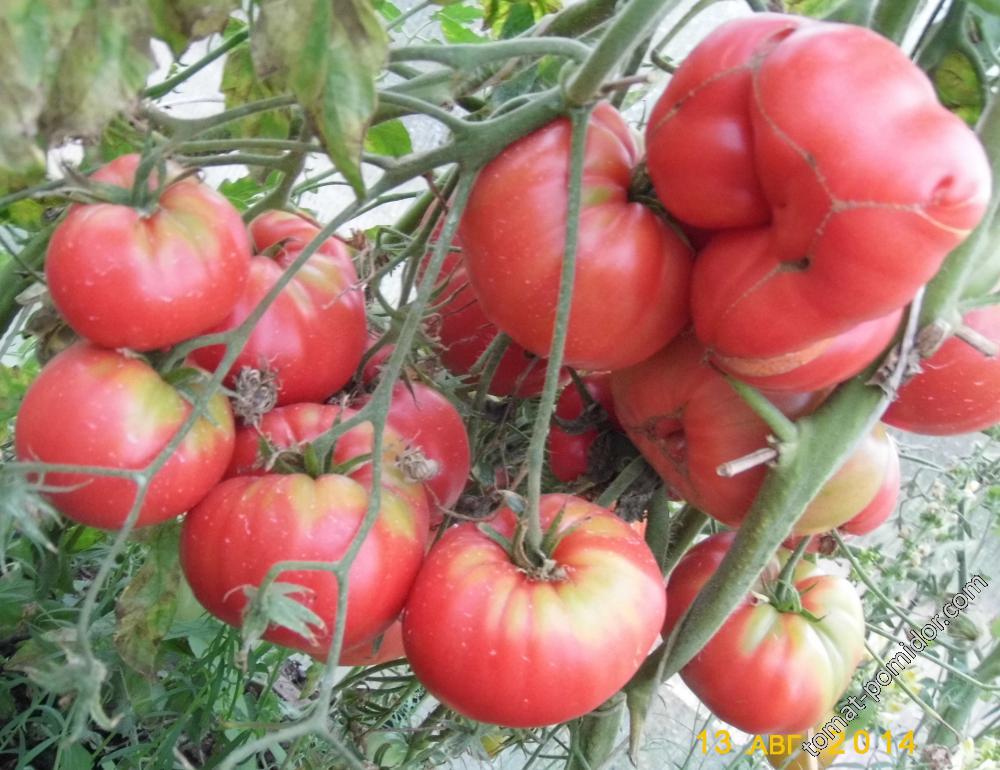
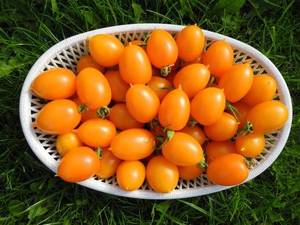
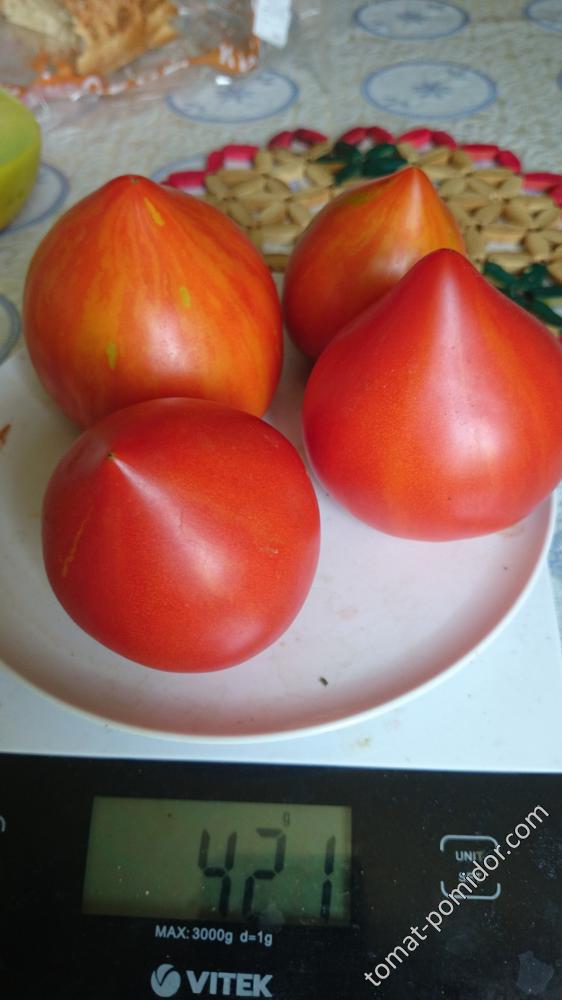
🍅 Quick take: Hazel Gold is an indeterminate, rare American heirloom that produces oblate (flattened) slicers weighing between 5 to 9 oz (150-250 g). Despite the name, growers report the fruits often feature orange skin with bright yellow flesh. They have thick, firm walls and a mild, sweet flavor. It is a solid yielder, though it may develop slight hollow cavities inside if watering is inconsistent. Full summary ↓
Growers’ Notes and Photos
Hazel Gold (USA). Indeterminate. The fruits are oblate, orange, and super tasty, weighing up to 9 oz (250 g). Rare variety!
Edited January 29, 2015 by Drosera
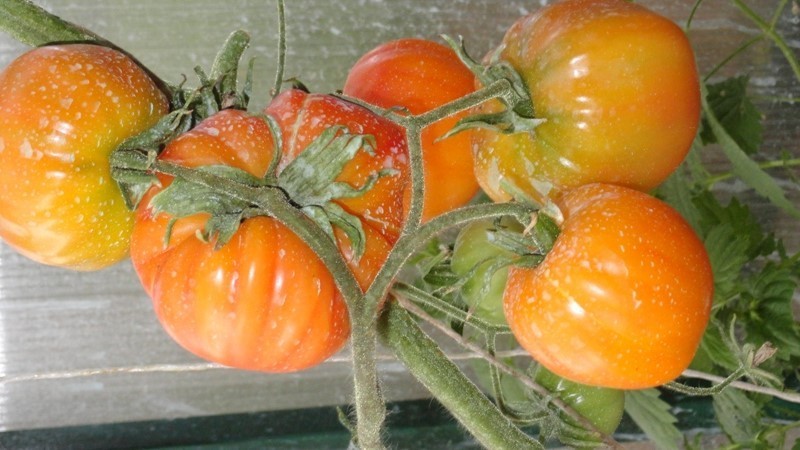
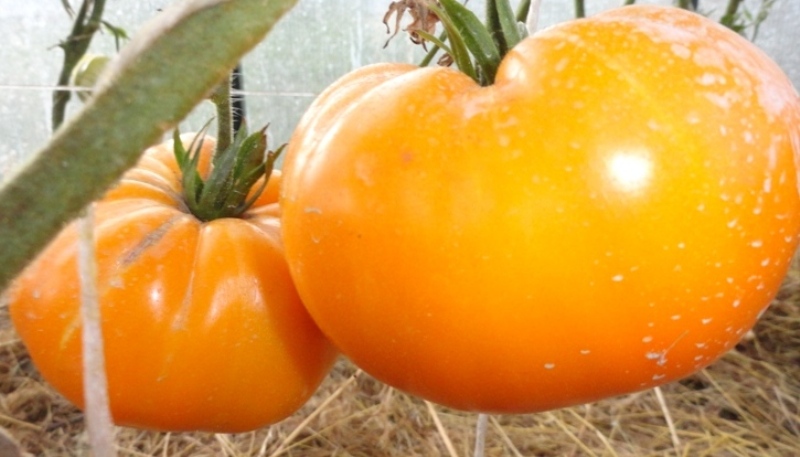
Absolutely stunning beauties! 😎
👍 😋
Just thought I’d share, in case it helps anyone: Reading the description for Hazel Gold, I was picturing a solid orange tomato. Mine turned out with orange skin but yellow flesh on the inside. They were tasty, but just lacked that ‘wow’ factor for me.
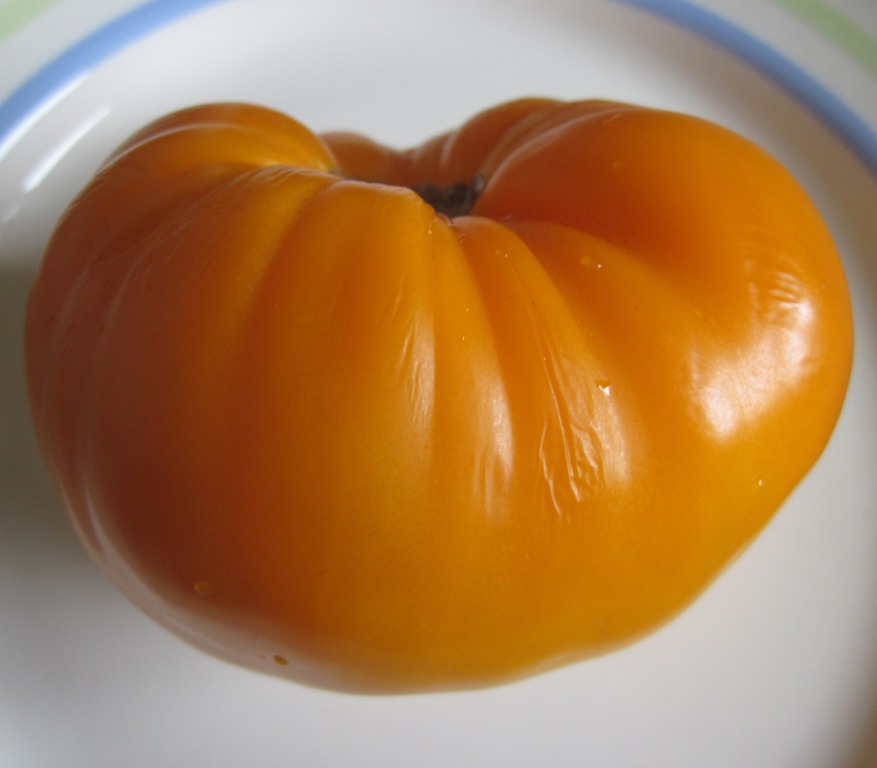
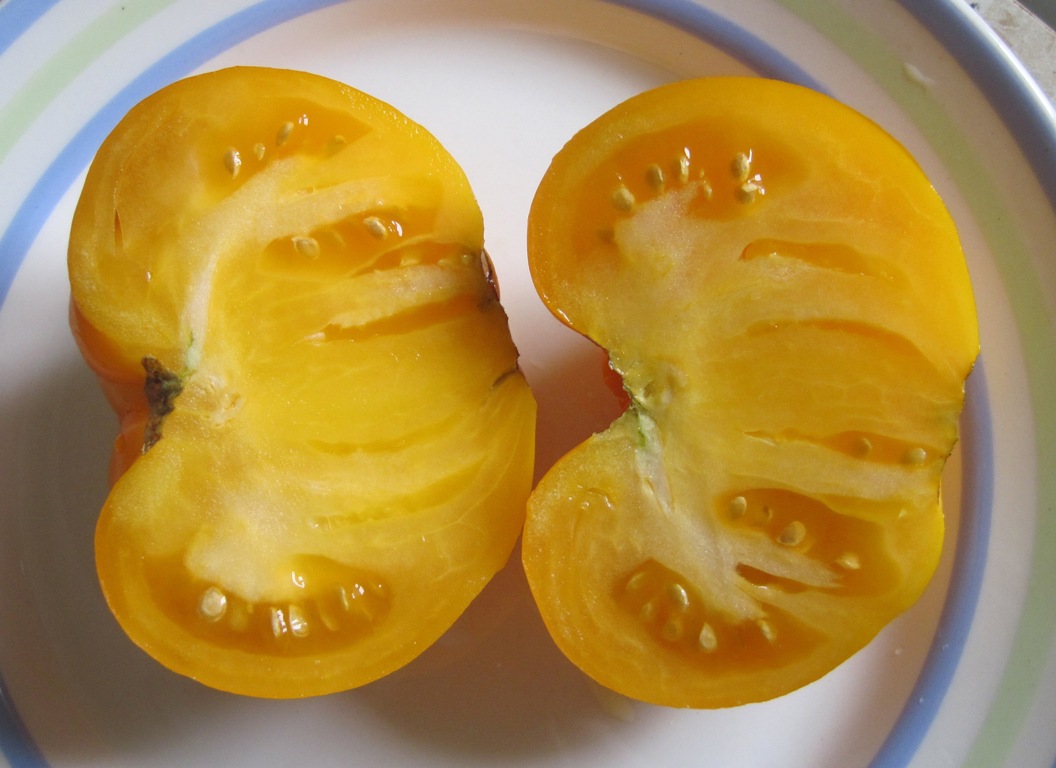
Really liked this variety. Yields were solid. Weights hit around 5-7 oz (150-200 g). Slightly sweet flavor. Nice and firm, thick-walled. The only issue was some slight hollow spots inside. Maybe I was just a bit stingy with the watering 🤷♀️
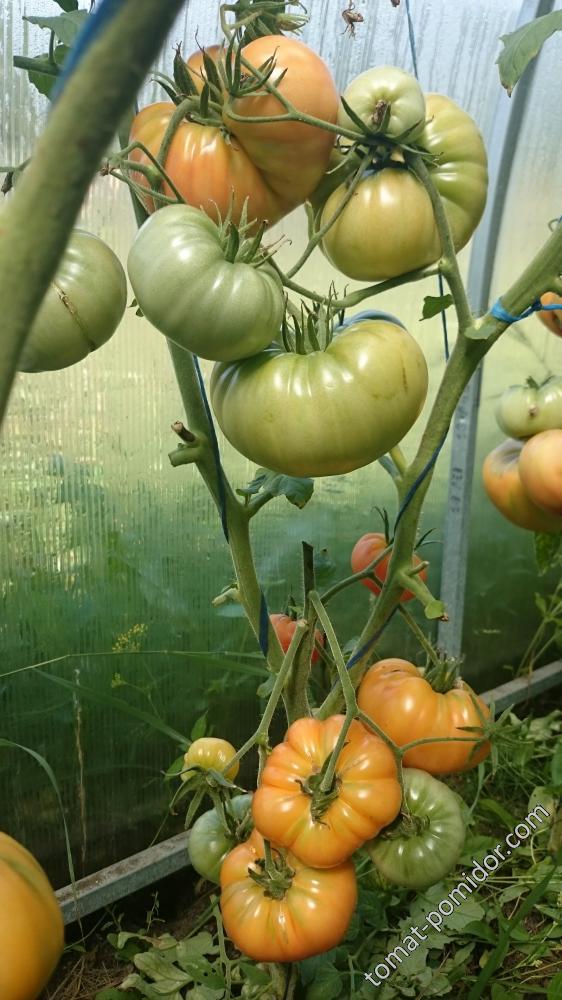
Full Summary: Plant, Yield, Taste, and Looks
- 🌿 Plant & Looks: An indeterminate heirloom that produces oblate, medium-to-large slicers. While catalog descriptions often bill it as an orange tomato, growers note it behaves more like a bi-color: orange on the outside with distinctively bright yellow flesh on the inside.
- 📈 Yield & Quirks: Very reliable yields for an heirloom, pushing out uniformly sized 5-9 oz (150-250 g) fruits. The walls are notably thick and firm for a slicer. However, it is prone to developing minor hollow locules (empty seed cavities) inside the fruit.
- 👅 Taste: Flavor reviews lean positive but not mind-blowing. It has a slightly sweet, mild profile that makes a great sandwich slicer, though some growers felt it didn’t quite reach top-tier favorite status.
👨🌾 Editor’s Note: Hollow Fruit (Tomato Puffiness)
In the final post, Irina notes that her Hazel Gold tomatoes had hollow spots inside and wonders if underwatering was to blame. She’s partially right! This condition is known agriculturally as tomato puffiness or locular gel abortion. It happens when the outer walls of the tomato continue to grow, but the internal seed gel fails to develop fully to fill the space. While genetics play a big role (paste and thick-walled varieties are especially prone to it), the primary triggers are extreme temperature fluctuations during pollination, excessive nitrogen, or exactly what she suspected: inconsistent watering during fruit expansion.
In the final post, Irina notes that her Hazel Gold tomatoes had hollow spots inside and wonders if underwatering was to blame. She’s partially right! This condition is known agriculturally as tomato puffiness or locular gel abortion. It happens when the outer walls of the tomato continue to grow, but the internal seed gel fails to develop fully to fill the space. While genetics play a big role (paste and thick-walled varieties are especially prone to it), the primary triggers are extreme temperature fluctuations during pollination, excessive nitrogen, or exactly what she suspected: inconsistent watering during fruit expansion.