Quick Summary of Yaponskiy Trufel (Japanese Truffle Series)
- 🌍 Origin: A highly popular commercial Russian series (often distributed by Biotechnika, Sibsad, and Aelita). Despite the name, it is a Russian heirloom/commercial line. It comes in up to 6 distinct colors: Red, Pink, Black, Orange, Yellow, and Gold.
- 🌿 Plant Habit: Most are indeterminate, growing between 1.2m to 1.8m (4 to 6 ft). Important note: The Black version is widely reported to have Potato Leaf (PL) foliage, while the others are Regular Leaf (RL). Many growers suspect the Black Truffle is identical to the ‘Black Pear’ (Chernaya Grusha) variety.
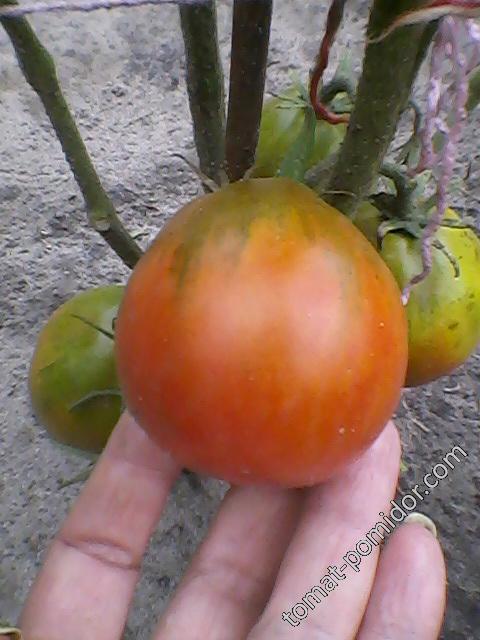
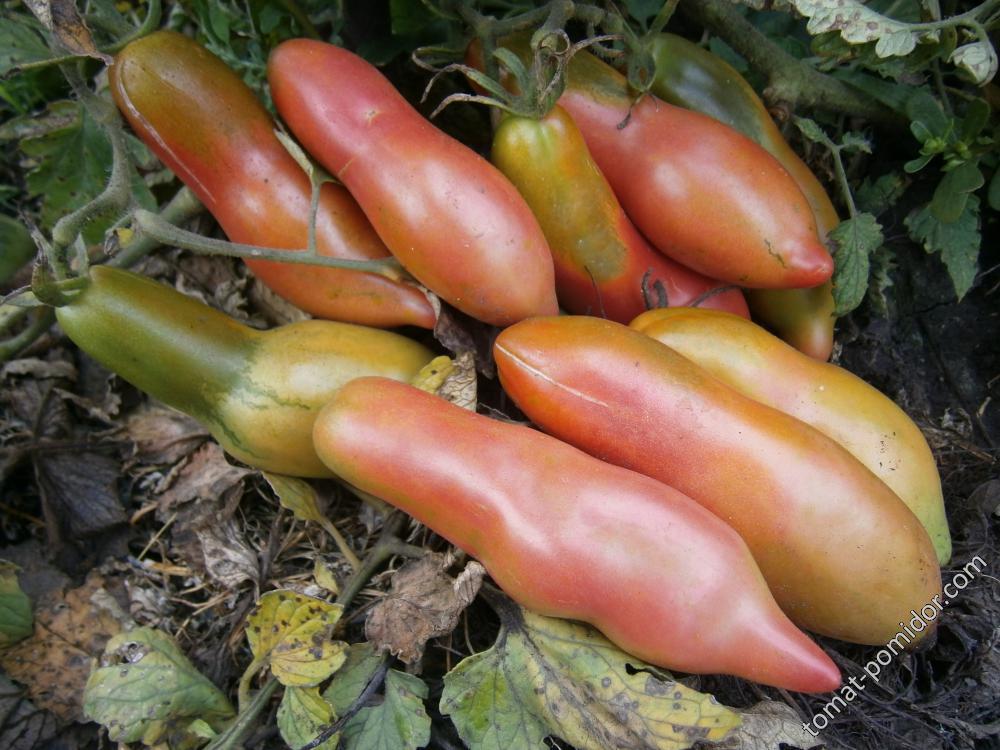
- 🍅 Fruit Characteristics: Classic pear or “truffle/bag” shape. They are heavily ribbed at the neck and wider at the bottom. The skin is notably glossy (“like it was dipped in oil”). Average weight is 100–200g (3.5–7 oz).
- 👅 Flavor & Storage: The flesh is dense and meaty. The flavor is generally sweet with a rich tomato profile, but its greatest strength is long-term storage. These tomatoes can easily ripen off the vine and be stored well into December or January without losing their texture or taste.
- ⚠️ Challenges: Some colors (especially Red and Orange) can be susceptible to Blossom End Rot (BER) and “green shoulders” if potassium or calcium is locked out due to high heat. Yields vary wildly depending on the specific seed packer.
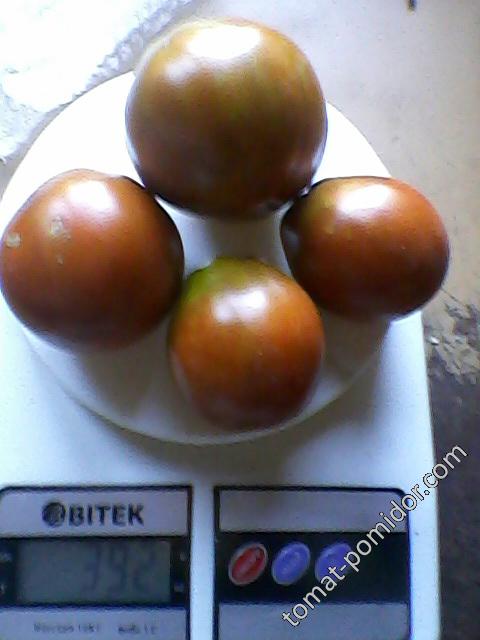
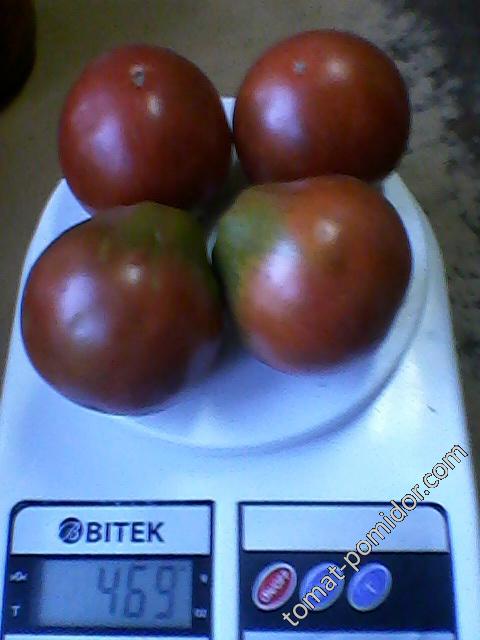
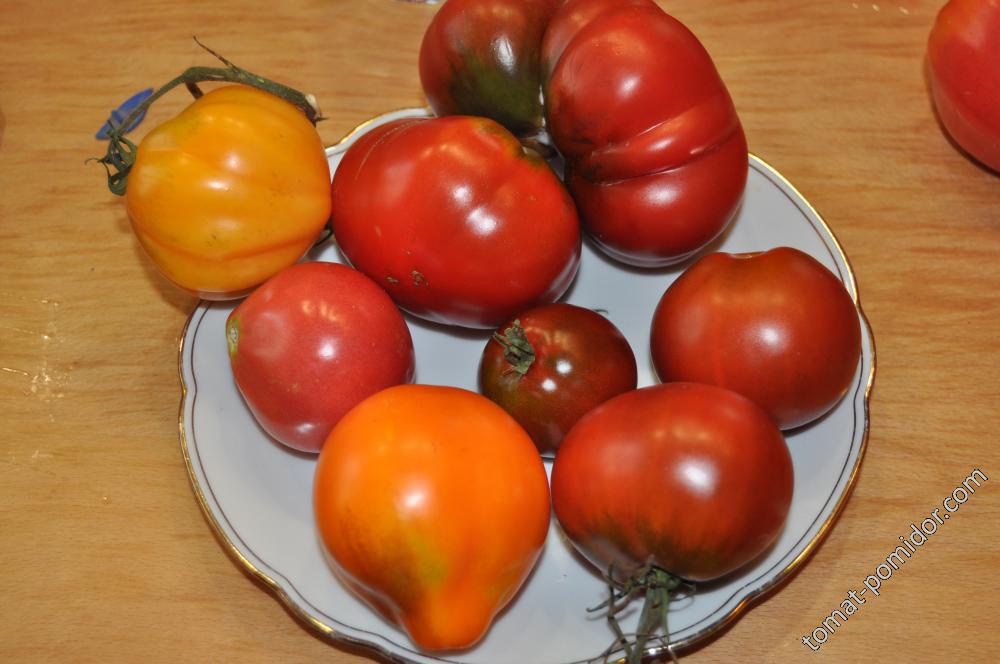
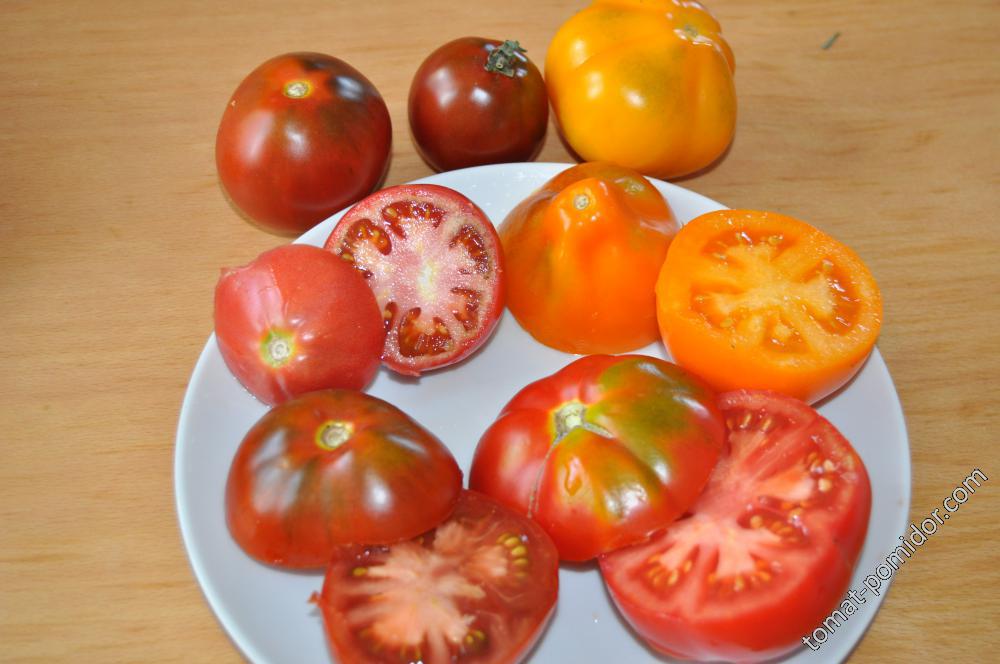
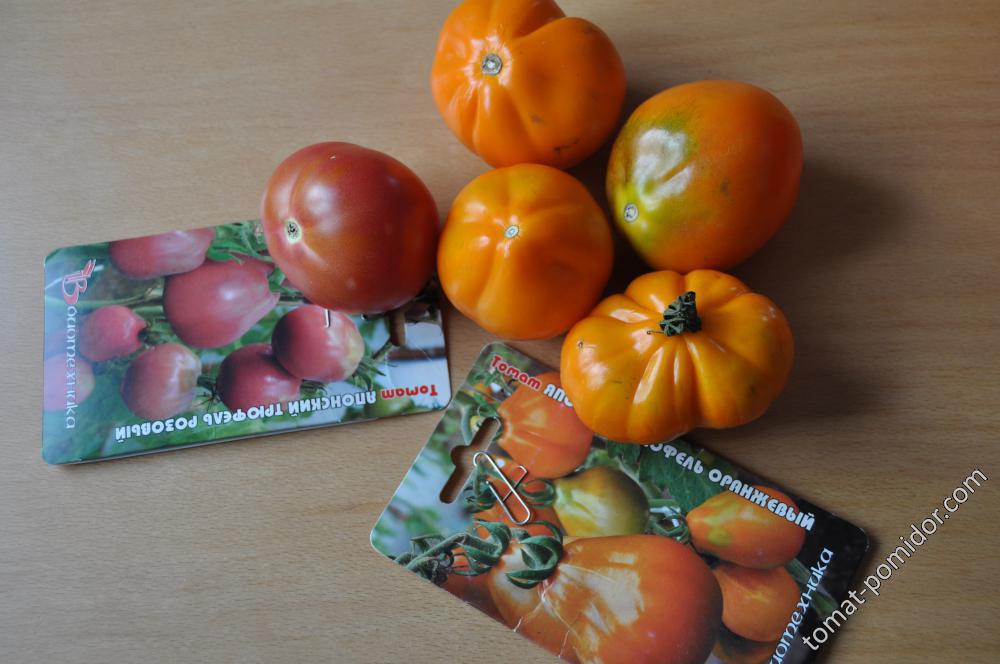
Japanese Truffle: Red, Pink, Black, and Orange. All from Biotechnika. We tried them for the first year, liked all of them. The yield isn’t huge, up to 1.5 kg (3.3 lbs) per bush, but the taste is excellent. There is more sweetness than acidity, and even after ripening off the vine, the fruits remain firm and tasty. This week my grandchildren had a race to suck down a Red Truffle; before that, Mia asked if I needed more seeds, rating it as the tastiest tomato juice. A special feature of the variety is its shiny skin, a real gloss, especially on the orange one. All 4 varieties limit their own height, max 1.3 m (4.2 ft).
J. Truffle Red.
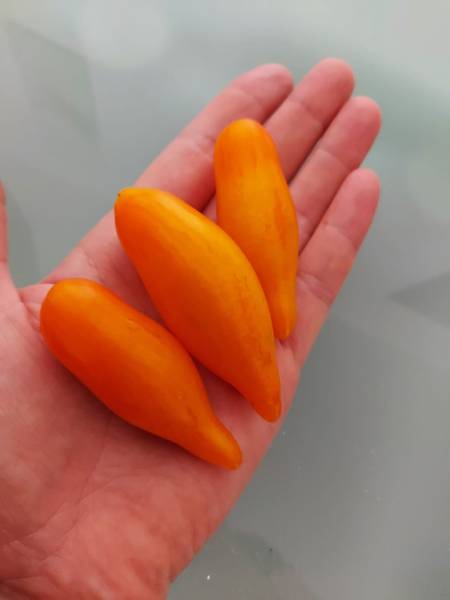
J. Truffle Orange.
All 4 colors.
Edited September 20, 2015 by Drosera
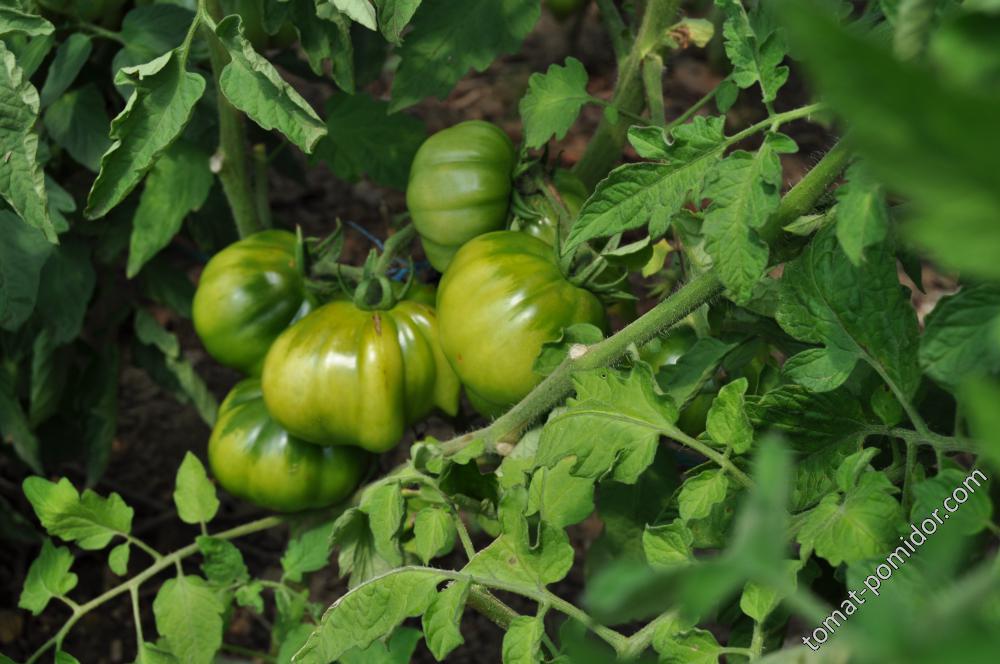
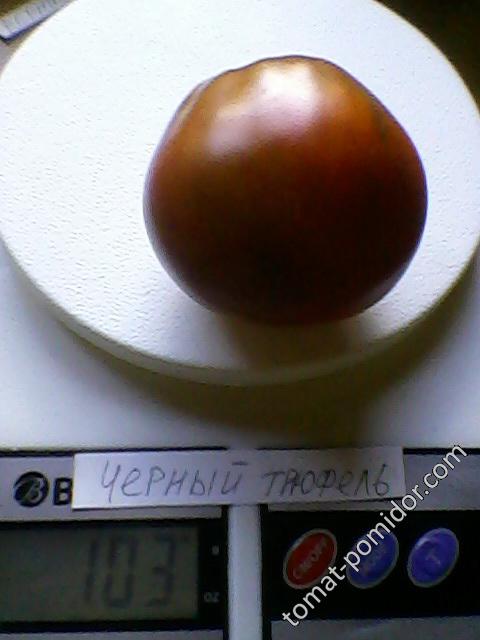
Black Truffle
Orange
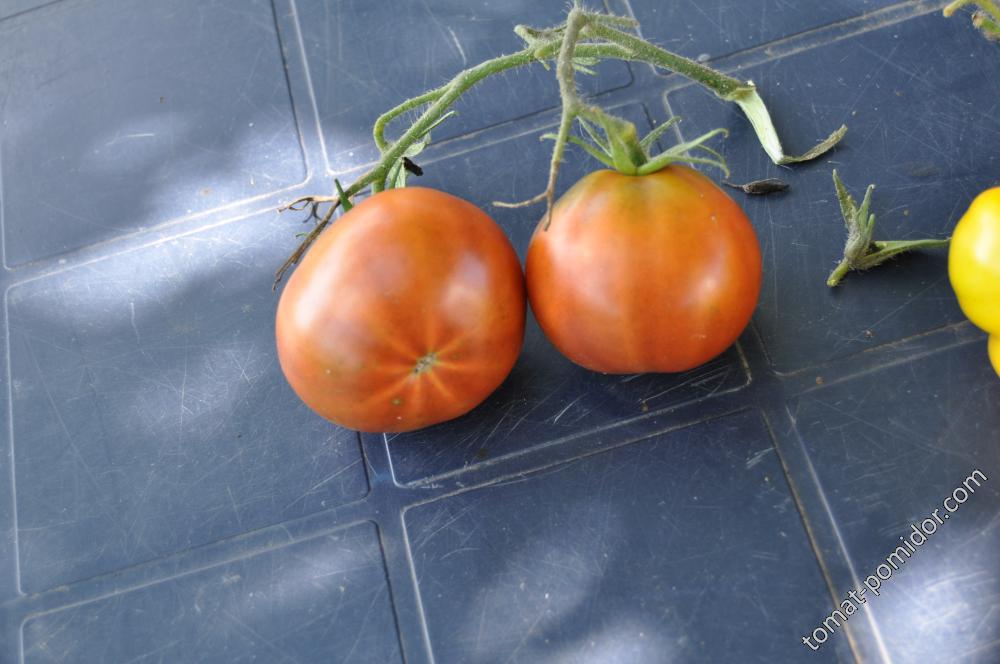
Mid-September, Red Truffle.
Next up is the yellow variety, the fifth one, grown by Nadja.
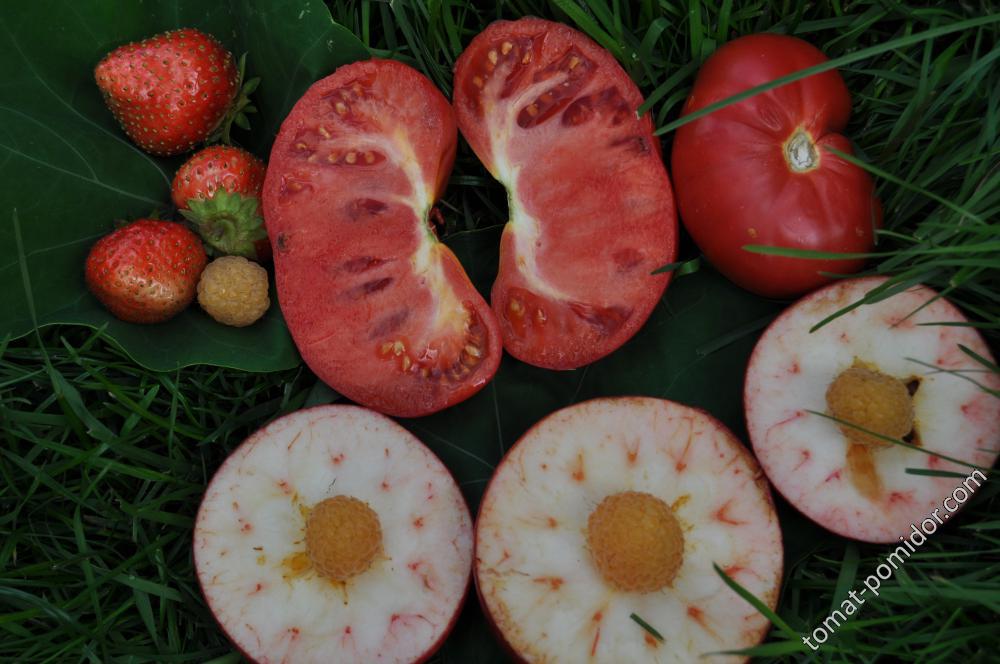
Here is the Yellow Truffle I grew.
And this is the Black Truffle.
The tastiest tomatoes!!!
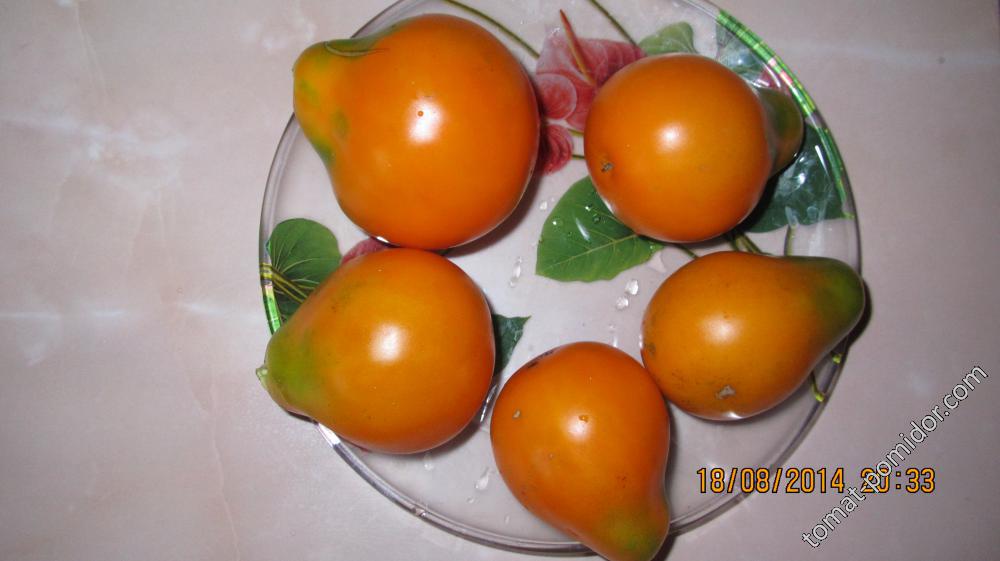
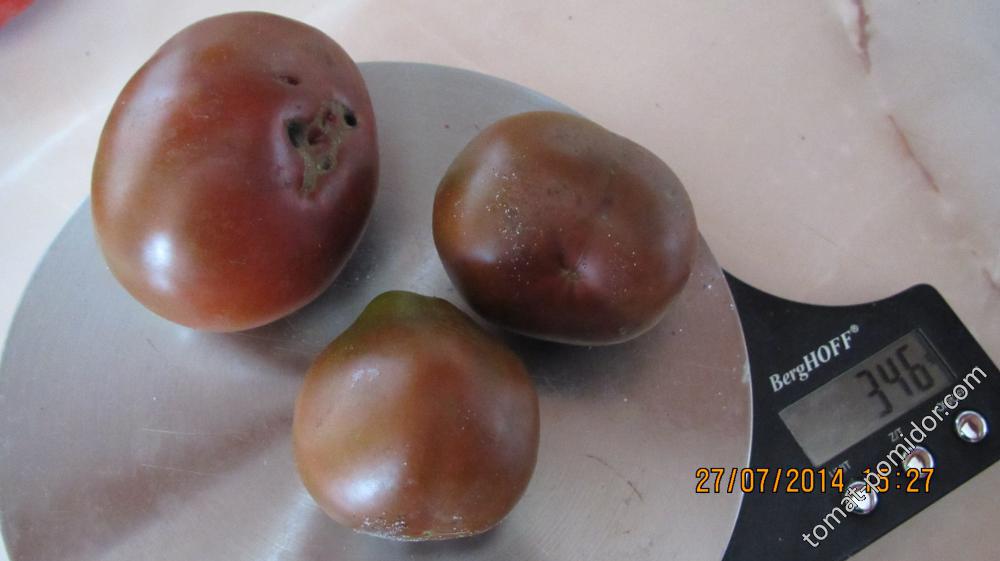
I had the Pink one, really liked it.
Here you can see how glossy the tomatoes get, like they were dipped in oil. And the greenness at the stem completely disappears upon full ripening, even if they are ripening off the vine.
The taste, when they sit and rest for a bit, gets even better (or so it seemed to me).
Dzhina: The taste, when they sit and rest for a bit, gets even better…
Yes, Zhenya, you are right 🙌 As they sit, they become even sweeter 👍
It’s a pity that all Japanese Truffles were put into one thread. They are very different. I grew the Yellow and Black ones.
Japanese Truffle Black. Potato leaf. At first, it didn’t seem very productive (the clusters were small), but it kept setting tomatoes right up until the frost. In September they started cracking. Tasty and sweet.
Japanese Truffle Yellow. Regular leaf. The tomatoes are quite dense, store well and tolerate transportation (I love varieties like that), tasty. Most of them went into jars for canning, haven’t tried them yet.
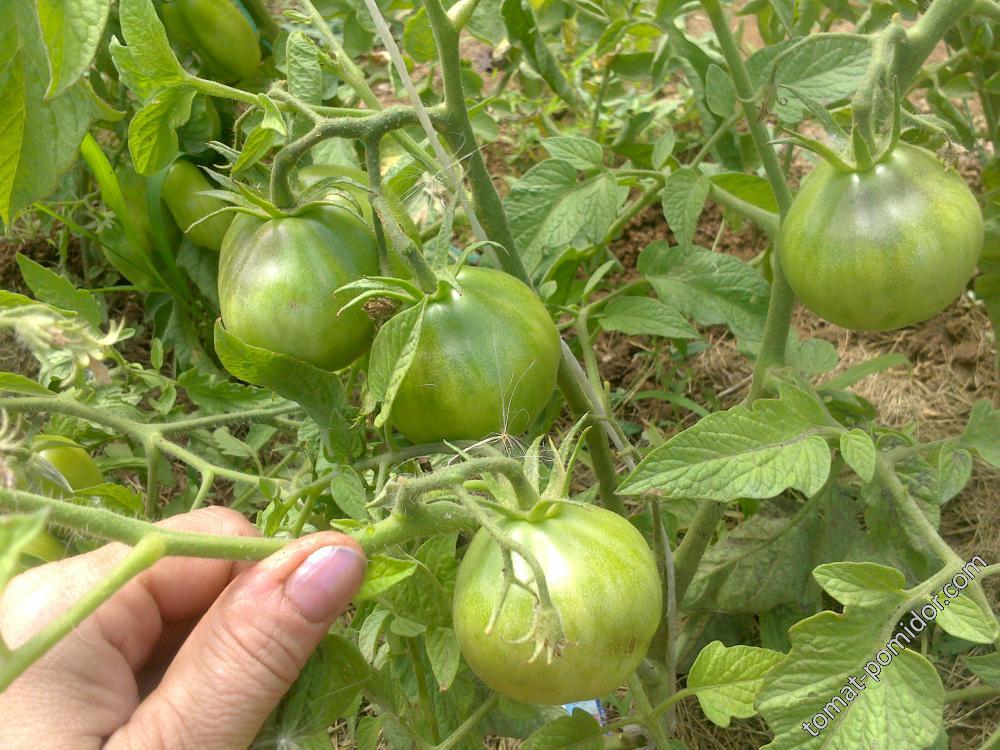
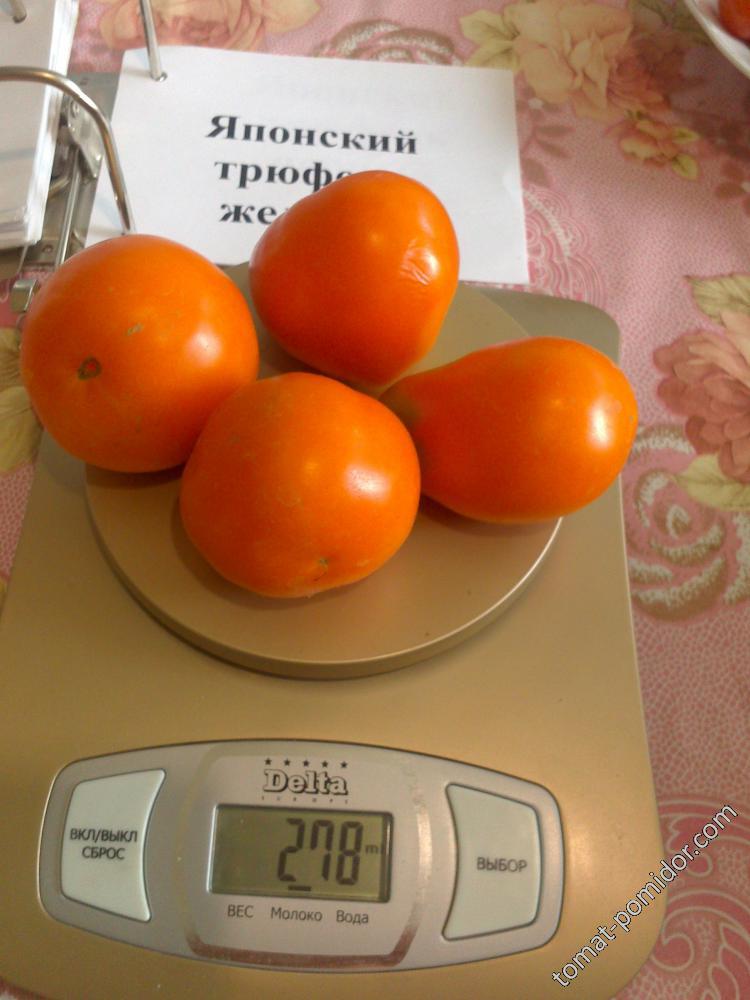
I had the Black and Yellow Truffle. Really liked them. The Black ones are still setting fruit in the greenhouse right now 👍
Even now there are more green ones on the bush than there were in the summer.
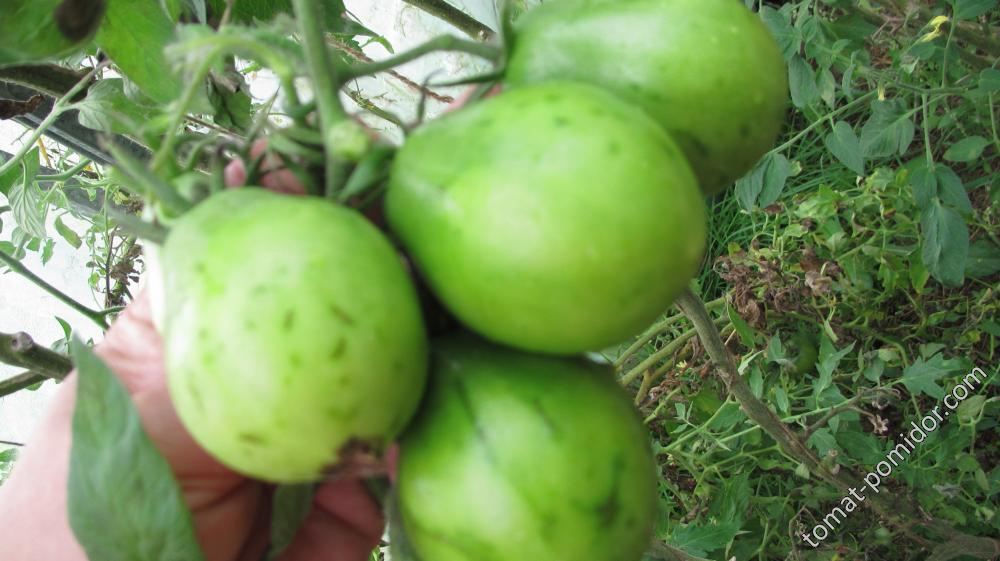
Next year I will return to the Japanese Truffles from Biotechnika. I grew Black, Red, Orange, and Gold in the greenhouse. Yield is average, but not low. Tasty (including when canned), ripen off the vine perfectly, and store for a long time. Disease-resistant. They are not fussy to grow, very few suckers. Best to grow in 2 stems. I recommend them to younger growers.
I didn’t have a great impression of this variety; there was a mismatch between the huge vigorous bush and the low yield, but I bought the English ‘Black Truffle’ to try as a black tomato.
Question. I grew various Truffles from Biotechnika, but a long time ago, in 2003-2004. And they were TALL, about 1.70-1.80m (5.5-6 ft). I didn’t repeat them for years because I disliked the yield. For a black tomato, a low yield is tolerable, but what about the height? Are they really just slightly over a meter tall? Did I really forget these varieties so much that I’m completely wrong about their height? And also — is the Black one really potato leaf? (I’m going to cry now, potato leaf varieties just don’t like my climate, it seems…)
Yes, the Black Truffle from Biotechnika has a potato leaf. In terms of height, all 4 colors I grew were about the same, but they were sprawling. Even if they are low-yielding, I will grow them, it’s an order from my granddaughter. Maybe next year they’ll show better yields.
I grew the Japanese Truffle (Orange) from Biotechnika. Very tasty and productive 😋
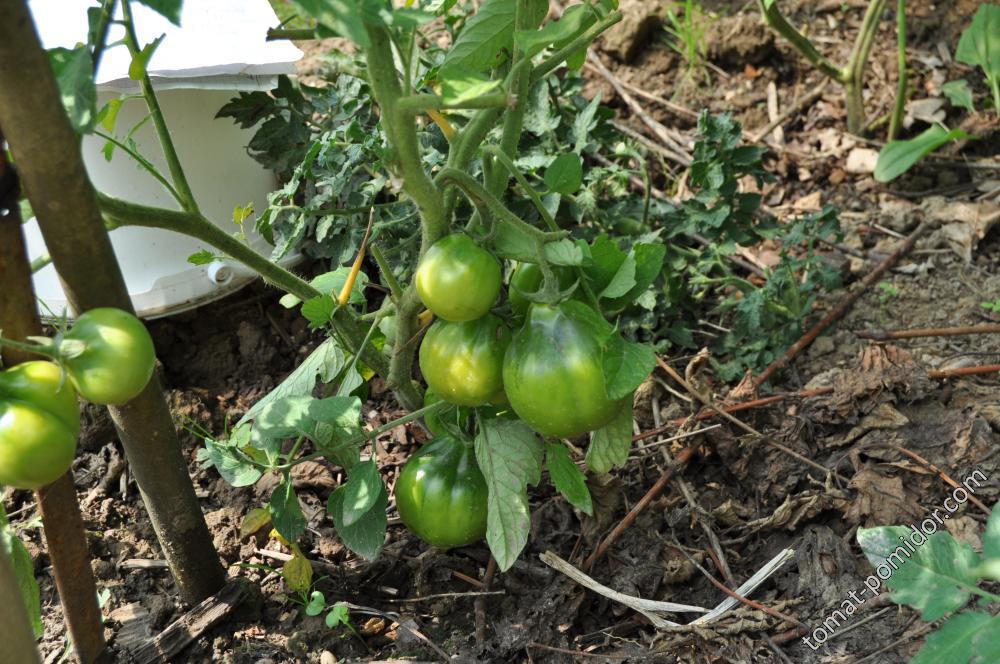
We’ve tried growing various truffles, but I only want to write about my favorite — the Golden one. We planted it this year both in open ground and in the greenhouse. Outdoors we didn’t get any ripe ones, picked them green because June was so cold that the tomatoes turned blue-purple on the vine and nothing set. By the time they recovered, half the summer was gone. But overall we are happy with the quantity, we are still eating them. In the greenhouse, we pruned them to two-three stems, they didn’t grow taller than 1.2-1.4 m (4-4.5 ft). On the strongest bush, I counted 65 tomatoes, and that was at the end of July, meaning it kept setting fruit (the first photo is that exact bush). The basket has different tomatoes, but all the orange ones are the Golden Japanese Truffle. The taste is quite good, rather sweet with a slight tartness. When all the tomatoes are ripening massively, there are tastier varieties, but when only the late-ripening ones are left, these are among the tastiest. The photo on the plate is from today, the remains of luxury))) Overall, we planted it and will plant it again, plus a bush of pink and black just for exotics.
Dona70: We’ve tried growing various truffles, but I only want to write about my favorite — the Golden one.
So a 6th type of truffle has appeared. And not a single one of them is in the State Register.
Drosera: So a 6th type of truffle has appeared. And not a single one of them is in the State Register.
Svetlana, what does that actually mean? The varieties do exist, right?
Let me rephrase — what does presence in the State Register mean? Does it impose any obligations on the producer?
Or does it give the consumer any guarantees?
Sorry if these are amateur questions — I just started thinking about the State Register right now 😉
AleksandrS: The varieties do exist, right?
I just wanted to see the difference between the Yellow and Golden truffles; the State Register lists characteristics for each variety.
I probably can’t answer your questions 😳, better ask Dmitry. I visit the State Register to compare what grew in my garden with their official description.
They write that they test varieties for “uniformity, distinctness, stability”. For some reason, they only test for 2 years 😕
Thanks!
I have 7 different varieties of truffles — 2 “Miracle Truffles” and 5 “Japanese” of different colors 😉
From those colors — there is Japanese Golden, and 2 orange ones (Japanese and Miracle-Truffle Orange) 😉 No yellow one…
I didn’t plant them this year — they seemed a bit dry last year.
But now it turns out they store well and retain their flavor… I’ll have to think about them for next year 😉
The name on the packet is exactly “Golden Japanese Truffle”, from Biotechnika.
I’ve seen Yellow Japanese Truffles for sale from Biotechnika, and on the packet, they are indeed yellow, while the golden ones are orange in color.
I planted the Yellow Japanese Truffle… didn’t like it.. 🙄
shtipa: I planted the Yellow Japanese Truffle… didn’t like it..
Ira, why?
Could anyone who specifically grew the Pink Japanese Truffle tell me: what is the plant height in a greenhouse, is it better to grow in 1 or 2 stems, and how does it behave during the seedling stage?
Matilda: Ira, why?
Well, I plant in pots and containers. And it grew into this huge long horse, very few fruits, they were small and sour… There are plenty of other indeterminate varieties that perform beautifully.
If it is just called “Red Truffle” from Sibsad, is it no longer the “Japanese” one?
Solnyshko: If it is just called “Red Truffle” from Sibsad, is it no longer the “Japanese” one?
I second this question. Experts, please advise!
I think they are one and the same.
Check the thread on Long-Storing varieties.
Matilda: I second this question. Experts, please advise!
I’m no expert, but I planted Truffle from Sibsad. The bush was shorter — up to 1 m (3.3 ft), a determinate, and the shape of the tomatoes was different from the Japanese Truffle, plus the taste was worse. Out of all the red ones I’ve tried, the best is from “Aelita”.
I grew the Red and Pink truffles this season, from Biotechnika. Both were quite productive, strangely enough, I liked the Red one more than the Pink. The fruits were almost all the same size, which cannot be said about the Pink one. Fruits ripen simultaneously on several clusters, no blossom drop, it set fruit all the way to the greenhouse roof. I grew it in two stems, one of them split, and then split again. I left three stems and pinched the fourth after a cluster formed. Ended up with a total of 14 clusters with 5-7 fruits in each. Could have been more, but my greenhouse is not very tall, so I have to top them early.
I will definitely plant the Red one again.
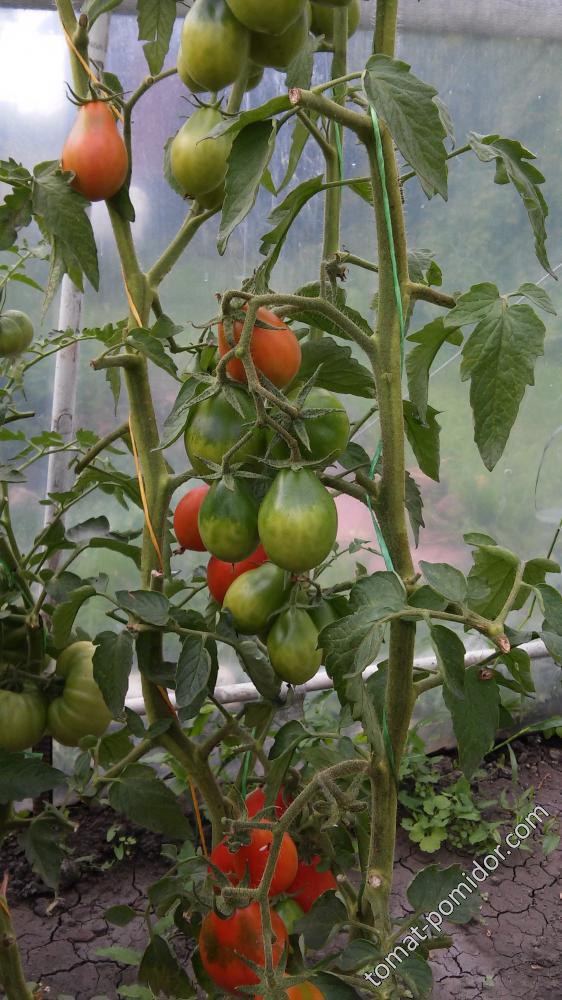
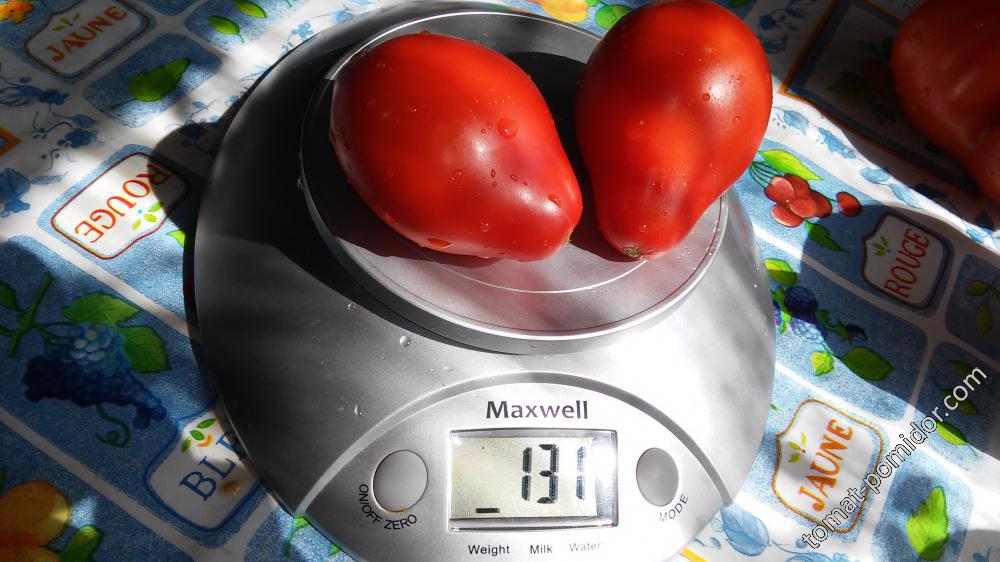
Black Truffle
– Bush appearance: early variety, indeterminate, potato leaf, robust.
– Fruit set: without skipping clusters.
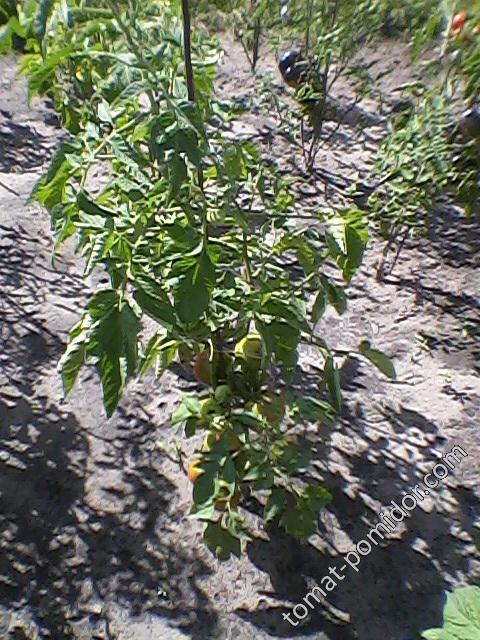
– Bush height outdoors on Aug 1st – about 1.2m (4 ft), on Sept 6th – 1.2m, the last fruits are ripening.
– Clusters: dense, 3-4 fruits.
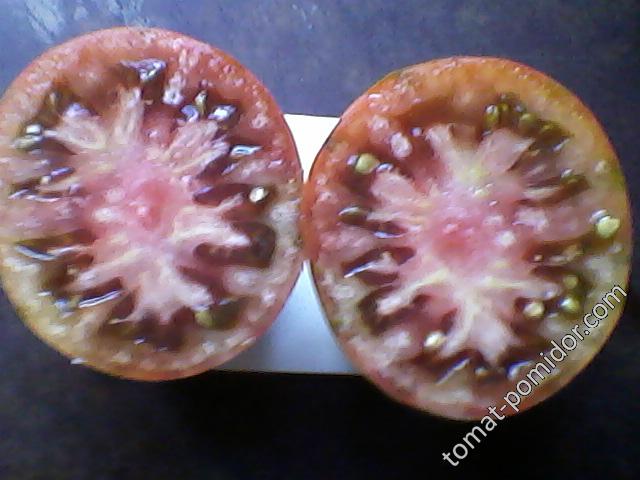
– Fruit: brownish-burgundy, classic truffle shape.
– Ripe fruit density: medium.
– Taste: juicy, tasty, sweetness gets a 5, no cracking, green shoulders remain until the end of fruiting.
First impression: a worthy, tasty, sweet truffle.
Seedling rating – 5, bush – 4, fruit – 5, overall variety rating – 4+. Very huge similarity to the variety ‘Black Pear’ (Chernaya Grusha).
Edited September 20, 2015 by Drosera