Growers’ Notes and Photos (USDA Zone 3 Experience)
An indeterminate hybrid from Gavrish.
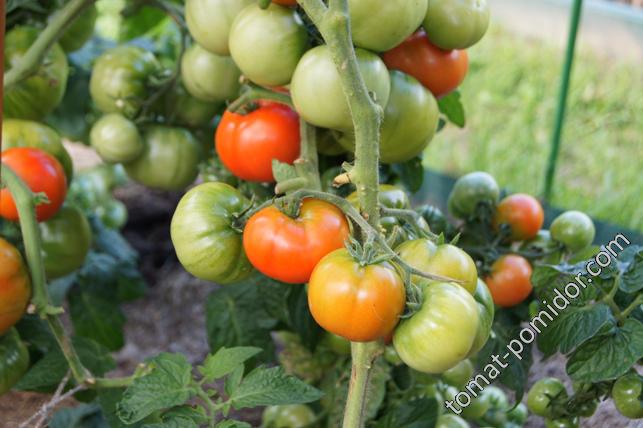
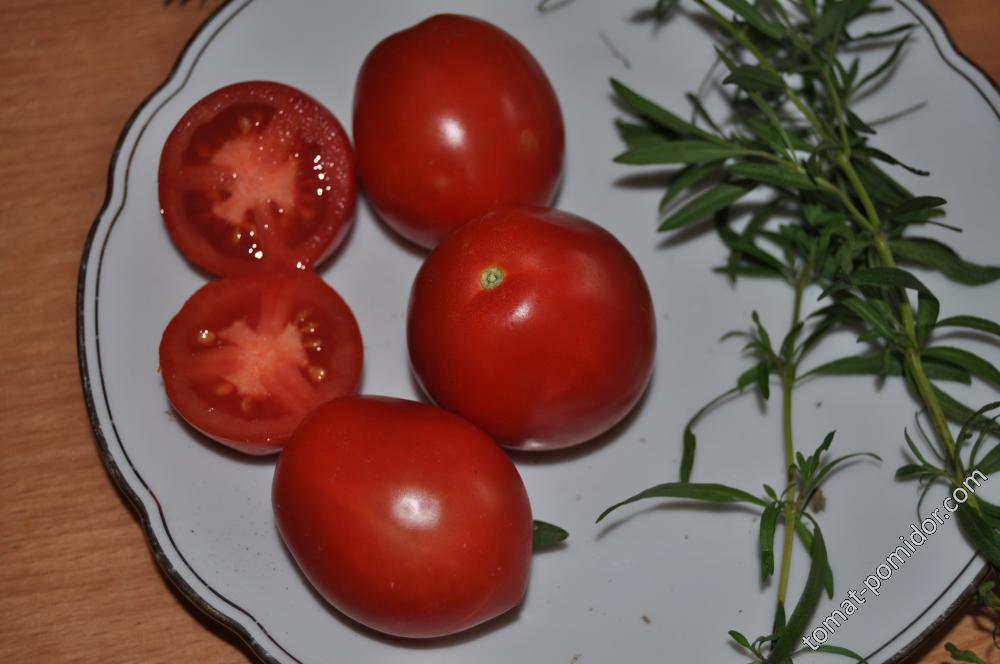
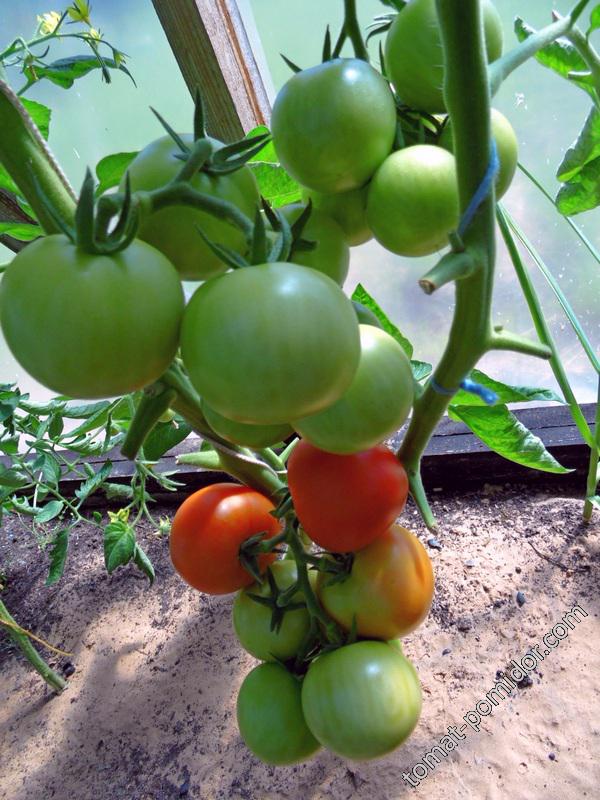
Tall vine, mid-early (starts coloring up in my greenhouse around early August). The fruits are red. The packet claims they are flat-round, but mine turned out closer to perfectly round, averaging about 5 oz (150 g). The skin isn’t overly thick, so they don’t store for very long.
Taste and yield are both solid. Great for salads, juicing, and sliced canning.
It has truly excellent resistance to leaf mold. It’s been officially listed in the State Registry since 2000.
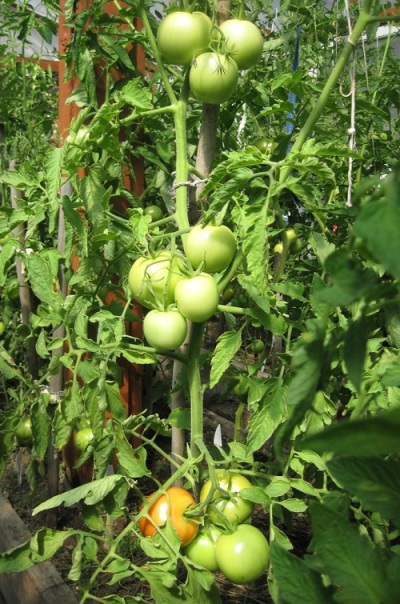
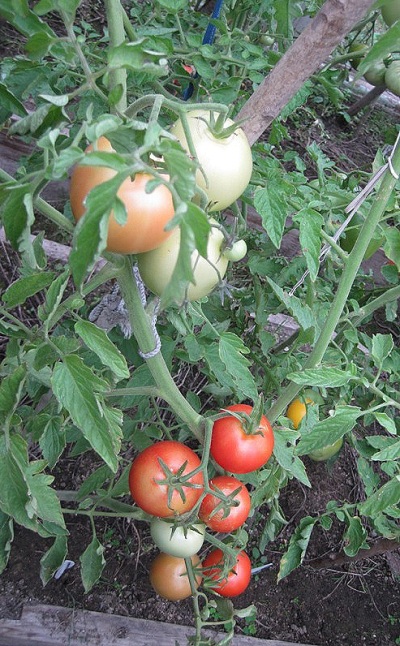
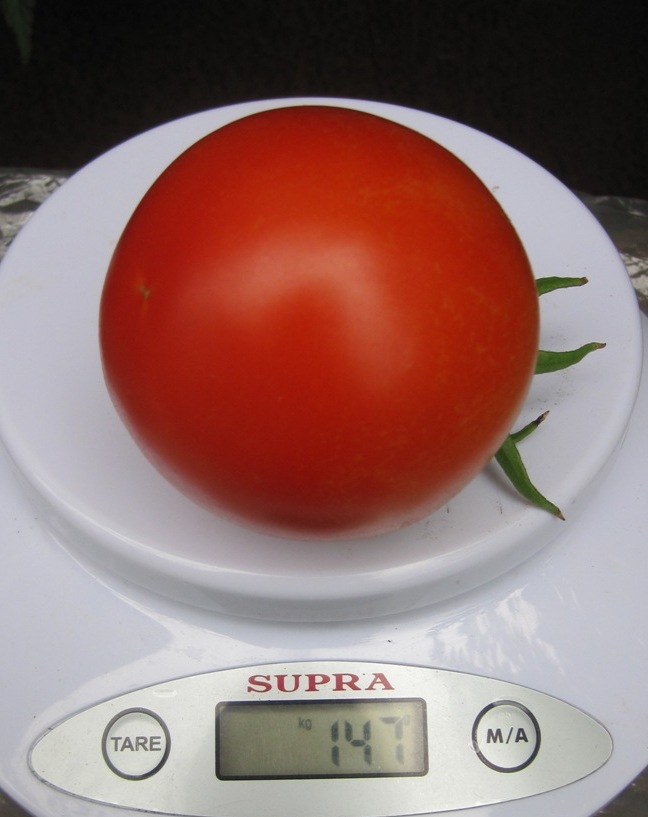
In the fall of 2012, I rooted a sucker from this plant. It was basically an experiment just to see how long a single tomato plant could survive indoors. I didn’t have any other varieties to take cuttings from anyway, because Margarita was the only one that still had clean foliage left.
It just sat there completely dormant all winter. But then spring hit, it started growing again, and even threw out flowers. By early June, it ripened one small tomato indoors.
I actually took 2 suckers off that indoor clone and planted them out in the greenhouse for the summer 2013 season. As for that original first clone, it lived all the way until late December, finally decided it had enough, and dried up.
Full Summary: Plant, Yield, Taste and Storage
- 🌿 Plant: A tall, vigorous indeterminate F1 hybrid. Its absolute best feature is its commercial-grade resistance to leaf mold (Cladosporium), meaning the foliage stays clean and green long into the damp fall season when heirlooms have typically defoliated. It is vigorous enough that a rooted cutting survived over a year indoors as a houseplant.
- 📈 Yield: Rated as highly productive and very dependable, starting to ripen by early August in cold northern greenhouse environments.
- 👅 Taste: Good, solid flavor. A classic commercial red tomato taste that works well fresh or processed.
- 📦 Texture/Usage: The fruits are round (despite the packet claiming flat-round), red, and average 5 oz (150 g). The skin is thin, making them great for fresh salads, juicing, and canning in slices or chunks. However, the thin skin also means they do not have a long shelf life after harvest.