Growers’ Notes and Photos (USDA Zones 3-5 Experience)
Marsha’s Starfighter Beefsteak (Zvezdny Istrebitel Bifsteks Marshi).
One of the lines from the Star Wars Project bred by Marsha Eisenberg in South Florida. Indeterminate, tops out around 6 ft (1.8 m) in the greenhouse. Mid-season.
Extremely ornamental, iridescent, multi-colored beefsteaks weighing 10.5-14 oz (300-400 g). Excellent, well-balanced flavor with pronounced sweetness. To my palate, the taste felt very close to the heart-shaped Prime selection from this same line. Superb yield and an extended fruiting window.
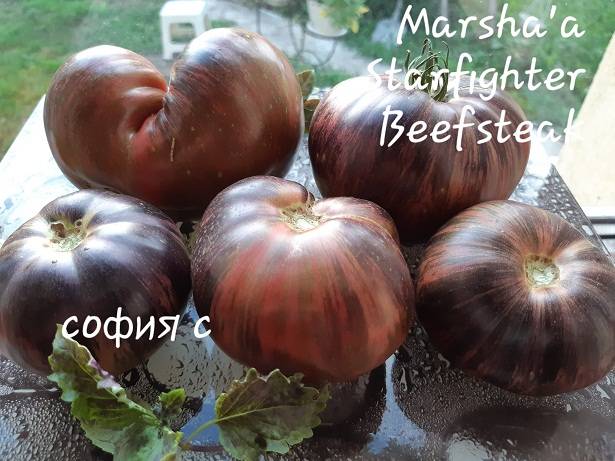
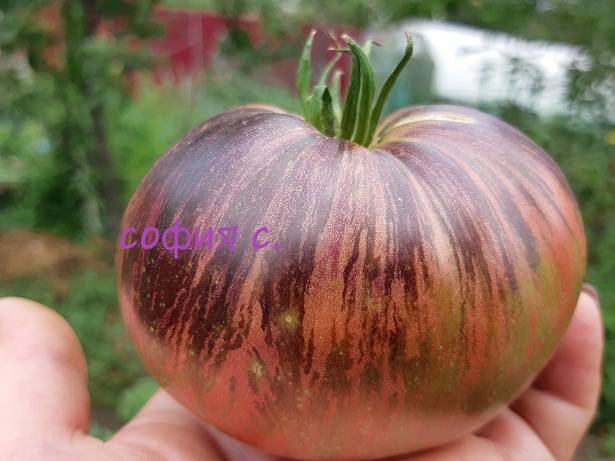
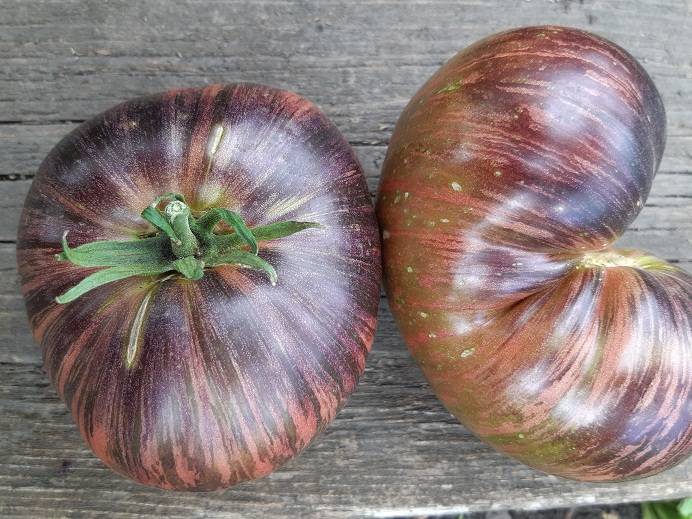
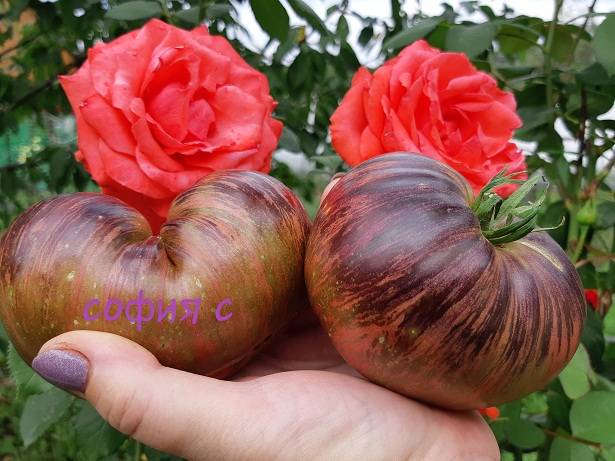

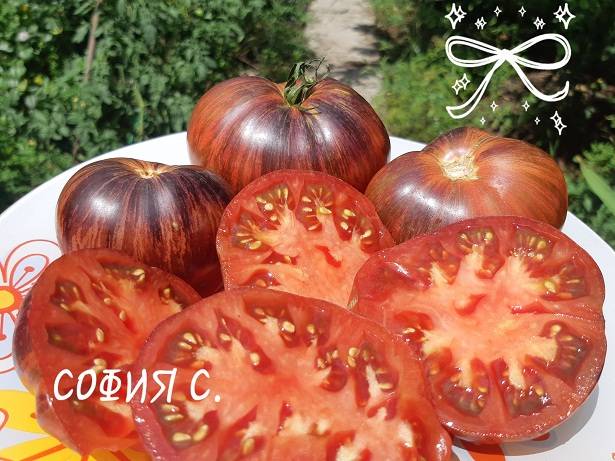
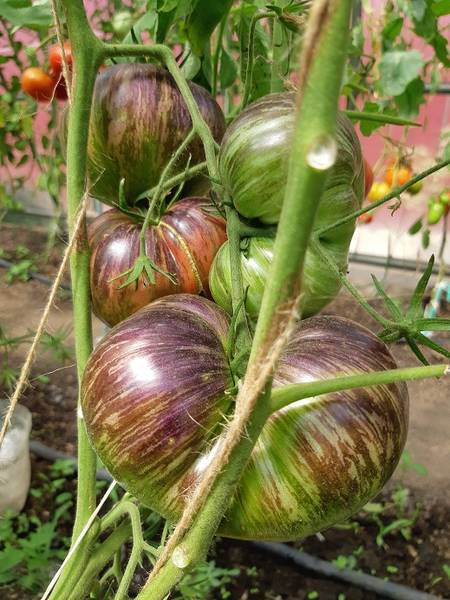
My absolute top discovery of 2020, an easy Top 10 lock for flavor, yield, and visual beauty.
It delivers the rich, velvety, concentrated flavor of an extraordinarily sweet and juicy black tomato. A coworker of mine who usually hates raw tomatoes tasted Marsha’s Beefsteak and admitted she must have simply never had a real tomato before. With my permission, she swiped the entire plate of slices!
To my palate, it beats Rebel Starfighter, packing a richer complexity with a very pleasant, gentle tang. Everyone who tasted it and has a garden begged for seeds.
Ran one plant in my polycarbonate greenhouse; definitely dedicating two spots for it in 2021.
The only drawback is that shelf life is poor, it is simply too juicy and tender-skinned to sit around. The vine displays classic anthocyanin architecture: slender, wiry, springy stems, dark leaves, and sparse to medium leaf cover. Ripens off the vine decently well, but does not store long once ripe.
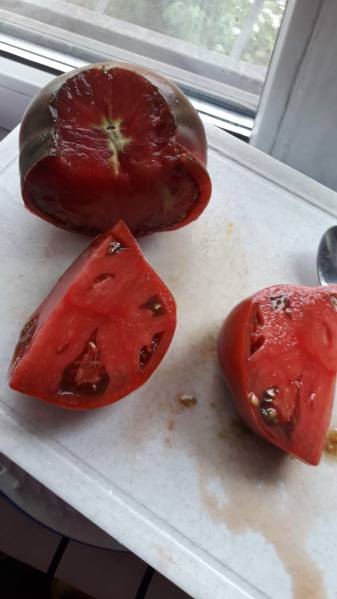
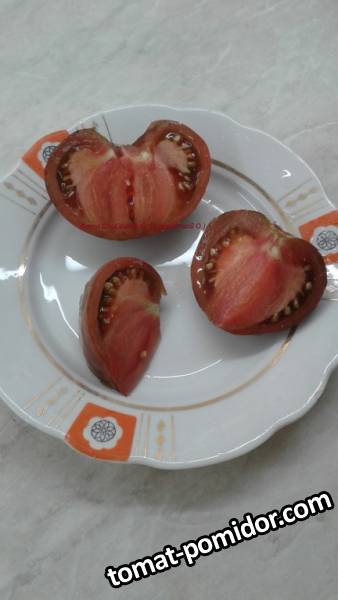
Here is the slice. Took it out to the windowsill specifically under natural daylight so the true colors would show accurately.
Edited December 12, 2020 by Oksana Evgenyevna
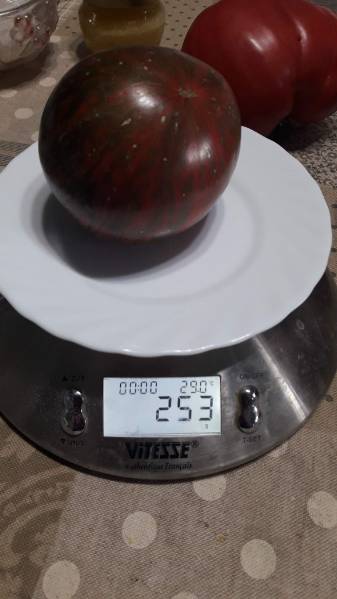
Marsha’s Starfighter Beefsteak. One of the Star Wars Project lines bred by Marsha Eisenberg in South Florida. That is why this selection is officially known as Marsha’s Beefsteak.
Seeds were sent to me directly by Marsha Eisenberg for regional field trials in my northern climate. Grew them under cover in polycarbonate high tunnels. The variety proved to be a vigorous indeterminate with regular, weeping foliage. Plants were stout and strong, with thick main stems.
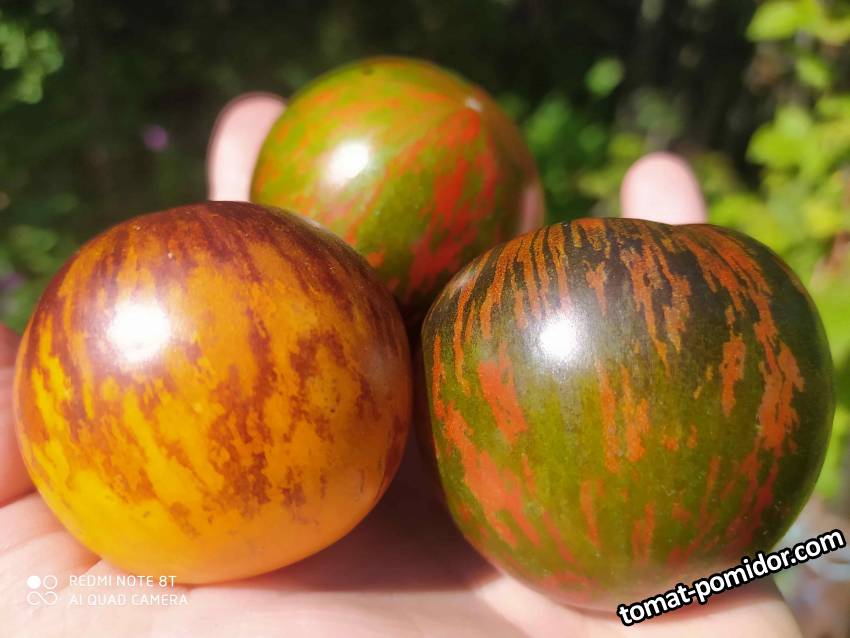
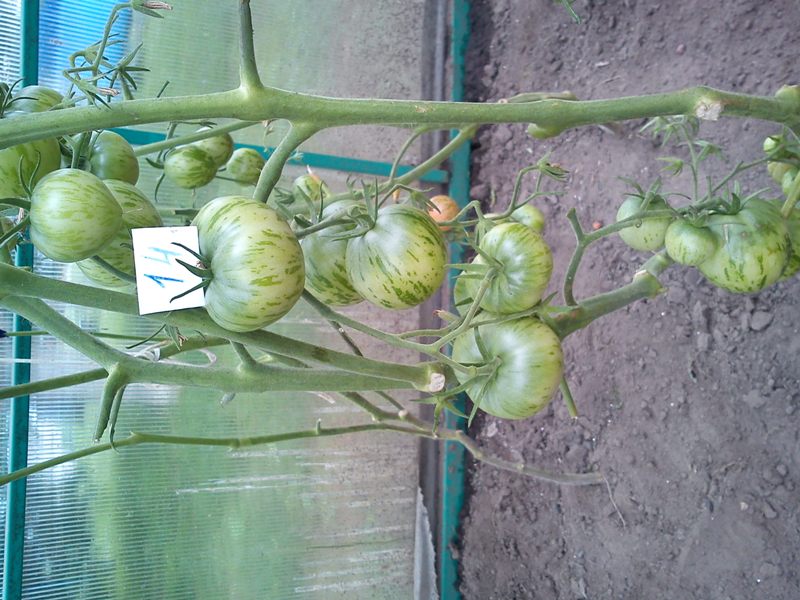
Fruit have classic oblate beefsteak form, showing prominent metallic green-gold striping on the green fruit. At full ripeness, the shoulders develop an inky, dark anthocyanin cap that makes them look striking.
Slicing it open reveals dense, rich dark-cherry meat, thick and juicy. Flavor is completely balanced with a slight, pleasant savory bite. A fascinating variety with high yields that has already earned high praise from growers across the country.
Marsha’s Starfighter Beefsteak. Truly gorgeous and delicious variety! 👍
Ran one in the greenhouse pruned to two stems, and kept another in a patio pot by the gazebo. High yielder. Fruit are oblate beefsteaks up to 10.5 oz (300 g), decorated with intricate multicolored striping.
Heavy anthocyanin splash over the shoulders. Deep burgundy interior, sweet, with a flavor profile very similar to Marsha’s Heart.
Edited September 29, 2021 by Svetikk
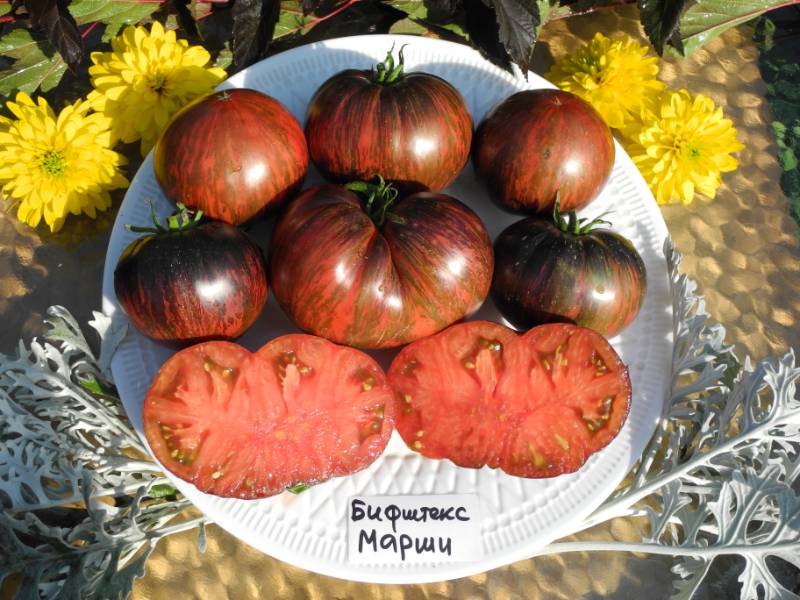
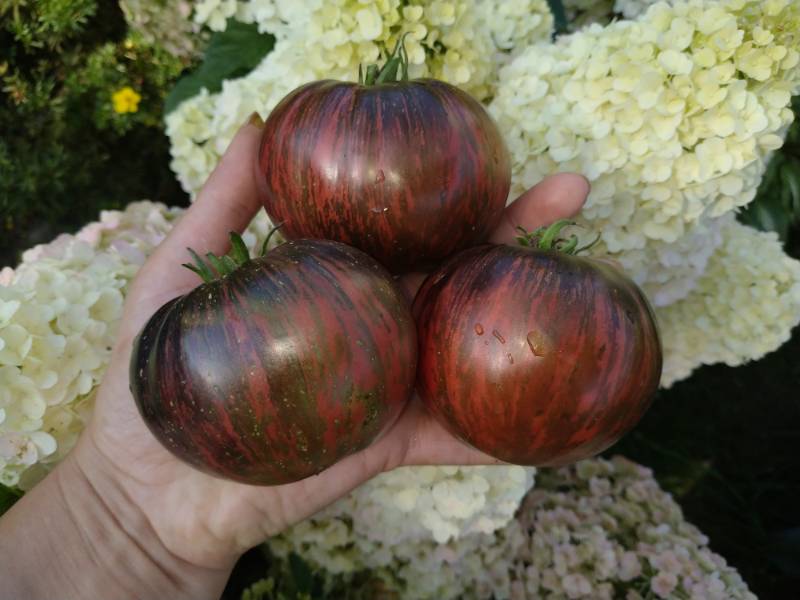
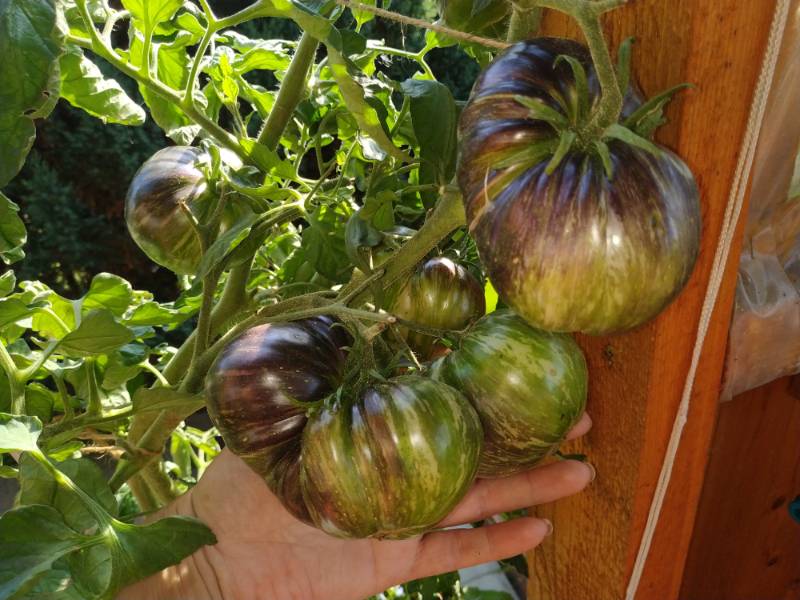
Outstanding flavor, outstanding yield. Beautiful fruit in mixed sizes, ranging from smaller slicers up to genuinely large beefsteaks. Extended harvest window.
Seeds came from Sveta (@Lana_s_Kavkaza), thanks!
P.S. If you compare this Beefsteak to the Heart version, it is tough to pick a winner. Both are top tier.
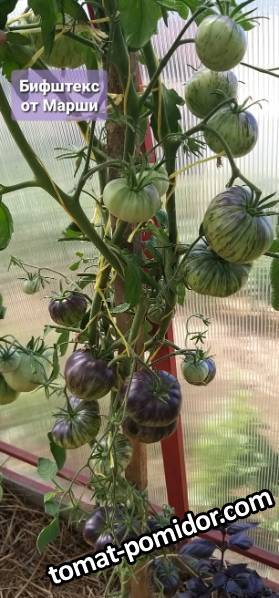
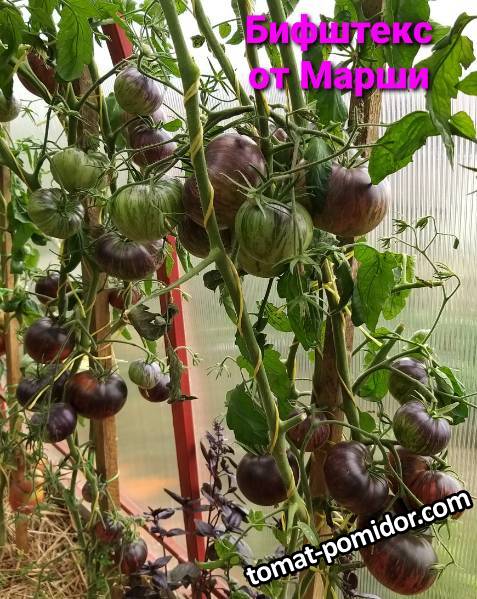
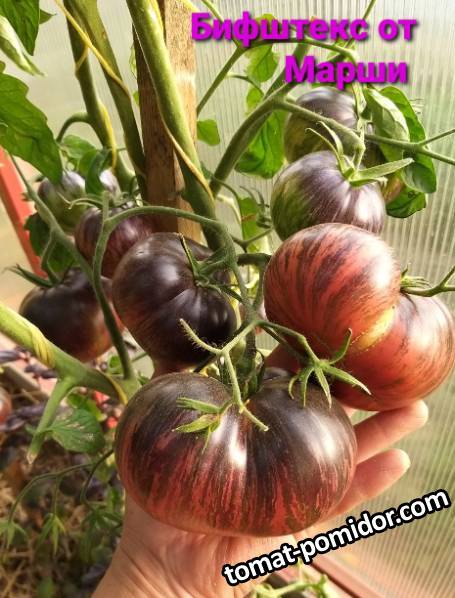
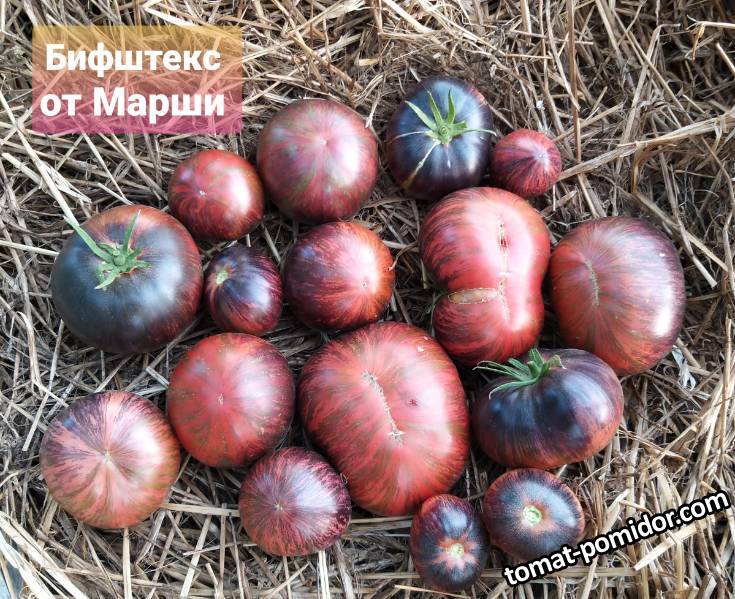
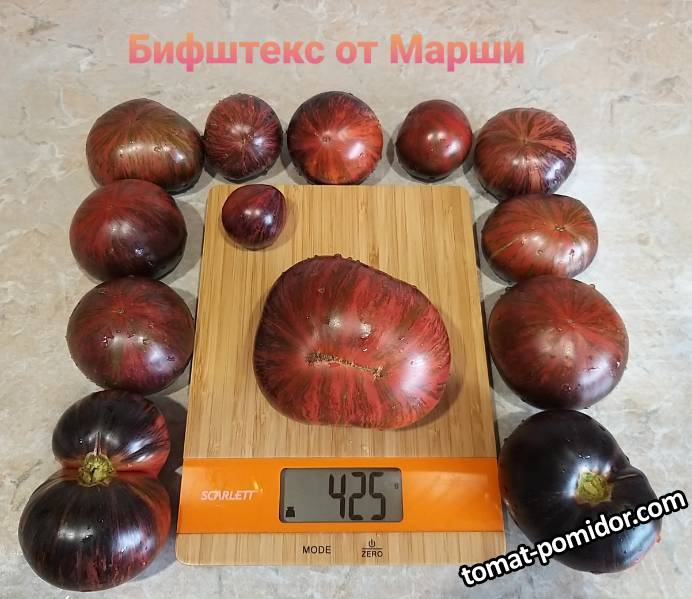
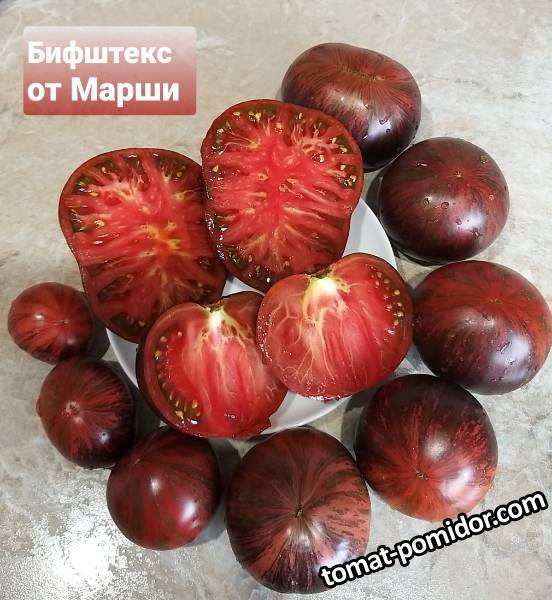
Inn@: If you compare this Beefsteak to the Heart version, it is tough to pick a winner. Both are top tier.
Agreed! Both varieties are productive, gorgeous, and share that same rich flavor profile. They are direct family after all 😁
Seconding the praise. Great, dependable variety. Really liked the juiciness and well-balanced flavor.
Vines climbed to around 6.5 ft (2 m). Despite being planted in a partially shaded spot, it kept setting fruit for a very long stretch. Beautiful dark brown fruit with stripes.
Marsha’s Starfighter Beefsteak.
Grew it in 2021 under greenhouse plastic. Completely loved it: eye candy, delicious, and heavy yielding!
Seeds came from Lena (@Mama Anfisa). Thank you! 😊
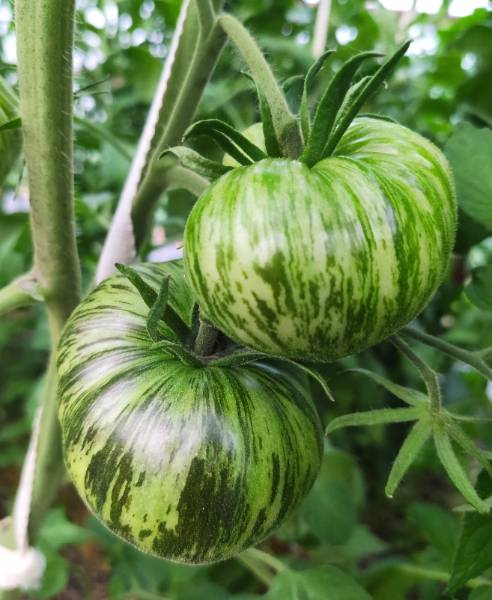
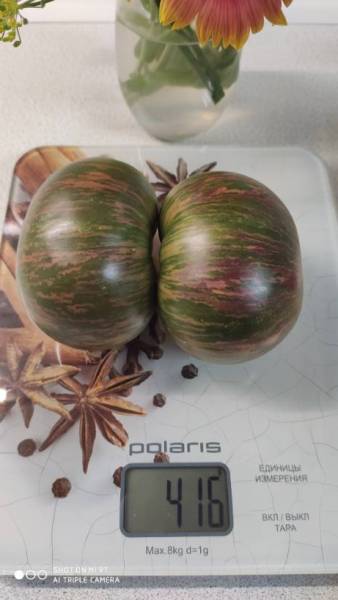
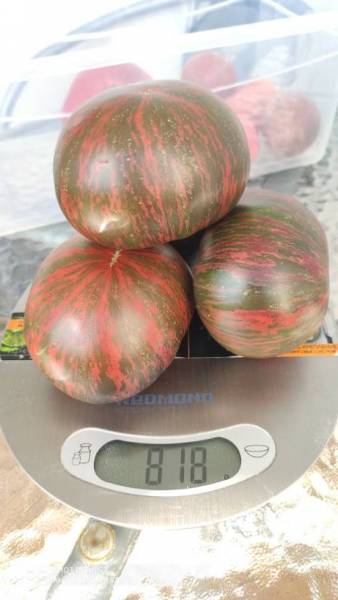
Count me in as a huge fan too. Marsha’s Beefsteak ripens fairly early in open ground beds, yields great, and is gorgeous and flavorful. Growing it for the third year in a row now. Only managed to snap photos this season!
Edited August 1, 2023 by Lyolikovna
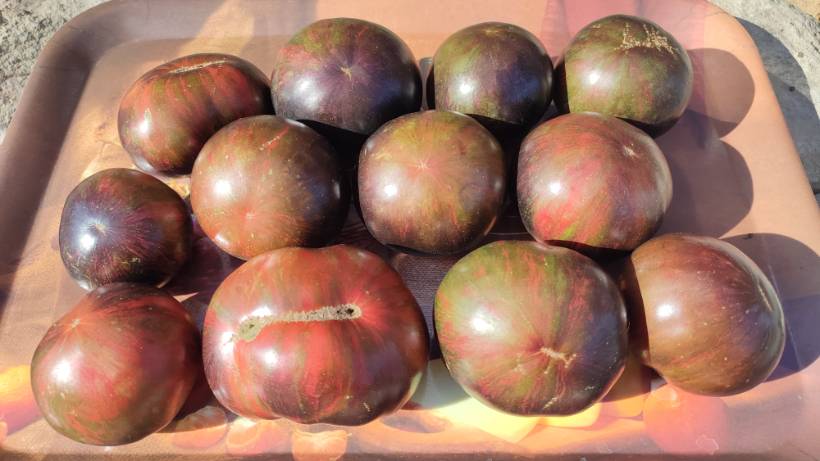
Vines were ridiculously loaded this summer, strong winds even snapped clusters clean off the main stems under the fruit weight.
Curiously, fruit on the lower clusters were somewhat smaller, but the ones higher up sized up much larger, strange, never noticed that before. Absolute treat to eat!
Edited August 25, 2023 by Lyolikovna
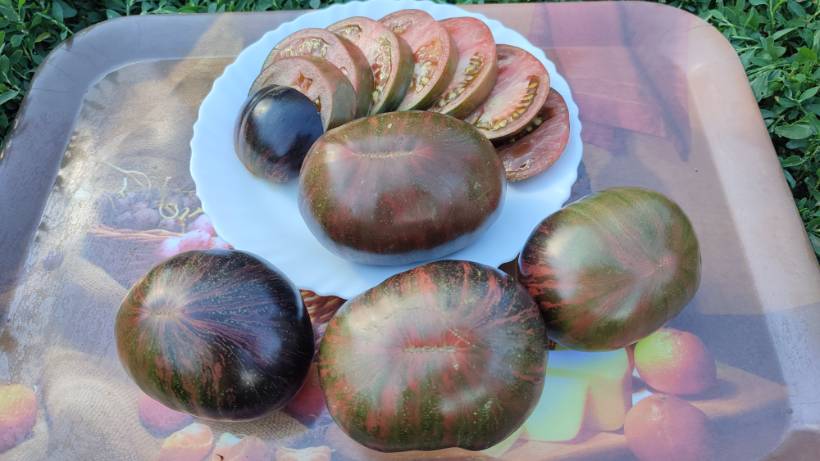
Unfortunately, this was a complete flop in my garden this year. Planted three vines. Fruit set was poor, fruit stayed small, got hit with blossom end rot, and flavor was nothing special, pretty sour.
Full Summary: Growth Habit, Aesthetics, Taste & Shelf Life
- 🌿 Plant Architecture: Vigorous indeterminate vine reaching 6-6.5 ft (1.8-2 m). Features typical anthocyanin genetics: slender, springy, dark-tinted stems with sparse, weeping regular foliage that allows maximum sun penetration into the fruit canopy. Trusses get so heavy that wind can snap clusters without proactive tying.
- 🍅 Fruit Appearance & Size: Deeply colored, oblate beefsteaks typically weighing 10.5-14 oz (300-400 g). The skin displays iridescent shades of mahogany, bronze, and green striping, crowned by heavy, dark purple-black anthocyanin shoulders that deepen under direct UV light.
- 👅 Flavor & Texture: Exceptional eating quality. Slices open to a rich, dense dark-cherry red interior. Delivers a velvety, sweet, full-bodied black-tomato profile with high juice levels and a clean, refreshing hint of acidity.
- 📦 Storage Limitations: Tender skin and excessive juiciness result in very short post-harvest storage. Best enjoyed fresh off the vine, though breaker-stage fruit will ripen up nicely on the counter.
- ⚠️ Vulnerabilities: In cold, damp soils or under irregular watering schedules, slender anthocyanin root systems can struggle with calcium uptake, occasionally resulting in blossom end rot (BER).
- 🌎 Proven Adaptability: Tested across USDA Zones 3 through 5a (from Western Siberia and the Urals to the Volga steppe and Kazakhstan), performing well in both unheated high tunnels and open garden beds.
Marsha’s Starfighter Beefsteak was bred by independent American breeder Marsha Eisenberg of South Florida. It emerged from her collaborative work developing the famous Star Wars Series (which produced lines like Rebel Starfighter Prime, Marsha’s Starfighter Heart, and Starfighter Beefsteak), originally created from crosses involving Xanadu Green Goddess and dark anthocyanin parents.Eisenberg selected this specific line for growers who prefer the classic, multi-locular oblate beefsteak form over pointed hearts. Gardeners should note that the slender, delicate canopy is a genetic trait of the cross, not a sign of poor health. However, because these thin-foliaged vines transpire rapidly during heat spikes, maintaining consistent drip irrigation and mulching is essential to avoid the calcium transport hiccups that cause blossom end rot (BER), as noted by Olgazve in northern Kostroma.