🍅 Quick take: Primary Colors is a distinctive saladette/cocktail variety bred by American heirloom breeder Tom Wagner. The indeterminate vines bear round, 2-3.5 oz (60-100 g) bright yellow fruits accented with dark purple anthocyanin shoulders. Growers highlight its heavy fruit set and solid sweet-tart profile. In southern climates, it thrives unpruned, though northern open-ground growers warn of late blight vulnerability and occasional color segregation in unverified seed lines.
Growers’ Notes and Field Performance (USDA Zones 4-7)
A neat creation from Tom Wagner. Grew mine outdoors in the open garden. Plants stayed around 3.3-4 ft (1-1.2 m) tall. Fruit weight topped out at 2 oz (60 g). Productive variety, and both the flavor and looks were very good.Edited September 18, 2015 by Drosera
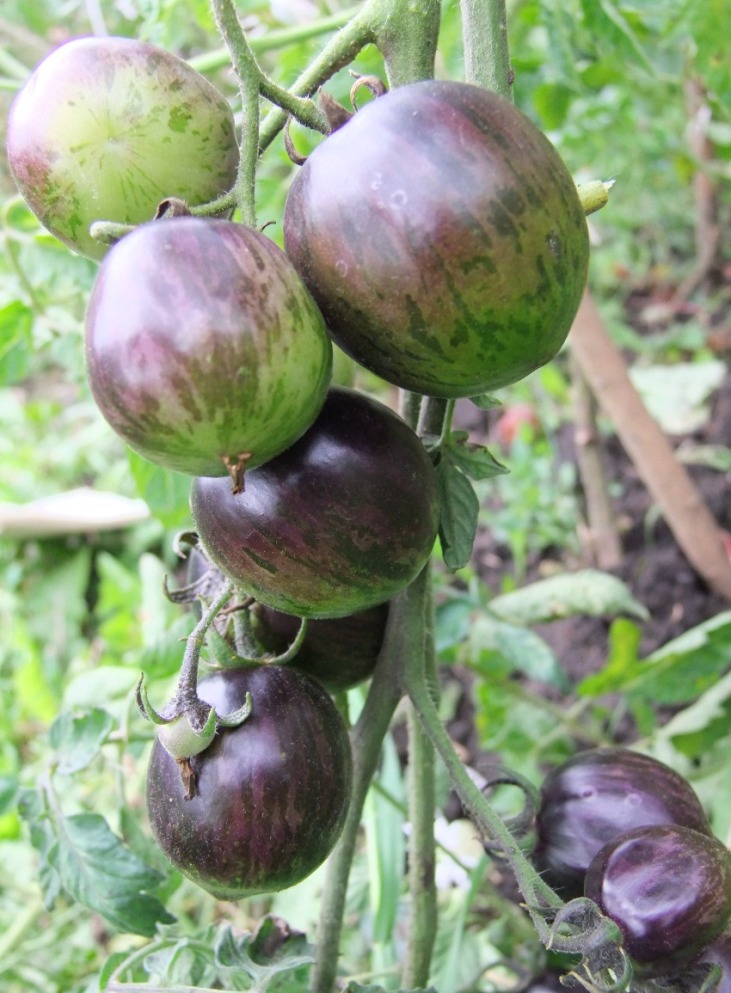
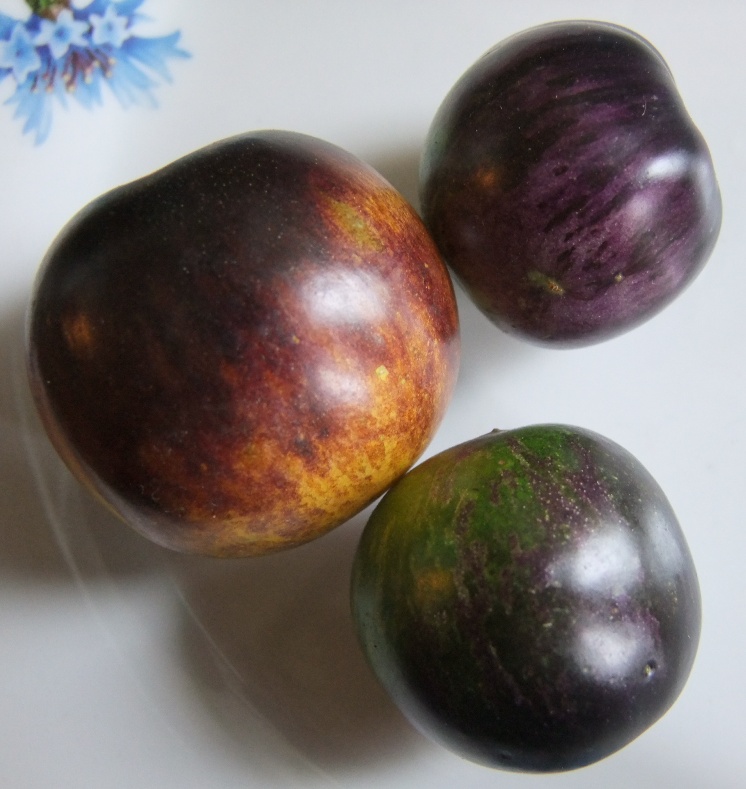
Primary Colors, such a striking variety. Medium producer with a long harvest window of about two solid months. Topped out at 5 ft (1.5 m) for us. As of mid-September, the vine is still green and healthy, though fruit is winding down.Flavor is wonderful, nice balanced sweet with a tangy kick. We never pruned any suckers, the vine branched out vigorously and handled the entire fruit load with ease. Foliage is moderate, so it lets plenty of light reach the clusters. Seed originated from the Urals via Tomatinka.
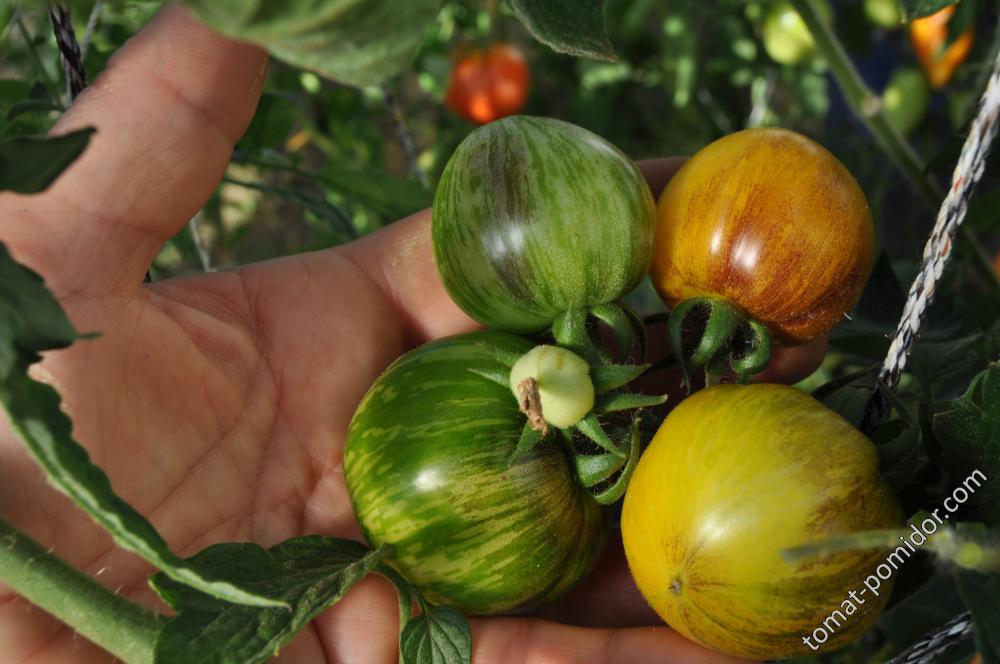
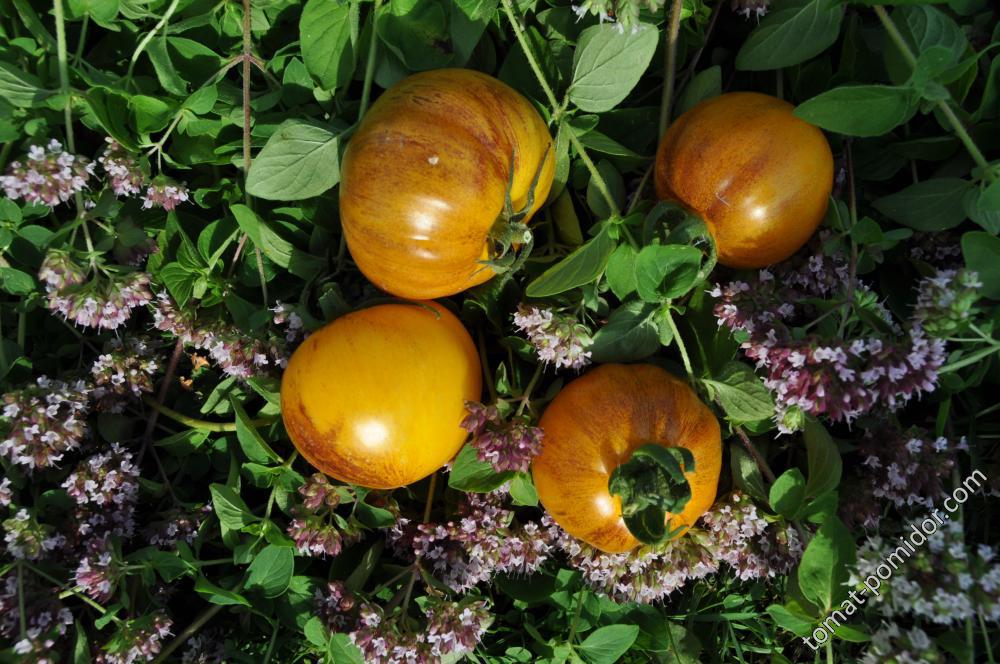
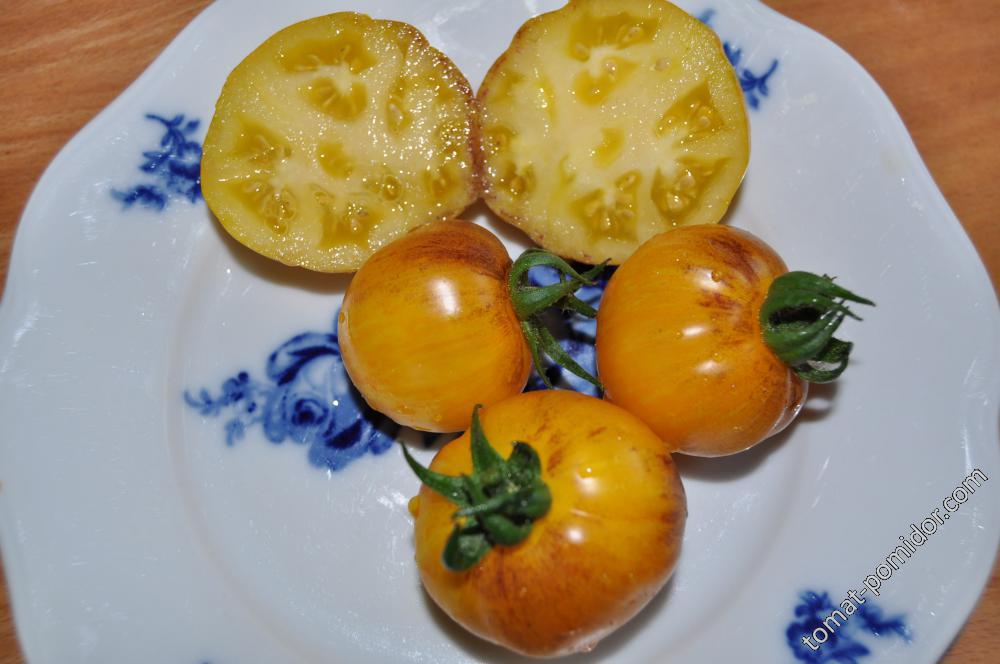
Mine is growing in the greenhouse. It is still deep green and pumping out plenty of fruit. Delicious, sweet variety. Topped out at 5.5 ft (1.7 m), and I let a ton of side suckers run.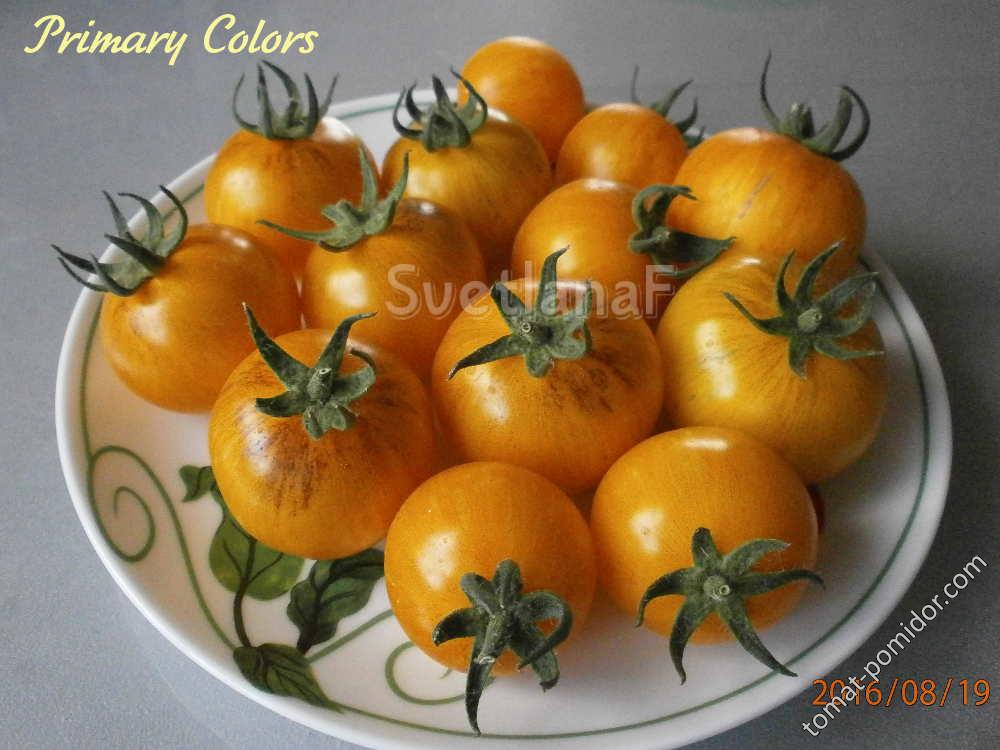
Lana_s_Kavkaza said:
Mine is growing in the greenhouse. It is still deep green and pumping out plenty of fruit. Delicious, sweet variety. Topped out at 5.5 ft (1.7 m), and I let a ton of side suckers run.
Sveta, looking at your photo, are you keeping those suckers just for leaf cover against the heat, or are you actually letting them set fruit?
Sucker Pruning Strategies and Genetic Stability
Alisa said:
Sveta, looking at your photo, are you keeping those suckers just for leaf cover against the heat, or are you actually letting them set fruit?
Fruit sets right on them, too. Honestly, I see zero point in pruning suckers on small-fruited varieties down here in the South.
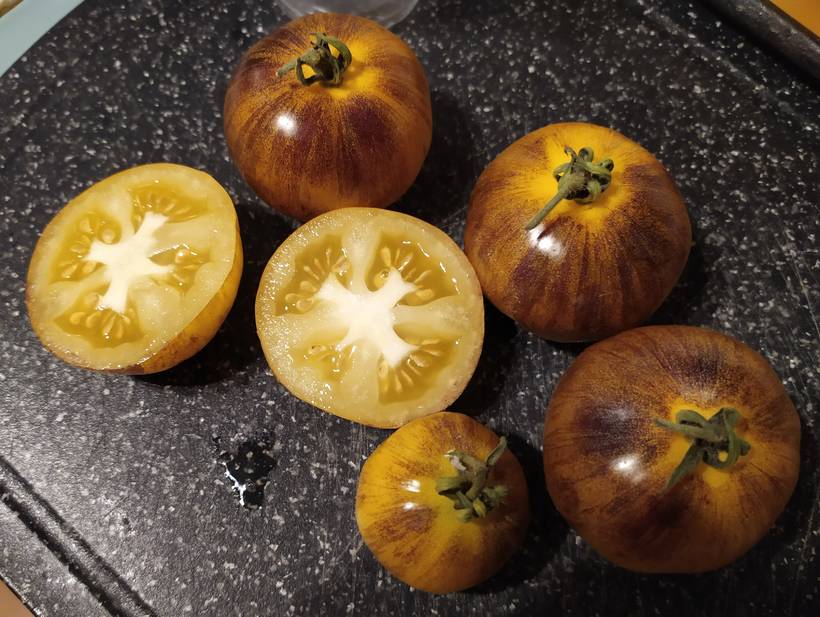
This strain showed some real genetic instability for me. Out of three vines, all three came out completely different! 😄The vine in the greenhouse pushed solid red fruit. The second vine out in the garden gave pure yellow fruit. And only the third plant outdoors showed the true purple anthocyanin shoulders.
All three were indeterminate with regular foliage, throwing big branched clusters of roughly 12-15 fruit each. Fruit shape was round, weighing in between 2-3.5 oz (60-100 g).
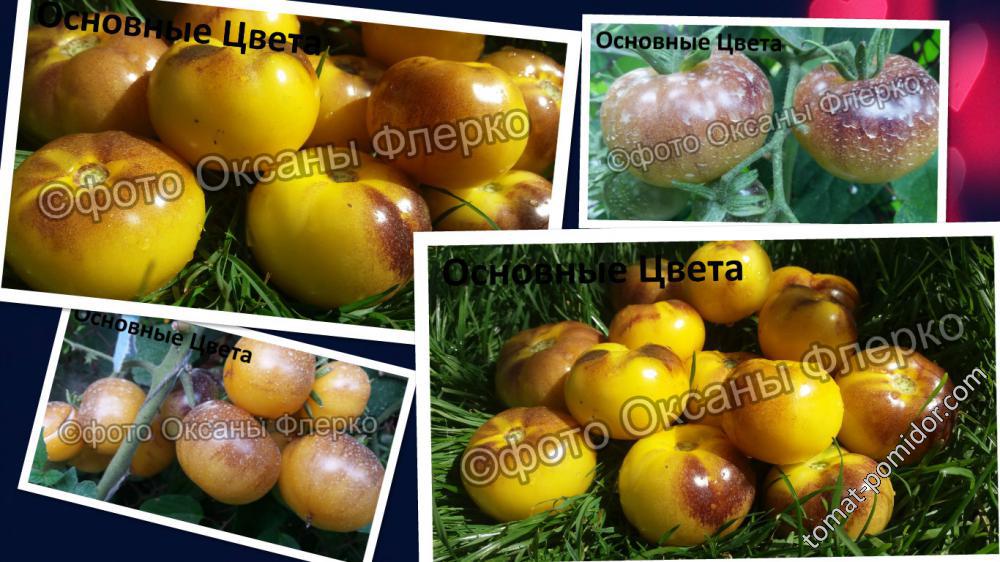
Grew this back in 2019, both in the ground outdoors and in the greenhouse. Plants stayed very compact, right around 3.3 ft (1 m) or even shorter. Did not prune suckers at all.Fruit set was nothing short of incredible. The outdoor plants had to be pulled early once late blight moved in. Inside the greenhouse, they ripened among the very latest. As for flavor, it was not really my cup of tea. Yield was around 2.2-2.6 lbs (1-1.2 kg) per plant, which is not bad at all for such a compact vine.
Full Summary: Plant Habit, Anthocyanin Expression, Yield, and Culture
- 🌿 Plant Type: Moderate indeterminate vine with regular foliage. Outdoors in open ground, it often stays between 3.3-4 ft (1-1.2 m), while inside high tunnels or greenhouses it reaches 5-5.5 ft (1.5-1.7 m). Performs very well unpruned.
- 🍅 Fruit & Color Expression: Round saladette/large cocktail tomatoes, 2-3.5 oz (60-100 g). True type features bright yellow skin with dark purple/blue splash on the shoulders caused by direct sun exposure. Borne in large clusters of 12-15 fruits.
- 📈 Yield & Maturation: Mid to late-season ripening with an extended 2-month harvest window. Exceptional fruit set that rarely drops blooms.
- 🧬 Genetic Stability: Growers note occasional segregation into pure yellow or solid red fruit, an issue seen in early-generation anthocyanin lines distributed through enthusiast seed networks.
- 🛡️ Disease & Weather Resilience: Foliage is susceptible to late blight (Phytophthora infestans) during cool, damp late-summer conditions in northern climates. In hotter southern zones, heavy unpruned foliage provides essential sun protection for developing fruit.
- 👅 Flavor Profile: Generally rated as sweet and complex with balanced acidity, though opinions range depending on growing conditions and ripeness.
- 🌎 Grower Locations: Successfully trialed in USDA Zones 4 through 8 across Eastern and Western Europe.