Quick Summary of Severe Melon of the Volga Germans (Surovaya Dynya)
- 🌍 Origin: A highly exotic and rare heirloom variety. The name translates to “Severe Melon of the Volga Germans”.
- 🌿 Plant Habit: Indeterminate (tall vining). Like many heart-shaped varieties, it has a “slender” or “wispy” appearance right from the seedling stage, but don’t let that fool you—it is highly productive.
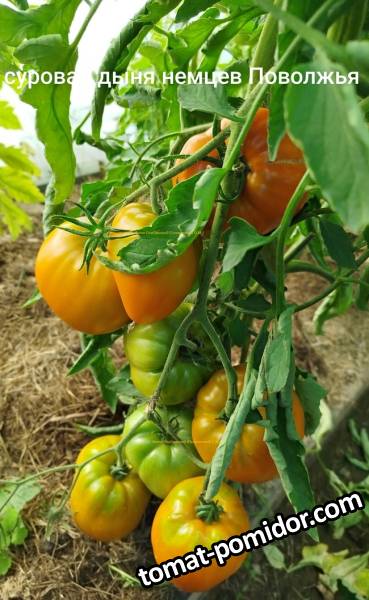
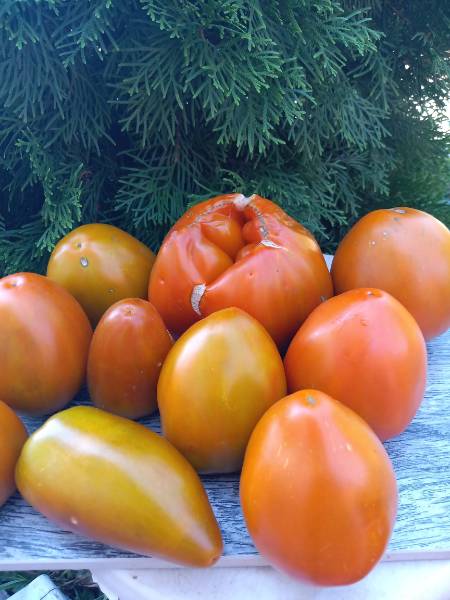
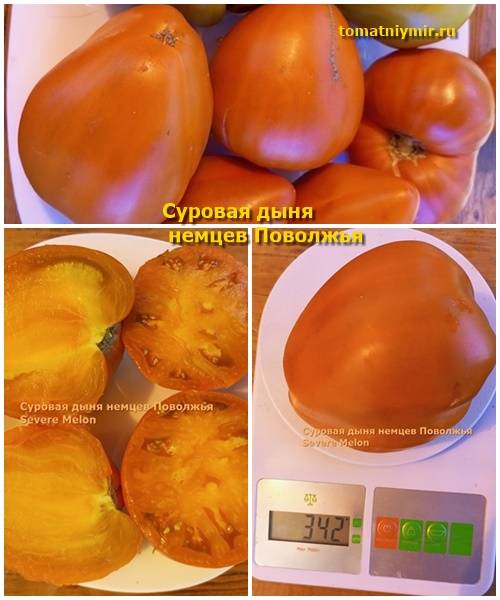
- 🍅 Fruit Characteristics: The color is truly unique: a mix of ochre, orange-brown, and dark caramel-chocolate, often with green shoulders. The shape is famously unstable: depending on the seed strain, you might get classic oxhearts, elongated hearts with sharp or blunt “beaks,” or even oblate (flattened) fruits. They are large, typically weighing 350-500 g (12-17 oz), and can reach up to 600 g (1.3 lbs) in rich soil.
- 👅 Flavor & Texture: Known for its signature “buttery” (smooth and melting) flesh. The flavor is intense, sweet, and fruity with spicy notes.
- 🏆 The “Uluru Ochre” Killer? Many experienced growers compare its color and flavor profile to the famous Uluru Ochre dwarf tomato. The consensus? Severe Melon is often rated as superior in both taste and yield!
- ⚠️ Climate Note: While it thrives and tastes phenomenal in most regions, growers in very cold/short-summer climates (like Siberia) occasionally report it turning out watery or bland. It needs good sunshine to develop its sugars.
This is truly an unusual and exotic variety! It is a tall, sturdy, mid-season vine reaching up to 1.8 m (6 ft), hanging with trusses of heavy, large fruits weighing 350-500 g (12-17 oz).
The color of the tomatoes is amazing—an unusual combination of orange-brown and dark caramel-chocolate that constantly causes surprise and delight! The taste is unique, rich, sweet, and tomatoey with fruity-spicy notes! The delicate, buttery flesh literally melts in your mouth! It almost feels like a real melon took part in creating this exotic flavor.
The shape of the tomatoes is oblate and heart-shaped with puffy shoulders. True to its name, it easily withstands the moderate climate of the middle zone—it has strong immunity to diseases and weather whims, yields consistently, and grows well both outdoors and in a greenhouse.
My fruits were heart-shaped. This year I bought some seeds of the oblate version of this strain. Next season I will compare the taste and flesh.
A very productive variety with a long fruiting period.

Quote from Irina Volga:
Next season I will compare the taste and flesh.
Hello, Irina! Who won the comparison? I really want this “melon”. The closest seed source to me only has the oblate version. I wonder if there is a difference?
Good afternoon! Unfortunately, I didn’t have space in the garden for the flat melon this season, so I didn’t plant it. But I’ve seen girls on the forum post several variations in shape and shoulder structure for this Melon. The variety is unstable, so what shape you’ll end up with is an intrigue…
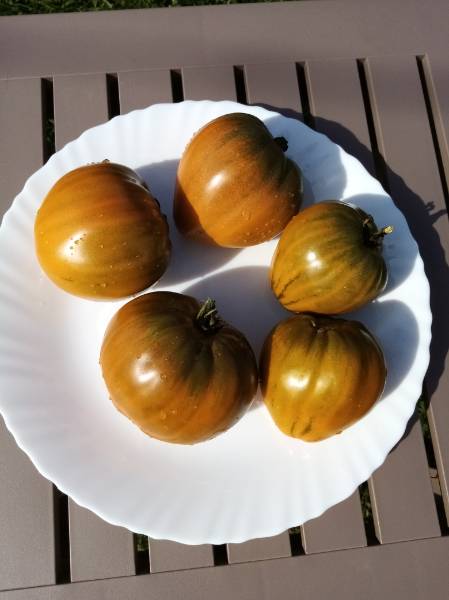
Severe Melon, ripened indoors off the vine in September. During the summer, the color was much more ochre.
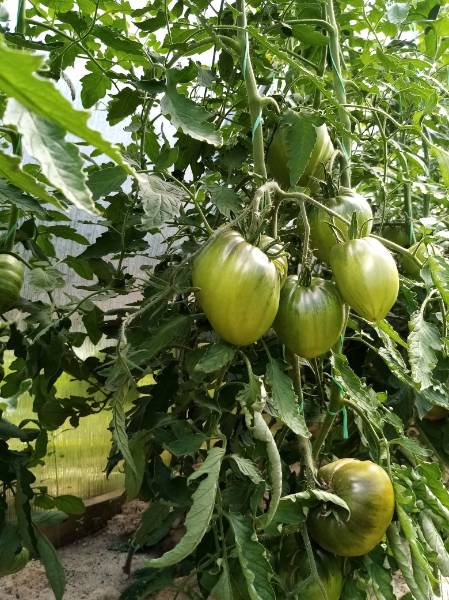
I liked the variety, very productive, early, the taste wasn’t something extraordinarily special like Uluru Ochre, but still very decent. The flesh is buttery, and the fruits can lie in storage for a long time. I will definitely repeat it. Seeds were from Tomatanya.

Quote from Kirina:
…the taste wasn’t something extraordinarily special like Uluru Ochre…
Irochka, thank you for the seeds! For me, this Melon turned out to be very productive and tasty… And even tastier than Uluru Ochre….
Severe Melon of the Volga Germans (Severe Melon).
I really loved this variety! Even though it didn’t perform well for me in terms of yield and fruit size (there was an ant nest in the roots and the plants didn’t show their full strength), I was still able to appreciate its beauty and remarkable sweet-fruity taste.
The color is a dark ochre with a greenish tint on the shoulders, everything about this tomato is unusual—from the name to the taste and color. The shape of the fruits was heart-shaped, the blossom ends were different—both sharp and blunt. Seeds from Tomatanya.
The fruit shape, as I understood from internet searches, is unstable and can also be round.
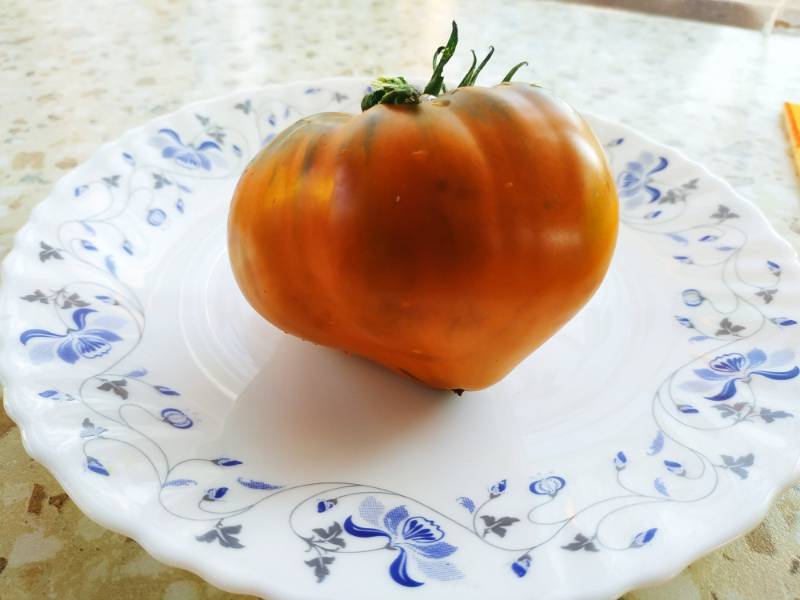
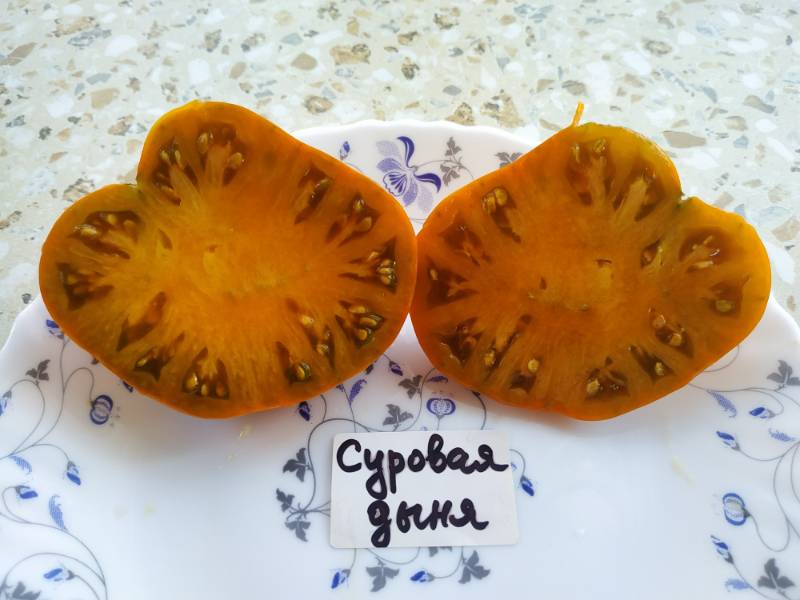
Delicious! Seeds from Tomatanya.
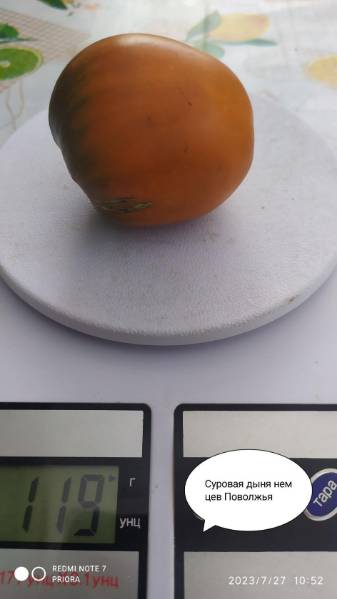
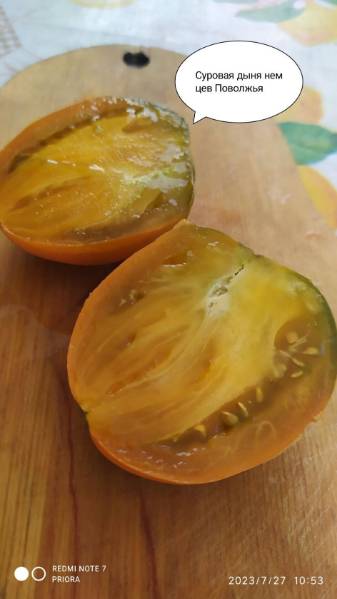
Apparently, this melon just couldn’t adapt to Siberian conditions, even though it grew in a greenhouse. Yes, it was productive, but it turned out watery, had a bland taste, and doesn’t store well. Absolutely no comparison to Uluru Ochre. Seeds were also from Tomatanya.
This year, one bush of my Melon was a little different—the fruits were denser, slightly lighter than the original, and different in shape, but they turned out to be sweeter.
I also really liked the variety—productive, early, and that delicious buttery flesh completely conquered my heart. I grew 2 bushes, and the shape of all the fruits was elongated-heart. I will definitely repeat it. Seeds from Tomatanya.
I liked the variety, it’s interesting, fruited for a long time, and I harvested it among the very last. Good taste, I will repeat it.
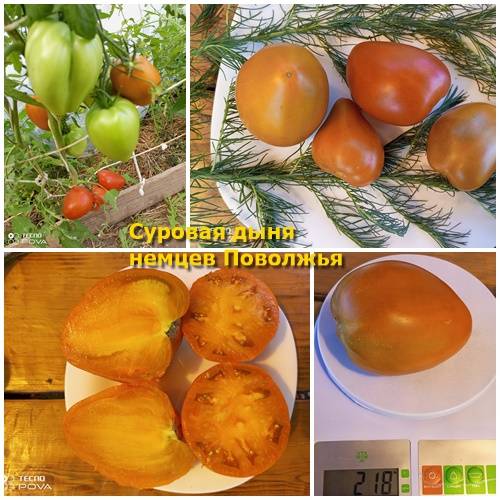
Quote from Kirina:
I liked the variety, very productive, early, the taste wasn’t something extraordinarily special like Uluru Ochre, but still very decent…
I support this and want to add: the plant is very slender right from the seedling stage, but that doesn’t hinder its productivity at all.

Severe Melon of the Volga Germans, indeterminate, mid-early. A very productive variety, the color of the fruits is ochre. The taste of the fruits is unique, rich, sweet-tomatoey with fruity-spicy notes. The flesh is tender and buttery. I liked it very much!
.jpg.60dd724fbcdd8234e7f74b66206b7e78.jpg)
.jpg.9ab1a48cccd6c25d6d22328531f6d613.jpg)
Severe Melon of the Volga Germans (Severe Melon)
A super variety, beautiful, original ochre color, delicious, productive, solid pros all around! The weight depends on where you plant it and the vigor of the bush; in a prime spot on a high cucumber bed at the edge of the greenhouse, it produced whoppers up to 600 grams (1.3 lbs).
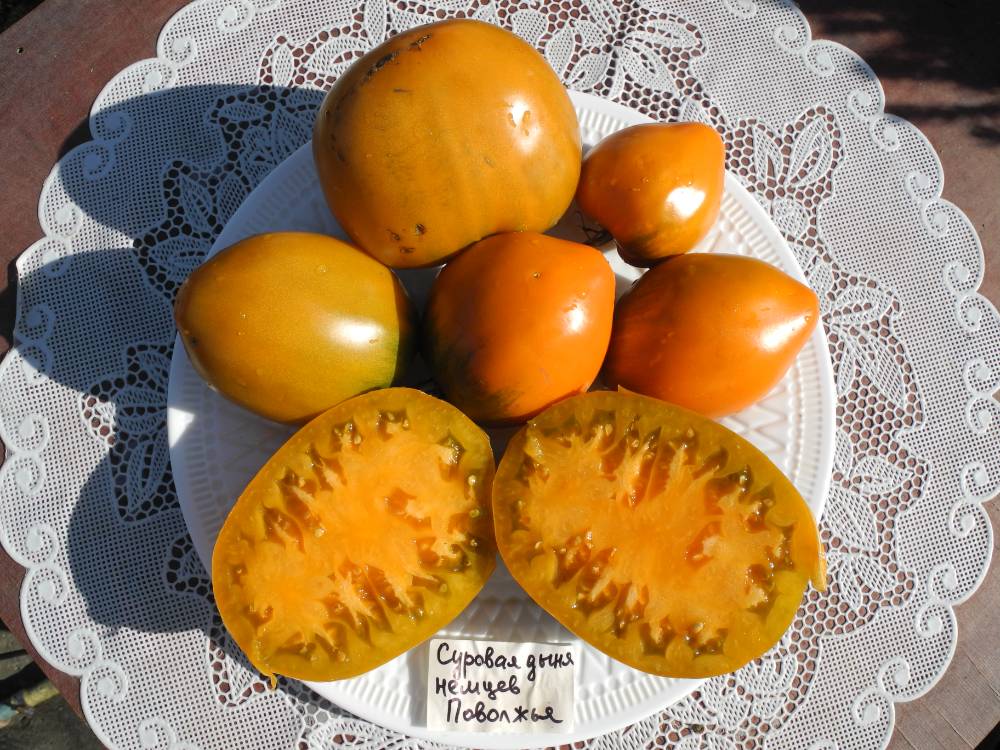
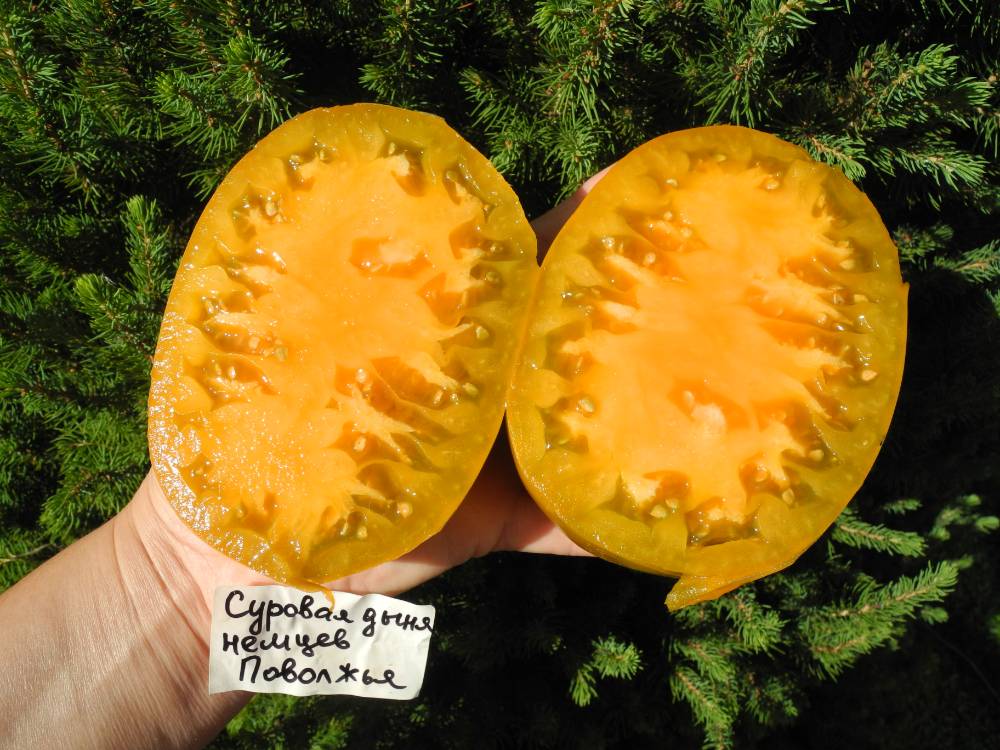
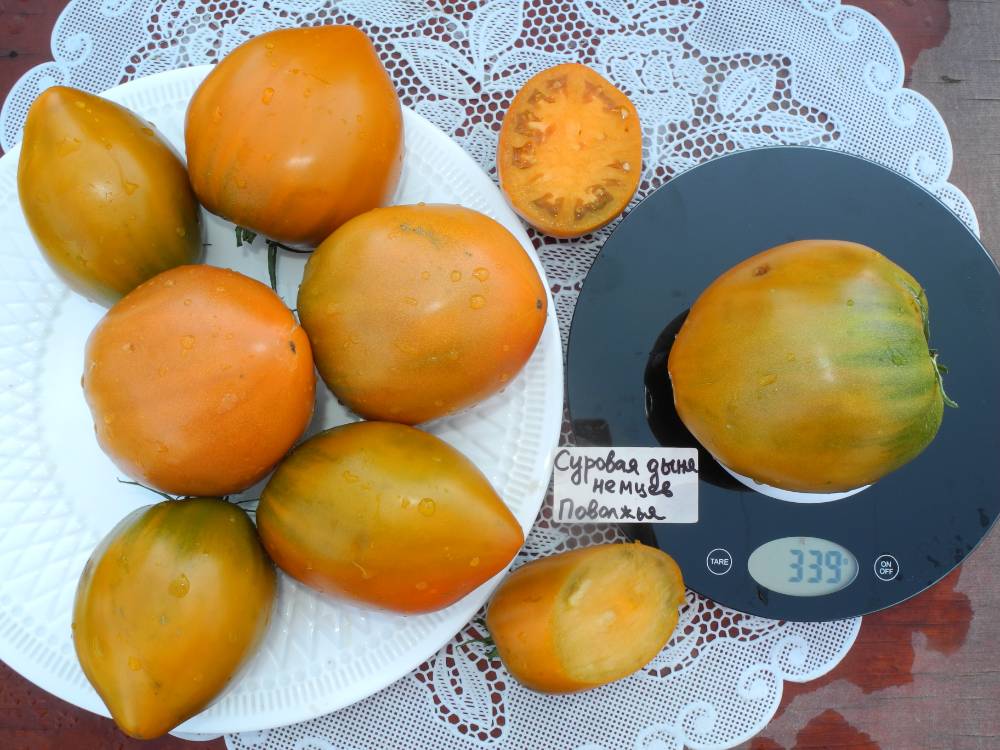
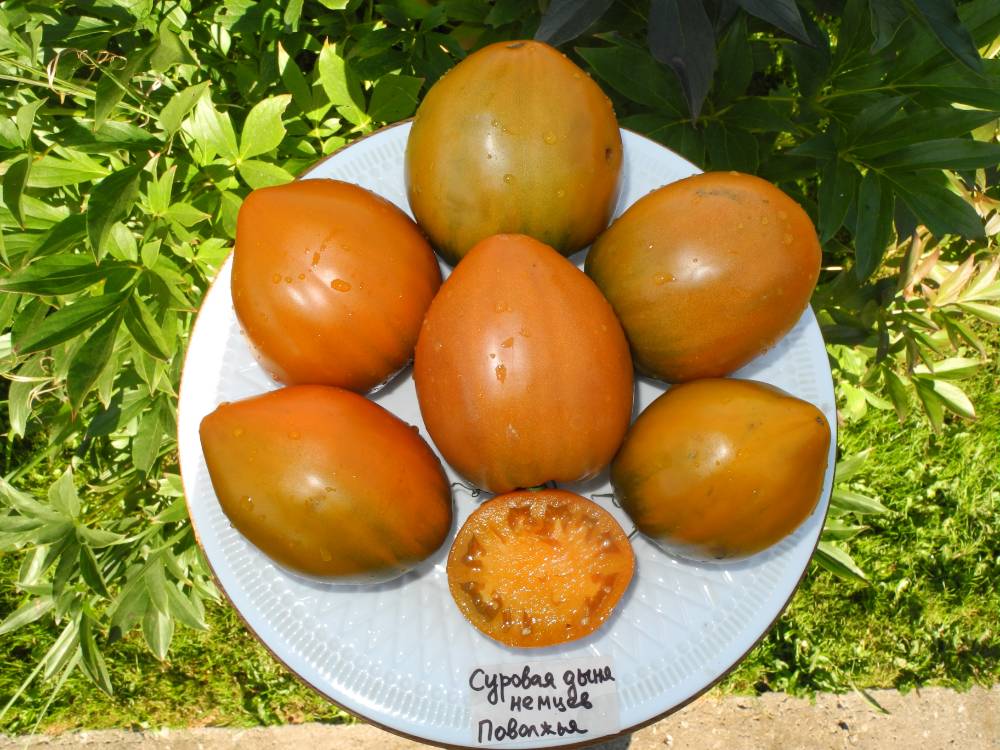
I agree, a super variety!!!! Taste, yield, beauty – it has it all! I grew it for the second season, and it’s staying on my permanent grow list!
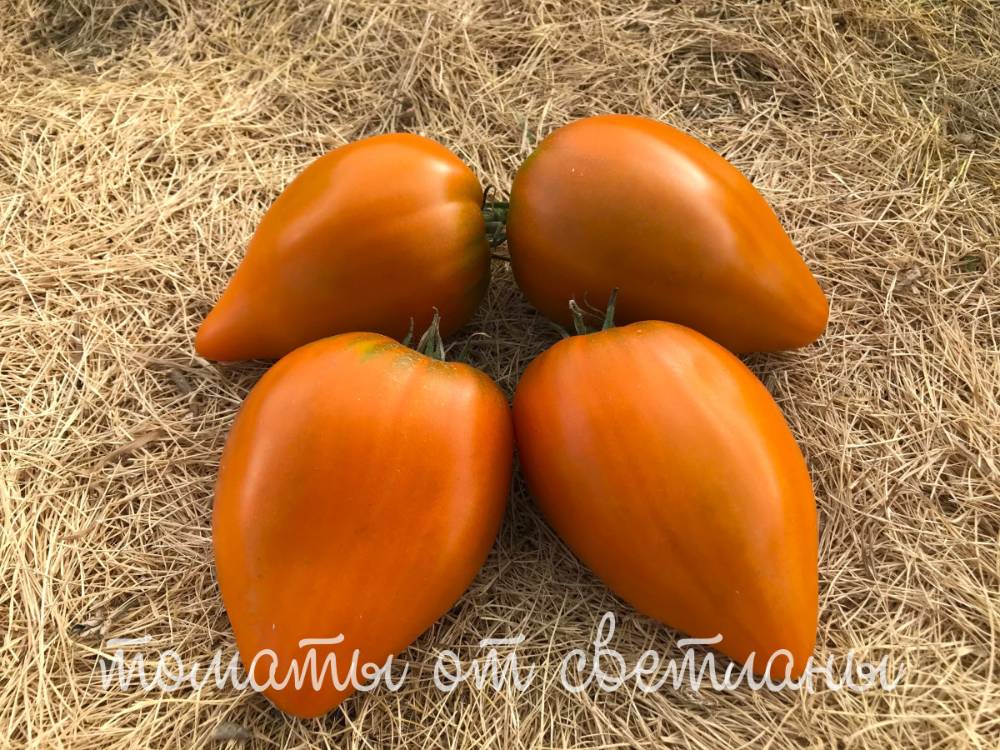
.jpg.55bda71f72e7e1e826307b298e95a258.jpg)
Quote from Nadindina:
Apparently, this “melon” just couldn’t adapt to Siberian conditions… it turned out watery, had a bland taste…
For me, Severe Melon turned out just as poorly this year as Uluru Ochre does year after year…)
But how delicious were the Big White-Pink Stripes! I need to keep looking for “my” perfect varieties…
Admiring it for the second year in a row. Thanks to Tanya.
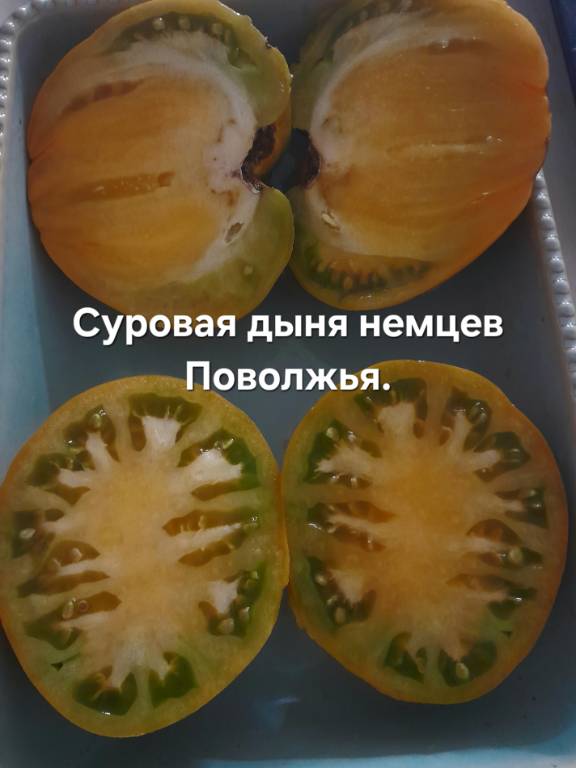
Severe Melon of the Volga Germans — indeterminate. A productive variety, fruits are large, heart-shaped, and ochre-colored.
The flesh is buttery and juicy. Not bland in the slightest. Mine grew in a very sunny spot.
To me, this variety seemed much more interesting than Uluru Ochre—both in terms of yield and taste.