📌 Quick Summary: Homegrown Onion Storage
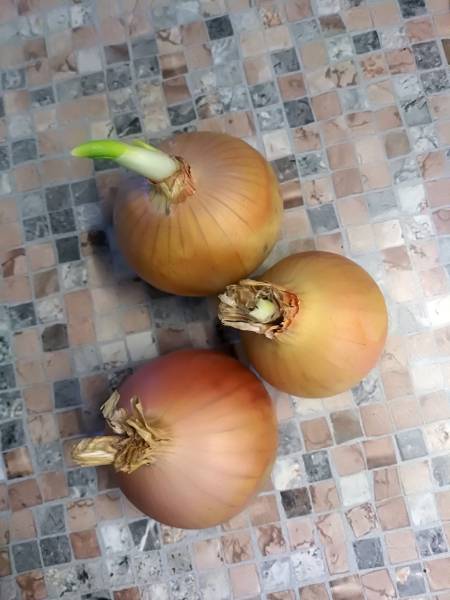
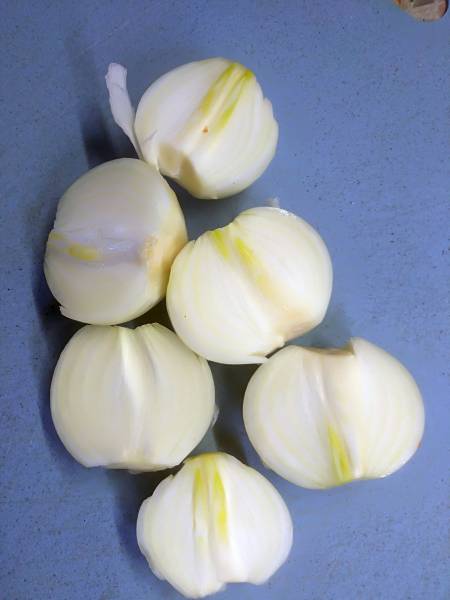
- 🧅 The Shelf Life: Even if you harvest onions during a wet summer and have to peel them down to their white scales (removing the protective papery skin) due to thrips damage, they can still successfully store indoors from July all the way until May!
- 🌡️ Storage Conditions: You don’t always need a cold root cellar. Many growers successfully store their onion harvest in slatted crates on the floor of a warm utility room or boiler room (as long as it stays dry).
- 🛒 Store-Bought vs. Homegrown: Supermarket onions often rot incredibly fast at home because they have been in cold storage for months. Once brought into a warm kitchen, the sudden temperature change triggers condensation and rapid rotting.
But for some reason, whenever I buy onions from the grocery store, they rot in my house almost instantly!
I finally planted my lettuce and parsley seedlings out into the garden beds under row covers today. Inside the greenhouse, I planted watermelons and cantaloupes down the center bed. They are still tiny, just pushing out their cotyledon leaves.
My cucumbers sprouted, all 15 of them! I germinated them under natural conditions (warm during the day, cold at night). Now I’ll watch the weather and move them out to the open garden, but only after I finish planting the potatoes.
Oh, and my peas just started sprouting after that warm rain!
👨🔬 Editor’s Botanical Note: The Grocery Store Onion Problem
Anna’s observation that her homegrown onions (even heavily peeled ones damaged by thrips) outlast store-bought onions is a very common phenomenon among gardeners! Why does this happen?
Commercial grocery store onions are heavily cured and then placed into massive, climate-controlled cold storage facilities (kept near 32°F / 0°C) where they sit for months. When you buy them and bring them into a warm, 70°F (21°C) kitchen, the sudden temperature shock causes them to “sweat.” This microscopic condensation under the papery skin creates the perfect environment for bacteria and mold, causing the onion to rot into mush within a week or two.
Homegrown onions stored at room temperature (like Anna’s boiler room) never experience this extreme temperature shock, which is why they can sit happily in a crate from July all the way to May!