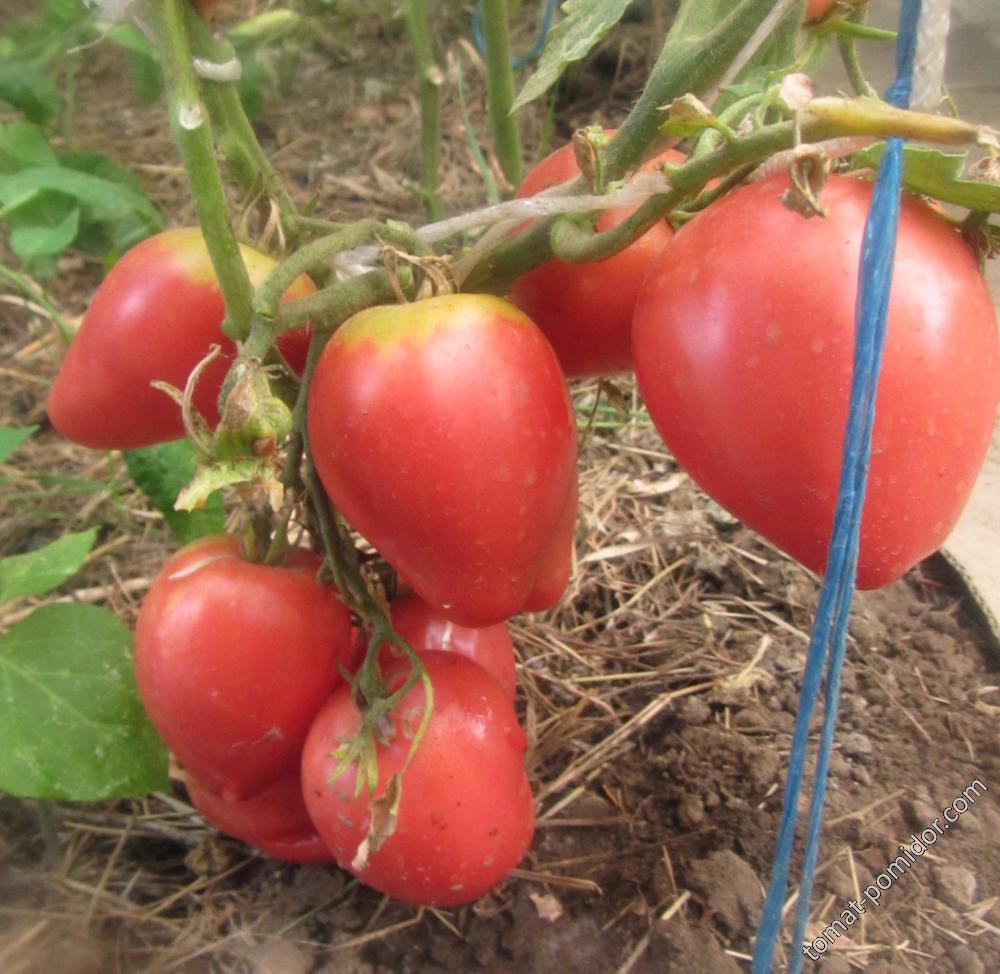
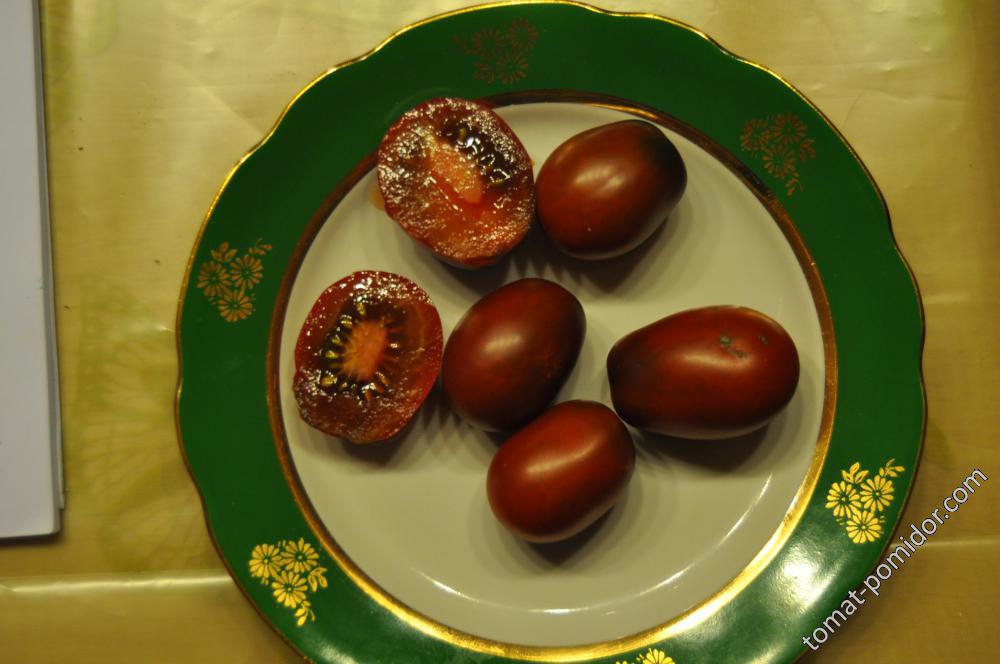
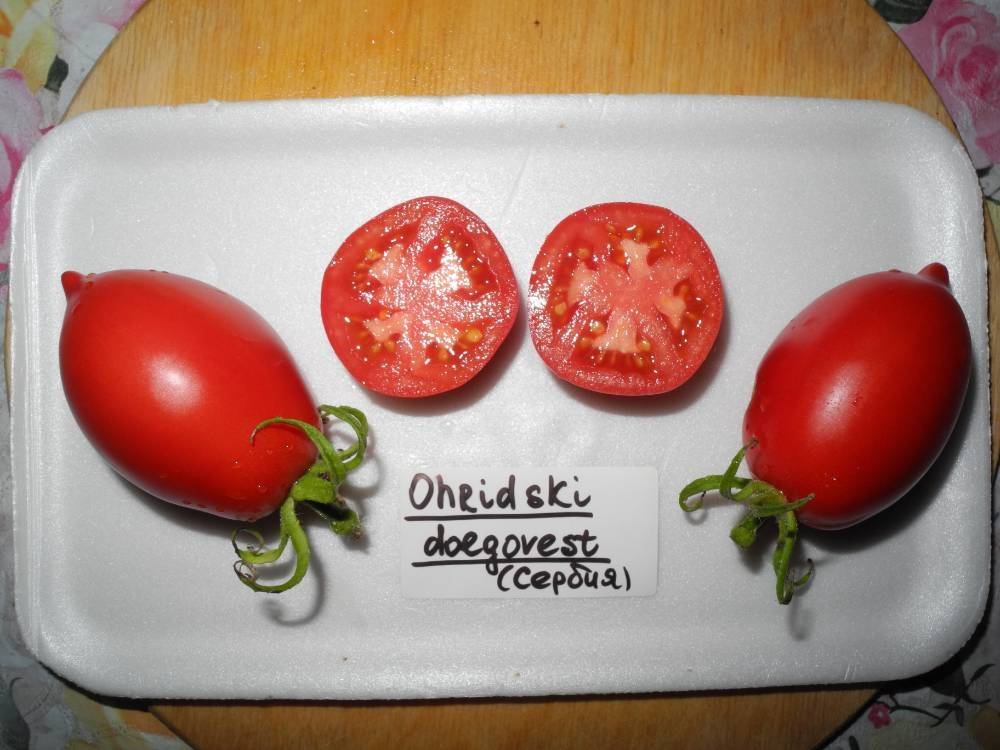
Growers’ Notes and Photos (USDA Zones 2-8 Experience)
Description from the packet:
Ultra-early, pink-fruited, low maintenance and high-yielding versatile variety for the open garden. Only 82-85 days from emergence to first ripe fruit. Determinate plant, 24-28 inches (60-70 cm) tall, with simple, compact trusses. Fruits are raspberry-pink, round, smooth, and meaty, weighing 3-3.5 oz (90-100 g). The variety is prized for its early and uniform ripening, high yield, excellent flavor, transportability, long shelf life, and resistance to diseases and cracking. Can be grown without pruning outdoors.
Photos by: Tosya, Nadija, Feechka, Lana_s_Kavkaza
Edited April 3, 2019 by Pomidoroved
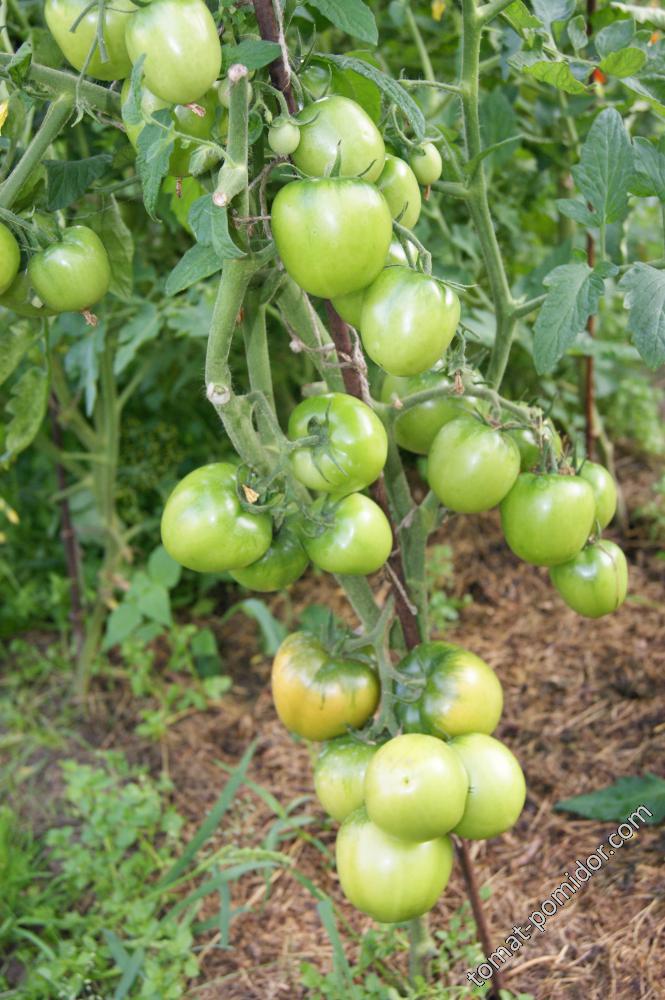
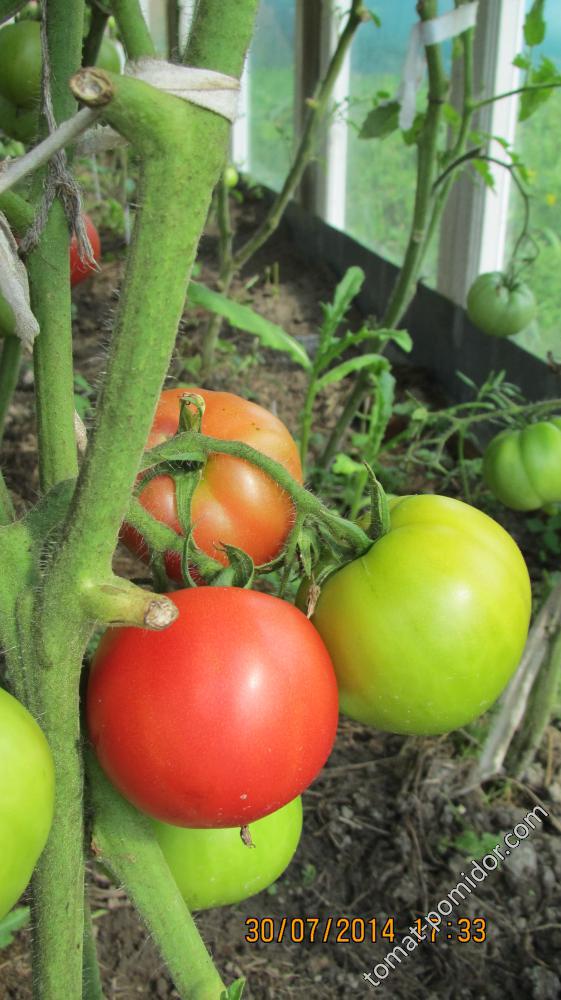
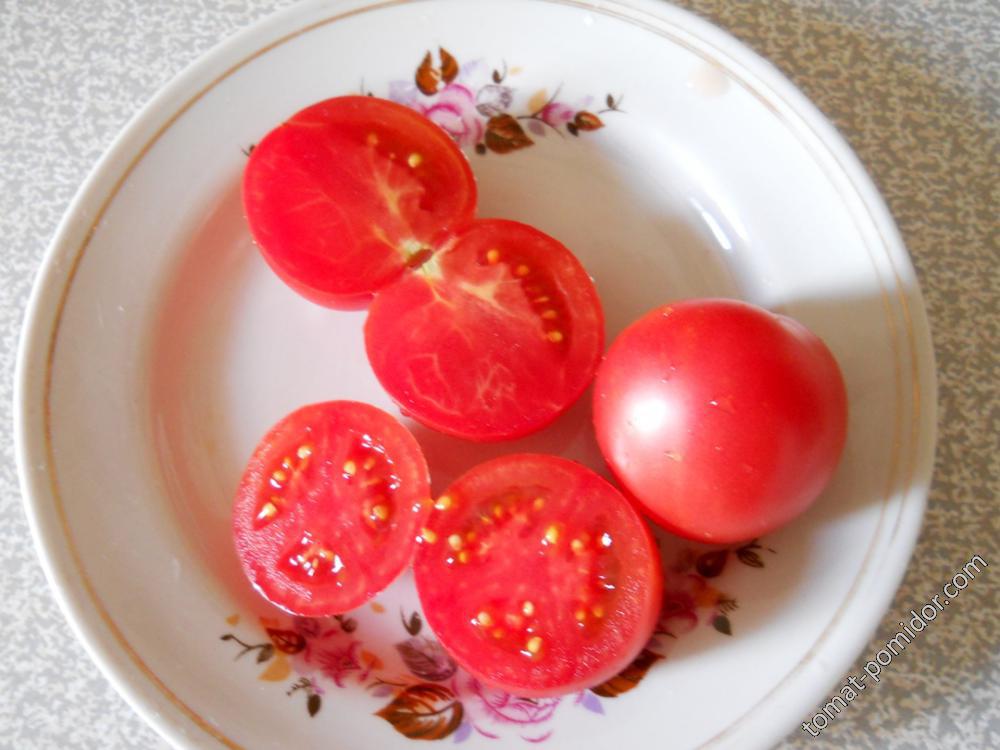
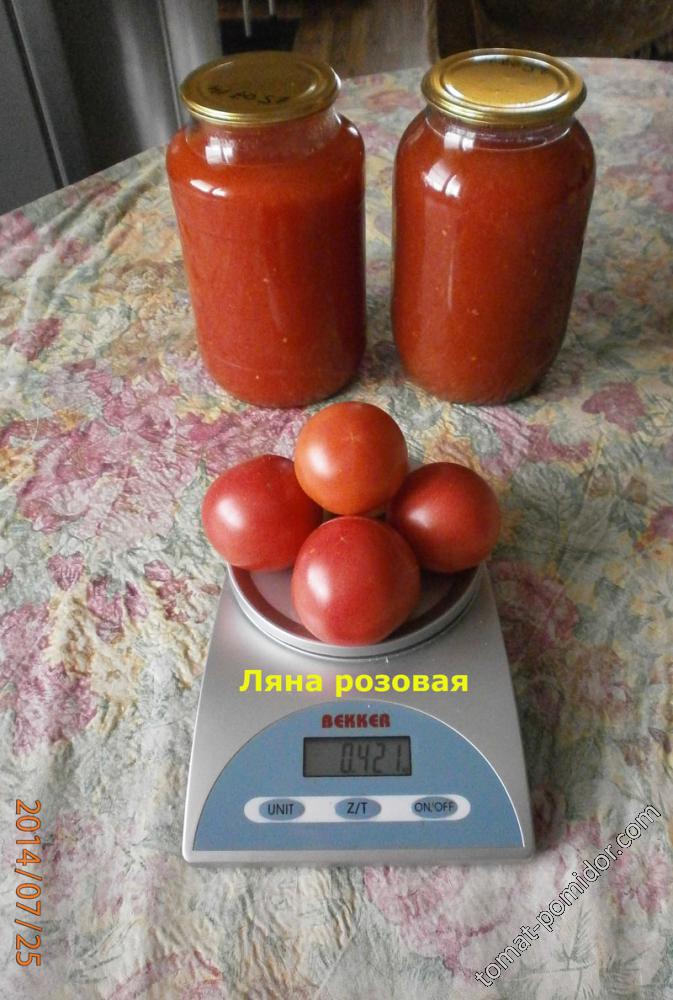
My description is exactly the same, except mine says it’s a hybrid 😲
From Eurosemena.
Lyana turned out to be an incredible yielder, just like folks on the forum said it would be. Has a nice touch of sweetness to it, stores pretty well, and works great for both canning and fresh salads. My fruits ranged from 10.5 oz (300 g) down to 3.5 oz (100 g) at the end of the season. Didn’t drop blossoms during the heatwave, and handled temperature swings like a champ.
Edited September 20, 2015 by Alisa

Absolutely loved Pink Lyana, grew it outdoors in the open garden. Turned out to be really early and a heavy yielder. The fruits are slightly oval-shaped, pink, nicely sweet, and didn’t crack at all. The bushes stayed around 20-24 inches (50-60 cm) tall and were completely disease-free. A ton of these went straight into jars, the size is just perfect for canning.
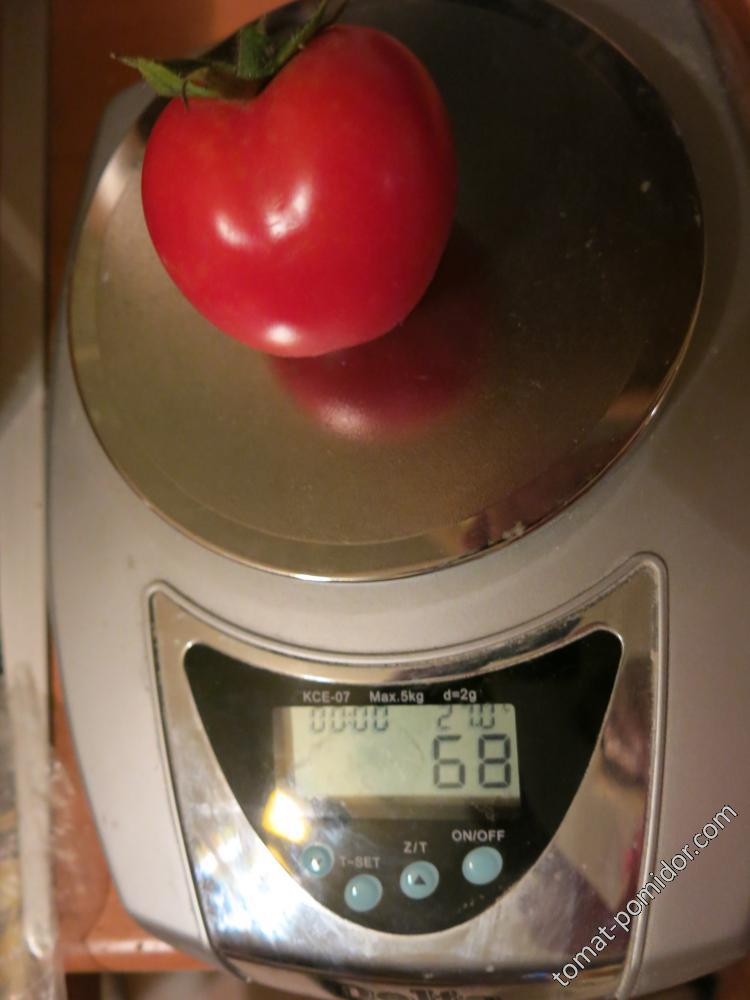
Honestly, I didn’t see anything mind-blowing from Lyana. The fruits (my biggest was 3 oz / 85 g) are definitely nice and dense, taste pretty good, and work for pickling, but the yield… wasn’t great. Got barely 2.2-2.6 lbs (1-1.2 kg) per bush. Maybe they just don’t like our climate up here. There are far more interesting and productive varieties out there.
By the way, Lyana definitely requires pruning, even though it’s a det that tops out at 28-35 inches (0.7-0.9 m). Dropping this one from my grow list for next year.
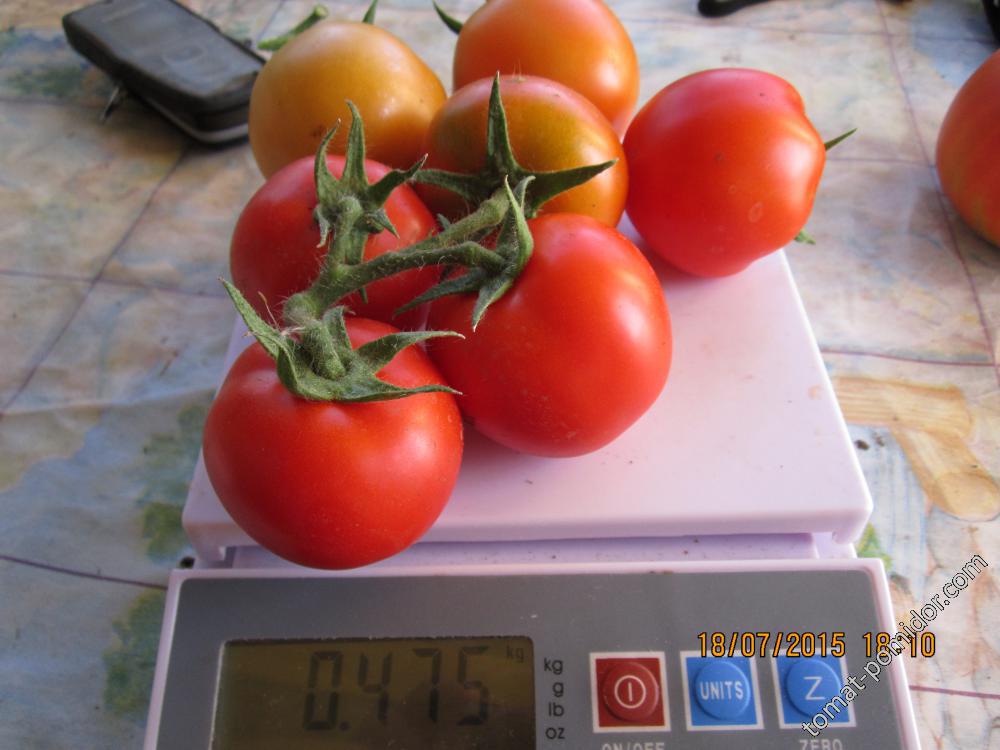
Grew Pink Lyana in 2015. Was hoping for an early harvest, but it ended up just being a taste test. Bought it because of Vera @Tomatinka’s glowing reviews. I put it through absolute torture: sowed on March 8th, potted up on May 1st, planted out on July 1st. I put a stake in the ground but never actually got around to tying it up. Because of that, Lyana (and my other sprawling dets) got absolutely hammered by slugs.
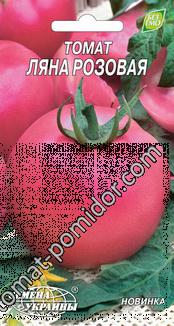
I did like the flavor though. If I had actually potted it up properly, planted it out earlier, and tied it up like a normal person, it would have been a really solid, early, tasty tomato. The fruit itself has this gorgeous pearlescent pink color, perfectly smooth and pretty. Looks exactly like the picture on the packet! 👍
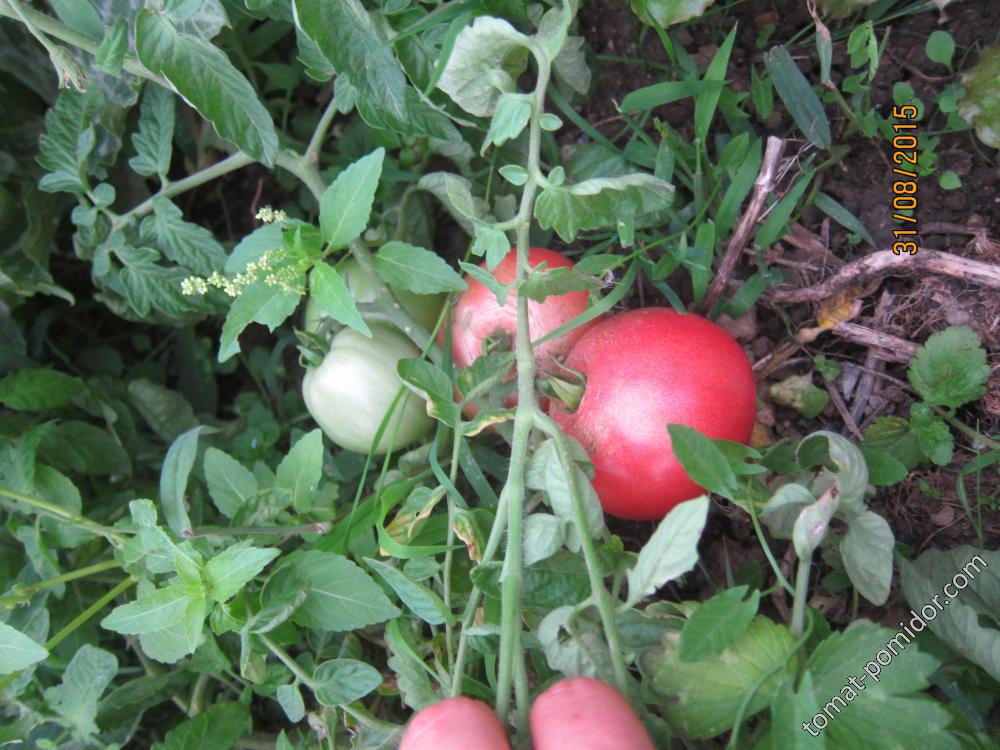
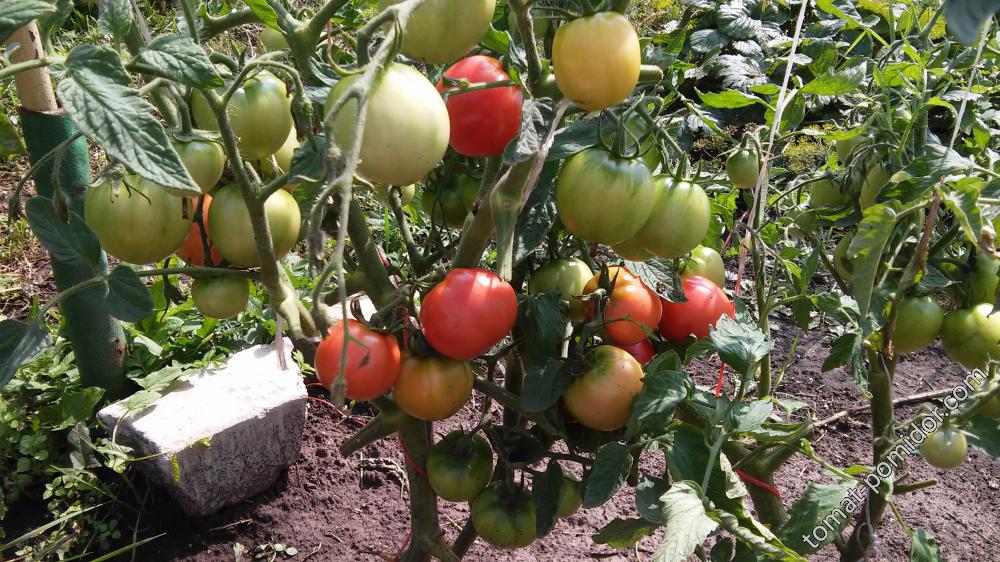
A really good, reliable variety for the open garden. Highly disease resistant, heavy yielder, tastes great, and perfect for whole-fruit canning. It definitely requires moderate pruning and absolutely must be staked, because the bush gets completely smothered in fruits. Depending on the season it can hit 30 inches (80 cm), but usually stays around 20-24 inches (50-60 cm).
Full Summary: Plant, Yield, Taste and Issues
- 🌿 Plant: Determinate, ultra-early. Stays very compact, usually maxing out between 20-35 inches (50-90 cm). Despite the seed packet claiming it needs no pruning, veteran growers strongly advise moderate pruning and tying it to a sturdy stake to support the weight of the fruit and keep the plant off the ground (which attracts slugs). Highly disease resistant.
- 🍅 Fruit: Beautiful, pearlescent raspberry-pink color. Very smooth, uniform, and crack-resistant. Averages 3-3.5 oz (90-100 g), though some growers in warmer zones got them up to 10.5 oz (300 g).
- 📈 Yield: Generally praised as a heavy yielder that pumps out fruit early and dependably, even through temperature swings. However, performance may drop significantly in extreme northern climates (Zone 2/3).
- 👅 Taste & Use: Very pleasant, slightly sweet flavor. Excellent for fresh salads, but truly shines as a canning tomato because the dense, uniform fruits fit perfectly into jars.