Growers’ Notes and Photos (USDA Zones 3-5 Experience)
Here is the description off the seed packet: “Early maturity (100-105 days), all-purpose variety. For outdoor and greenhouse cultivation. Determinate plant reaching 28-32 inches (70-80 cm). Firm, crack-resistant fruits. Sets and ripens heavily all at once. Heat and disease resistant.”
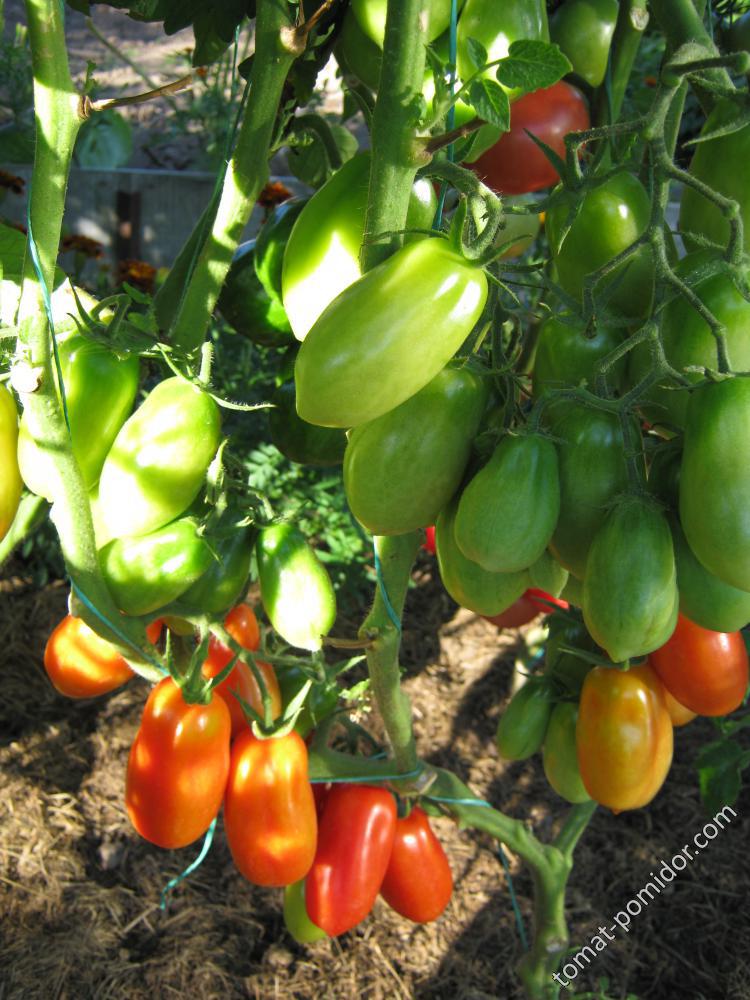
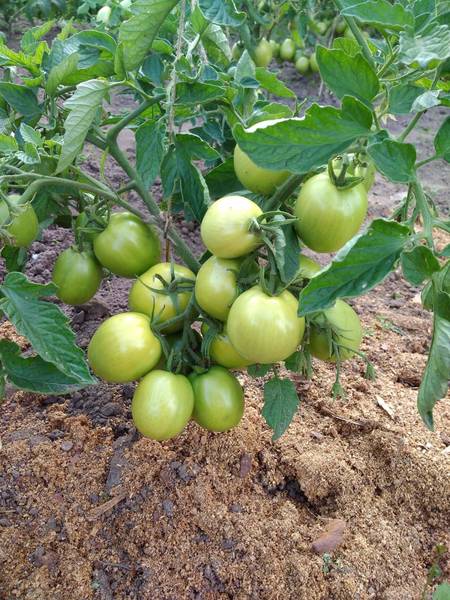
I have to add that it perfectly matches that description. The bush is very compact. I only pruned the suckers up to the first flower cluster, and after that, I just let it go. It set fruit heavily on all the remaining suckers. The tomatoes are as firm as rocks and store for a very long time. There is practically no free juice inside them. I grew mine in the greenhouse (I don’t plant outside at all here), sown on March 10. Grew it, currently growing it, and will definitely keep growing it. Highly recommend 👍
Edited July 29, 2017 by Drosera
I grew this one too. Really liked it. Later on, Galya (Esme) sent me seeds for a variety called Yuhas. Honestly, they are totally identical. Both have great yields and taste. Absolutely perfect for skinless canning in their own juice.
Maybe they are literally the same variety? Just circulating under different names. They definitely sound like twin strains.
Edited July 28, 2017 by Valentina
On 7/28/2017 at 2:00 PM, tomatinka said:
Galya sent me seeds for Yuhas. They are totally identical.
Vera, the officially registered Yuhas is very similar, but technically a different tomato.
According to the State Registry, Yuhas is a mid-season determinate that produces small heart-shaped fruits around 2-2.5 oz (59-75 g).
Meanwhile, the Registry lists Marusya as: “Early determinate. Egg-shaped, smooth, firm fruits. 2.5-3.5 oz (80-95 g). Heat tolerant and highly resistant to Verticillium and Fusarium wilts.”
Sveta, my Yuhas had the exact same shape as Marusya. I vaguely remember the Marusya bush being a bit taller with smaller leaves, actually. Gotta go check on my Yuhas plants tomorrow. It definitely has a stout bush and huge leaves.
But wait, if Marusya is supposed to be perfectly egg-shaped (blunt), why did mine have a distinct little beak on the end? That’s why I compared them: the fruit shape and the dense texture were completely identical.
Speaking of Marusya’s foliage… saying the leaves are “large” is an understatement. They are massive, thick, dark green, and heavily wrinkled (rugose). The fruits are hard, you can’t even squeeze them, but the taste is fantastic 👍 My bushes are currently sitting at about 3 feet (1 m) tall in the greenhouse. Yields are insane, and almost all the fruits are hitting that 3.5 oz (100 g) mark. That might just be because I’m growing them under cover, not out in the open.
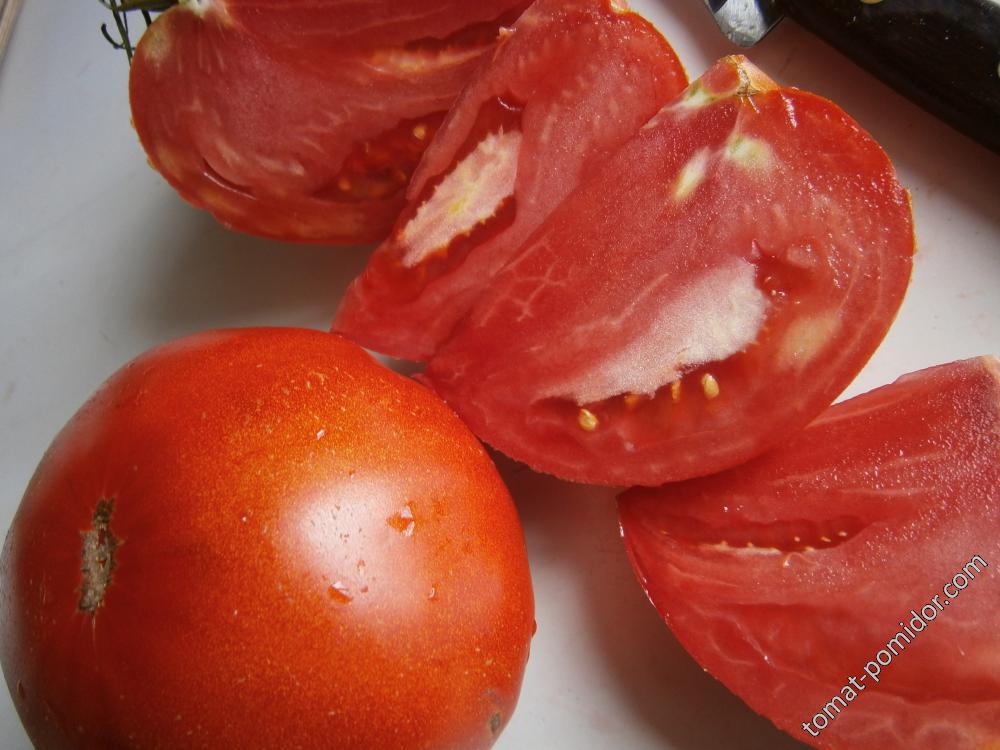
When you cut them open, the flesh is incredibly dense and meaty, almost no gel at all.
Edited July 30, 2017 by Valentina
Grew this one again at the end of my middle greenhouse bed. Originally grew it from “Flos” commercial seeds. It’s a very productive bush that tops out around 24 inches (60 cm). I didn’t prune the suckers, so it required really good staking because it set heavy clusters on every single branch.
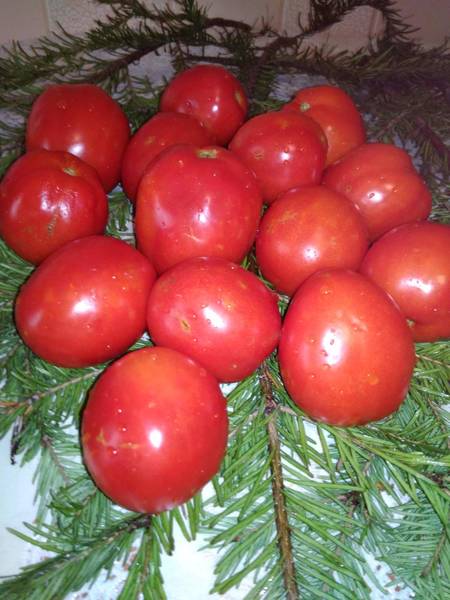
Fruits are firm, red, oval, and weigh up to 2.5 oz (70 g). Good flavor and they hold up forever on the counter. The descriptions recommend it for whole-peeled canning, and they are spot on.
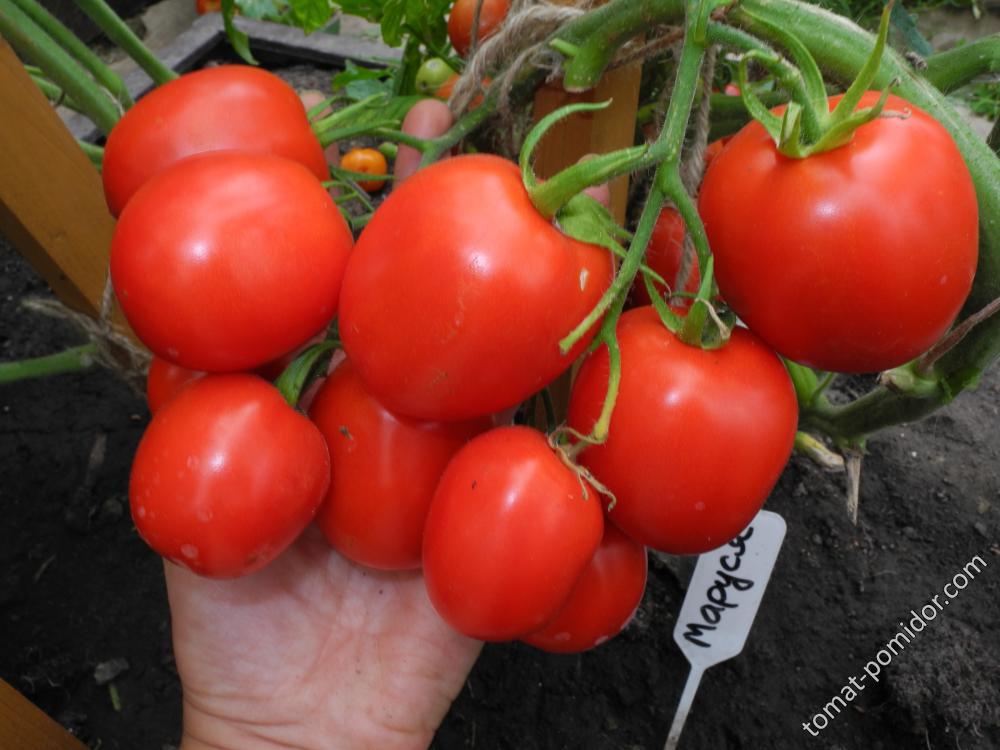
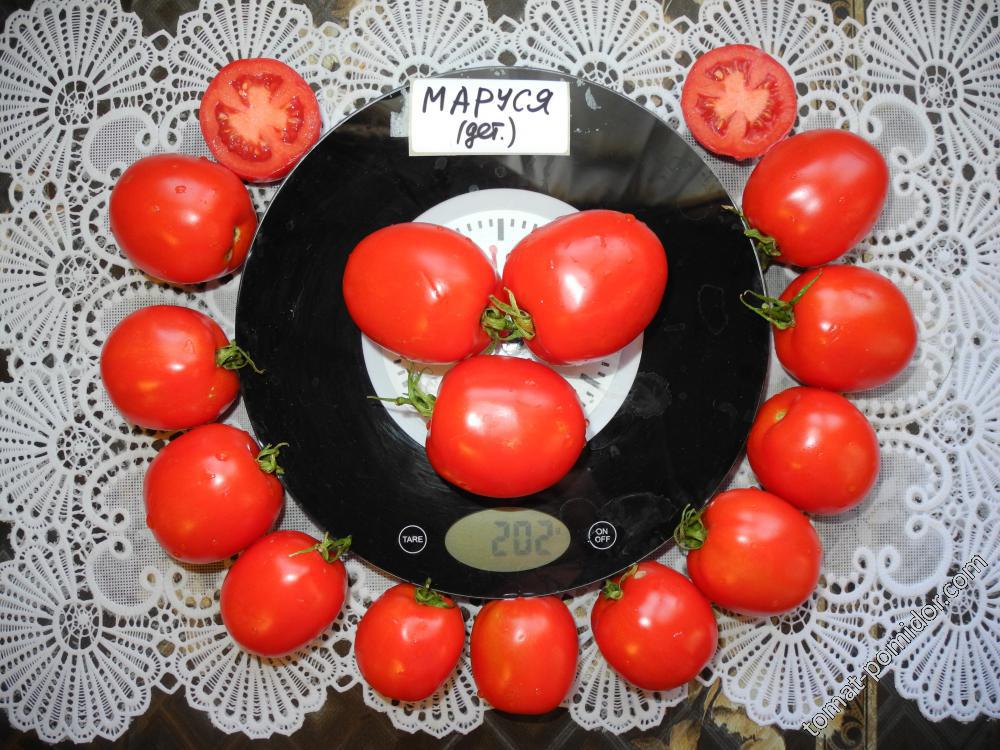
And here is my Marusya. Mine definitely have the little beak, and every single fruit is a cookie-cutter perfect 3.5 oz (100 g) 😊
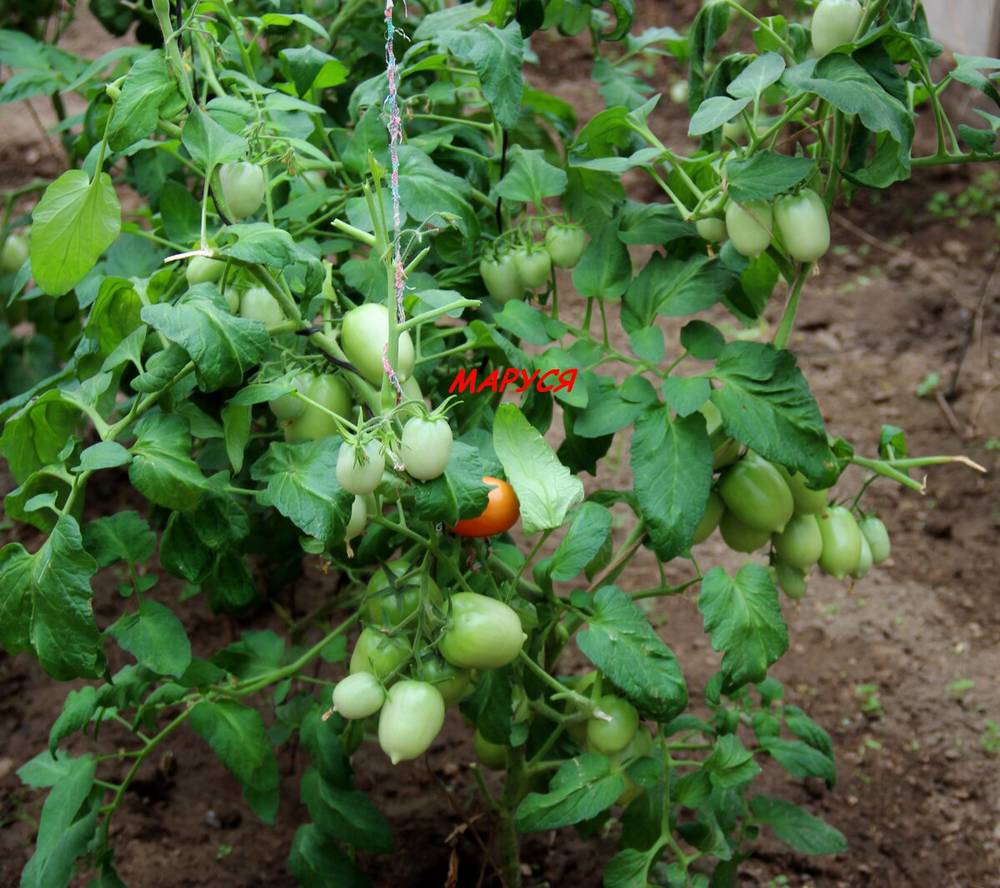
I really liked Marusya too! Compact, totally disease-resistant, heavy yielder, and surprisingly sweet!
On 12/23/2018 at 1:42 PM, Svetikk said:
Fruits are firm, red, oval, and weigh up to 2.5 oz…
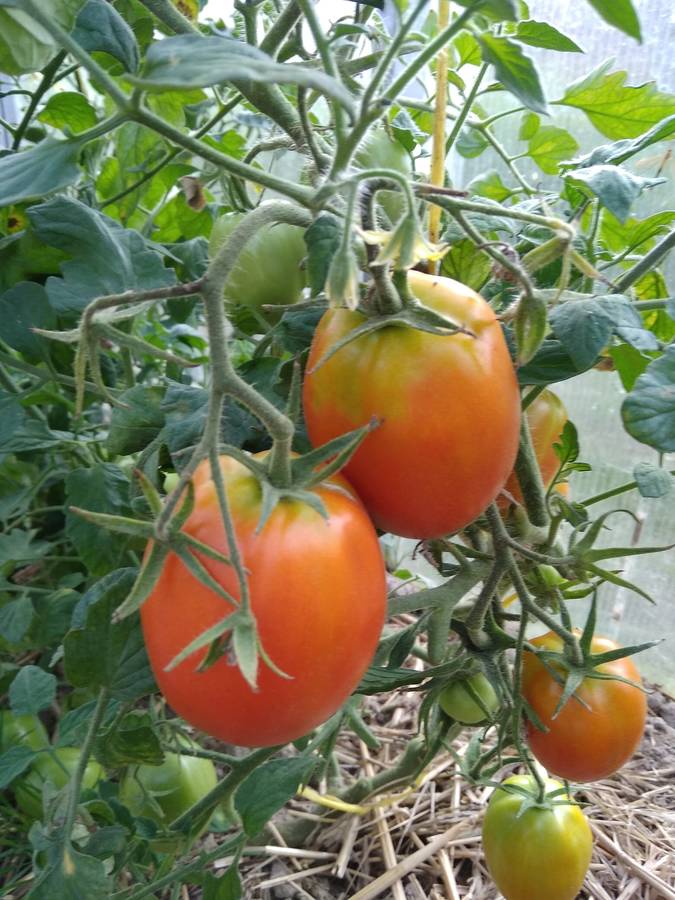
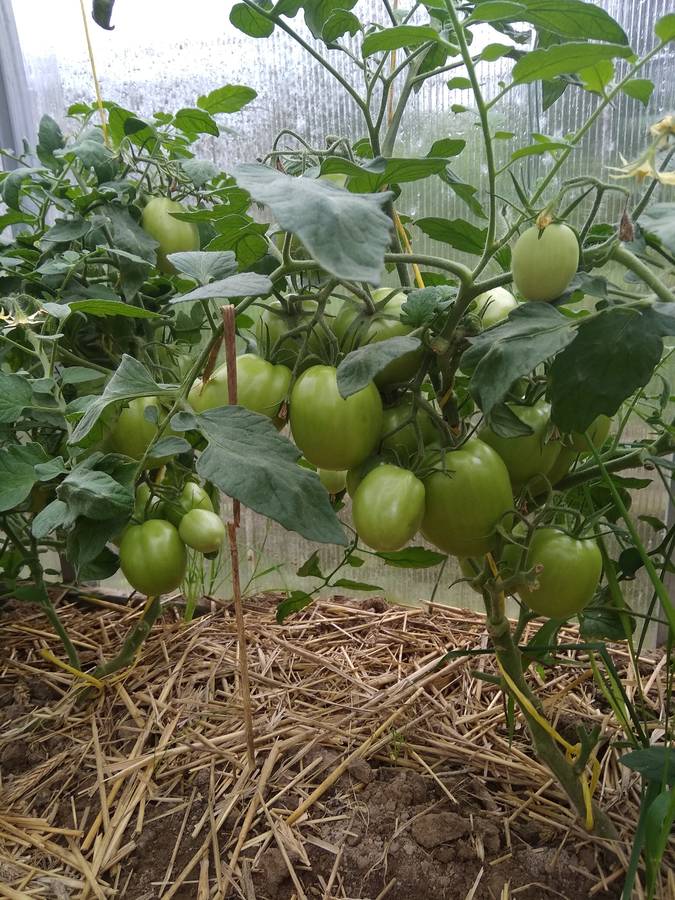
It’s crazy how different our Marusyas are. Yours are perfectly smooth and oval, while mine have the beak. I really need to grow out all the versions side by side. It’s such a cute little variety.
Edited January 27, 2019 by Valentina
Valya, where did you get your beaked seeds from? Our local stores sell the “BIO” brand. The picture on their packet looks exactly like Sveta’s – totally blunt, no beak.
Tatiana, my seeds were from the brand Vashe Khozyaystvo (Your Farmstead).
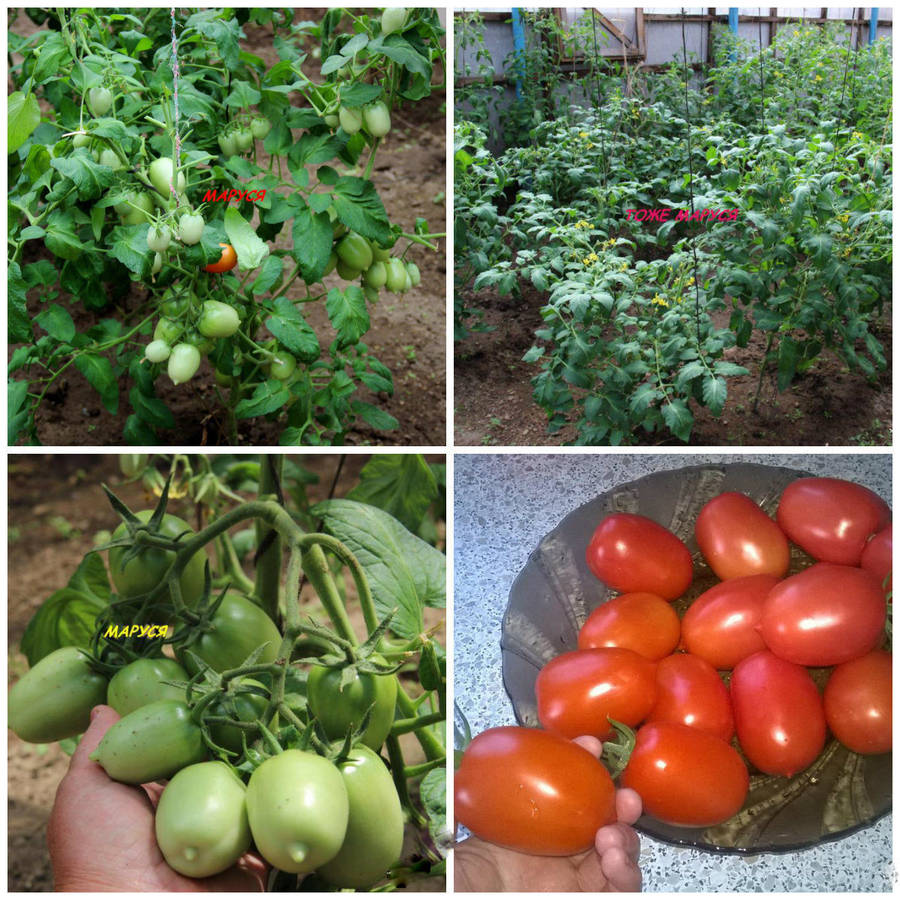
Valya, looking at that packet, it seems like they are supposed to be blunt too! You got lucky and managed to select out a beaked strain! I absolutely love the pointy-end ones. But honestly, the smooth “eggs” are great too. You’re right, we need room in the garden for all of them! 😁
Edited January 30, 2019 by Tatiana Kemerovo
I liked Marusya as well! Solid variety!
Oops, my picture uploaded completely sideways for some reason :)))
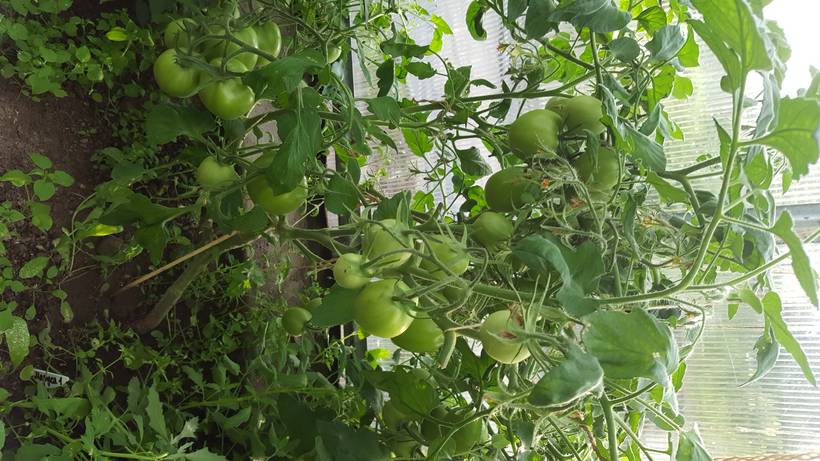
Hey ladies. Turns out my Marusya grew with the little beak too.
Edited March 25, 2019 by Yanina
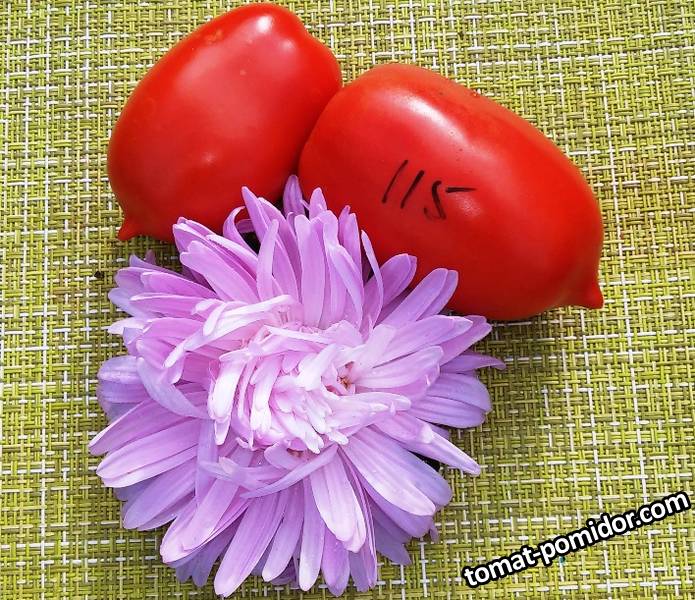
Very low-maintenance and heavy-yielding variety. I grew my little Marusya outside with absolutely no weather cover. The bushes stayed around 20 inches (0.5 m) tall. The tomatoes were perfectly egg-shaped, red, firm, and tasty. Great for all-purpose use, hitting up to 3.5 oz (100 g).
Huge thanks to Svetikk for sending me the seeds for this awesome variety! 🙏
Edited February 19, 2020 by Inn@
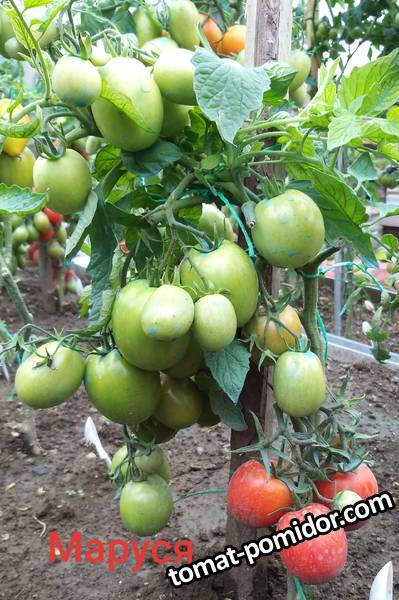
I grew Marusya as well. Absolutely fantastic for canning whole in jars. Props to Svetikk for the seeds! 🙏
Edited February 19, 2020 by Murka
Full Summary: Plant Habit, Processing Quality, and Phenotypes
- 🌿 Plant & Foliage: Early determinate. A very compact, sturdy bush that usually stays between 20 and 32 inches (50-80 cm). It features exceptionally thick, dark green, rugose foliage*. It requires minimal pruning (growers often just remove suckers below the first flower truss) but sets so much fruit that sturdy staking is mandatory. Highly disease resistant.
- 🍅 Fruit & Shape: Firm, red paste/plum tomatoes ranging from 2.5 to 3.5 oz (70-100 g). Note: There are clearly two stabilized strains circulating among growers. One produces a perfectly smooth, egg-shaped, blunt fruit (which matches the official registry), while the other throws fruits with a distinct pointed beak/nipple. Both perform identically.
- 📈 Yield & Health: An incredibly heavy, concentrated yielder. It is known as a “workhorse” variety that shrugs off bad weather and produces massive clusters.
- 👅 Taste & Culinary Use: This is a quintessential processing tomato. The flesh is dense, meaty, and dry, with almost no gel. While sweet enough for fresh eating, its rock-solid texture and thick walls make it an elite choice for whole-peeled canning and sauce making. The firm fruits also boast an extremely long shelf life.
👨🌾 Editor’s Note: Beaks and Rugose Foliage
The “beak vs blunt” debate is incredibly common when dealing with Eastern European tomato strains. A pointed blossom end (or “nipple”) is a highly desirable trait in Russian tomato breeding, and it is entirely possible that a seed vendor selected out a mutant beaked fruit and stabilized it, creating the secondary phenotype shown in this thread.
Additionally, the term rugose refers to foliage that is deeply puckered, textured, and usually dark green. While most commonly associated with the Dwarf Tomato Project varieties, it can occasionally be found in robust determinate bushes like Marusya, aiding in their overall structural strength and disease resistance.