Quick Summary of Psamathe
- 🌍 Origin & Name: Named after the Greek goddess of sand (and a moon of Neptune), Psamathe. In Russian circles, it is often pronounced “Psamafa” due to historical translation quirks of the Greek letter Theta.
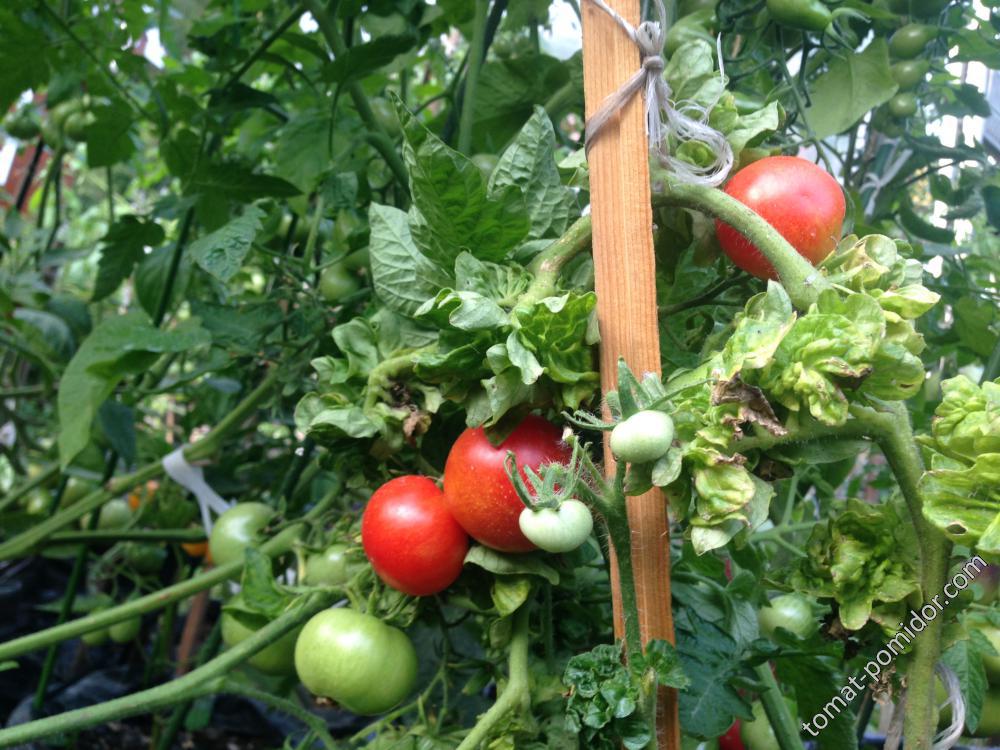
- 🌿 Plant Habit: A vigorous, indeterminate variety with potato leaf (PL) foliage. Unlike the wispy vines of heart-shaped varieties, this plant is strong, thick, and requires plenty of space. It can easily handle being pruned to 3-5 stems. Grows to 2 meters (6.5 ft) and beyond in a greenhouse.
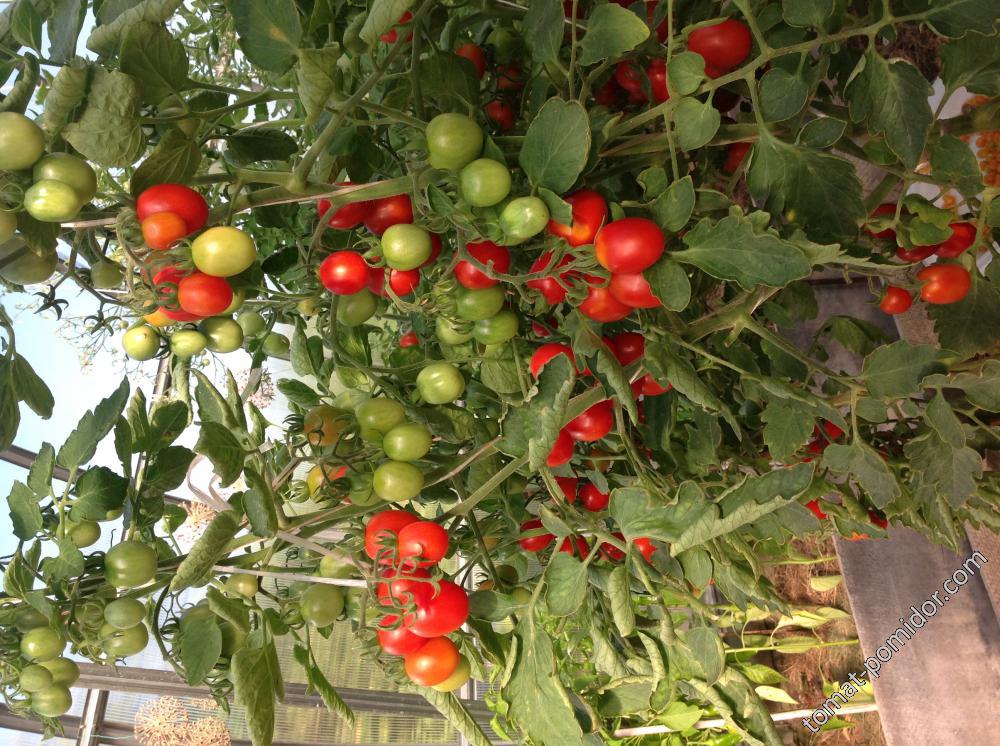
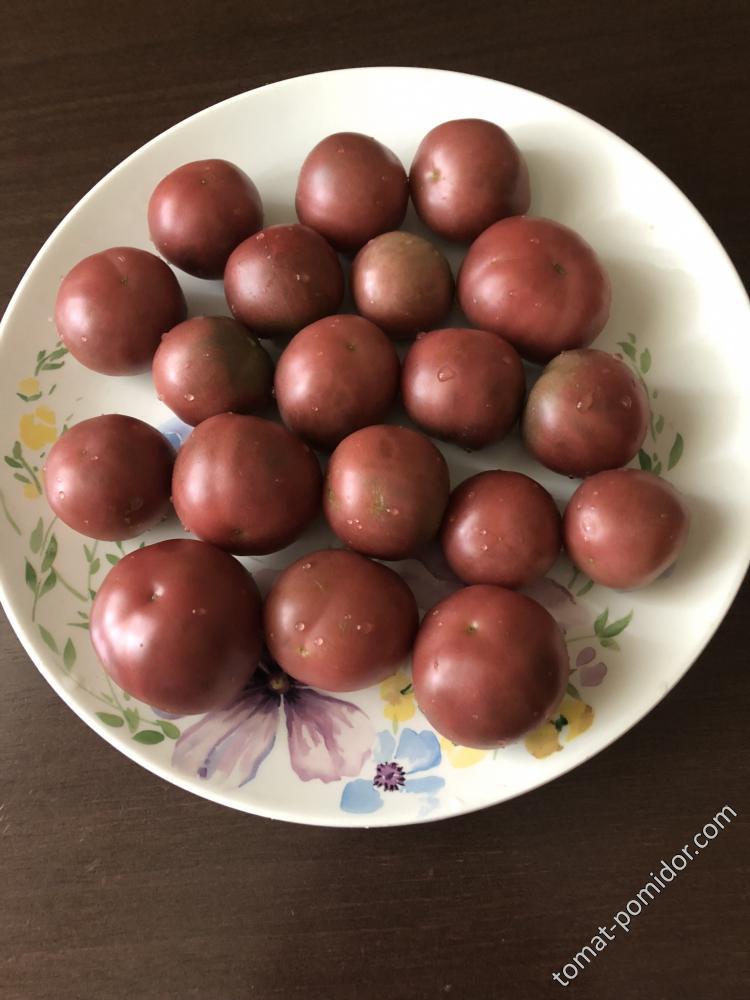
- 🍅 Fruit Characteristics: Produces dark, burgundy/purple cocktail-sized tomatoes weighing 30-60 grams (1-2 oz). The trusses are absolutely massive, often pushing 50+ flowers per cluster. The skin is notably thin.
- 👅 Flavor & Use: Highly praised by most for a sweet, fruity, and balanced flavor, though some find it a bit mild compared to large dark beefsteaks. Excellent for fresh snacking. Due to the thin skin and juicy texture, opinions are split on whether it’s good for canning or drying.
- ⚠️ Special Trait (Fruit Drop): Many growers report that fully ripe fruits will naturally drop from the vine on their own. You might find a small pile of perfect tomatoes on the greenhouse floor every morning!
“Round, purple, up to 40g (1.4 oz), sweet. Navel-like indentation at the blossom end and a transparent skin effect.” The description from Popenko is concise, as always.
In principle, everything matches the description, even the “transparent skin effect” 😀 Of course, it isn’t truly purple, but more of a color similar to Purple Cognac and Dan’s Dusky Rose.
I would classify it as a truss/cocktail tomato. What do you guys think? The yield is good and the potential is extremely high. The taste is very pleasant, soft. Juicy, lots of seeds, beautiful.
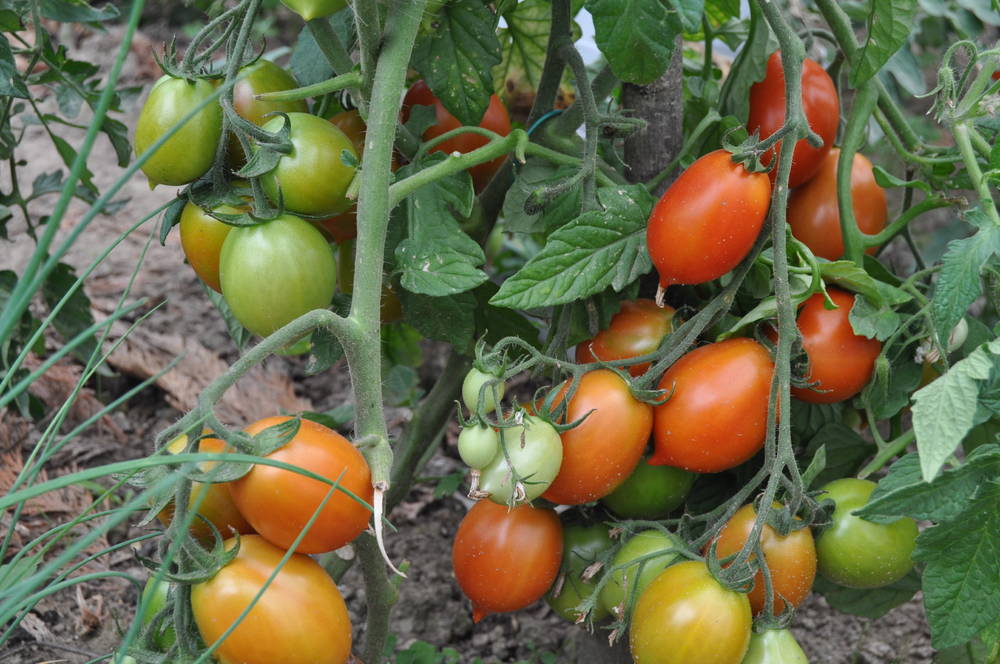
In the greenhouse, it grew to about 200 cm (6.5 ft). It didn’t drop its blossom clusters, but not every single flower in the massive trusses set fruit. And here are the photos.
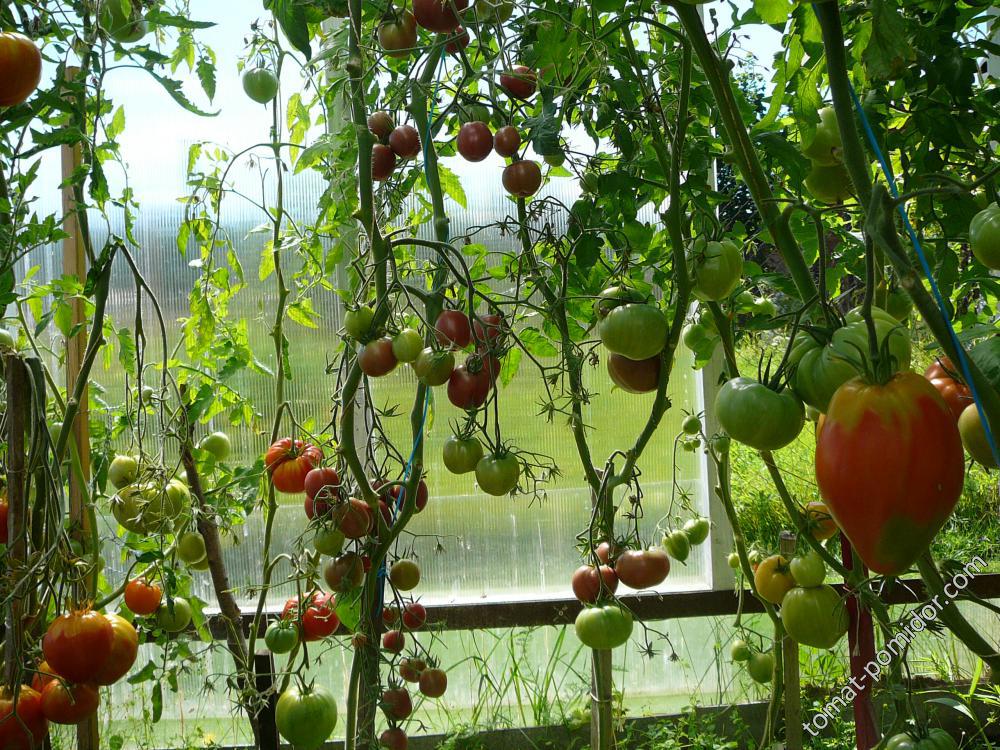
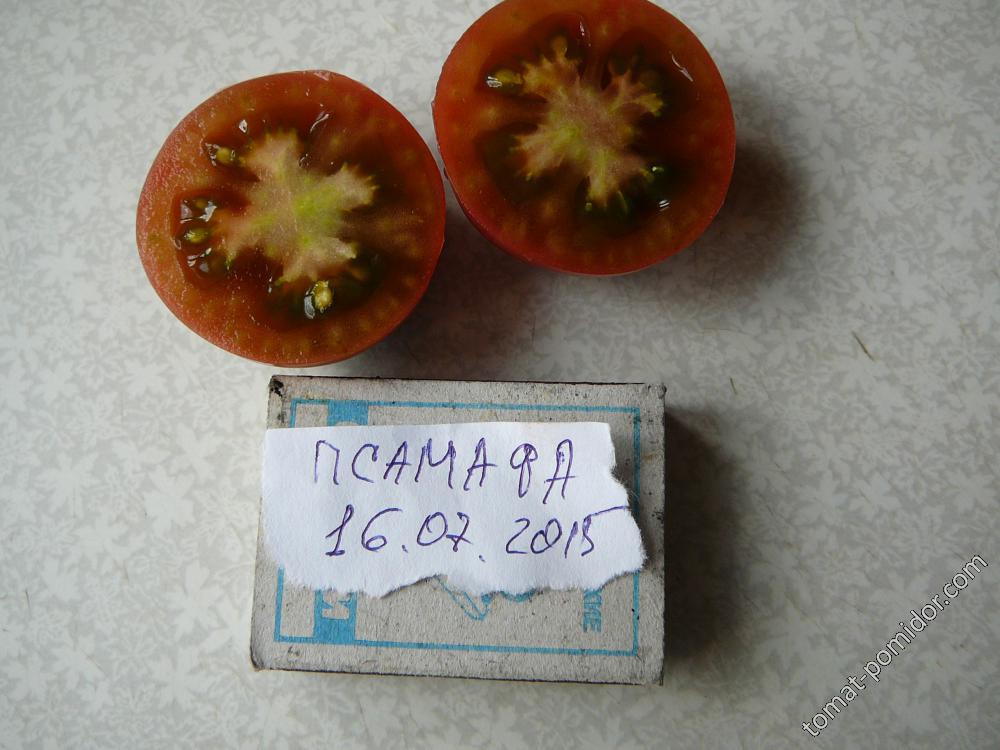
I really liked it. Tasty and productive.
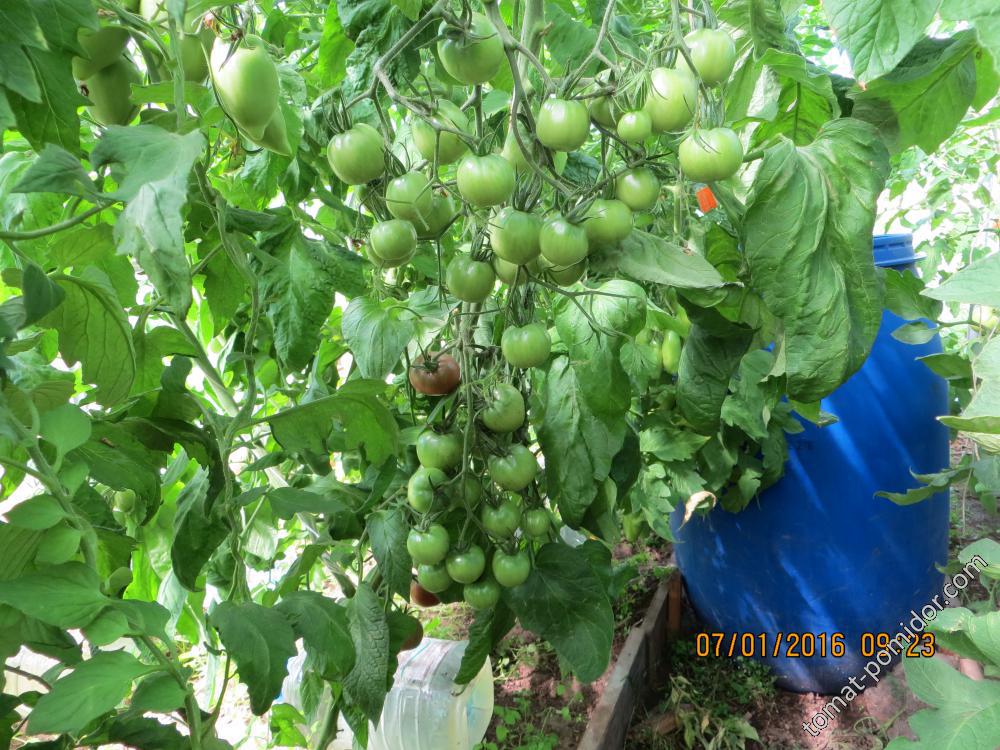

I really loved the Psamathe variety for its successful combination of excellent yield and taste, as well as its mid-early ripening time. The fruits are small, round, and burgundy colored. Sweet, juicy, with a fruity aftertaste. The foliage was potato leaf.
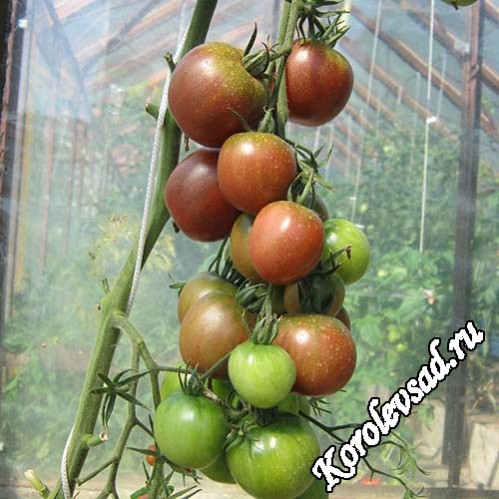
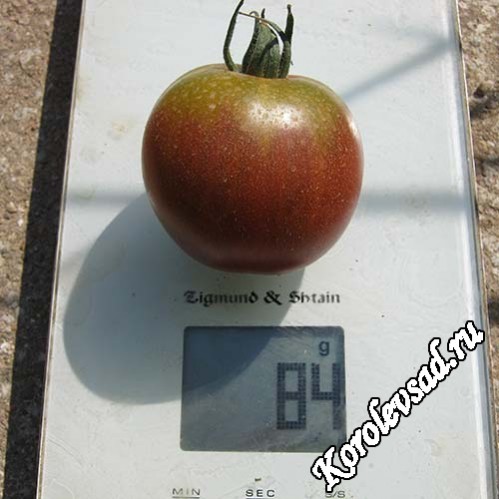
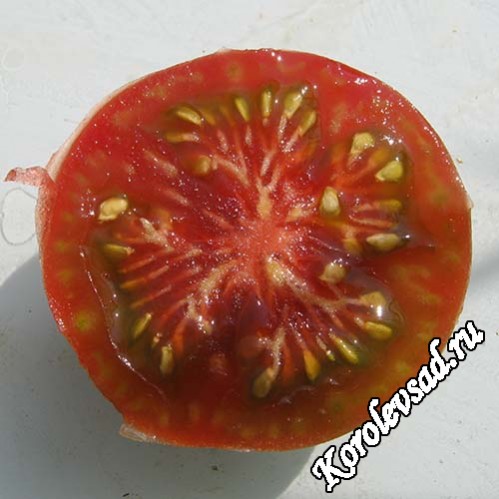

An excellent variety! Tasty, productive. Cocktail size. Seeds were from SvetaR.
Why do we spell it “Psamafa” and not “Psamathe”? Where did the “f” sound jump in from?
Olvia said:
Why do we spell it “Psamafa” and not “Psamathe”?
The name comes from Ancient Greek, not English. It’s a moon of Neptune.
Thank you! I was trying to find a translation for this word and couldn’t find one anywhere.
Tell me, does Psamathe have potato leaves or regular leaves?
Ilja wrote earlier that it is potato leaf.
Inna said:
Tell me, does Psamathe have potato leaves or regular leaves?
Inna, it’s potato leaf.
Drosera said:
The name comes from Ancient Greek, not English.
Not only in Wikipedia (which anyone can edit), but in serious encyclopedic dictionaries, there are entries for both spellings.
In Greek, the second to last letter is Theta (pronounced like Th/T), and the last is Eta (pronounced like E). So why should we pronounce it with an “f” sound? It is likely an archaic pronunciation rule in the Russian language. I am in favor of using “Psamathe” (Psamate) so there are no discrepancies with the majority of world languages.