Growers’ Notes and Photos (USDA Zones 3-4 Experience)
Edited February 14, 2017 by Pomidoroved
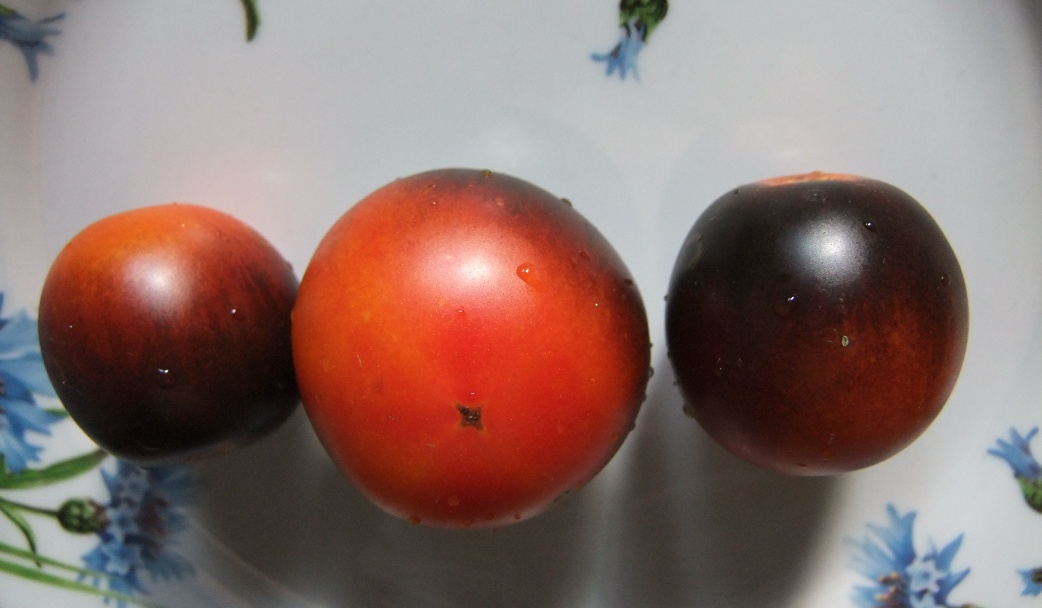
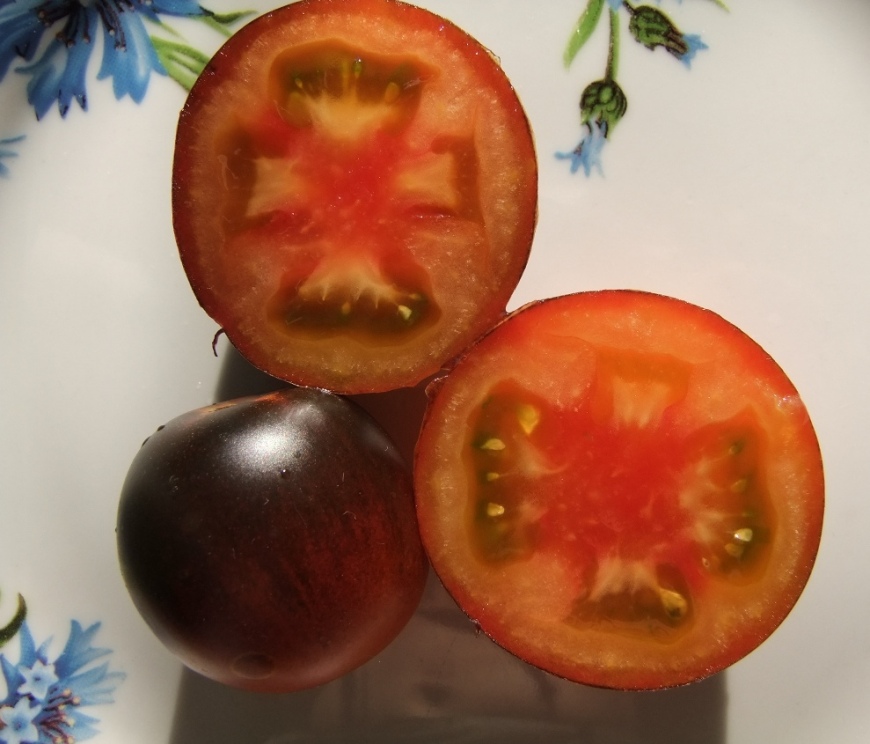
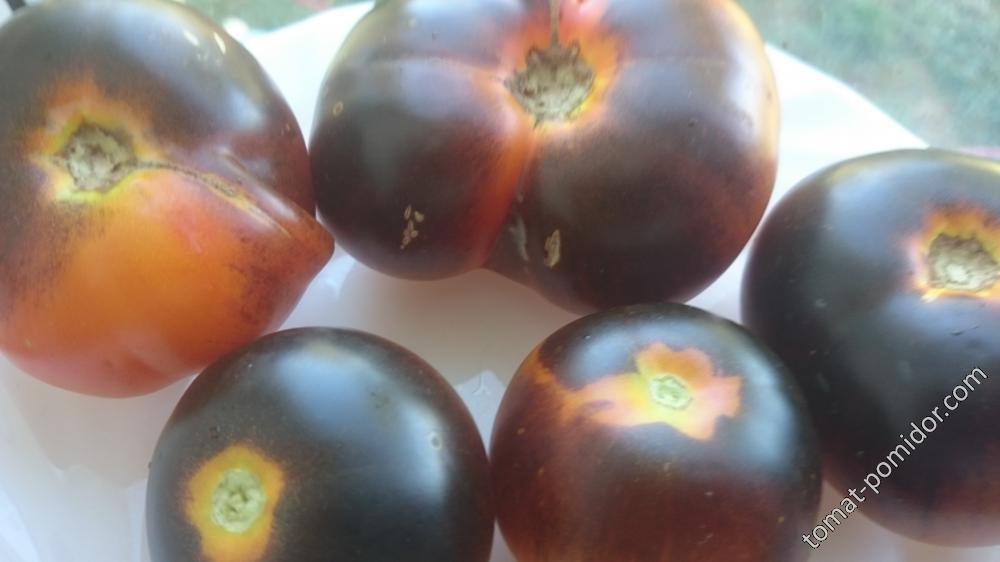
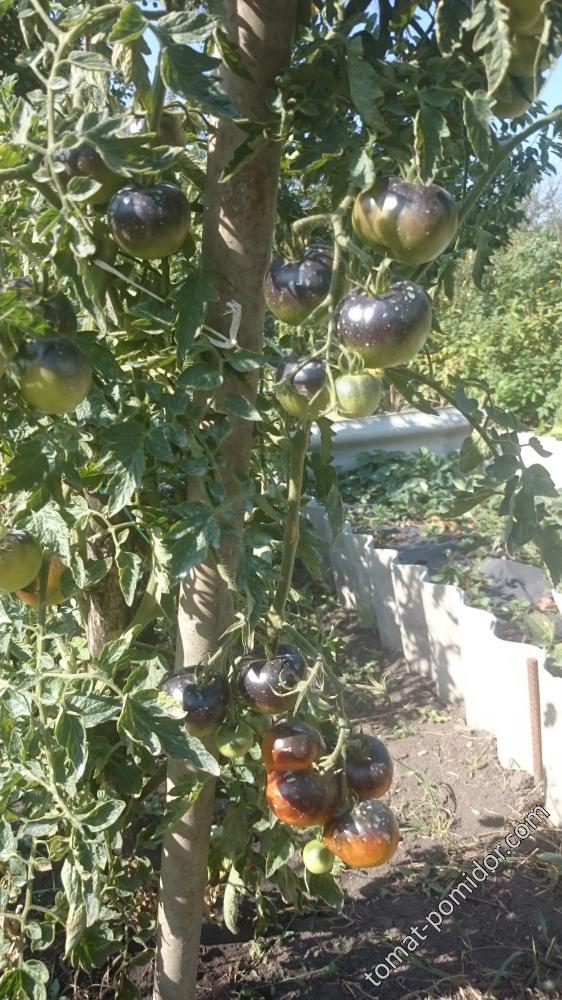
Ran two plants outdoors in the garden, height was 4-4.5 ft (1.2-1.3 m). Yield was very solid. The tomatoes are real lookers, running anywhere from 1.8 to 5.3 oz (50-150 g), with a few sizing up to 6.3-6.7 oz (180-190 g). Unbelievably sweet, rich taste, not bland in the slightest.
Sofiya 27 said:
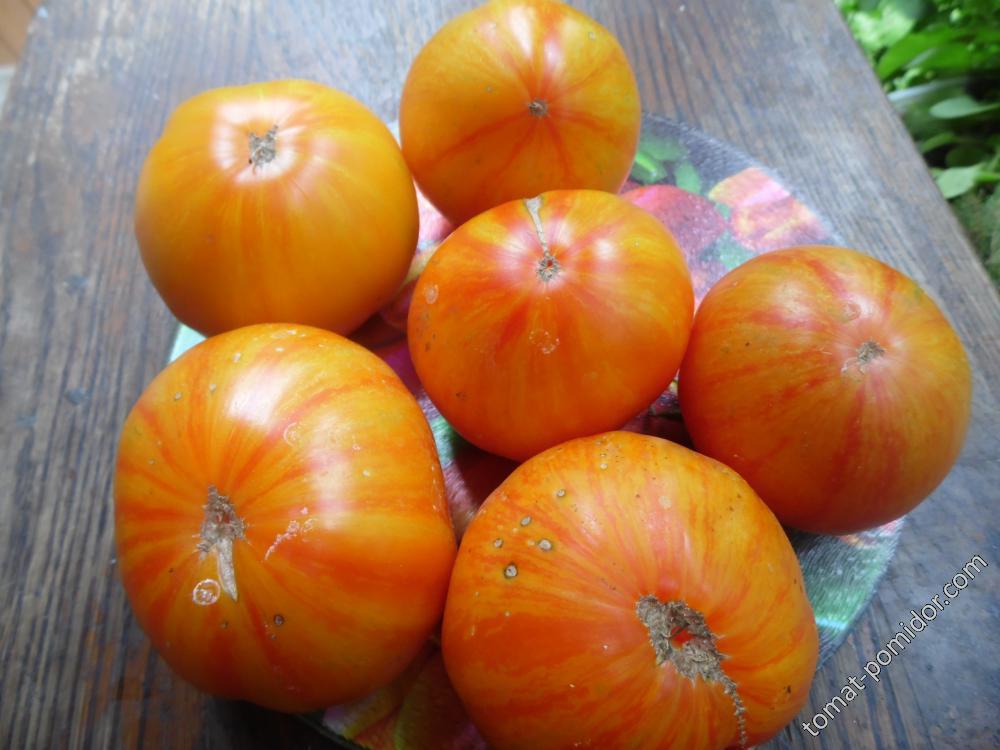
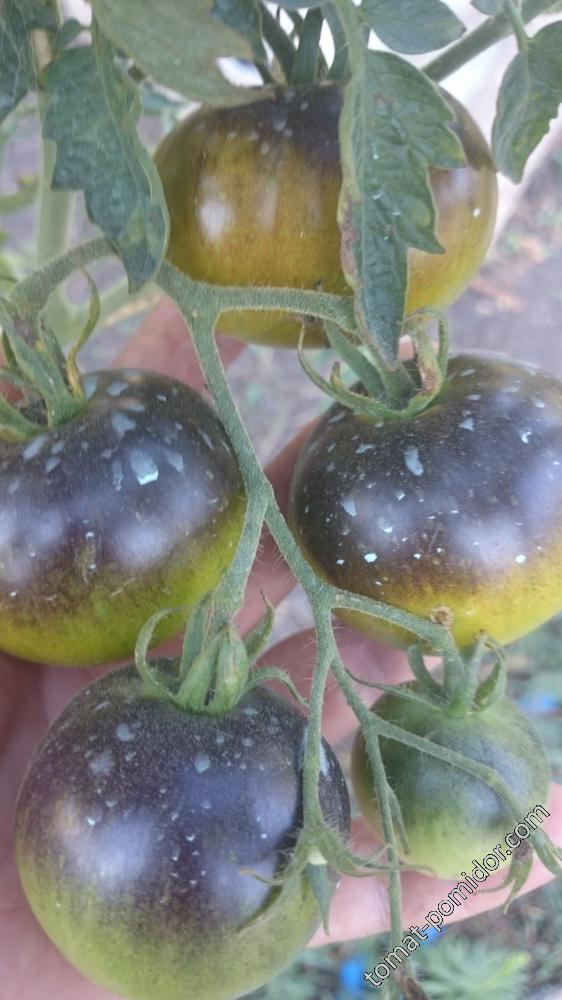
Seeds came from A. Kulik, my first year running it. Aleksey Ivanovich nailed the description: at first, you are blown away by how gorgeous the plant looks, and once you take a bite, you are hit with an extraordinarily sweet, candy-like taste. Ran two plants outdoors in the garden, height was 4-4.5 ft (1.2-1.3 m). Yield was very solid. The tomatoes are real lookers, running anywhere from 1.8 to 5.3 oz (50-150 g), with a few sizing up to 6.3-6.7 oz (180-190 g). Unbelievably sweet, rich taste, not bland in the slightest.
Total stunner! How many stems did you train it to?
Maturity-wise, it leans toward late-season here. Just picked the first two ripe tomatoes today.
Taste is super sweet, genuinely candy-like! Reached 6.5 ft (2 m) in the greenhouse, trained to two stems.
Olena (Olga) said:
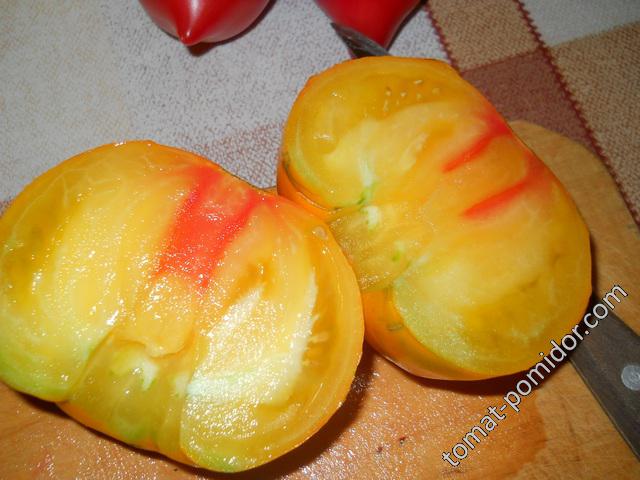
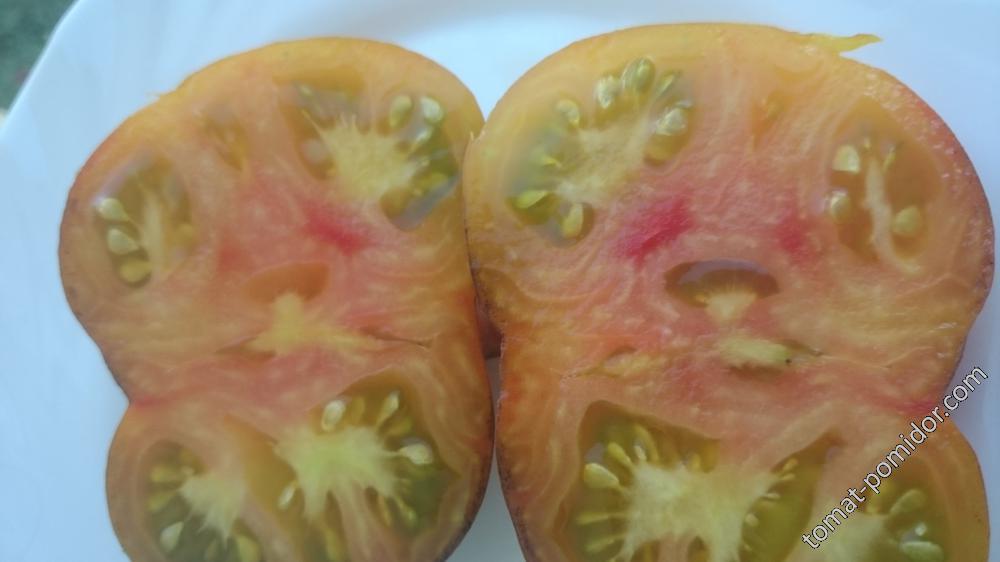
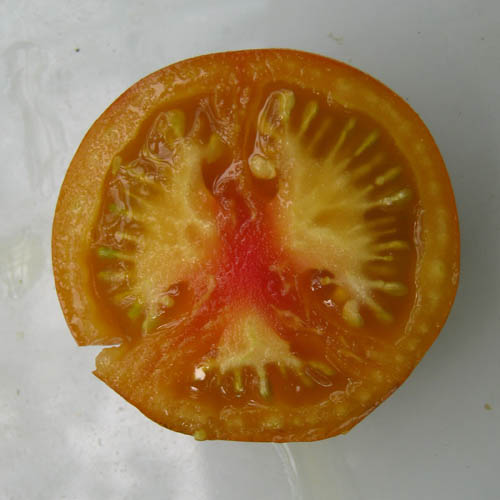
Mine turned out just as gorgeous as Sofiya’s. Inside, the flesh has that lovely red flame running through the center like a necktie. Maturity-wise, it leans toward late-season here. Just picked the first two ripe tomatoes today. Taste is super sweet, genuinely candy-like! Reached 6.5 ft (2 m) in the greenhouse, trained to two stems.
Where did you have it planted? Outdoors or under cover? When did you start the seeds and set it out? Planning to put this one on my grow list for next year.
Alisa said:
Total stunner! How many stems did you train it to?
Trained to three stems.
Alisa said:
Where did you have it planted? Outdoors or under cover? When did you start the seeds and set it out? Planning to put this one on my grow list for next year.
Started seeds on February 29 and planted out into my polycarb greenhouse during the early May holidays. 💐
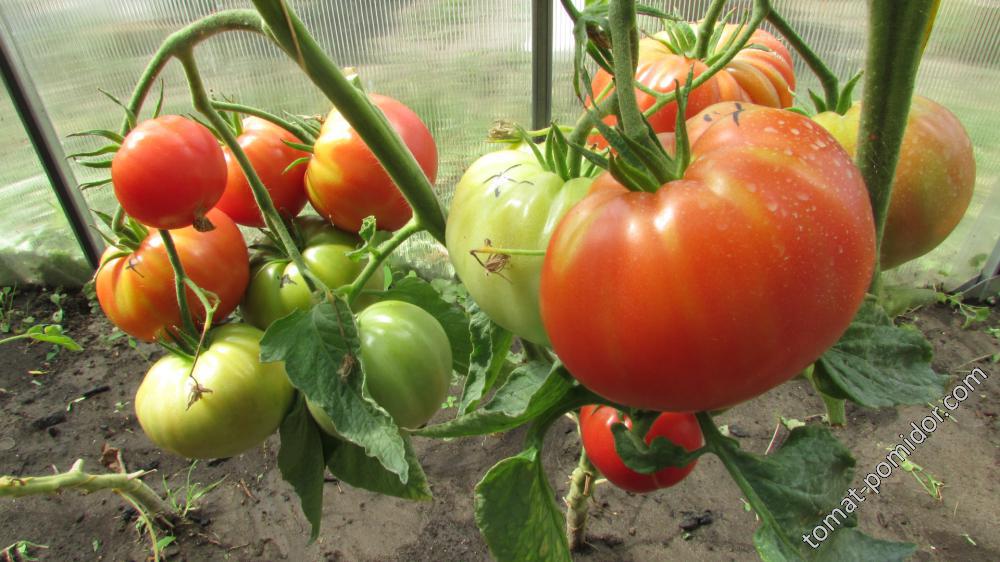
Vine stretched well over 6.5 ft (2 m) in my greenhouse. Leaves were deep dark green. Unfortunately, it ended up in unlimed, acidic soil in my setup and got hit hard with BER.
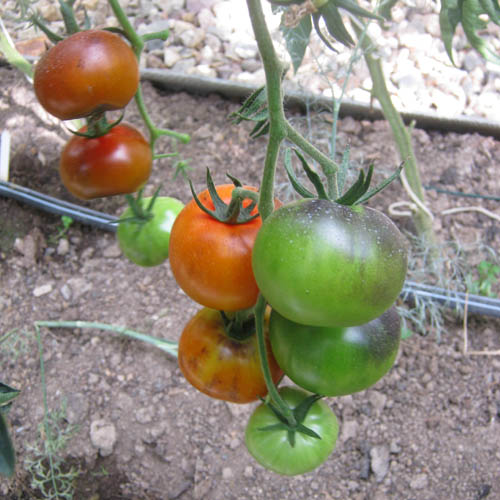
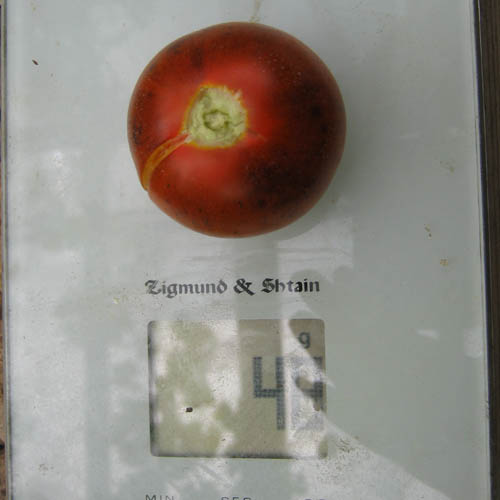
Ran two plants outdoors in unprotected beds and both performed brilliantly. Did not drop a single blossom through hot spells or cold snaps. Absolute must-grow for me this upcoming season.
Outstanding resistance to late blight. It was the only plant in my open beds that stayed completely clean and green after all the neighboring plants went down with blight. Ended up picking the final green tomatoes in early September just because I got nervous about late blight setting in. Did not spray a single chemical or fungicide all season. Seeds came from Happy Garden (Schastlivy Sad).

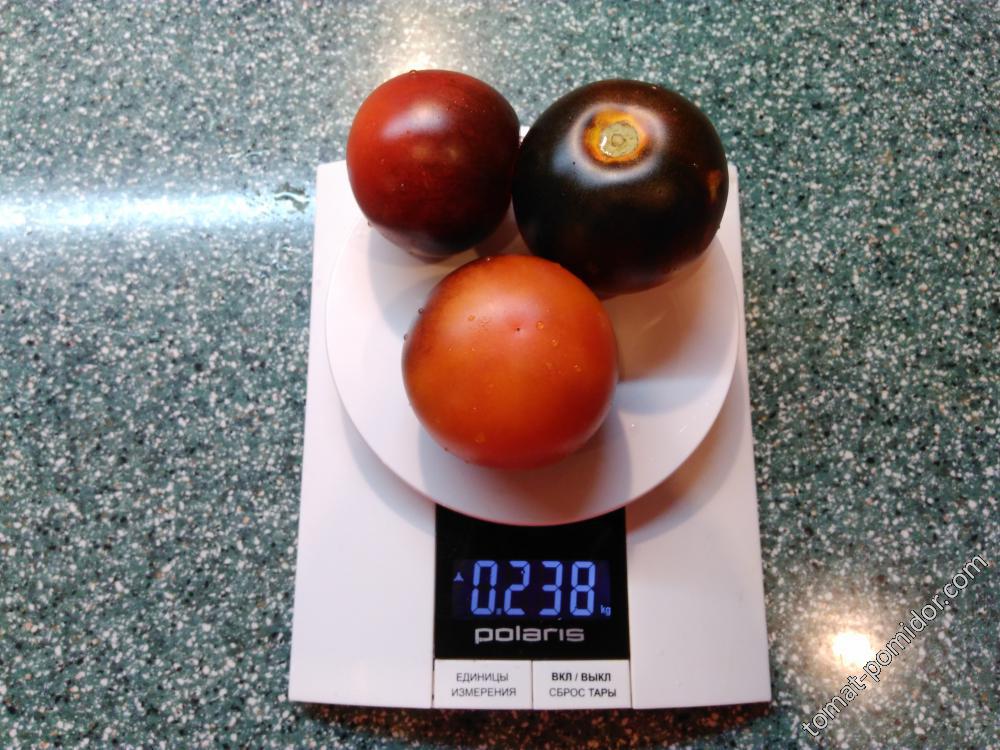
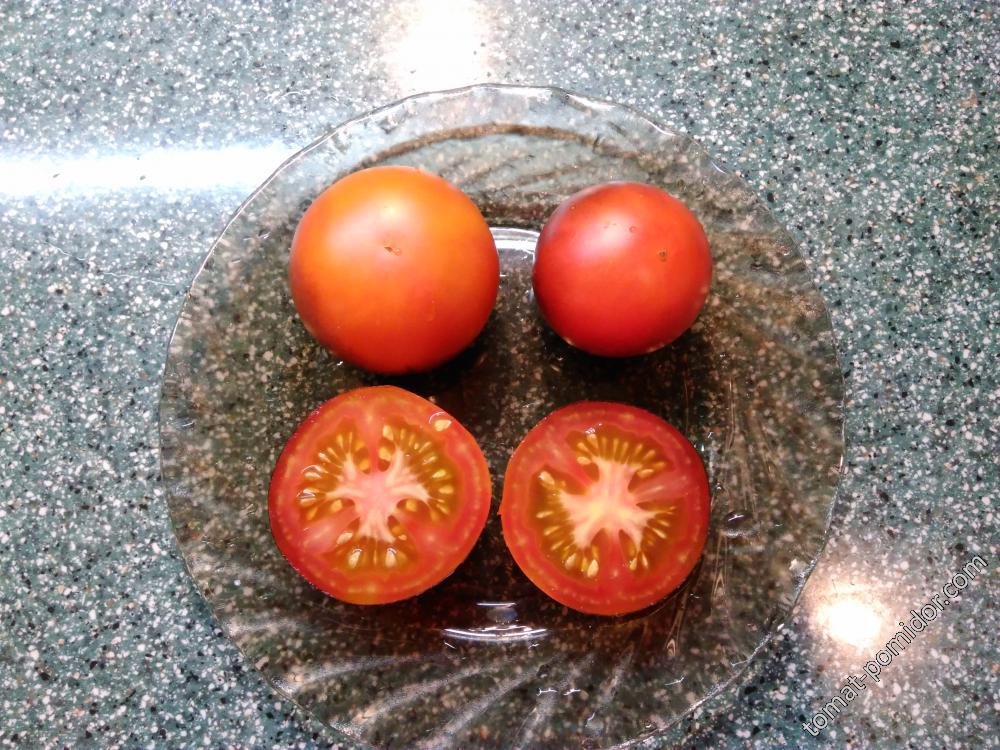
Gave it prime real estate in the sunny part of my greenhouse, except we had practically zero sunshine here during the 2017 summer. Delicious fruit nonetheless.


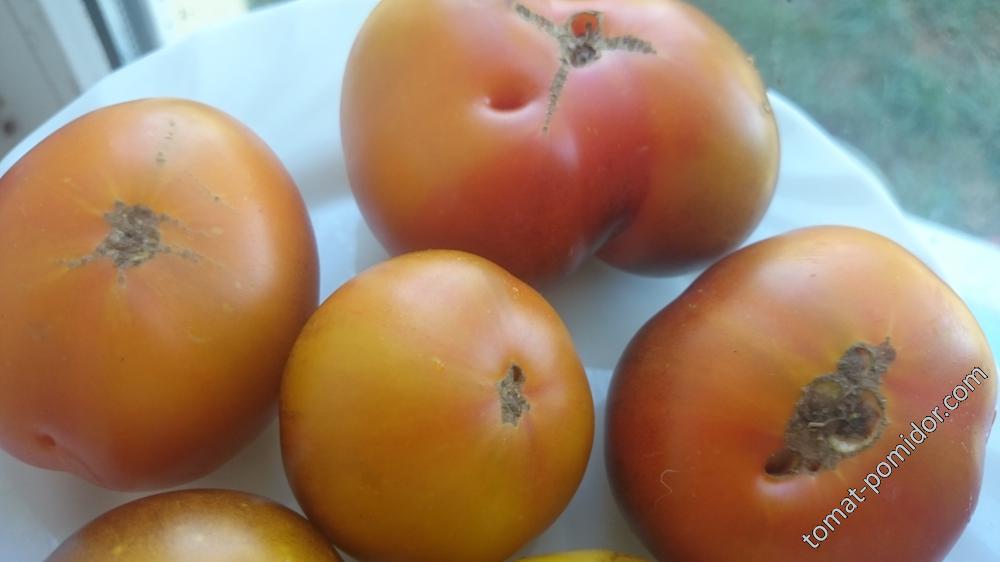
However, it was hit brutally hard by BER. I pruned it to three stems, but the harvest still ended up poor due to the blossom end rot. Will not be growing again.
Full Summary: Plant, Pruning, Flavor and Challenges
- 🌿 Plant & Training: Indeterminate vine. Reaches 4-4.5 ft (1.2-1.3 m) when planted outdoors in open ground, and easily exceeds 6.5 ft (2 m) inside polycarb greenhouses. Crucial grower note: Restricting this variety to a single stem drastically tanks productivity; growers strongly recommend carrying 2 to 3 main stems.
- 📈 Yield & Timing: Mid to mid-late maturity. Produces clusters of 1.8-5.3 oz (50-150 g) fruits, with occasional specimens reaching 6.7 oz (190 g). Holds blossom set well through temperature swings without dropping flowers.
- 👅 Taste: Universally praised for an exceptionally sweet, fruity, “candy-like” flavor with light spicy notes. Cut fruits showcase bright yellow flesh with an interior ruby-red core blush. Skin can become thick late in the autumn.
- 🛡️ Health & BER Vulnerability: Demonstrates remarkable outdoor tolerance to late blight (phytophthora), often remaining disease-free when surrounding plants collapse. However, it shows a documented vulnerability to blossom end rot (BER) if grown in acidic, unlimed substrates.
- 🌎 Who Reviewed It: Multiple gardeners across USDA Zones 3 and 4 (Moscow Region, Urals, and Central European Russia).