Growers’ Notes, Field Logs and Photos (USDA Zones 2-4 Experience)
Dwarf Pit Viper F7, grown from F6 seed stock.
This variety is still actively segregating for fruit color, weight, flavor, and growth habit. Everyone I shared commercial seeds with from Marianna’s packet ended up with slightly different results.
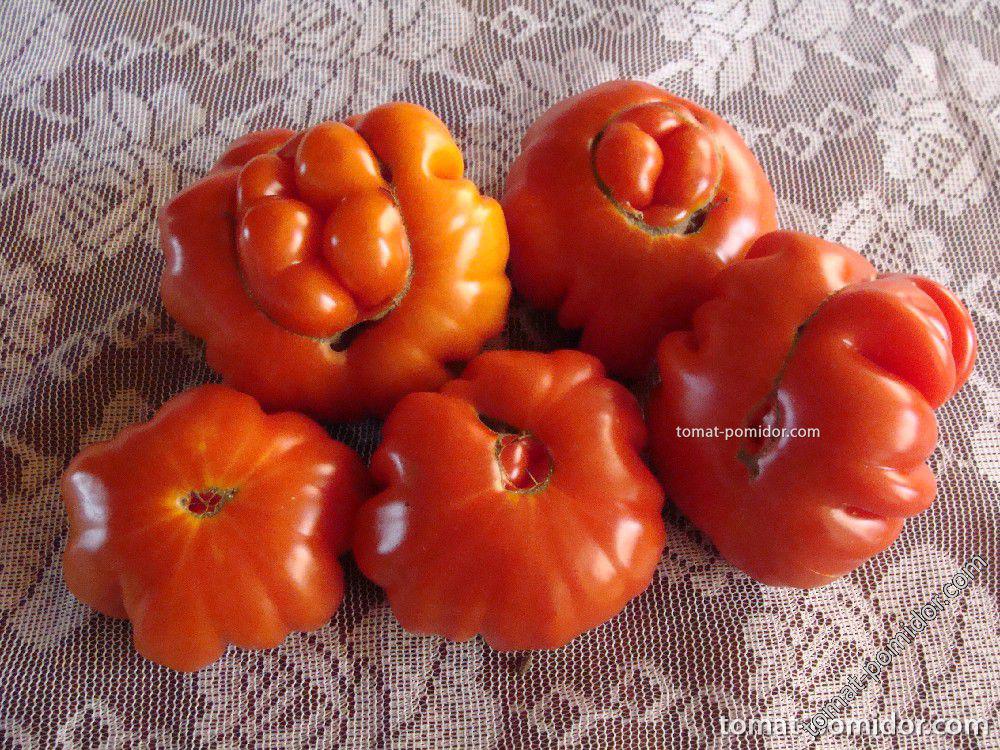
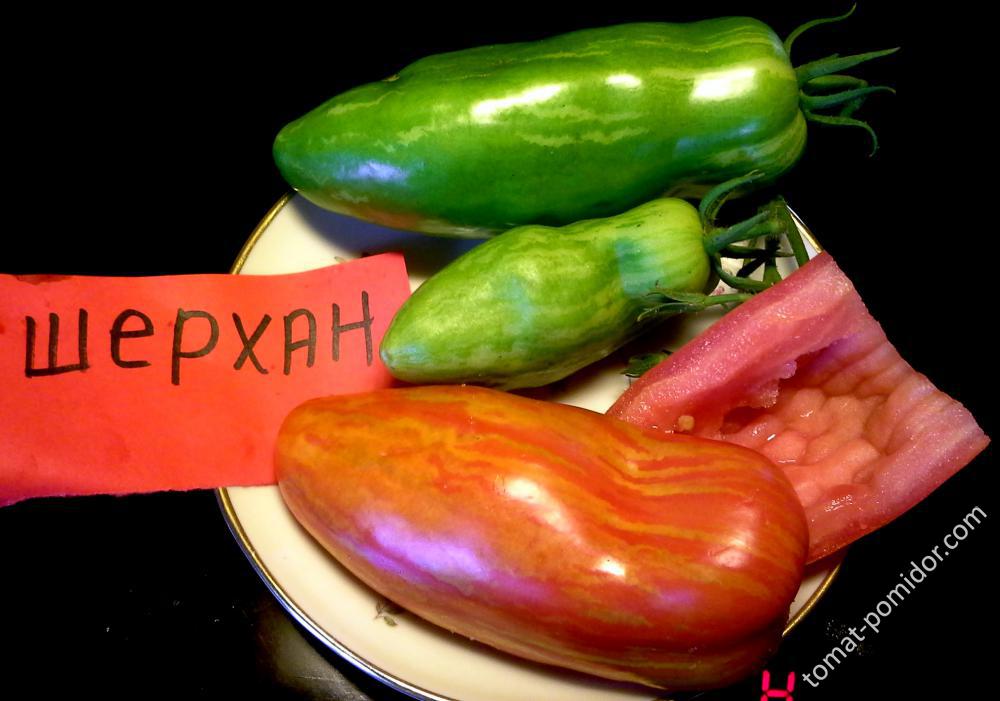
In my garden, it grew out as a vigorous, highly vegetative indeterminate reaching 5.3 ft (1.6 m), which I trained to two main stems. Powerful plant with large, heavily rugose regular foliage. Fruit color was predominantly bronze with shifting undertones, though I did not get the pronounced striping that was advertised. Fruits weighed between 3.5 and 12.3 oz (100-350 g), averaging right around 7 oz (200 g), with a flattened, oblate shape.
Extremely productive vine. Sets fruit in practically any weather and will not crack from cold rains or heavy morning fogs. The foliage stayed bulletproof most of the year, though after three solid weeks of rain and fog out in the open garden, the lower leaves finally started to darken. Handled severe temperature drops with ease and stayed disease-free.
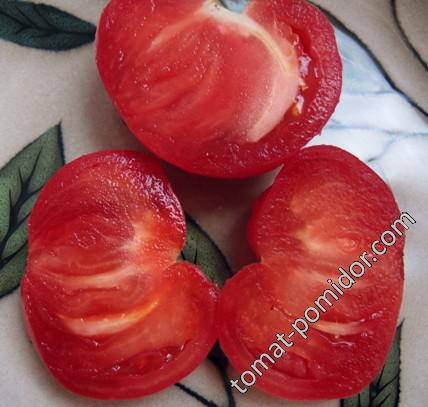
Flavor is always subjective. To our taste, it falls slightly behind Malachite Box (Malakhitovaya Shkatulka), which has a brighter, punchier taste. But unlike Malachite Box, Pit Viper actually stores on the counter, does not burst from autumn moisture, yields higher, and demands far less fertilizer and watering. If I had fed it more potassium or wood ash, the sugars probably would have peaked even higher. Cut open, the flesh is lime-green with a sweet red flame at the core.
Keep in mind that all my dwarf varieties were very slow starters indoors under lights, only kicking into gear once transplanted outdoors and night temperatures stabilized above 46°F (8°C). February seed sowing is definitely viable for these. The plant itself was gorgeous.
Edited October 9, 2016 by Drosera
Plenty of folks have shared photos of the fruit, but I could hardly find any footage showing the actual vine growth habit. Since I wanted to see how the plant behaved before putting it in the dirt, I decided to put together a quick video clip. Hopefully it helps anyone considering growing this great tomato.
One of my most anticipated varieties for the 2020 season. It proved remarkably resilient against foul weather and the usual tomato diseases. Time to slice it open and see if the flavor lives up to the hype.
As you can see, my Pit Viper does not match the plant description in the first post of this thread at all, though it matches V. Redko’s catalog notes perfectly.
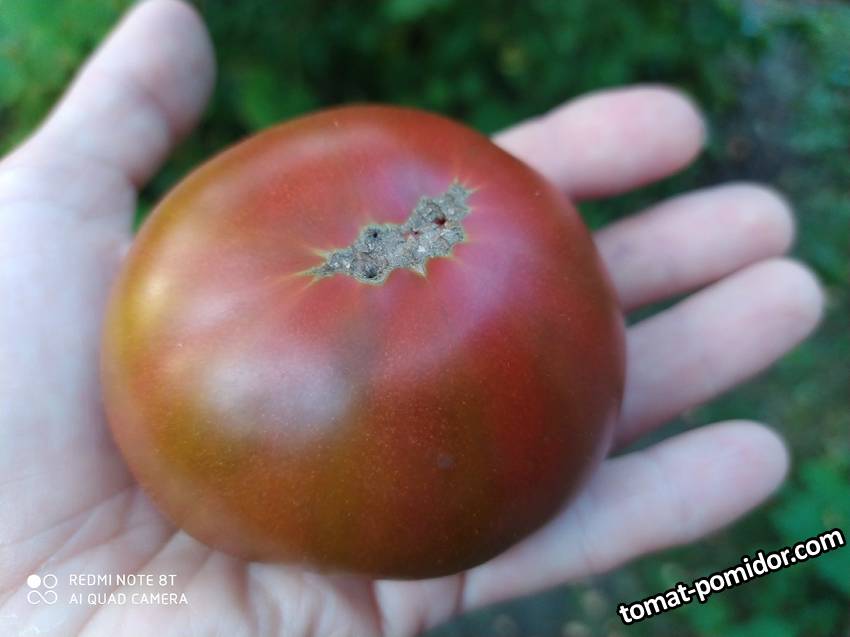
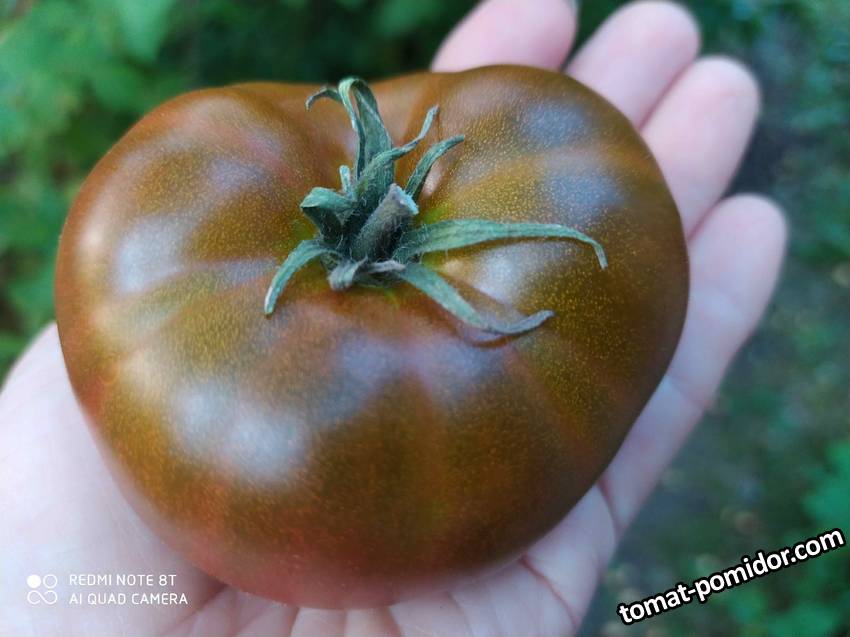
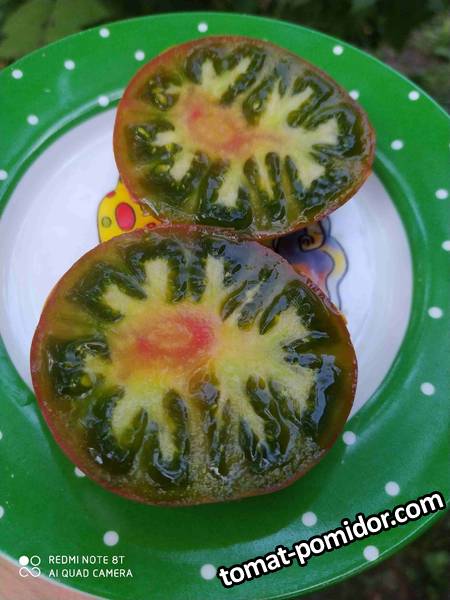
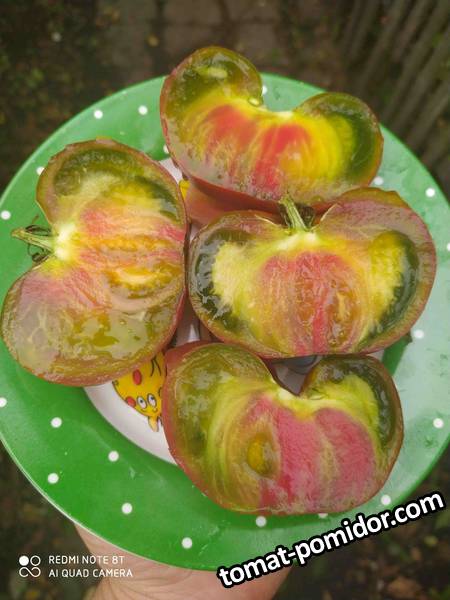
Vladimir Baranov said:
As you can see, my Pit Viper does not match the plant description in the first post of this thread at all, though it matches V. Redko’s catalog notes perfectly.
I checked out your video and compared your notes with Alisa’s original post. The only real discrepancy I noticed was plant height. You mentioned it was not very tall but kept stretching into late August, while Alisa’s was listed at 5.3 ft (1.6 m).
When did you start your seeds indoors?
Started seeds in February, but the whole coronavirus lockdown threw everything off. Seedlings got rootbound and overgrown indoors, and they went out into garden beds quite late. Seeds were sourced from Redko.
When in February did you sow them? Planning on sticking to those exact sowing dates this coming season?
This one is an absolute favorite in my garden. That said, mine does not look much like the vendor’s catalog photos or the pictures posted here. Theoretically, I might have swapped plant tags in the seedling stage, but if I did, I have no idea what it could be because it looks nothing like any other variety I grow.
Gorgeous fruit, rich, intense flavor with plenty of sweetness. Cannot fairly judge yield since the overall season was rough on my tomatoes across the board.
Early maturity, height was maybe a little over 3.3 ft (1 m), fruit weight 7 to 12.3 oz (200-350 g). Running it again this season side-by-side using my own saved seed and commercial packet seed to see if I had an off-type mix-up.
Edited April 9, 2022 by Natalya86
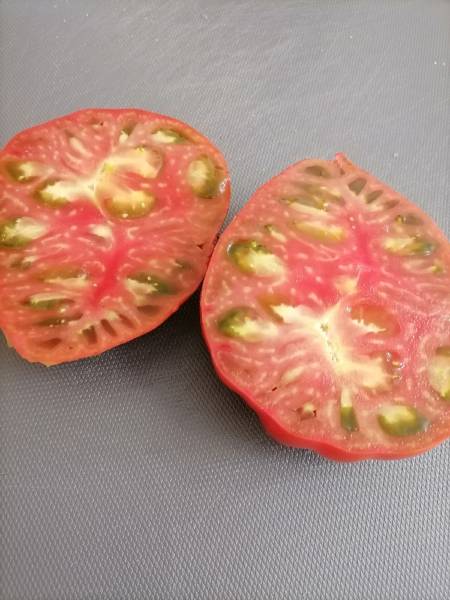
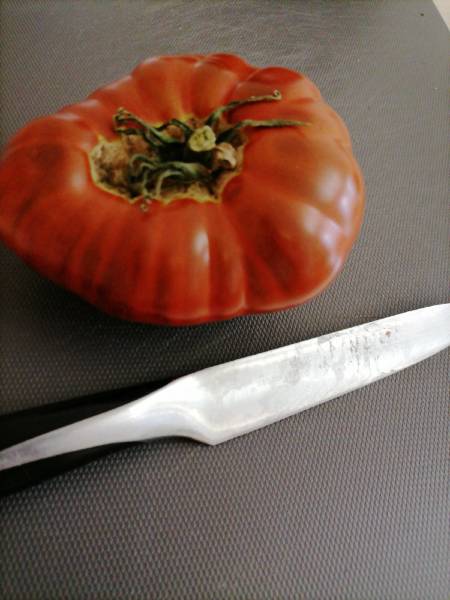
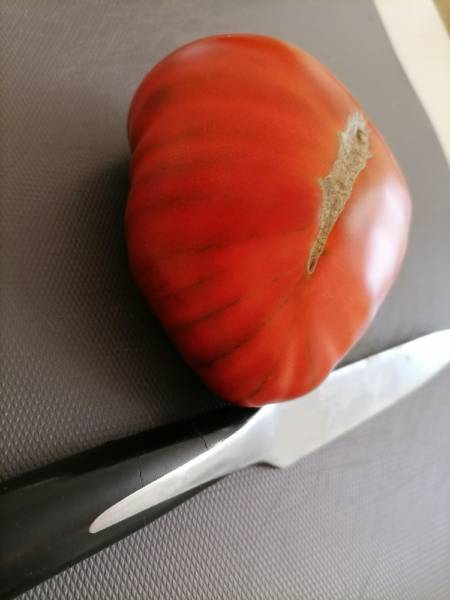
Natalya86 said:
Theoretically, I might have swapped plant tags in the seedling stage, but if I did, I have no idea what it could be because it looks nothing like any other variety I grow…
Looks like I figured out what my mystery off-type was: Dwarf Kookaburra Cackle (which I never actually ordered). This spring, the seedlings from that packet are genuine stocky little dwarfs. Must be the real Pit Vipers this time! Planning on running 1-2 plants in the greenhouse to see what develops.
Natalya86 said:
Running it again this season side-by-side using my own saved seed and commercial packet seed to see if I had an off-type mix-up…
This variety is definitely unstable.
The 2022 season threw another round of heavy segregation. Three plants gave three completely distinct outcomes.
Two plants were true dwarfs around 2 ft (60 cm) tall. One bore round, ochre-yellow tomatoes; the other produced dark, flat puck-shaped fruits around 1.8 oz (50 g) with a burgundy cast. Both of these little bushes got wiped out by leaf mold. Saved seeds, but doubt I will bother growing them again.
The third plant, however, was fantastic: an indeterminate around 5 ft (1.5 m), highly productive, and delicious. Plus, it showed very little disease. Saved those seeds and would love to stabilize that specific line. Only managed to grab a photo on the vine.

Natalya86 said:
Two plants were true dwarfs around 2 ft (60 cm) tall… The third plant was fantastic: an indeterminate around 5 ft (1.5 m), highly productive…
Natalya, were those seeds that produced three completely different plants your own saved stock or commercial seeds? If they came from a vendor packet, who knows what was scooped into the envelope, could easily be mixed varieties.
Also, what kind of leaves did they throw? This viper is supposed to carry potato foliage.
Edited April 2, 2023 by sofochkamai
sofochkamai said:
Natalya, were those seeds that produced three completely different plants your own saved stock or commercial seeds?… Also, what kind of leaves did they throw?
Hello! Had not logged in for a while so missed your question, had to register a new handle just to reply.
Seeds were a mix of commercial packets and my own saved stock. Unfortunately, not a single plant in the next generation matched the fruit from 2021. The determinates threw classic dwarf habit, as far as I remember potato leaf, very stout, stocky bushes that choked themselves with side shoots.
In 2023, I ran a single plant from seed saved off that tall indeterminate vine I liked, and it grew true to its parent. In 2024 it underperformed, and I skipped planting it in 2025.
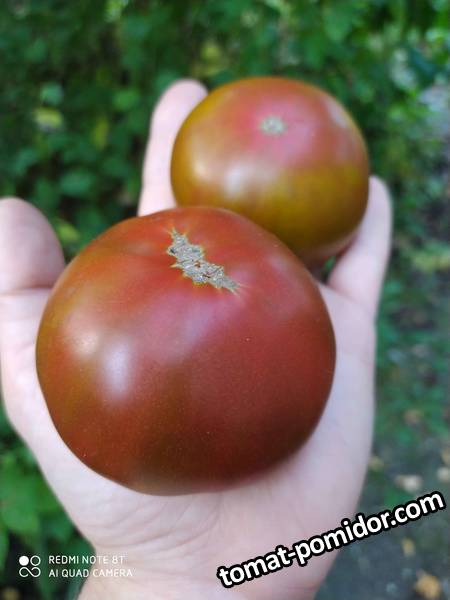
Still, I really want to stabilize something true to those 2021 and 2022 fruits, so I am continuing the project this year. Sowing the remainder of my 2021 seed (the brick-red fruit), 2022 seed (the darker one on the second photo that looks a bit like a black tomato), and a couple more from the original packet.
Not sure if it makes sense to keep logging updates here since I cannot tell if what I am growing has anything to do with genuine Pit Viper anymore, or if the vendor had a dwarf seed blend in the packet! That said, I grew several other varieties from the same seller (Denis Terentyev at bloomingarden) and had zero issues.
Currently have 5 seedlings going from Pit Viper seeds. Massive segregation happening right before my eyes.
Sowed March 6, all forming flower buds right now. Three are tiny, stout dwarfs sitting at 8 in (20 cm) tall (photo 1), and two are obvious indeterminates stretching 12-14 in (30-35 cm) (photo 2). All five seedlings were saved from the exact same single fruit!
Now it is a fun game to see what fruit develops this season. Based on this thread, web notes, and my own garden trials, this variety could easily be renamed “Mystery Dwarf”.
Edited April 29 by RaDda
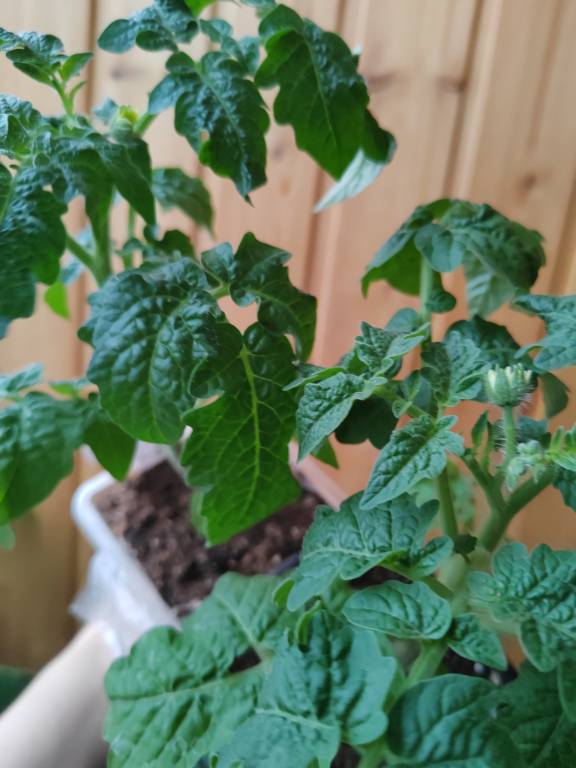

Full Summary: Habit Segregation, Fruit, Flavor and Resilience
- 🌿 Growth Habit & Segregation: Bred by Blane Horton, Dwarf Pit Viper was widely shared across seed networks at early filial stages (F6 to F8). Gardeners document heavy genetic splitting: sister seeds from the exact same tomato regularly produce either stout 2 ft (60 cm) true rugose dwarfs or tall, vigorous 5-5.3 ft (1.5-1.6 m) indeterminate vines with regular or potato foliage.
- 📈 Yield & Weather Tolerance: Sets fruit reliably across extreme temperature swings and high humidity. Highly praised for complete crack resistance during prolonged cold rains and fog where thinned-skinned green heirlooms split wide open.
- 👅 Flavor Profile: Oblate, bronze-green tomatoes with a crimson core blush, weighing between 3.5 and 12.3 oz (100-350 g). The flavor is rich, sweet, and complex. While slightly less acidic and fruity than Malachite Box, Pit Viper offers superior shelf life, firmer texture, and lower nutrient demands.
- 🌱 Seedling Behavior: Typical of dwarf genetics, seedlings are slow starters indoors and only accelerate growth when transplanted outdoors once nighttime temperatures reach 46°F (8°C). Early February sowing is recommended for short-season zones.
- 🌎 Who Reviewed It: Extensively grown and trialed in USDA Zones 2 through 4, including severe sub-arctic climates in Western Siberia (KhMAO), the Urals, and Central Russia.
Dwarf Pit Viper was created by independent Mississippi breeder Blane Horton (Crazy Hort Farm), derived from a cross between Dwarf Jade Beauty and Pit Viper selections. Horton frequently released exciting breeding lines at early generations (F5 to F7) through vendors like Marianna’s Heirloom Seeds, allowing heirloom hobbyists to grow and stabilize selections in their own regional climates. As documented across this thread, growing F6-F8 seed lines will naturally display Mendelian segregation: growers will see variations in plant stature (true dwarf vs. indeterminate off-shoots), leaf type (potato leaf vs. regular rugose), and fruit pigmentation. If saving seeds, bag your blossoms and select only the stocky, rugose plants bearing bronze-striped, green-fleshed fruit with a red starburst center.