🍅 Quick take: Oregon Spring is an early, cold-tolerant determinate bush variety bred by Dr. James Baggett at Oregon State University in 1984. Developed from a cross of Severyanin and Starshot, it possesses parthenocarpic traits, reliably setting nearly seedless slicers weighing 1.8 to 7 oz (50-200 g) in freezing spring weather. Siberian and cool-climate growers describe the plant as an unstoppable, bushy sprawl that requires plenty of elbow room and delivers sweet, meaty globes all at once. Full summary ↓
Growers’ Notes and Photos (USDA Zones 3-5 Experience)
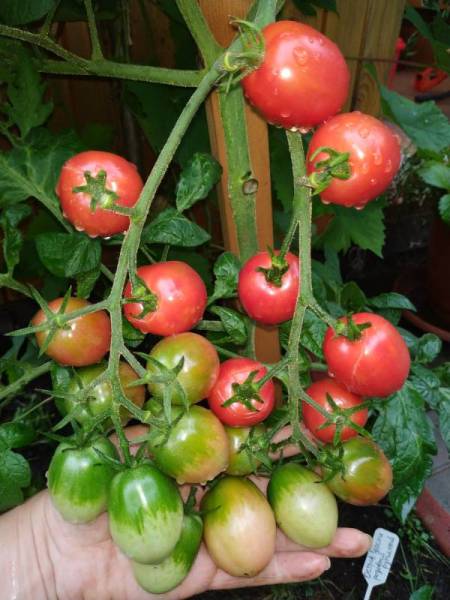
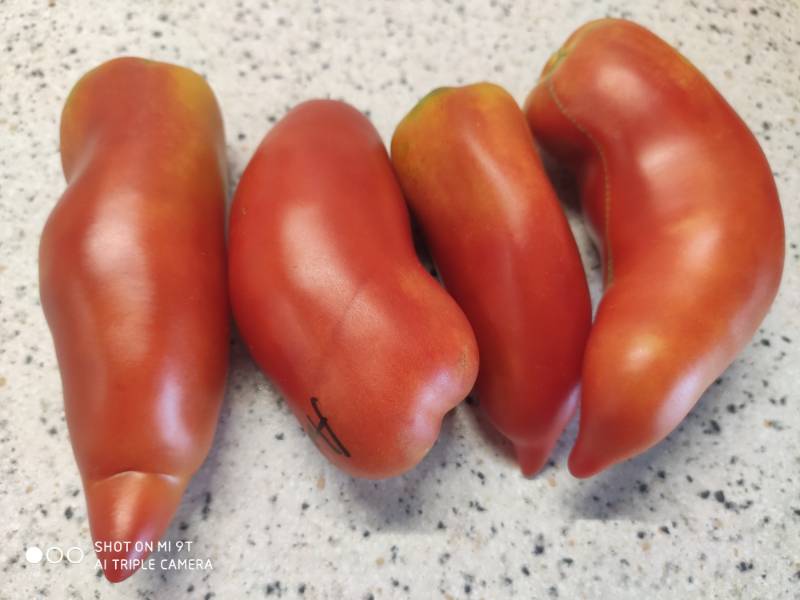
Low-growing determinate, needs zero suckering, perfect for outdoor garden beds. Supposed to be an early cropper, but mine got frost-nipped as a seedling and was badly stunted, so it ended up performing as a mid-season variety. Very few seeds inside the flesh.
The bush was completely loaded, with a nice extended harvest window and short internodes. Definitely running it again next year to get a better read on it under normal spring conditions.
Edited June 23, 2015 by Drosera
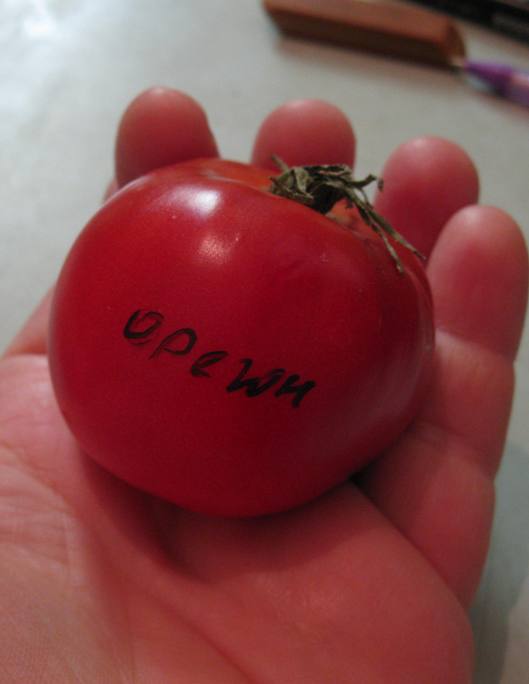
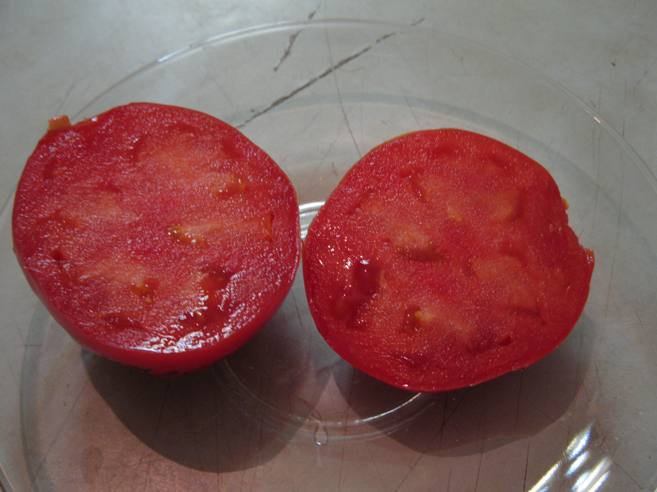
Determinate bush, stayed right around 20 in (50 cm) tall. Ran a couple of bushes outdoors in unprotected dirt. Great producer, though not ultra-early for me, the first fruits began ripening in early August.
Tomatoes came out very uniform, weighing between 3.5 and 5.3 oz (100-150 g). The taste was lovely, nice and sweet, very pleasant. 😋
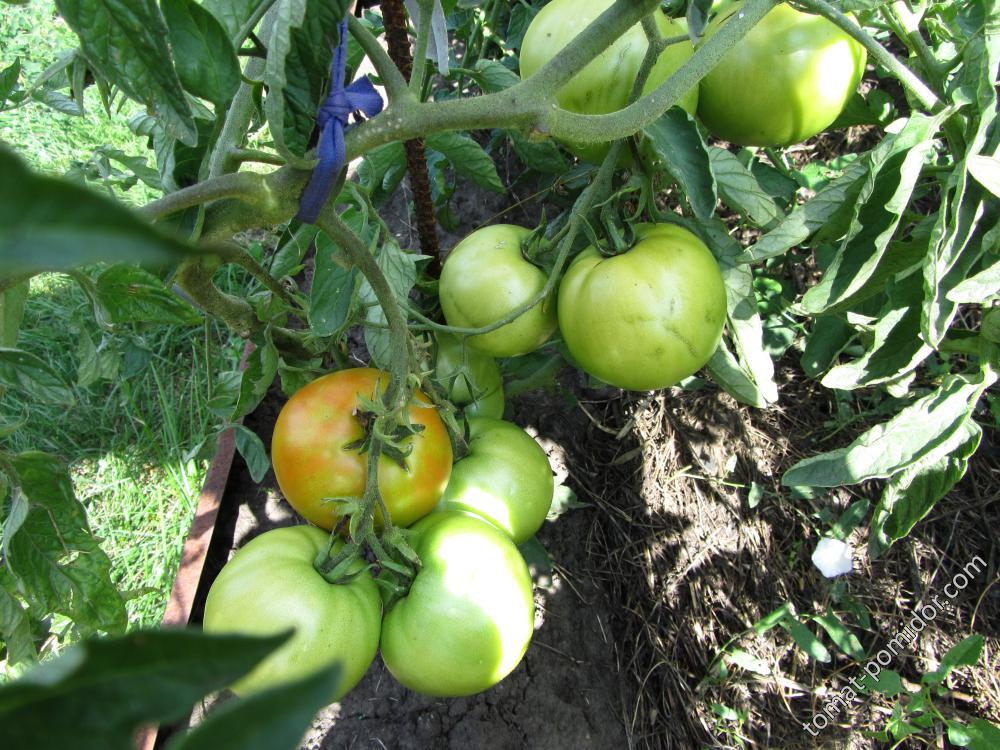
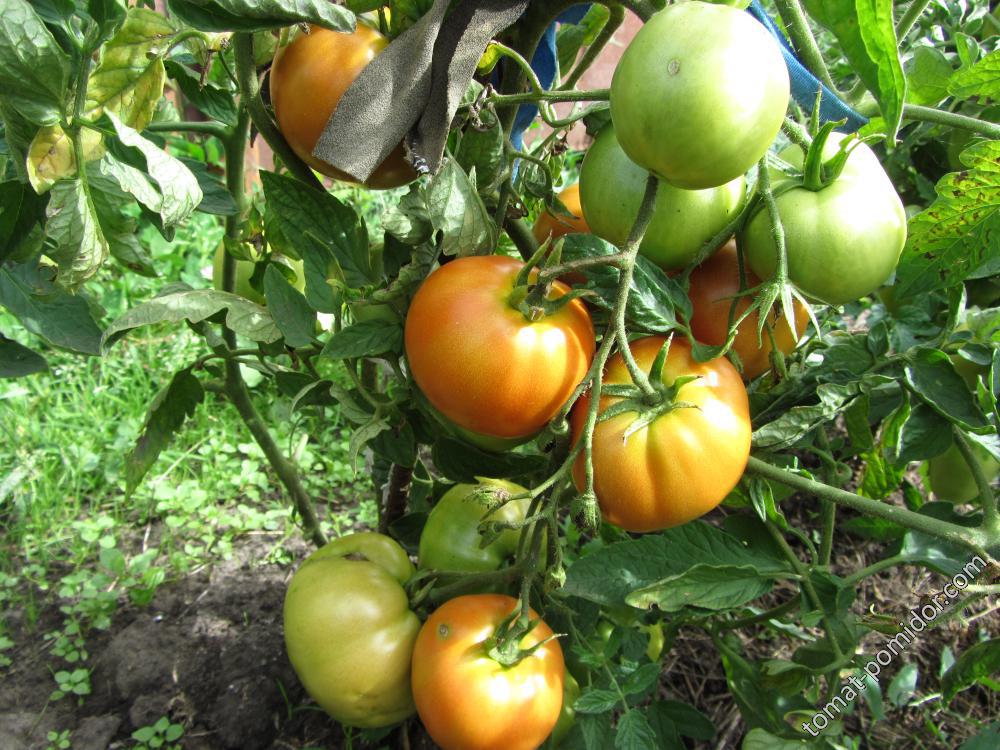
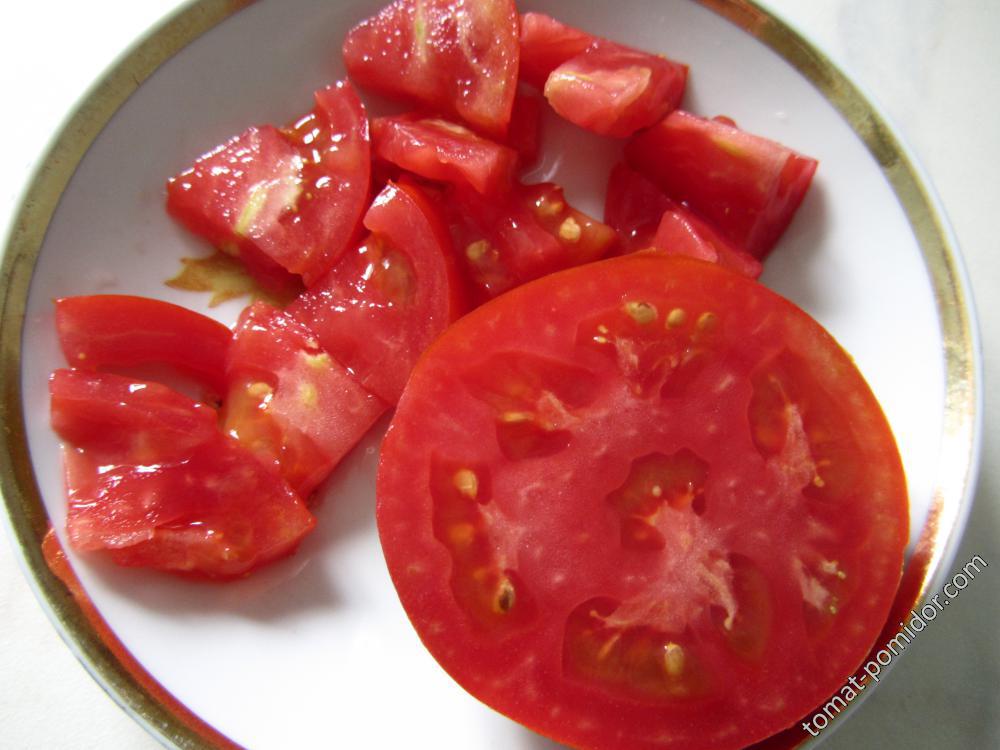
Olviya said:
Wait, isn’t this variety an F1 hybrid?
That photo link does not confirm an F1 hybrid at all.
According to Tatiana’s TOMATObase, Oregon Spring was bred from a deliberate cross between Severyanin and Starshot back in 1984. It is an open-pollinated heirloom cultivar. Commercial hybrid lines do not list their exact parentage like that for obvious trade secret reasons.
Viktoriya said:
If I sow seeds right now, would it even have time to produce ripe fruit by September?
In our climate, you might scrape by with one or two trusses that you will have to finish ripening indoors on the counter. Honestly, I don’t think it is worth the hassle. The flavor is typical for an early variety anyway, and by that late in the summer, your patch will already be loaded with much sweeter, richer mid-season tomatoes.
This thing is a total garden invader, it bullied and smothered the neighboring plants completely. Staking it was an endless headache and suckering was impossible. It is the mythical Hydra of the tomato patch: you pinch off one side shoot, and ten more sprout right where you pruned!
Because the canopy got so incredibly dense, it showed leaf trouble early on. Not late blight, just the smothered leaves in the deep center of the bush turning yellow from zero airflow. In hindsight, this variety really wants to be grown sprawling freely across the ground, spaced way apart from each other.
Took forever to initiate flowers, bloomed and bloomed for what felt like an eternity, and then boom: all at once, it set a massive flush of chunky tomatoes. Tons of them! The bush was literally smothered in fruit. My first two off the vine were 5 oz (140 g) and 7 oz (200 g), and the rest followed suit.
Flavor is good, classic, and well-balanced.
Full Summary: Growth Habit, Seedlessness, Yield and Pruning
- 🌿 Growth Habit & Training: True determinate bush staying relatively compact in height at 20 in (50 cm), but capable of monstrous lateral spreading. Dense multi-branching canopy. Pruning and staking can be counterproductive; growers recommend either generous ground spacing for sprawling on mulch or sturdy cage containment with zero pruning.
- 📈 Yield & Fruit Characteristics: Exceptional production. Sets heavily in concentrated waves. Slicers are uniform, ranging from 1.8 to 5.3 oz (50-150 g), with early terminal fruits reaching 7 oz (200 g). Features thick, meaty walls with remarkably few seeds.
- 👅 Flavor Profile: Sweet and pleasant for an early cropper, offering a classic balanced profile with solid meatiness that avoids the bland, watery texture common in early determinants.
- ❄️ Cold Tolerance & Stamina: Bred specifically for cool coastal and short-season maritime climates. Recovers well from spring setbacks and continues setting fruit through cold snaps where other varieties drop flowers.
- 🌎 Who Reviewed It: Cold-season growers from Western Siberia and the Urals (USDA Zone 3).
Bred in 1984 by Dr. James Baggett at Oregon State University, Oregon Spring was specifically developed for short, chilly Pacific Northwest summers. Its parentage incorporates the Russian heirloom Severyanin, which donated natural parthenocarpy: the genetic ability to set fruit without pollination during cold weather (temperatures down into the 40s and 50s °F / 7-12 °C). This explains why Svetlana observed fruits with almost no seeds inside. Additionally, like many determinate cold-set cultivars, it produces an explosive rush of lateral shoots; trying to prune it like an indeterminate vine causes severe vegetative stress (the “Hydra effect” described by Yuliya). Grow it unpruned inside heavy wire cages or let it sprawl over straw mulch.